
The healthcare landscape is a complex ecosystem, constantly evolving with new scientific breakthroughs, regulatory changes, and patient needs. At the heart of disseminating critical information about innovative medicines and treatments to healthcare professionals (HCPs) stands the pharmaceutical sales representative, often simply called a “pharma rep.” Far from being mere salespeople, these professionals play a multifaceted role as educators, relationship builders, strategic communicators, and even tech-savvy consultants. Their work is vital in ensuring that doctors, pharmacists, and other medical practitioners are well-informed about the therapeutic options available, ultimately impacting patient care.
In an era defined by rapid technological advancements, intense brand competition, and sophisticated financial models, the role of a pharmaceutical rep has become more dynamic and challenging than ever before. This article delves into the core responsibilities, strategic imperatives, technological integrations, and financial realities that define the contemporary pharmaceutical representative, providing an in-depth look at a profession critical to bridging the gap between pharmaceutical innovation and clinical practice.

The Core Responsibilities of a Pharmaceutical Rep
At its essence, the role of a pharmaceutical rep revolves around communication and education. They are the primary interface between pharmaceutical companies and the medical community, tasked with ensuring that healthcare providers have the most up-to-date and accurate information regarding the products they represent.
Educating Healthcare Professionals
The most fundamental duty of a pharma rep is to educate. This involves an intricate understanding of the drugs in their portfolio, including their mechanisms of action, clinical indications, efficacy rates, potential side effects, contraindications, and comparative benefits against existing treatments. Reps must be adept at translating complex scientific data into digestible, relevant information for busy doctors. This often requires:
- Deep Product Knowledge: Beyond memorizing facts, reps must grasp the underlying science and clinical context of their medications. This means understanding pharmacology, disease states, and patient profiles.
- Delivering Clinical Presentations: Conducting informative presentations to individual physicians, medical groups, or even hospital staff, often utilizing approved scientific literature and marketing materials.
- Addressing Questions and Concerns: Being prepared to answer detailed medical and scientific questions, sometimes on the spot, demonstrating expertise and credibility. They must be honest about product limitations and refer complex medical questions to appropriate medical affairs personnel.
Building and Maintaining Relationships
Success as a pharma rep is heavily predicated on the ability to cultivate strong, trusting relationships with healthcare professionals. These aren’t merely transactional interactions; they are built on consistent value delivery, professionalism, and genuine rapport.
- Establishing Trust and Credibility: Reps must present themselves as reliable resources, not just salespersons. This involves demonstrating integrity, providing balanced information, and respecting the HCPs’ time and expertise.
- Understanding HCP Needs: Each healthcare provider has unique practice patterns, patient populations, and informational needs. A successful rep takes the time to understand these nuances, tailoring their approach and information accordingly.
- Consistent Engagement: Regular, well-planned visits are crucial. This isn’t about volume but about quality interactions that add value to the HCP’s practice. It involves follow-ups, providing requested materials, and being a consistent presence.
Strategic Territory Management
A pharmaceutical rep’s territory can encompass a wide geographical area or a specific cluster of medical practices. Effectively managing this territory is critical for maximizing reach and impact.
- Planning and Prioritization: Reps must strategically plan their routes, prioritize which HCPs to visit based on prescribing potential and educational needs, and manage their time efficiently. This involves understanding market dynamics, competitor activity, and therapeutic area trends within their territory.
- Targeting and Segmentation: Identifying the most influential or high-prescribing physicians who align with the product’s profile. This often involves analyzing prescribing data and market intelligence.
- Resource Allocation: Judiciously allocating samples, educational materials, and other resources to ensure maximum impact and compliance with regulations.
Understanding Regulations and Compliance
The pharmaceutical industry is one of the most heavily regulated sectors globally. Adherence to strict ethical guidelines and legal frameworks is paramount for every pharma rep.
- Adherence to FDA/EMA Regulations: Understanding and strictly following guidelines regarding drug promotion, off-label discussions, sample distribution, and interactions with HCPs.
- Company Compliance Policies: Beyond external regulations, reps must adhere to their company’s internal compliance policies, which often go above and beyond the legal minimums.
- Ethical Conduct: Maintaining the highest standards of ethics and integrity in all interactions, ensuring that promotional activities are responsible and patient-centric. Any misstep can have severe consequences for both the individual and the company.
Leveraging Technology in Pharmaceutical Sales
The digital revolution has profoundly reshaped nearly every industry, and pharmaceutical sales are no exception. Far from the days of paper brochures and purely in-person visits, today’s pharma reps are increasingly reliant on a suite of sophisticated technological tools to enhance their productivity, analytical capabilities, and engagement strategies. This transformation directly aligns with the “Tech” focus of many modern professional landscapes.
CRM Systems and Data Analytics
Customer Relationship Management (CRM) systems are the backbone of modern sales operations, and for pharma reps, they are indispensable for strategic territory management and informed decision-making.
- Tracking Interactions and Performance: CRM platforms allow reps to log every interaction with an HCP, detailing topics discussed, materials left, and follow-up actions. This creates a rich history that informs future engagement strategies.
- Sales Performance and Trend Identification: By integrating with sales data, CRM systems can help reps analyze their performance, identify prescribing trends within their territory, and understand the impact of their efforts. This data-driven approach allows for continuous optimization.
- Targeting and Personalization: Advanced CRM tools, often leveraging AI, can help reps segment their physician base, identify key influencers, and even suggest personalized talking points or resources based on past interactions and HCP profiles.
Digital Communication Tools and Virtual Engagement
The COVID-19 pandemic accelerated the adoption of virtual engagement, making digital communication tools a permanent fixture in the pharma rep’s toolkit.
- Virtual Meetings and e-Detailing: Platforms like Zoom, Microsoft Teams, and specialized e-detailing solutions enable reps to conduct virtual presentations, share interactive content, and engage with HCPs remotely, offering flexibility and efficiency.
- Webinars and Online Educational Events: Reps often facilitate or invite HCPs to attend company-sponsored webinars and online symposia, providing access to expert opinions and deeper scientific dives without the need for travel.
- Secure Messaging and Portals: Utilizing secure, compliant platforms for quick queries, sharing approved digital resources, or scheduling appointments, respecting HCP preferences for digital communication.
AI and Machine Learning for Insights
Artificial Intelligence (AI) and Machine Learning (ML) are beginning to revolutionize how pharmaceutical reps understand their market and interact with customers, offering unprecedented levels of insight and predictive capabilities.
- Predictive Analytics: AI can analyze vast datasets to predict which HCPs are most likely to respond to certain messages, adopt new treatments, or require specific information, allowing reps to focus their efforts more effectively.
- Personalized Content Generation: AI tools can help reps tailor educational materials and messaging to individual HCPs based on their stated preferences, past interactions, and prescribing patterns, ensuring relevance and maximizing engagement.
- Market Trend Analysis: ML algorithms can rapidly identify emerging market trends, competitive shifts, and changes in physician behavior, providing reps with real-time intelligence to adapt their strategies.
Productivity Apps and Gadgets
Beyond core sales tools, a range of general productivity apps and gadgets empower reps to manage their demanding schedules and information flow efficiently.
- Mobile CRMs and Field Sales Apps: Enabling reps to access and update information on the go from tablets or smartphones.
- Note-Taking and Organizational Apps: Tools like Evernote, OneNote, or dedicated medical apps help reps manage information, capture insights during calls, and organize resources.
- Travel and Expense Management Apps: Streamlining administrative tasks such as logging mileage, submitting expense reports, and booking travel, freeing up more time for customer-facing activities.
Building Brands and Relationships: The Art of Pharmaceutical Marketing
The “Brand” aspect of a pharmaceutical rep’s role extends far beyond merely representing a product; it encompasses building trust, establishing credibility, and fostering a strong corporate identity. This requires a sophisticated understanding of brand strategy, personal branding, and the nuances of ethical marketing in the healthcare sector.
Mastering Product Branding and Messaging
Every pharmaceutical product has a unique brand identity, encompassing its scientific profile, clinical benefits, and therapeutic positioning. Reps are the frontline communicators of this brand message.

- Communicating Value Propositions: Articulating clearly and concisely the unique benefits and value that a drug offers to patients and HCPs, differentiating it from competitors.
- Consistent Brand Storytelling: Ensuring that all communications reinforce the product’s core message and align with the company’s overall marketing strategy, using approved materials and language.
- Understanding Market Positioning: Knowing where the product fits within the treatment paradigm, who its target patient population is, and how it addresses unmet medical needs.
Personal Branding for Trust and Credibility
While representing a corporate brand, individual pharma reps also cultivate their own “personal brand” based on their professionalism, knowledge, and reliability. This personal brand is crucial for building lasting relationships.
- Professionalism and Expertise: Presenting oneself as a knowledgeable and trustworthy resource who understands both the science and the practicalities of healthcare delivery.
- Reliability and Follow-Through: Consistently delivering on promises, providing requested information promptly, and demonstrating genuine commitment to supporting HCPs.
- Ethical Conduct as a Brand Pillar: Operating with integrity and transparency, ensuring that all interactions reflect the highest ethical standards, which reinforces both the individual’s and the company’s reputation.
Understanding Corporate Identity and Reputation
Reps are direct ambassadors of their pharmaceutical company. Their actions and interactions significantly contribute to how the corporate identity and reputation are perceived by the medical community.
- Representing Company Values: Embodying the company’s mission, vision, and values in their daily work, whether it’s commitment to scientific innovation, patient safety, or ethical practices.
- Managing Perceptions: Addressing any misconceptions or negative perceptions about the company or the industry at large with professionalism and accurate information.
- Crisis Communication (Indirect Role): While not direct spokespersons, reps may be on the receiving end of questions or concerns during industry-wide or company-specific issues, requiring them to listen, acknowledge, and refer appropriately.
Ethical Marketing and Design in Pharma
Pharmaceutical marketing operates under stringent ethical guidelines. Reps must navigate these carefully, ensuring that their promotional activities are both effective and compliant.
- Compliance with Promotional Guidelines: Ensuring all marketing materials and communications are approved by regulatory bodies and internal compliance teams, avoiding any off-label promotion or misleading claims.
- Balanced Information Presentation: Always presenting a balanced view of a drug, including its benefits, risks, and side effects, rather than solely focusing on positive aspects.
- Design and Presentation: While not designers themselves, reps often utilize pre-designed materials. Understanding the impact of clear, professional, and compliant visual communication is important for effective messaging.
The Financial Landscape of Pharmaceutical Sales: Compensation, Careers, and Business Acumen
The “Money” aspect of a pharmaceutical sales career is often a significant draw for professionals. It encompasses not only the competitive compensation structures but also the financial acumen required to manage a territory, the potential for career growth, and the entrepreneurial mindset often fostered within the role.
Compensation Structures: Salary, Commission, and Bonuses
Pharmaceutical sales roles are typically among the most lucrative entry points into the healthcare industry for individuals without a clinical degree. Compensation packages are often performance-based and designed to incentivize results.
- Base Salary: A competitive fixed annual salary provides stability, covering core living expenses.
- Commission and Bonuses: A significant portion of a rep’s potential earnings comes from commissions or bonuses tied to sales performance within their assigned territory. This could be based on market share growth, prescription volume, or exceeding sales targets.
- Incentive Programs: Companies often offer additional incentives, such as quarterly or annual bonuses for hitting specific milestones, product launch targets, or demonstrating exceptional leadership qualities.
- Benefits Package: Comprehensive benefits, including health insurance, retirement plans (401k matching), car allowance or company car, expense accounts, and paid time off, are standard in the industry.
Investment in Skills and Career Growth
While the immediate financial rewards are attractive, a successful career in pharmaceutical sales also requires a continuous investment in one’s own skills and professional development, which can lead to significant long-term financial benefits.
- Continuous Learning: The pharmaceutical landscape is dynamic, with new drugs, disease insights, and market trends emerging constantly. Reps must commit to ongoing education to stay current and effective.
- Specialization and Advanced Roles: Exceptional reps can advance into more specialized roles (e.g., hospital sales, specialty product sales), leadership positions (e.g., district manager, regional sales director), or transition into other areas like marketing, market access, or medical affairs.
- Networking Value: Building a strong professional network within the industry can open doors to new opportunities and contribute to long-term career resilience and earning potential.
Managing Expenses and Financial Tools
Managing a territory often involves significant travel, entertainment, and administrative expenses. Reps must be adept at financial management, often utilizing financial tools provided by their company.
- Expense Reporting and Budgeting: Meticulously tracking and reporting expenses for travel, meals, samples, and educational events, adhering to company policies and regulatory guidelines.
- Company Credit Cards and Financial Software: Utilizing company-issued credit cards and specific financial software or apps for streamlined expense submission and reimbursement, ensuring compliance and efficiency.
- Understanding ROI: Internally, reps must think about the return on investment for their activities, whether it’s a doctor’s lunch, a sponsored educational event, or the allocation of free samples. Every resource has a cost, and its deployment should be strategic.
The Business Acumen of a Rep
Despite being employees, successful pharmaceutical reps often operate with an entrepreneurial mindset, treating their territory as their own small business.
- Market Analysis and Strategy: Continuously analyzing their market, identifying opportunities, understanding competitor strategies, and developing localized sales and educational plans.
- Resource Management: Effectively managing time, budget, and promotional materials to maximize impact within their territory.
- Negotiation Skills (Indirect): While direct price negotiation is rare for reps, influencing prescribing habits and demonstrating value requires a sophisticated form of persuasion and understanding of the business drivers of a medical practice.
- Financial Literacy: Understanding how their efforts contribute to the company’s bottom line and the broader financial health of the business.
Challenges and Future Outlook
The pharmaceutical sales landscape is in constant flux, driven by evolving healthcare policies, technological advancements, and shifting physician engagement preferences. Understanding these challenges and anticipating future trends is crucial for any aspiring or current pharma rep.
Evolving Healthcare Landscape and Regulations
- Access Challenges: Increasing restrictions on rep access to physicians, driven by healthcare system policies, time constraints, and a preference for digital information, means reps must be more strategic and value-driven.
- Value-Based Care: The shift towards value-based care models means reps must not only highlight a product’s efficacy but also its economic value and impact on patient outcomes and overall healthcare costs.
- Increased Scrutiny: Regulatory bodies continue to increase oversight on promotional activities, demanding higher levels of transparency and ethical conduct, requiring reps to be impeccably compliant.
The Rise of Digital Engagement
- Hybrid Engagement Models: The future likely involves a hybrid approach, blending targeted in-person visits with robust digital engagement strategies (e-detailing, virtual meetings, online content). Reps must master both.
- Personalized Digital Content: Delivering relevant, personalized digital content to HCPs based on their preferences and practice needs will become even more critical, leveraging data analytics and AI.
- Digital Fluency: Reps who are comfortable and proficient with a wide array of digital tools and platforms will have a distinct advantage.
AI’s Impact on the Rep Role
- Augmentation, Not Replacement: While AI will undoubtedly automate certain tasks (e.g., data analysis, administrative functions), it is more likely to augment the rep’s role rather than replace it entirely. AI will provide deeper insights, allowing reps to focus on high-value, empathetic interactions.
- Predictive Insights for Strategic Planning: AI’s ability to forecast trends and physician behavior will empower reps to make more informed decisions about targeting and messaging, increasing efficiency.
- Enhanced Customer Experience: AI can help personalize the HCP experience by suggesting relevant content or interaction types, making rep engagements more impactful.
Future Skills for Success
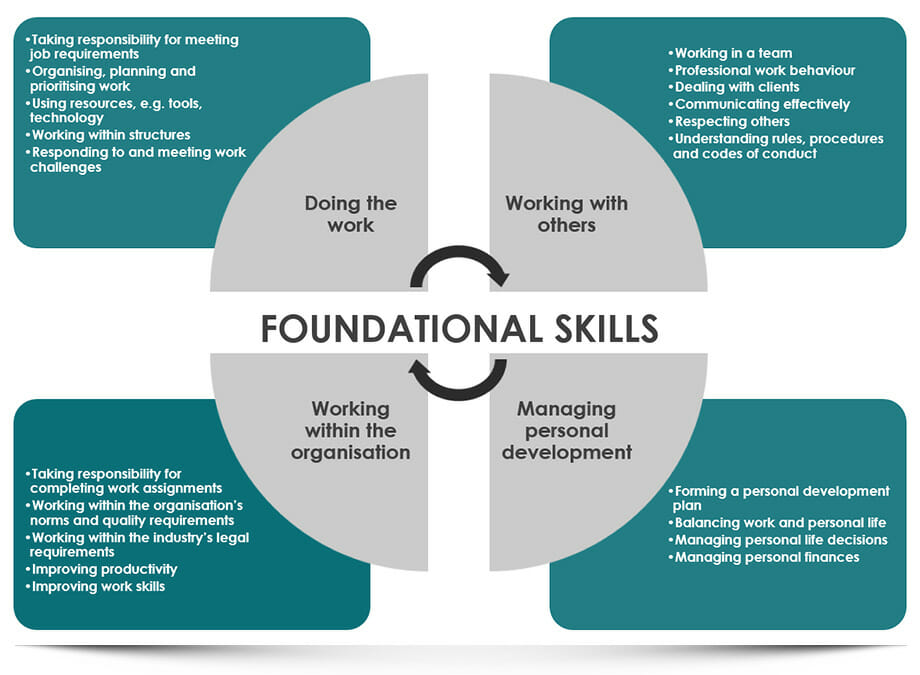
To thrive in this evolving environment, pharmaceutical reps will need a refined set of skills:
- Adaptability and Resilience: The ability to quickly adapt to new technologies, regulations, and market conditions is paramount.
- Advanced Digital Literacy: Proficiency in CRM, virtual meeting platforms, data analytics tools, and an understanding of AI applications will be essential.
- Deep Scientific Acumen: A robust understanding of the underlying science and clinical implications of products will remain non-negotiable, requiring continuous learning.
- Exceptional Communication and Empathy: The human element remains critical. The ability to build genuine rapport, listen actively, and communicate complex information clearly and empathetically will differentiate top performers.
- Strategic Business Thinking: Operating with an entrepreneurial mindset, leveraging data to drive strategy, and understanding the financial implications of their actions will be key.
In conclusion, the pharmaceutical sales representative’s role is far more intricate than often perceived. It demands a unique blend of scientific knowledge, communication prowess, strategic thinking, and technological fluency. As healthcare continues its rapid transformation, the pharma rep will remain an indispensable link, constantly adapting to ensure that medical innovations effectively reach the hands of those who can make the most difference: healthcare professionals dedicated to improving patient lives.
aViewFromTheCave is a participant in the Amazon Services LLC Associates Program, an affiliate advertising program designed to provide a means for sites to earn advertising fees by advertising and linking to Amazon.com. Amazon, the Amazon logo, AmazonSupply, and the AmazonSupply logo are trademarks of Amazon.com, Inc. or its affiliates. As an Amazon Associate we earn affiliate commissions from qualifying purchases.