
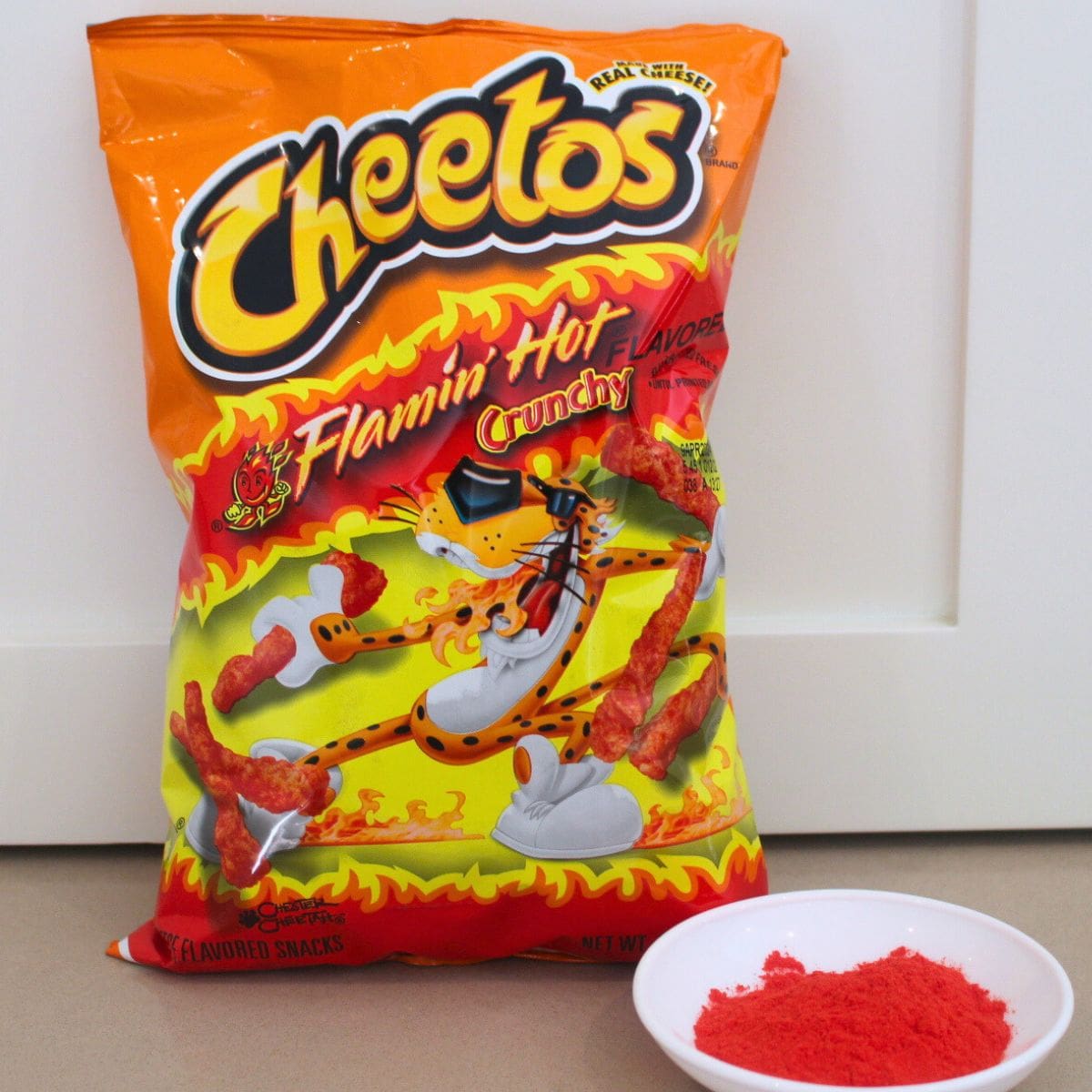
When a consumer picks up a bag of Flamin’ Hot Cheetos, the ingredient list on the back of the packaging tells a specific story: enriched cornmeal, vegetable oil, and a complex blend of malic acid, monosodium glutamate, and red peppers. However, from a brand strategy perspective, the physical ingredients are merely the vehicle for a much larger phenomenon.
To understand what Flamin’ Hot Cheetos are “made of” is to look beyond the chemistry of extrusion and flavor dusting. Instead, we must analyze the “brand ingredients” that have transformed a simple corn puff into a multi-billion-dollar cultural powerhouse. Flamin’ Hot Cheetos are built from a mixture of disruptive narrative-building, sensory marketing mastery, and a unique ability to foster community through cultural resonance.

The Foundation: Building a Narrative-Driven Identity
At the core of any enduring brand is a story that resonates with its audience. While many snacks rely on simple utility (alleviating hunger), Flamin’ Hot Cheetos built their empire on a narrative of rebellion, creativity, and the American dream.
The Power of the Origin Myth
The “ingredient” that arguably gave Flamin’ Hot Cheetos its initial momentum was the narrative of its creation. For years, the story of Richard Montañez—a janitor at Frito-Lay who reportedly flavored a batch of unflavored Cheetos with chili powder—served as the ultimate brand legend. While corporate historians have since debated the exact timeline, the narrative remains a cornerstone of the brand’s identity. It represents the “underdog” spirit. By associating the product with a grassroots, bottom-up innovation story, Frito-Lay successfully humanized a massive corporate entity. This narrative ingredient made the product feel “authentic” to a demographic that often feels overlooked by mainstream marketing.
Transcending the Snack Aisle: Cultural Relevance
Flamin’ Hot Cheetos are made of cultural relevance. Unlike other snacks that stay confined to the supermarket, this brand has migrated into fashion, music, and digital art. The brand strategy shifted years ago from selling a food item to selling a lifestyle. By embracing the “Hot Cheeto Girl” subculture and featuring in high-profile music videos and social media memes, the brand integrated itself into the visual language of the internet. This cultural integration acts as a moat; competitors can mimic the spice profile, but they cannot easily replicate the decades of cultural capital Frito-Lay has baked into the brand.
Visual and Sensory Branding: The Red Hot Aesthetic
A brand is a promise of a consistent experience, and the “ingredients” of the Flamin’ Hot Cheetos experience are designed to trigger visceral reactions. The brand’s visual and sensory identity is a masterclass in psychological marketing.
Color Psychology: The Power of “Cheetle”
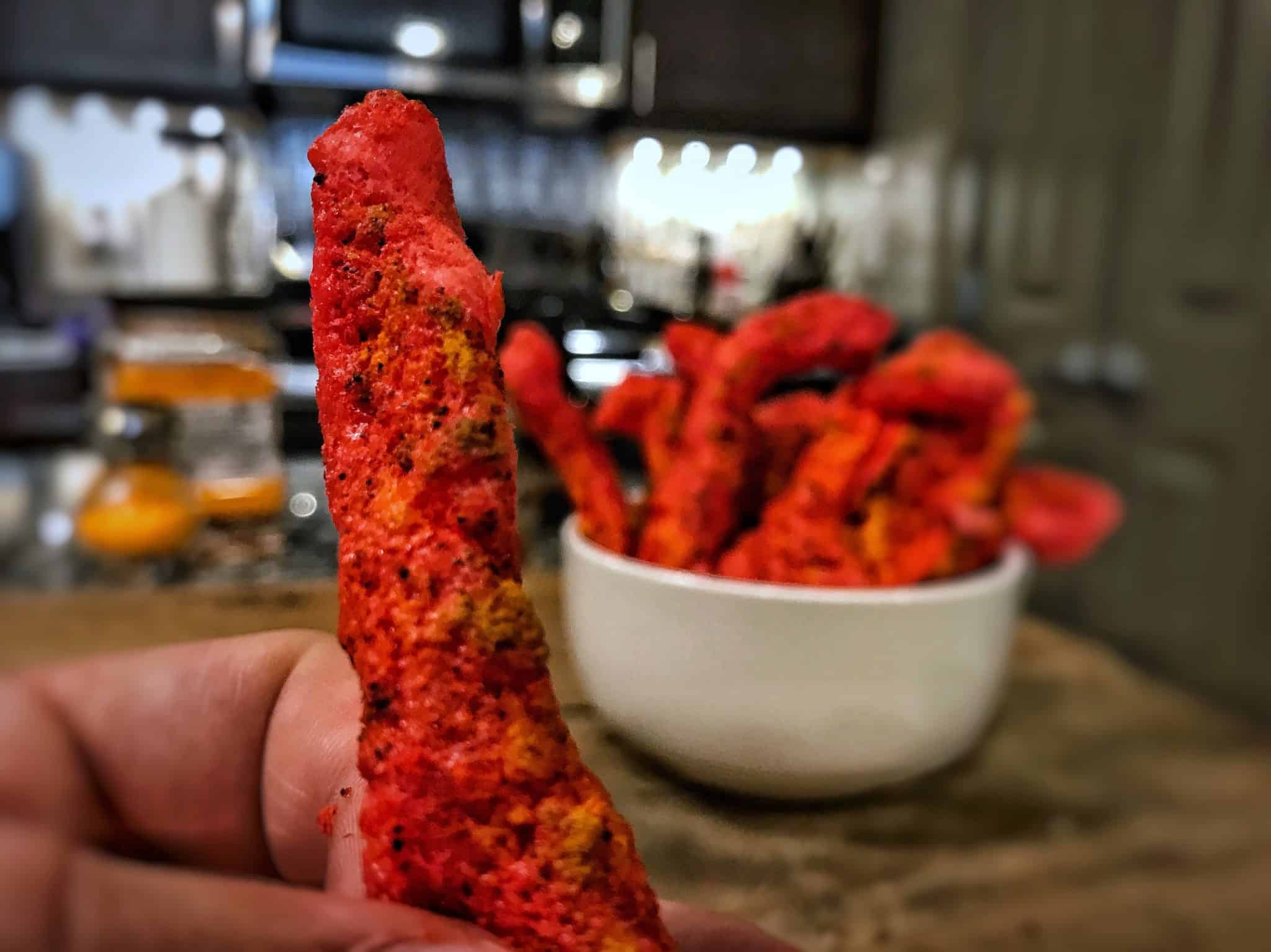
The most recognizable “ingredient” of the brand isn’t even in the bag—it’s on the consumer’s fingers. Frito-Lay strategically trademarked the term “Cheetle” to describe the neon-orange and red dust that clings to the skin. From a branding standpoint, this is a stroke of genius. Most brands want their products to be clean and convenient; Flamin’ Hot Cheetos embraced the mess. The “red finger” became a badge of honor, a visual signal of brand loyalty. The vibrant, aggressive red of the packaging and the product itself communicates intensity and excitement, separating it from the muted, “safe” colors of traditional potato chips.
Multi-Sensory Engagement and the “Challenge” Factor
The brand is also made of “intensity.” In marketing, this is referred to as sensory branding. The flavor profile isn’t just about heat; it’s about a specific acidity and “crunch” that creates a dopamine response. This has allowed the brand to pivot into the “Challenge Culture” of the 2010s and 2020s. By making the product inherently intense, Frito-Lay turned eating a snack into a performance. This performance is a key ingredient in their digital marketing strategy, as it encourages consumers to film their reactions, providing the brand with millions of dollars in free, user-generated advertising.
Community and Co-Creation: The Ingredient of Loyalty
Modern brand strategy is no longer a one-way conversation. To survive, a brand must be co-created with its audience. Flamin’ Hot Cheetos are made of the loyalty and creativity of their “super-fans.”
Leveraging User-Generated Content (UGC)
The brand strategy for Flamin’ Hot Cheetos has evolved to prioritize the consumer as the creator. Whether it is fans posting recipes for Hot Cheeto-crusted chicken or influencers creating makeup looks inspired by the bag’s design, the brand provides the “raw materials” for others to build upon. This creates a feedback loop where the brand listens to how the community uses the product and then validates that behavior through official marketing campaigns. This approach makes the consumer feel like an owner of the brand, which is the ultimate goal of corporate identity.
Collaborative Innovation: Partnerships and Expansion
Another vital ingredient in the brand’s success is its strategic use of brand extensions and collaborations. Flamin’ Hot is no longer just a flavor of Cheetos; it is a “flavor platform” owned by PepsiCo. By infusing the Flamin’ Hot brand into other products—like Mountain Dew, Taco Bell shells, and even luxury fashion collaborations with designers like Christian Cowan—the brand maintains its “edge” while expanding its market share. Each collaboration acts as a new “ingredient” that refreshes the brand’s image and prevents it from becoming a legacy product that younger generations find “stale.”
Strategic Evolution: Maintaining Edge in a Health-Conscious Market
One of the most difficult “ingredients” to manage in the Flamin’ Hot Cheetos brand recipe is longevity. As consumer preferences shift toward health and wellness, a brand built on neon-red dust and intense processing faces significant headwinds.
Navigating the “Guilty Pleasure” Niche
The brand is made of a calculated balance between “guilt” and “pleasure.” Frito-Lay has managed this by positioning the snack as a reward or an experience rather than a meal replacement. In their marketing, they emphasize the boldness of the choice. By doubling down on the “extreme” nature of the product, they have carved out a space where health-conscious trends don’t apply. They aren’t trying to be a “healthy” snack; they are the “ultimate” snack. This clarity of brand positioning ensures that they don’t lose their core identity while trying to please everyone.
Managing Brand Risk and Controversy
Finally, the brand is made of resilience. Over the years, Flamin’ Hot Cheetos have faced bans in schools and health scares related to the intensity of their ingredients. From a brand management perspective, the company’s response has been one of quiet confidence. They have not diluted the product or changed the recipe to satisfy critics. Instead, they have maintained the “forbidden fruit” allure that makes the product so attractive to teenagers and young adults. This refusal to back down is a critical part of their brand “toughness.”
Conclusion: The Recipe for Eternal Brand Hotness
When we ask what Flamin’ Hot Cheetos are made of, the answer is a sophisticated blend of corporate strategy and grassroots cultural movements. They are made of a compelling (if contested) origin myth, a sensory experience that demands to be shared, and a visual identity that is impossible to ignore.
The success of the brand lies in its transition from a commodity snack to a cultural symbol. By focusing on “Cheetle,” the “Red Finger,” and the “Underdog Story,” Frito-Lay created an emotional connection with consumers that transcends the physical ingredients in the bag. In the world of high-level branding, the product is just the beginning. The true ingredients are the stories we tell, the communities we build, and the bold, unapologetic identity we project to the world. Flamin’ Hot Cheetos didn’t just find a gap in the market; they created a fire that continues to burn across the global consumer landscape.
aViewFromTheCave is a participant in the Amazon Services LLC Associates Program, an affiliate advertising program designed to provide a means for sites to earn advertising fees by advertising and linking to Amazon.com. Amazon, the Amazon logo, AmazonSupply, and the AmazonSupply logo are trademarks of Amazon.com, Inc. or its affiliates. As an Amazon Associate we earn affiliate commissions from qualifying purchases.