
In the global marketplace of fashion, few items carry as much symbolic weight, psychological power, and branding potential as the high heel. While fundamentally a piece of footwear, the high heel has transcended its utilitarian origins to become a masterclass in brand strategy, corporate identity, and aspirational marketing. For a brand, deciding “what high heels” to produce is not merely a design choice; it is a strategic positioning move that defines their place in the luxury hierarchy.
This article explores the high heel through the lens of brand strategy, examining how iconic labels utilize design language, psychological triggers, and market positioning to turn a physically demanding garment into a global symbol of status and power.
The Iconic Silhouette: Designing a Visual Identity
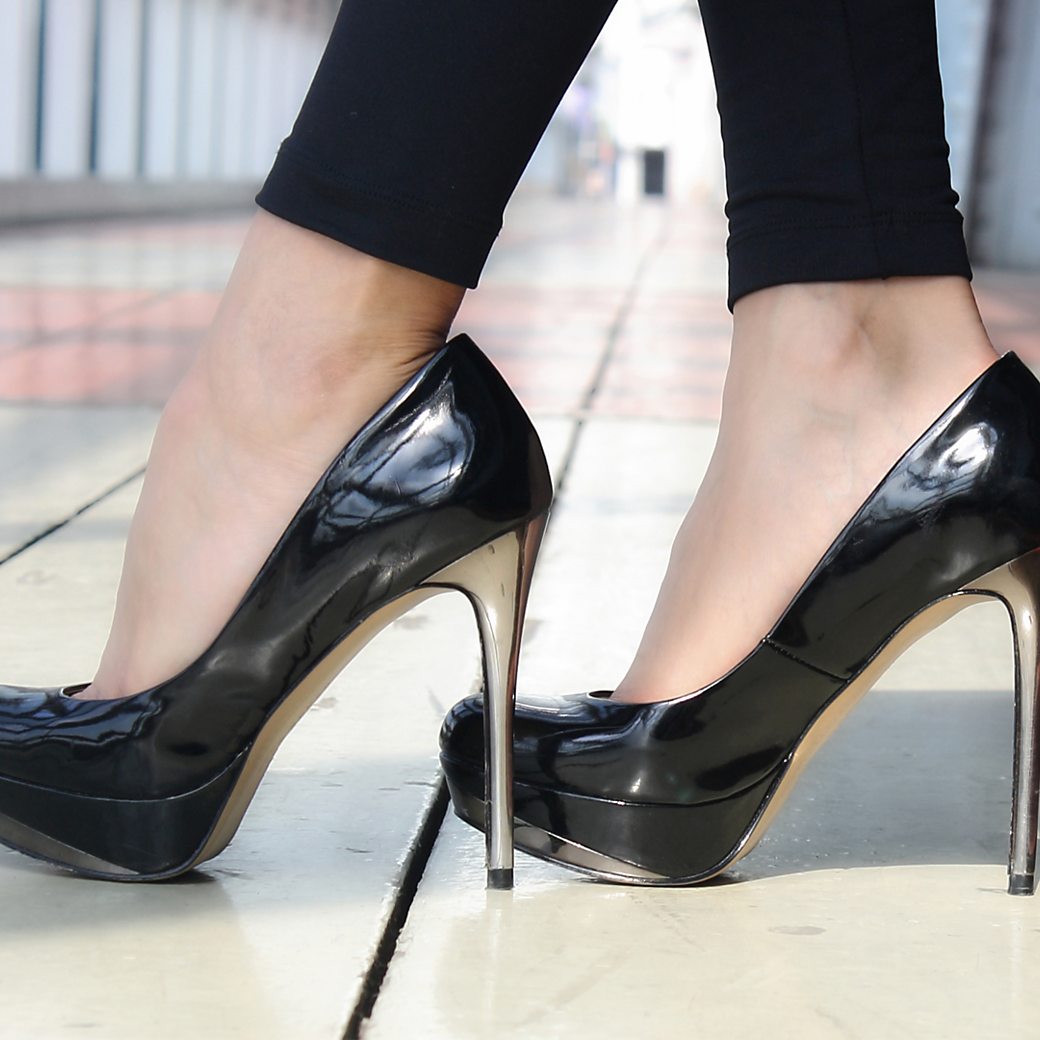
In the world of luxury branding, a product must be recognizable even without a visible logo. The silhouette of a high heel is one of the most identifiable shapes in design history, and successful brands have learned to “own” specific elements of this geometry to create a lasting corporate identity.
The Red Sole: Louboutin’s Trademark Mastery
Perhaps the most famous example of brand strategy within the footwear industry is Christian Louboutin’s red lacquered sole. By claiming a color—specifically Pantone 18-1663 TPX—and applying it to a specific part of the shoe, Louboutin created a “silent logo.” This strategy allows the brand to maintain an air of exclusivity while ensuring instant brand recognition from a distance. From a strategic standpoint, this is a brilliant move in trademark law and visual branding; it turns every customer into a walking billboard for the brand’s identity without the need for gaudy monograms.
Form Over Function? The Paradox of Aspirational Design
In brand strategy, the “pain” or “difficulty” of a product can sometimes enhance its value. High heels are often criticized for their lack of ergonomic comfort, yet luxury brands lean into this. The strategy here is to position the shoe as a piece of “wearable art” rather than a practical tool. When a brand like Saint Laurent or Balenciaga designs a heel that looks gravity-defying, they are communicating a message of avant-garde elitism. The brand identity becomes synonymous with the idea that the wearer prioritizes aesthetics and status over the mundane concerns of physical comfort.
Signature Accents and the Heritage Narrative
Beyond the sole, brands use specific hardware—like the Valentino Rockstud or the Gucci Horsebit—to anchor their high heels in a heritage narrative. These design elements serve as “brand codes.” For a new brand entering the space, identifying what unique visual anchor their high heels will carry is the most critical step in building a recognizable corporate identity. It is the difference between being a “commodity” shoe and a “branded” icon.
Market Positioning: Why Consumers Pay for Status
The high heel market is a textbook study in the “Veblen Effect,” where the demand for a good increases as its price rises, primarily because it serves as a symbol of high social status. Brand strategy in this niche focuses heavily on justifying premium price points through the lens of exclusivity and craftsmanship.
The Scarcity Principle in Luxury Footwear
Luxury brands often limit the production of certain high heel designs to create artificial scarcity. By ensuring that a specific “it-shoe” is difficult to obtain, the brand increases the perceived value of the product. This strategy is frequently seen during Fashion Weeks, where specific heels are debuted on the runway but made available only to a select group of VIP clients. This creates a “trickle-down” desire that fuels the sales of the brand’s more accessible, permanent collections.
High Heels as a Gateway to the High-End Lifestyle
For many luxury conglomerates (such as LVMH or Kering), high heels serve as a “gateway product.” While a consumer might not be able to afford a $5,000 bespoke gown, they may save for a $900 pair of designer heels. Strategic brand positioning ensures that these shoes offer the same “brand DNA” as the couture line. By owning a pair of high-end heels, the consumer feels they have gained entry into the brand’s exclusive world. This is a vital component of brand architecture: maintaining a high-prestige flagship while offering accessible entry points that do not dilute the brand’s elite status.
The Resale Value and Investment Branding
Modern brand strategy now accounts for the “secondary market.” Brands like Jimmy Choo or Manolo Blahnik maintain their value because the brand itself is perceived as an investment. When a brand manages its identity correctly, its products do not just “depreciate”; they become vintage assets. This perception of longevity is a key marketing pillar, reassuring the consumer that their high-priced purchase is a financially sound “investment” in their personal brand.

The Psychology of Branding through Elevating Design
Effective branding is never just about the product; it is about the story the consumer tells themselves when they use it. High heels are a potent tool for psychological branding because they literally and figuratively elevate the wearer.
Power Dressing and Professional Identity
In the corporate world, the high heel has long been a component of “power dressing.” Brands that target the professional demographic—such as Prada or Gianvito Rossi—focus their strategy on themes of authority, precision, and sophistication. The branding emphasizes clean lines and structural integrity. By wearing these shoes, a professional woman is not just choosing footwear; she is adopting a brand identity that communicates competence and command.
Emotional Connection: More Than Just a Shoe
The most successful shoe brands tap into the emotional narratives of their audience. Consider the cultural impact of Manolo Blahnik through the television series Sex and the City. The brand became more than a manufacturer; it became a character in the consumer’s life story. This is “narrative branding”—the process of embedding a product into the cultural zeitgeist so deeply that the brand name becomes synonymous with a specific lifestyle or emotional milestone (like a wedding or a promotion).
Height as a Metaphor for Success
Brand strategists often use the physical height of the heel as a metaphor for the height of one’s career or social standing. Marketing campaigns for high heels rarely focus on the ground; they focus on skyscrapers, stages, and red carpets. This aspirational positioning links the brand to the concept of “upward mobility.” The brand isn’t selling a shoe; it’s selling the view from the top.
Digital Transformation and Brand Longevity
As the market shifts toward digital consumption, the branding strategies for high heels have had to evolve. The visual nature of the product makes it perfect for the “attention economy,” but it also requires a shift in how brand stories are told.
Influencer Marketing and the Virtual Catwalk
In the past, brand identity was controlled by high-fashion magazines. Today, it is shaped on Instagram and TikTok. Brands now design heels specifically to be “Instagrammable.” This means prioritizing bold colors, unique textures, and silhouettes that photograph well from a smartphone’s perspective. The strategy has shifted from “how does this feel in the store?” to “how does this look in a 15-second video?” This digital-first branding ensures the product remains relevant to a younger, tech-savvy audience.
Sustainability: The New Frontier for Heritage Brands
A significant challenge for modern brand strategy is the demand for ethical production. High-end heel brands are currently navigating the transition to sustainable luxury. Branding “vegan leather” or “recycled heels” as high-status items is the next great marketing hurdle. Labels that successfully integrate sustainability into their core identity—without losing the “glamour” associated with high heels—will be the ones that survive the next decade. This involves a total rebranding of “luxury” from “excess” to “responsibility.”
Customization and the “Brand of One”
The future of brand strategy in the footwear space lies in hyper-personalization. High-end brands are increasingly offering “made-to-order” services where clients can choose the height, material, and embellishments of their heels. This strategy moves the brand away from mass production and back toward its roots in artisanal craftsmanship. By allowing the consumer to participate in the design process, the brand fosters a deeper level of loyalty and creates a unique personal brand alignment between the wearer and the label.

Conclusion
The question of “what high heels” a brand produces is a complex intersection of art, psychology, and ruthless business strategy. From the trademarked red soles of Louboutin to the power-dressing narratives of Prada, high heels serve as a primary vehicle for communicating brand values and social status.
In an era where consumer choices are increasingly driven by identity and values, the high heel remains a resilient symbol of aspirational branding. By mastering the balance between iconic design, strategic pricing, and emotional storytelling, footwear brands do more than just sell shoes—they build enduring legacies that lift their customers, quite literally, above the crowd. The high heel is not just a fashion statement; it is a meticulously engineered pillar of corporate and personal branding.
aViewFromTheCave is a participant in the Amazon Services LLC Associates Program, an affiliate advertising program designed to provide a means for sites to earn advertising fees by advertising and linking to Amazon.com. Amazon, the Amazon logo, AmazonSupply, and the AmazonSupply logo are trademarks of Amazon.com, Inc. or its affiliates. As an Amazon Associate we earn affiliate commissions from qualifying purchases.