
Hard water, a common household reality for millions, poses a silent but significant threat to hair health. Characterized by a high concentration of dissolved minerals, primarily calcium and magnesium, it leaves a noticeable impact that extends far beyond just limescale on fixtures. For those seeking vibrant, healthy hair, understanding this challenge and leveraging cutting-edge technology for mitigation is paramount. This article delves into the precise ways hard water affects hair and explores the innovative tech solutions available to combat its damaging effects, ensuring your hair remains a testament to health and vitality.
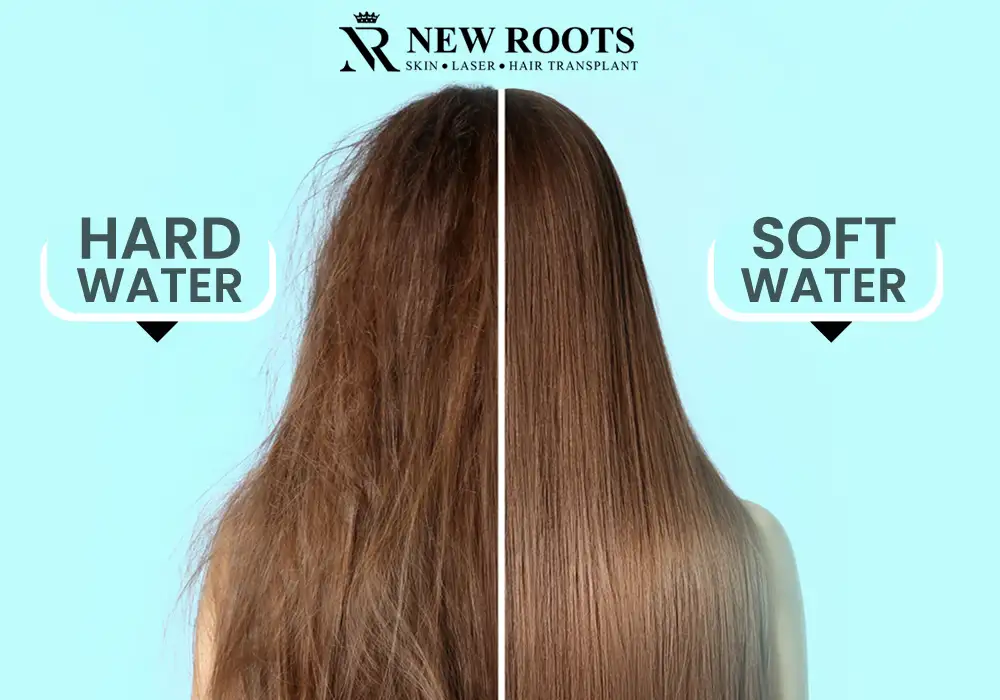
Understanding the Enemy: The Science Behind Hard Water’s Impact
To effectively combat hard water, it’s essential to grasp the mechanisms through which it damages hair. The mineral content in hard water isn’t inert; it actively interacts with hair strands and scalp, leading to a cascade of undesirable outcomes.
Mineral Buildup and Its Effects
When hair is repeatedly washed with hard water, the dissolved calcium and magnesium ions don’t rinse away completely. Instead, they bind to the hair shaft, forming a microscopic layer of mineral buildup. This accumulation has several detrimental effects:
- Dullness and Lack of Luster: The mineral coating prevents light from reflecting off the hair’s surface, resulting in a dull, lifeless appearance. Hair loses its natural shine and vibrancy.
- Rough Texture and Tangling: The mineral deposits make the hair cuticle rough and raised, causing individual strands to snag and tangle more easily. This increased friction leads to knotting, especially during washing and styling.
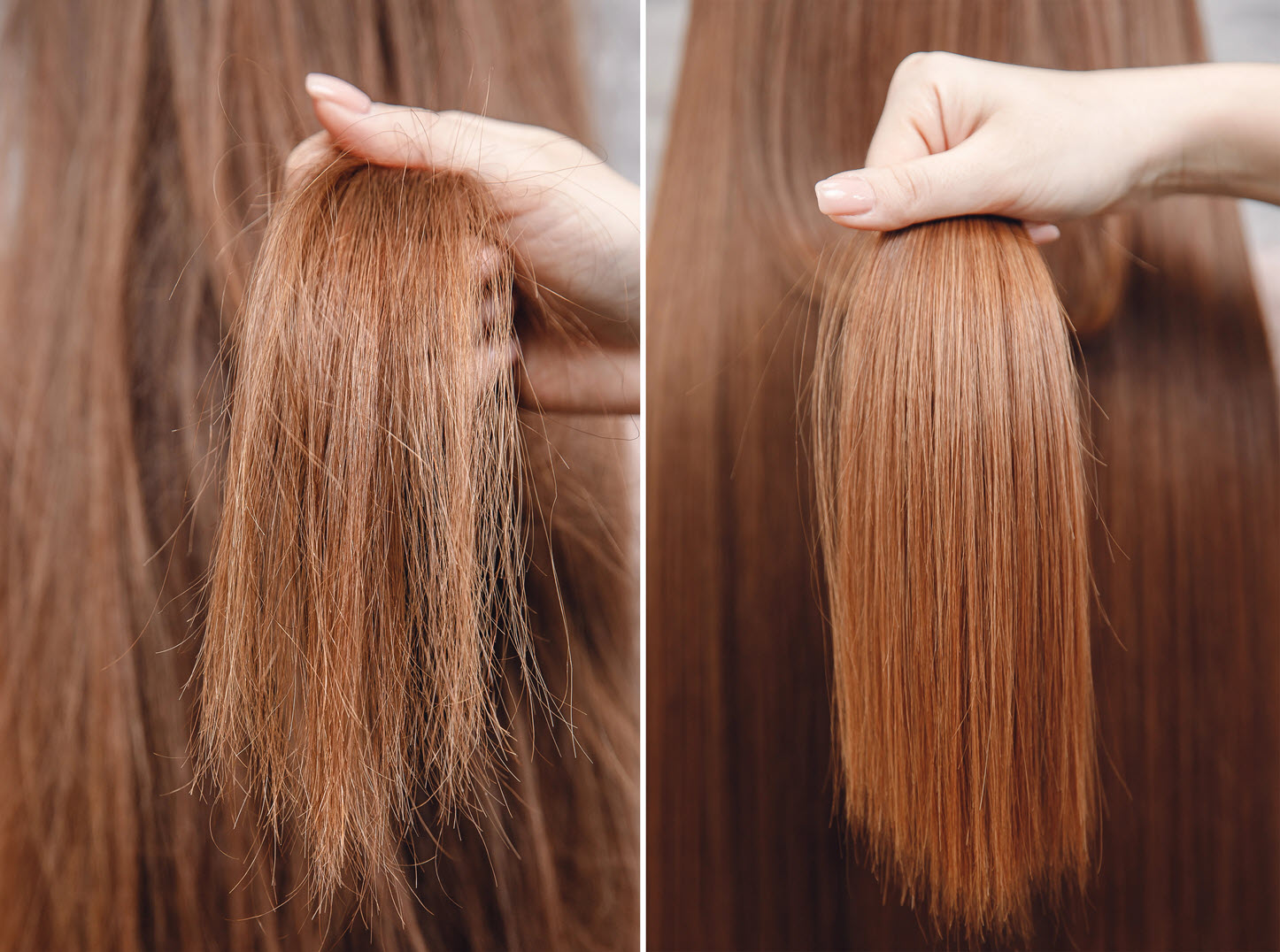
- Dryness and Brittleness: The mineral layer can also interfere with the hair’s ability to absorb moisture from conditioners and treatments. It effectively creates a barrier, leading to dehydrated, brittle hair that is more prone to breakage and split ends. Over time, this can significantly weaken hair structure.
- Reduced Effectiveness of Hair Products: Shampoos and conditioners struggle to perform their intended functions when battling mineral buildup. Surfactants in shampoos cannot effectively cleanse, and conditioning agents cannot adequately penetrate the hair shaft, leading to wasted product and diminished results.
pH Imbalance and Scalp Health
Beyond the hair shaft itself, hard water also impacts the scalp environment. The typical pH of hard water is often higher than the natural, slightly acidic pH of the human scalp (around 4.5-5.5). This alkalinity can disrupt the scalp’s delicate microbiome, leading to:
- Dry, Itchy Scalp: An imbalanced pH can strip the scalp of its natural oils, leading to dryness, irritation, and flakiness. This can manifest as an itchy scalp or even contribute to conditions like dandruff.
- Follicle Blockage: Mineral deposits can accumulate around hair follicles, potentially blocking them and impeding healthy hair growth. In some cases, this can contribute to thinning hair or slowed growth.
- Increased Sensitivity: A compromised scalp barrier, due to pH imbalance, can make the scalp more sensitive to other environmental aggressors or hair products, potentially leading to further irritation.
First Line of Defense: Advanced Showerhead Filtration Systems
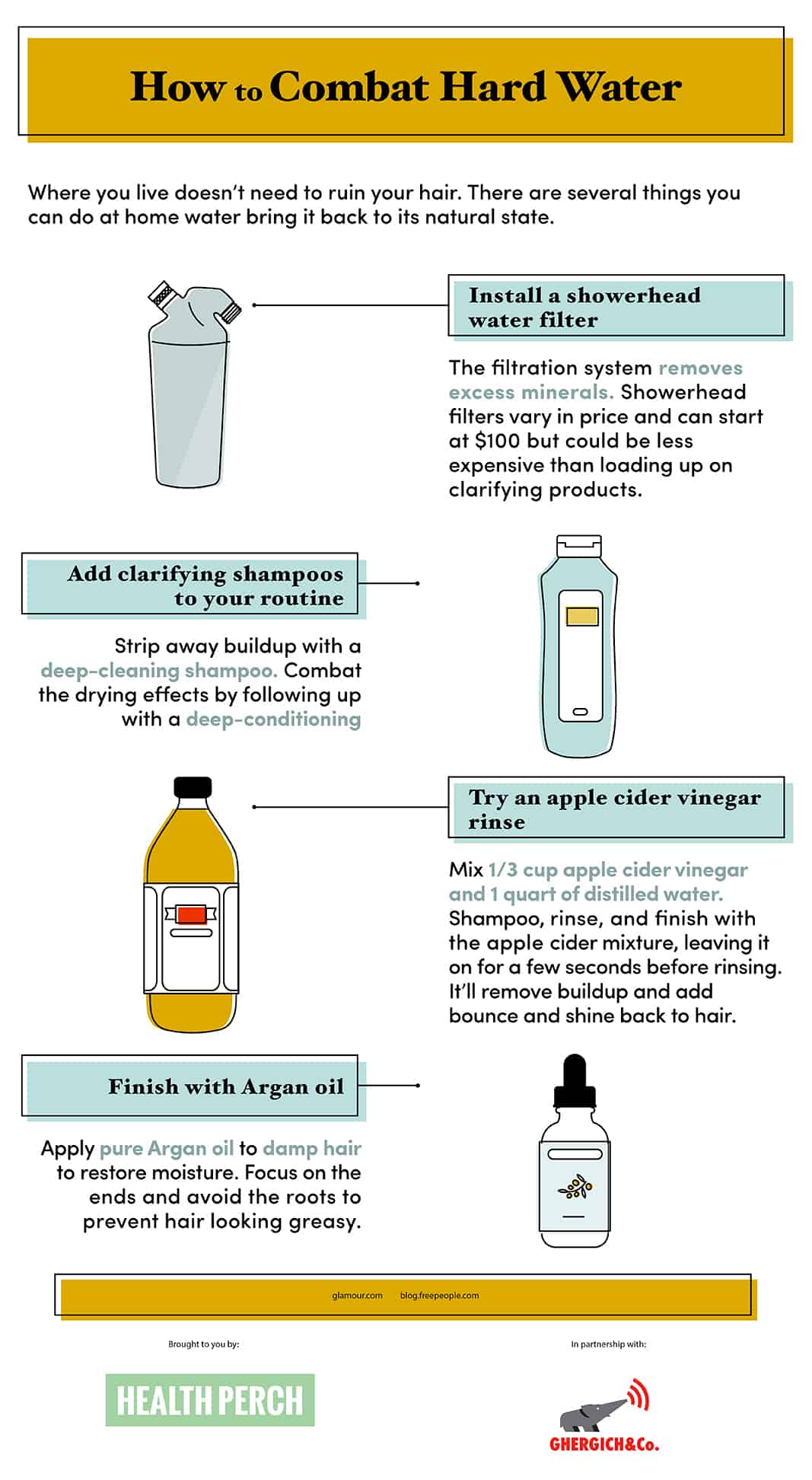
For many, the most accessible and immediate technological intervention against hard water is an advanced showerhead filtration system. These devices are engineered to reduce mineral content directly at the point of use, offering a targeted solution for hair and skin.
Multi-Stage Filtration Technologies
Modern shower filters employ sophisticated multi-stage filtration to tackle a range of contaminants, including the hard water minerals that plague hair.
- KDF (Kinetic Degradation Fluxion) Media: A cornerstone of many effective shower filters, KDF media uses a redox (reduction-oxidation) process to reduce chlorine, heavy metals (like lead and mercury), and inhibit the growth of bacteria, fungi, and algae. While primarily focused on chlorine, KDF can also interact with some dissolved minerals, making them less reactive.
- Calcium Sulfite: Highly effective at removing chlorine from hot water, calcium sulfite is often integrated into multi-stage filters to ensure comprehensive protection, as chlorine can also exacerbate hair dryness and damage.
- Activated Carbon: This porous material excels at adsorbing organic compounds, chemicals, and some heavy metals, further purifying the water.
- Ceramic Balls/Infrared Mineral Balls: Some filters incorporate ceramic or mineral balls designed to release beneficial minerals or further alter the water structure, though their primary role in hard water softening is often secondary to KDF.
The combination of these technologies ensures that the water cascading over your hair has significantly fewer harsh minerals and chemicals, leading to softer, healthier strands right out of the shower.
Smart Features and Longevity
Beyond basic filtration, some showerhead systems are integrating smart features. While not as prevalent as in whole-house systems, some models offer:
- Filter Life Indicators: Digital displays or color-changing indicators that alert users when it’s time to replace the filter cartridge, ensuring continuous efficacy.
- Easy Installation: Designed for user-friendly attachment, these systems often require no plumbing expertise, making them a popular DIY solution.
- Durable Materials: Constructed from robust, corrosion-resistant materials to withstand constant water exposure and ensure longevity.
Comprehensive Protection: Whole-House Water Softening Technology
While shower filters offer localized relief, a whole-house water softening system provides the most comprehensive and effective technological solution to hard water problems, benefiting every tap in your home – including those for hair washing. These systems are significant investments but offer unparalleled protection.
Ion-Exchange and Salt-Free Systems
The core technology behind most whole-house water softeners falls into two main categories:
- Ion-Exchange Softeners (Salt-Based): These are the most common and effective type. They operate by housing a resin bed containing negatively charged beads. As hard water flows through the resin, positively charged calcium and magnesium ions (the culprits of hard water) are attracted to and cling to these beads, exchanging places with sodium ions. When the resin becomes saturated with hard minerals, the system regenerates by flushing the resin with a concentrated brine solution (salt water), which flushes the calcium and magnesium down the drain and recharges the resin with sodium ions. This process effectively removes hard minerals from the entire water supply.
- Salt-Free Water Conditioners/Descalers: These systems don’t technically “soften” water by removing minerals. Instead, they use various technologies (e.g., Template Assisted Crystallization (TAC), electromagnetic fields, or catalytic media) to change the crystalline structure of calcium and magnesium minerals. This prevents them from adhering to surfaces (like hair and pipes) and forming scale, but the minerals remain in the water. While beneficial for appliance longevity, their direct impact on hair’s softness and lathering ability might be less pronounced than traditional salt-based softeners, as the minerals are still present. However, they can still significantly reduce mineral buildup on hair.
IoT Integration and Remote Monitoring
The latest generation of whole-house water softeners often incorporates advanced digital and IoT (Internet of Things) features:
- Smart Regeneration Cycles: These systems learn your household’s water usage patterns and optimize regeneration cycles, consuming less salt and water. Some can predict peak usage and regenerate proactively.
- Remote Monitoring and Control: Via smartphone apps, users can monitor water usage, track salt levels, receive alerts for low salt, initiate manual regeneration cycles, and even troubleshoot issues from anywhere. This level of control ensures optimal performance and reduces maintenance guesswork.
- Water Leak Detection: Some advanced systems include sensors that can detect leaks anywhere in the home’s plumbing system, immediately alerting homeowners and potentially preventing costly water damage.
- Usage Data Analytics: Detailed reports on water consumption and softener performance allow homeowners to make informed decisions about water conservation and system efficiency.
Beyond Filtration: Tech-Driven Hair Care Innovations
While addressing the water source is crucial, technology is also innovating within hair care itself, offering tools and treatments that can help mitigate or even reverse the effects of hard water damage.
Diagnostic Tools and Personalized Treatments
The rise of AI and advanced diagnostics is revolutionizing personalized hair care.
- Digital Hair Analysis: Handheld devices or smartphone apps equipped with microscopic cameras can analyze hair and scalp health, identifying issues like mineral buildup, dryness, or follicle health. This data can then inform customized product recommendations.
- AI-Powered Formulations: Some brands are leveraging AI to create bespoke shampoos and conditioners based on individual hair needs, water quality (which can be measured or reported), and lifestyle. These formulations might include chelating agents specifically designed to bind with and remove hard water minerals from hair.
- At-Home Water Testing Kits: Simple, tech-enabled kits allow consumers to test their home’s water hardness accurately, providing precise data to inform their choice of water treatment or hair care products.
Ionic Hairdryers and Styling Tools
Even styling tools are incorporating technology to combat hard water-induced dryness.
- Ionic Technology: Ionic hairdryers and styling irons emit negatively charged ions that interact with the positively charged water molecules on damp hair. This helps to break down water molecules quickly, reducing drying time and sealing the hair cuticle. A sealed cuticle retains moisture better, counteracting the dehydrating effects of hard water, and also results in smoother, shinier hair.
- Infrared Heat: Some tools utilize infrared heat, which penetrates the hair shaft more gently and dries it from the inside out, reducing heat damage and preserving moisture, a crucial benefit for hair already stressed by hard water minerals.
Making the Smart Choice: Evaluating Tech Solutions for Your Home
Selecting the right technological defense against hard water depends on several factors, including your water hardness level, budget, and desired level of convenience.
- Assess Your Water Hardness: Begin by testing your water. Local water reports or home testing kits can provide the necessary data to understand the severity of your hard water problem.
- Consider Your Needs: For localized relief and a lower initial investment, an advanced showerhead filter is an excellent starting point. For comprehensive protection throughout your entire home and maximum benefits for hair, skin, and appliances, a whole-house water softener is the superior long-term solution.
- Evaluate System Features: Compare the filtration stages, regeneration efficiency, salt consumption (for ion-exchange systems), and smart home integration options. Look for systems with certifications from reputable organizations like the Water Quality Association (WQA).
- Factor in Installation and Maintenance: While shower filters are DIY, whole-house systems typically require professional installation and ongoing salt replenishment (for salt-based systems) or filter replacements.
By strategically implementing these tech solutions, you can transform your water, safeguard your hair from the damaging effects of hard water minerals, and maintain a vibrant, healthy mane that reflects true vitality. The era of fighting hard water with outdated methods is over; embrace the future with smart, effective water technology.
aViewFromTheCave is a participant in the Amazon Services LLC Associates Program, an affiliate advertising program designed to provide a means for sites to earn advertising fees by advertising and linking to Amazon.com. Amazon, the Amazon logo, AmazonSupply, and the AmazonSupply logo are trademarks of Amazon.com, Inc. or its affiliates. As an Amazon Associate we earn affiliate commissions from qualifying purchases.