
Silver dimes hold a unique place in the landscape of American coinage, representing not just monetary units but tangible links to a bygone era when U.S. currency was backed by precious metals. For many, discovering a stash of old dimes prompts the immediate question: “What are they worth?” The answer is multifaceted, hinging on a combination of their intrinsic silver content, their numismatic rarity, and their condition. Understanding these factors is crucial for anyone looking to appraise or invest in these small but potentially valuable pieces of history.
The Intrinsic Value: Silver Content and Melt Value
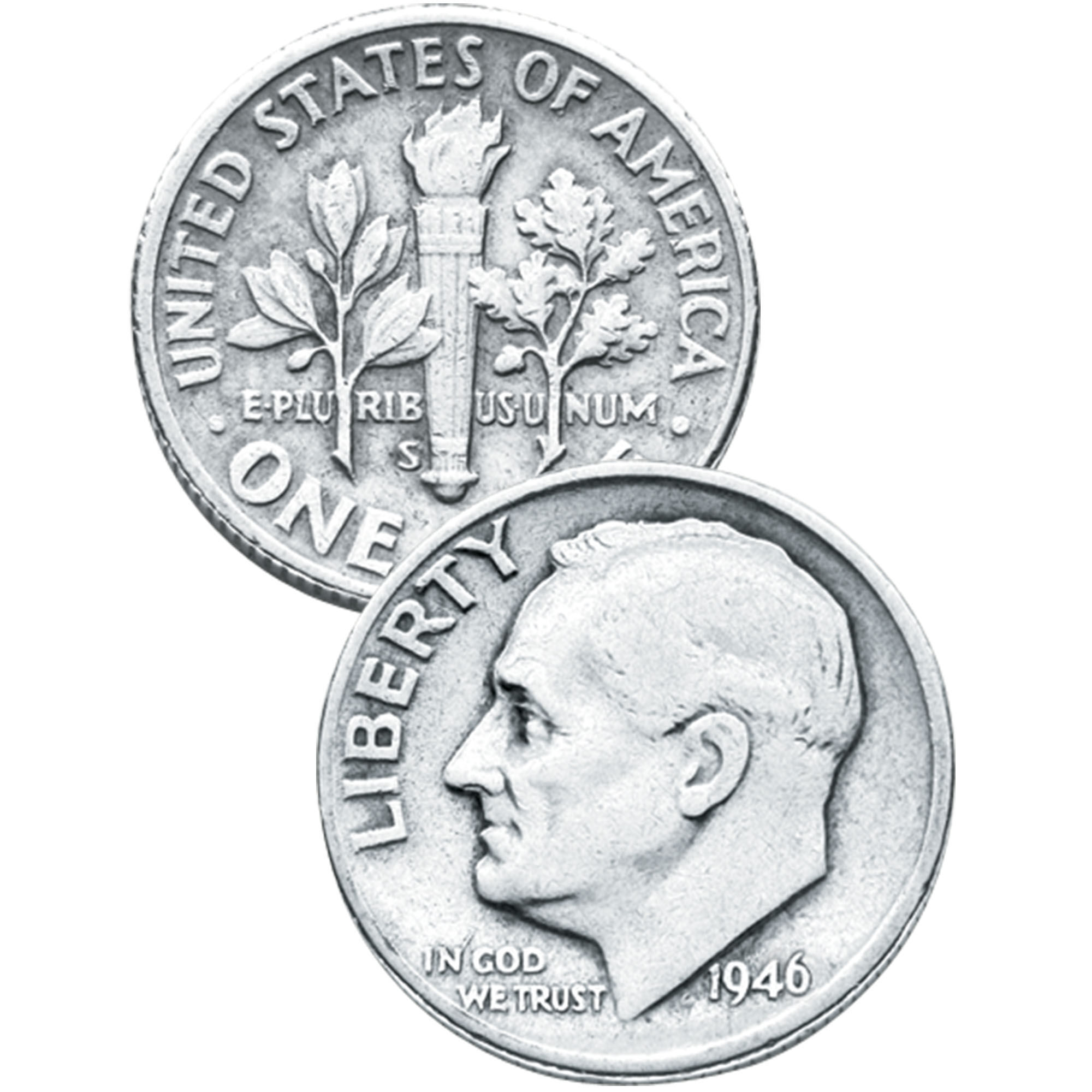
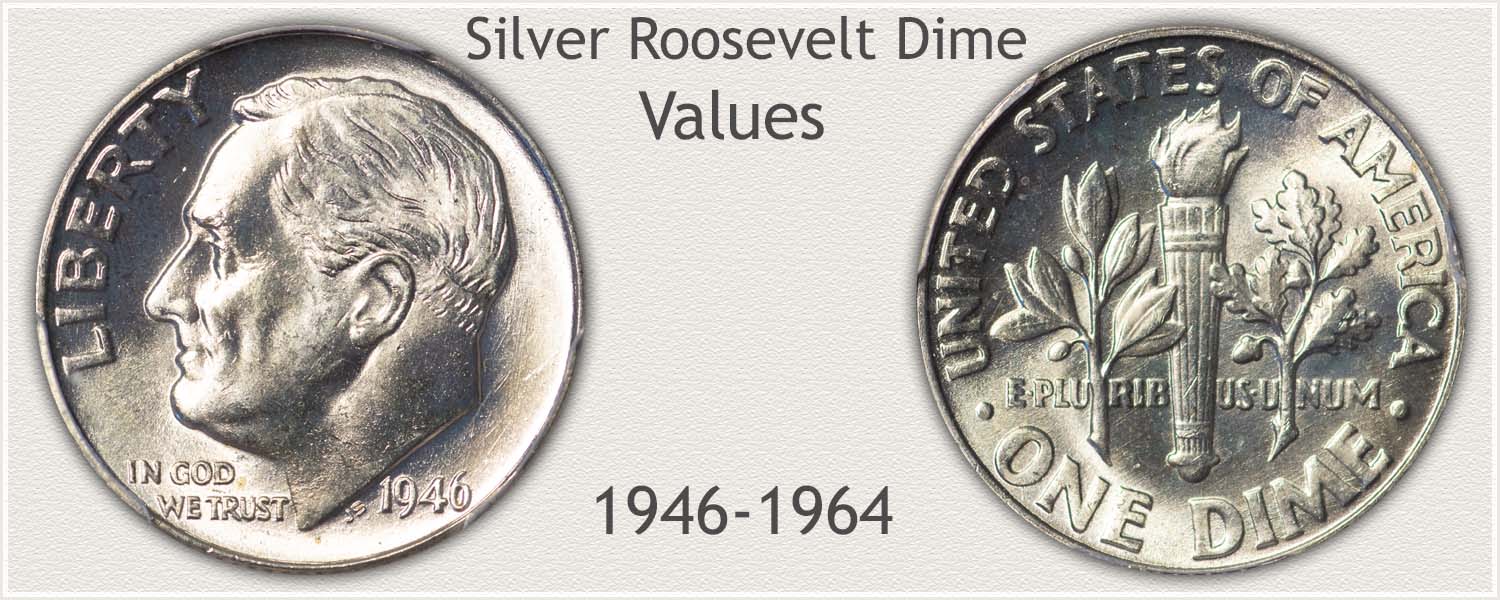
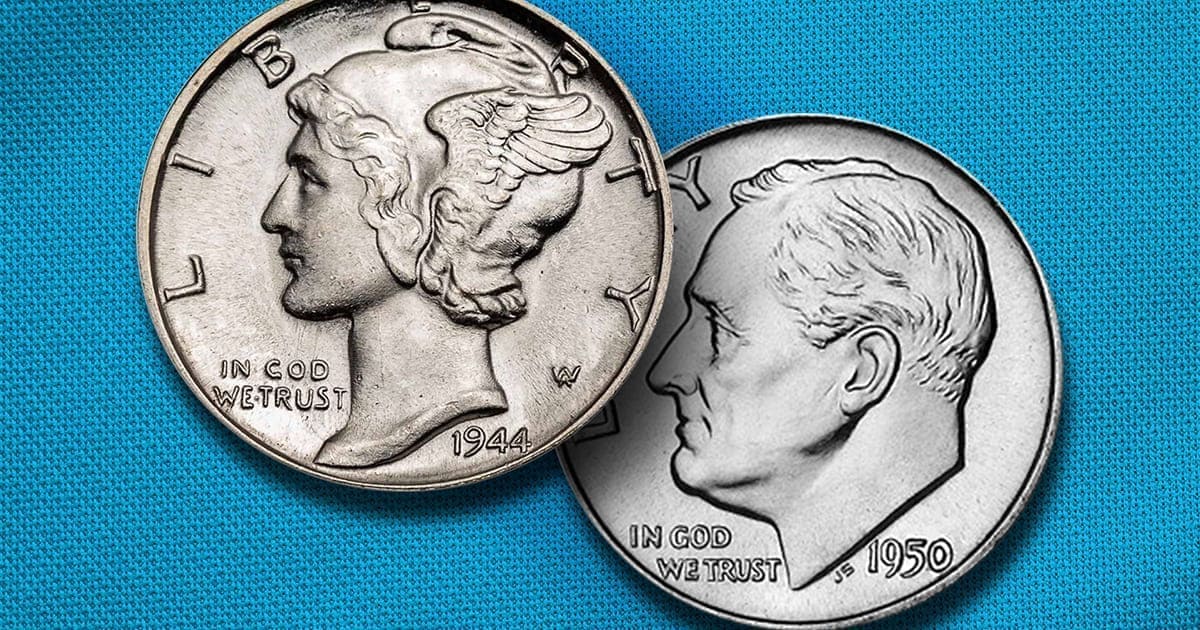
The most fundamental aspect of a silver dime’s worth is its precious metal content. All U.S. dimes minted before 1965 were composed of 90% silver and 10% copper. This includes three distinct series: Barber Dimes (1892-1916), Mercury Dimes (1916-1945), and Roosevelt Dimes (1946-1964). After 1964, dimes transitioned to a copper-nickel clad composition, rendering them virtually worthless beyond their face value for their metal content.
Calculating Melt Value
Each 90% silver dime contains approximately 0.0723 troy ounces of pure silver. This standard weight allows for a straightforward calculation of its “melt value,” which is the value of the silver contained within the coin, should it be melted down. This value fluctuates daily with the global spot price of silver.
To determine the melt value:
- Find the current spot price of silver: This is typically quoted in U.S. dollars per troy ounce. Financial news websites, commodity exchanges, and precious metals dealers are reliable sources.
- Multiply by the silver content per dime: (Current Silver Spot Price per Troy Ounce) * 0.0723.
For example, if silver is trading at $25 per troy ounce, a 90% silver dime would have a melt value of approximately $25 * 0.0723 = $1.8075. This melt value represents the absolute floor for the coin’s worth and is often the primary driver of value for common date silver dimes in circulated condition. Investors looking to acquire silver for its precious metal content often buy “junk silver” (common date 90% silver coins) at a slight premium above melt value.
Numismatic Value: Rarity, Key Dates, and Mint Marks
While melt value provides a baseline, many silver dimes command a price significantly higher due to their numismatic value. This premium is driven by factors such as rarity, historical significance, and demand from collectors.
Identifying Key Dates and Varieties
Certain dates and mint mark combinations are considerably rarer than others, leading to substantial premiums. Low mintage figures, errors during production, or specific historical events can contribute to a coin’s scarcity. Some notable examples include:
- 1895-O Barber Dime: One of the rarest Barber Dimes due to a very low mintage at the New Orleans mint.
- 1916-D Mercury Dime: The inaugural year for the Mercury dime at the Denver mint saw an extremely limited production, making it a highly sought-after coin. Its distinct “D” mint mark is located on the reverse, to the left of the fasces.
- 1942/1-D Mercury Dime: A famous “overdate” error where a 1942 die was punched over a 1941 die, resulting in a visible “2 over 1.” This variety is identifiable under magnification.
- Proof Dimes: Special collector’s editions, often produced in smaller quantities and with higher quality strikes, also carry significant premiums.
Collectors often use specialized reference books like A Guide Book of United States Coins (the “Red Book”) or online databases to research specific dates, mint marks, and known varieties.
The Role of Mint Marks
Mint marks indicate where a coin was produced. Common mint marks for silver dimes include:
- P: Philadelphia (sometimes no mark before 1979)
- D: Denver
- S: San Francisco
- O: New Orleans (used for Barber Dimes)
- CC: Carson City (used for Barber Dimes)
The presence and clarity of a mint mark can drastically alter a coin’s value, as some mints produced far fewer coins in certain years.
Grading and Condition: A Critical Factor
A coin’s condition is paramount in determining its numismatic worth. Even a rare date will fetch a higher price in excellent condition compared to a heavily circulated or damaged example. Coin grading is a specialized skill that assesses the amount of wear, surface preservation, strike quality, and eye appeal.
Understanding the Sheldon Scale
Professional coin grading utilizes the Sheldon Scale, which ranges from 1 (Poor/Basal State) to 70 (Perfect Mint State). Key categories include:
- Poor (PO-1) to Fair (FR-2): Barely recognizable, heavy wear.
- About Good (AG-3) to Good (G-4): Major details worn flat, only outlines visible.
- Very Good (VG-8) to Fine (F-12): Some major details visible, but significant wear.
- Very Fine (VF-20) to Extremely Fine (XF-40): Clearer details, some original luster may be present in protected areas.
- About Uncirculated (AU-50 to AU-58): Traces of wear on high points, most original luster intact.
- Uncirculated (MS-60 to MS-70): No signs of wear, full original luster. Mint State (MS) coins are further distinguished by attributes like “Full Bands” (for Mercury Dimes) or “Full Torch” (for Roosevelt Dimes), indicating a complete strike on key design elements, which can add significant value.
Professional Grading Services
For valuable or potentially valuable silver dimes, especially those with numismatic premium potential, professional grading is highly recommended. The two most reputable third-party grading services are:
- Professional Coin Grading Service (PCGS)
- Numismatic Guaranty Company (NGC)
These services encapsulate coins in sealed, tamper-evident holders (“slabs”) and provide a certified grade, offering authenticity and condition assurance to buyers and sellers. While there is a fee for these services, it often pays for itself by increasing buyer confidence and securing a higher market price for accurately graded coins.
Market Dynamics and Selling Your Silver Dimes
Once you’ve assessed the potential value of your silver dimes, the next step is to understand the market and how to effectively sell them.
Where to Sell
- Local Coin Shops: A good starting point for immediate cash, especially for common date “junk silver.” However, offers may be lower than market value to account for the dealer’s profit margin.
- Precious Metals Dealers: Ideal for selling bulk quantities of common date silver dimes purely for their melt value. They often provide competitive rates based on the current spot price of silver.
- Online Marketplaces (eBay, specialized coin forums): Offer access to a wider audience of collectors, potentially yielding higher prices for numismatically valuable coins. Be aware of seller fees and the need for good photography and accurate descriptions.
- Coin Shows: Opportunities to interact directly with multiple dealers and collectors, allowing for comparative offers.
- Auction Houses: Best for extremely rare or high-value graded coins, as they can reach serious collectors and institutions. Expect significant commission fees.
Factors Influencing Selling Price
- Current Silver Spot Price: Directly impacts melt value, setting a floor for all silver dimes.
- Market Demand: Rarity alone isn’t enough; collector demand for specific dates or types drives numismatic premiums.
- Seller Fees and Commissions: Factor these into your expected net proceeds.
- Buyer’s Premium: In auctions, buyers often pay a premium on top of the hammer price, which can influence how much they’re willing to bid.
Always get multiple appraisals or offers before selling, especially for coins you suspect might have significant numismatic value.
Investing in Silver Dimes: Beyond Numismatics
For some, silver dimes are not just collectibles but a form of investment in precious metals. They offer a tangible way to own silver, providing a hedge against inflation and economic uncertainty.
Advantages as an Investment
- Small Denomination: Dimes are fractional silver units, making them highly liquid and divisible. You can sell small portions of your holdings without having to liquidate a larger bar or round.
- Recognized Standard: 90% U.S. silver coinage is widely recognized and traded, simplifying transactions.
- Historical Appeal: While the primary investment thesis is silver content, the historical aspect adds an additional layer of interest that generic silver rounds lack.
- Inflation Hedge: Like other precious metals, silver tends to retain or increase in value during periods of high inflation, preserving purchasing power.
Considerations for Investors
- Premium over Spot: You will almost always pay a premium over the melt value when buying silver dimes, especially from dealers. This premium covers the dealer’s costs, handling, and profit.
- Storage: Physical silver requires secure storage to prevent theft or loss. Home safes, bank safe deposit boxes, or specialized precious metals depositories are options.
- Insurance: Consider insuring your holdings, especially if their value is significant.
- Market Fluctuations: The price of silver can be volatile. Investors should be prepared for potential dips and rises in value.
- Purity: While 90% silver, they are not 99.9% pure bullion. For some investors, the slightly lower purity might be a factor, though for fractional silver, this is standard.
Whether driven by the thrill of numismatic discovery or the pragmatic desire for tangible assets, understanding the intricate layers of value for silver dimes empowers individuals to make informed decisions about these remarkable pieces of monetary history.
aViewFromTheCave is a participant in the Amazon Services LLC Associates Program, an affiliate advertising program designed to provide a means for sites to earn advertising fees by advertising and linking to Amazon.com. Amazon, the Amazon logo, AmazonSupply, and the AmazonSupply logo are trademarks of Amazon.com, Inc. or its affiliates. As an Amazon Associate we earn affiliate commissions from qualifying purchases.