
Estrogen, often referred to as the primary female sex hormone, plays a far more extensive role in the body than simply reproductive functions. Its influence extends to bone health, cardiovascular function, cognitive processes, mood regulation, and skin vitality. Consequently, a decline in estrogen levels, a phenomenon that naturally occurs with aging and can be exacerbated by various medical conditions or treatments, can trigger a cascade of physical and mental changes. While traditionally discussed within a medical context, the burgeoning field of Health Tech is increasingly offering novel ways to understand, monitor, and even mitigate the impacts of low estrogen, bringing a technological lens to these biological shifts. This article will explore the multifaceted consequences of diminished estrogen, focusing on how technological advancements are shaping our approach to managing these changes.
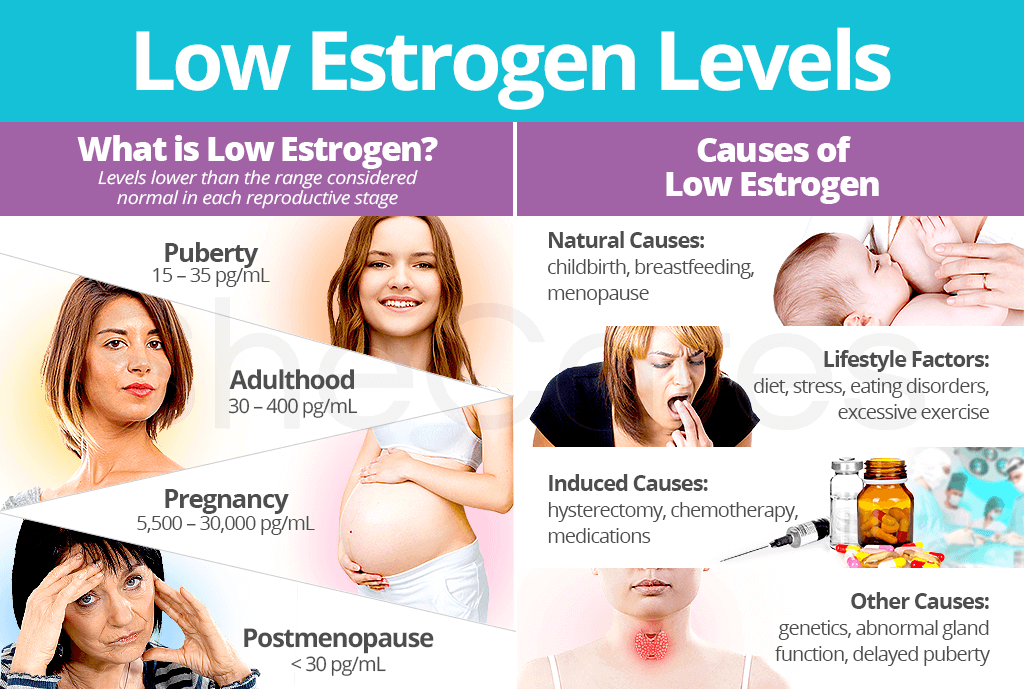
The Silent Erosion: Physical Manifestations of Low Estrogen and Technological Interventions
The physical toll of declining estrogen is often the most noticeable and can significantly impact an individual’s quality of life. These changes are not merely cosmetic but reflect profound alterations in bodily systems that rely on estrogen for optimal function. Health technology is stepping in to provide both diagnostic precision and proactive management solutions.
Bone Health Under Threat: Osteoporosis and Early Detection
Estrogen is crucial for maintaining bone density. It inhibits osteoclast activity, the cells responsible for bone breakdown, and promotes osteoblast activity, which builds new bone. When estrogen levels drop, this delicate balance is disrupted, leading to increased bone resorption and a subsequent decline in bone mineral density. This makes bones more brittle and susceptible to fractures, a condition known as osteoporosis.
Traditionally, diagnosing osteoporosis involved bone density scans (DEXA scans), which are effective but episodic. The evolution of Health Tech is bringing forth more integrated approaches. Wearable sensors, for instance, are being developed to continuously monitor gait, balance, and even subtle changes in movement patterns that might indicate increased fracture risk due to compromised bone strength. While not directly measuring bone density, these sophisticated algorithms can identify individuals at higher risk, prompting earlier medical consultation and intervention. Furthermore, AI-powered image analysis of routine scans, like X-rays, is showing promise in detecting early signs of bone thinning that might be missed by the human eye, offering a more accessible screening tool.
Cardiovascular Shifts: The Protective Role of Estrogen and Digital Monitoring
Estrogen has a beneficial effect on the cardiovascular system. It helps maintain healthy cholesterol levels by increasing HDL (“good”) cholesterol and decreasing LDL (“bad”) cholesterol. It also contributes to the flexibility of blood vessels and plays a role in regulating blood pressure. As estrogen declines, the risk of cardiovascular disease increases, often manifesting as higher blood pressure, unfavorable lipid profiles, and a greater propensity for arterial stiffness.
This is where digital health solutions are making significant inroads. Smartwatches and advanced fitness trackers can now monitor heart rate, heart rate variability, and even blood pressure with increasing accuracy. These devices, coupled with AI-driven analytics, can identify anomalies and trends that might signal cardiovascular stress, prompting users to seek medical advice. Personalized wellness apps can integrate data from these wearables, along with lifestyle factors, to provide tailored recommendations for diet and exercise, aiming to mitigate cardiovascular risk. Furthermore, telehealth platforms facilitate remote consultations with cardiologists, allowing for continuous monitoring and management of cardiovascular health without the need for frequent in-person visits.
Skin and Tissue Changes: From Dryness to Discomfort and Digital Solutions
Estrogen influences skin hydration, elasticity, and collagen production. As levels decrease, the skin can become drier, thinner, and less resilient, leading to increased wrinkles and a feeling of dryness or itching. Vaginal tissues also rely on estrogen for lubrication and elasticity, and a decline can result in vaginal dryness, discomfort, and painful intercourse.
While topical treatments remain the cornerstone of managing these issues, technology is offering supplementary support. AI-powered skincare analysis devices, often integrated into smartphones, can assess skin hydration, elasticity, and even detect early signs of aging, providing personalized product recommendations or suggesting lifestyle adjustments. For vaginal dryness and discomfort, biofeedback devices are emerging that, under the guidance of a healthcare professional, can help individuals regain pelvic floor muscle control and improve sensation. Digital platforms are also providing comprehensive educational resources and support communities, empowering individuals with knowledge and shared experiences to navigate these intimate changes.
The Cognitive and Emotional Landscape: Estrogen’s Impact on the Brain and AI-Assisted Wellbeing

The influence of estrogen extends beyond the physical, significantly impacting neurological and emotional well-being. Its role in neurotransmitter function and brain health means that fluctuations can lead to noticeable changes in mood, cognition, and overall mental state.
Mood Swings and Cognitive Fog: Understanding the Neurochemical Connection
Estrogen interacts with several neurotransmitters, including serotonin, dopamine, and norepinephrine, which are critical for mood regulation and cognitive function. Low estrogen can disrupt this delicate balance, leading to increased irritability, anxiety, depression, and difficulty concentrating. This phenomenon, often described as “brain fog” or menopausal cognitive dysfunction, can be profoundly distressing.
The integration of AI in mental health tracking is revolutionizing how these changes are understood and managed. Wearable devices can now track sleep patterns, activity levels, and even vocal inflections, which can be indicators of mood changes. AI algorithms can analyze this data to identify correlations between low estrogen symptoms and shifts in mental state, providing users and their healthcare providers with valuable insights. Digital journaling apps, often enhanced with sentiment analysis, allow individuals to log their moods and triggers, helping to pinpoint patterns associated with hormonal fluctuations. Furthermore, AI-powered chatbots and virtual therapists offer accessible, on-demand support for managing anxiety and depression, providing coping strategies and mindfulness exercises tailored to individual needs.
Sleep Disturbances: A Vicious Cycle and Tech-Enabled Solutions
Sleep disturbances are a hallmark symptom of low estrogen. Hot flashes and night sweats, common during perimenopause and menopause, can disrupt sleep, leading to fatigue, further mood disturbances, and impaired cognitive function. This creates a challenging cycle where hormonal changes affect sleep, and poor sleep exacerbates the symptoms of low estrogen.
The technological landscape offers a variety of tools to address sleep quality. Advanced sleep trackers, incorporated into wearables or standalone devices, provide detailed insights into sleep stages, duration, and disruptions. AI analysis of this data can identify specific patterns linked to hot flashes or other hormonal disruptions, allowing for more targeted interventions. Smart home devices can also play a role; for example, smart thermostats can be programmed to adjust room temperature automatically during the night to minimize sleep disruption from hot flashes. Digital sleep hygiene programs and guided meditation apps, often AI-personalized, can help individuals develop healthier sleep habits and manage the anxiety associated with sleep interruptions.
Beyond Symptoms: Proactive Management Through Digital Health Platforms and Personalized Medicine
The understanding of low estrogen’s impact is evolving, moving from a purely symptomatic approach to one of proactive management and personalized intervention, largely driven by technological advancements.
Hormone Replacement Therapy (HRT) and Digital Monitoring
For many, Hormone Replacement Therapy (HRT) remains a cornerstone of managing severe low estrogen symptoms. While traditionally requiring regular in-person doctor visits, technology is streamlining this process. Telehealth platforms allow for remote consultations with endocrinologists or gynecologists, enabling continuous dialogue about treatment efficacy and side effects. Furthermore, some emerging digital health platforms are integrating with at-home testing kits for hormone levels, providing physicians with real-time data to adjust HRT dosages more precisely. This data-driven approach to HRT, facilitated by technology, promises more individualized and effective treatment plans.
Lifestyle Optimization with AI and Wearables
Beyond hormonal interventions, lifestyle plays a critical role in managing the effects of low estrogen. Technology is empowering individuals to optimize their lifestyle choices with unprecedented precision. AI-powered nutrition apps can create personalized meal plans based on individual dietary needs and preferences, factoring in hormonal health considerations. Fitness trackers and smart coaching apps can guide exercise routines, ensuring individuals engage in activities that support bone density and cardiovascular health. Wearable biosensors are also being explored for their potential to track stress markers and sleep quality, allowing for dynamic adjustments to daily routines to promote overall well-being. The integration of data from various sources—wearables, genetic information, and lifestyle logs—into comprehensive digital health platforms is paving the way for truly personalized wellness strategies.

The Future of Low Estrogen Management: Predictive Analytics and Personalized Interventions
The trajectory of Health Tech suggests a future where the impact of low estrogen can be predicted and managed with remarkable foresight. Predictive analytics, powered by sophisticated AI algorithms, will likely identify individuals at higher risk for conditions associated with estrogen decline, such as osteoporosis or cardiovascular disease, long before symptoms become severe. This will enable truly preventative care. Furthermore, the development of closed-loop systems, where wearable sensors continuously monitor hormonal markers and automatically adjust therapeutic interventions (like optimized HRT delivery or personalized nutrient supplementation), is on the horizon. This represents a paradigm shift from reactive symptom management to proactive, data-driven, and highly personalized health optimization, making the journey through hormonal changes more informed and manageable than ever before.
aViewFromTheCave is a participant in the Amazon Services LLC Associates Program, an affiliate advertising program designed to provide a means for sites to earn advertising fees by advertising and linking to Amazon.com. Amazon, the Amazon logo, AmazonSupply, and the AmazonSupply logo are trademarks of Amazon.com, Inc. or its affiliates. As an Amazon Associate we earn affiliate commissions from qualifying purchases.