
The modern business landscape is characterized by intense competition, the relentless pursuit of efficiency, and an ever-increasing demand for exceptional customer experiences. In this dynamic environment, companies are constantly seeking strategies to optimize their operations, reduce costs, and focus on their core competencies. One of the most prevalent and effective solutions to achieve these goals is the utilization of Business Process Outsourcing (BPO), and at its heart lies the BPO call center. Understanding what a BPO call center is, and how it functions, is crucial for any organization looking to enhance its service delivery and operational effectiveness.
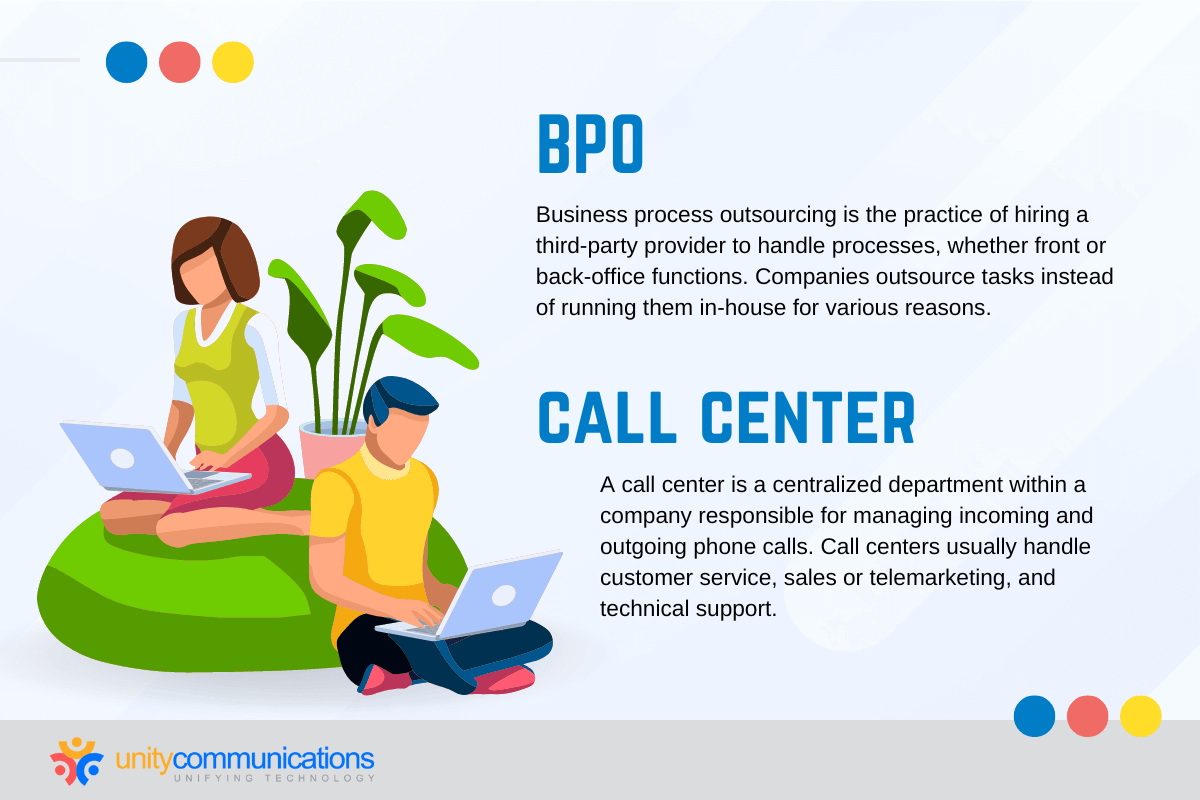
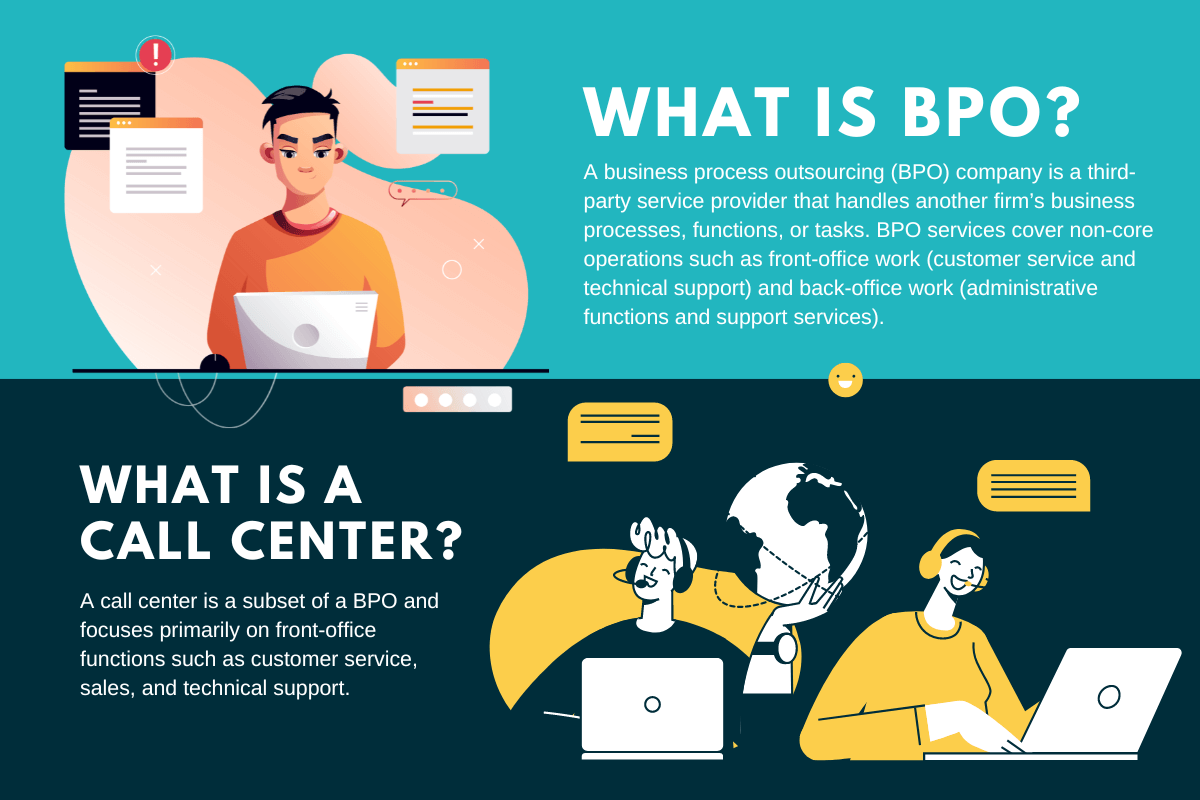
At its most fundamental level, a BPO call center is a third-party service provider that handles customer-facing or back-office operations on behalf of another company. These operations often revolve around communication, primarily via phone calls, but also extend to other channels such as email, live chat, and social media. The “BPO” in BPO call center signifies that the call center is an outsourced entity, meaning it’s not directly employed by the company whose customers it serves. This distinction is vital, as it highlights the strategic decision by a business to delegate specific functions to external experts.
The rise of BPO call centers is a direct response to the evolving needs of businesses. As companies grow and diversify, managing all aspects of their operations in-house can become a significant drain on resources, expertise, and capital. BPO offers a way to offload these tasks, allowing the client company to concentrate on innovation, product development, and strategic growth.
The Evolving Landscape of Business Process Outsourcing
The concept of outsourcing is not new, but its scope and sophistication have dramatically increased over the decades. Initially, outsourcing primarily involved simple, repetitive tasks. However, with advancements in technology, telecommunications, and a deeper understanding of global talent pools, BPO has evolved into a strategic partnership that can encompass complex and critical business functions.
From Simple Tasks to Strategic Partnerships
In its nascent stages, outsourcing was often seen as a cost-saving measure, primarily focused on transferring low-value, labor-intensive tasks to regions with lower operational expenses. This might have included basic data entry or simple customer query handling. However, as global connectivity improved and BPO providers developed specialized expertise, the offering expanded significantly. Today, BPO encompasses a wide array of services, including:
- Customer Service: Handling inbound and outbound calls, email support, chat support, social media engagement, and technical assistance. This is the most visible aspect of BPO call centers.
- Technical Support: Providing troubleshooting, issue resolution, and IT helpdesk services.
- Sales and Lead Generation: Conducting outbound sales calls, appointment setting, and customer acquisition campaigns.
- Telemarketing: Promoting products or services, conducting surveys, and gathering market intelligence.
- Collections: Managing debt recovery processes.
- Back-Office Operations: Processing claims, managing HR functions, handling payroll, data management, and order fulfillment.
The transition from simple task delegation to strategic partnerships signifies a shift in how businesses perceive BPO. Instead of merely offloading work, companies are now engaging BPO providers as extensions of their own teams, leveraging their specialized skills, advanced technology, and scalable infrastructure. This partnership approach aims to improve service quality, enhance customer satisfaction, and gain a competitive edge.
The Drivers Behind BPO Adoption
Several key factors are driving the widespread adoption of BPO call centers by businesses across various industries:
- Cost Reduction: This remains a primary motivator. Outsourcing can significantly lower operational costs by reducing expenses related to staffing, infrastructure, training, and technology. BPO providers often operate in economies of scale, benefiting from lower labor costs in certain regions and optimized operational processes.
- Focus on Core Competencies: By delegating non-core functions to specialized BPO providers, companies can free up their internal resources and management bandwidth to concentrate on their core business activities, such as product innovation, strategic planning, and market expansion.
- Access to Specialized Expertise and Technology: BPO call centers are often at the forefront of technological advancements in communication and customer relationship management. They invest in the latest software, analytics tools, and training programs to deliver best-in-class services, providing clients access to this expertise without direct investment.
- Scalability and Flexibility: Businesses experience fluctuating demands. BPO call centers offer unparalleled scalability, allowing companies to quickly ramp up or scale down operations to meet seasonal peaks or unexpected surges in customer inquiries without the complexities of hiring and training temporary staff.
- Improved Service Quality and Customer Experience: Reputable BPO providers specialize in customer interactions. They employ highly trained agents, implement robust quality assurance programs, and leverage data analytics to continuously improve service delivery, leading to higher customer satisfaction rates.
- Global Reach and 24/7 Support: BPO call centers, especially those with offshore operations, can provide round-the-clock customer support, catering to a global customer base across different time zones. This ensures that customers receive assistance whenever they need it, enhancing their overall experience.
- Risk Mitigation: Outsourcing certain functions can also help mitigate risks associated with managing specialized operations, such as compliance in regulated industries or the complexities of international customer support.
The Operational Mechanics of a BPO Call Center
Understanding the inner workings of a BPO call center reveals the intricate systems and processes that enable them to deliver consistent and high-quality services. These centers are not merely buildings filled with phone operators; they are sophisticated hubs of technology, trained personnel, and optimized workflows.
Infrastructure and Technology Stack
The technological foundation of a BPO call center is paramount to its success. Modern BPO call centers leverage a comprehensive suite of technologies designed to manage high volumes of interactions efficiently and effectively.
- Customer Relationship Management (CRM) Systems: These are the central nervous system of any call center. CRM software allows agents to access comprehensive customer profiles, interaction histories, purchase records, and other relevant data, enabling personalized and informed service.
- Interactive Voice Response (IVR) Systems: IVR systems automate customer interactions by providing pre-recorded messages and allowing callers to navigate options using their phone’s keypad or voice commands. This helps in routing calls to the appropriate department or agent, answering frequently asked questions, and collecting basic information.
- Computer Telephony Integration (CTI): CTI bridges the gap between telephone systems and computer systems. It enables screen pops (displaying customer information automatically when a call comes in), click-to-dial functionality, and automated call logging, significantly improving agent efficiency.
- Workforce Management (WFM) Software: WFM tools are crucial for optimizing staffing levels. They predict call volumes, forecast agent availability, schedule shifts, and monitor agent performance to ensure adequate coverage at all times and minimize idle time.
- Quality Monitoring and Recording Systems: These systems record all calls and other interactions for training, quality assurance, compliance, and dispute resolution purposes. They also provide tools for supervisors to evaluate agent performance and identify areas for improvement.
- Analytics and Reporting Tools: Advanced analytics provide insights into call trends, customer behavior, agent performance, and overall operational efficiency. This data is vital for continuous improvement and strategic decision-making.
- Omnichannel Communication Platforms: Modern BPO call centers go beyond traditional phone calls. They utilize platforms that integrate multiple communication channels, such as email, live chat, social media messaging, and SMS, allowing customers to interact through their preferred medium and providing agents with a unified view of customer interactions across all channels.
Agent Training and Management
The human element is indispensable in any customer service operation. BPO call centers invest heavily in recruiting, training, and managing their agents to ensure they are equipped to handle diverse customer needs effectively.
- Recruitment and Selection: BPO providers often have sophisticated recruitment processes to identify candidates with strong communication skills, empathy, problem-solving abilities, and a customer-centric mindset.
- Comprehensive Training Programs: New agents undergo rigorous training that covers product knowledge, company policies, customer service best practices, communication techniques, and the use of the call center’s technology stack. Ongoing training and skill development are also critical for adapting to new products, services, and customer expectations.
- Performance Monitoring and Coaching: Agents’ performance is continuously monitored through call evaluations, customer feedback, and key performance indicators (KPIs) such as average handling time, first call resolution, and customer satisfaction scores. Supervisors provide regular coaching and feedback to help agents improve their skills and performance.
- Scripting and Knowledge Bases: While agents are trained to be flexible, many BPO call centers utilize detailed scripts and comprehensive knowledge bases. Scripts provide guidance for common scenarios, ensuring consistency and adherence to company messaging, while knowledge bases offer quick access to information for resolving complex queries.
- Empowerment and Issue Resolution: Empowering agents to resolve issues at the first point of contact is a key objective. This involves granting them the authority and resources to make decisions within defined parameters, reducing the need for escalations and improving customer satisfaction.
The Benefits of Partnering with a BPO Call Center
The decision to engage a BPO call center is a strategic one, driven by a desire to enhance operational efficiency, improve customer experience, and gain a competitive advantage. The benefits extend across multiple facets of a business.
Enhancing Customer Experience and Satisfaction
In today’s competitive market, exceptional customer service is no longer a differentiator; it’s a fundamental expectation. BPO call centers play a pivotal role in meeting and exceeding these expectations.
- Consistent Service Delivery: BPO providers are specialists in customer interaction. Their standardized processes, trained agents, and quality assurance measures ensure a consistent and high-quality experience for every customer, regardless of the contact channel or time of day.
- 24/7 Availability: For businesses that need to serve a global customer base, BPO call centers with offshore capabilities offer continuous support, ensuring customers can get help whenever they need it, fostering loyalty and reducing frustration.
- Faster Resolution Times: With access to robust CRM systems, comprehensive knowledge bases, and trained agents, BPO call centers can often resolve customer issues more quickly than internal teams that may be stretched thin or lack specialized tools.
- Multilingual Support: Many BPO providers have a diverse workforce that can offer support in multiple languages, enabling businesses to effectively cater to a wider, international customer base.
- Personalized Interactions: Despite being an outsourced service, well-managed BPO call centers strive to deliver personalized experiences. By leveraging customer data effectively, agents can tailor their interactions, making customers feel valued and understood.
Driving Cost Efficiencies and ROI
The financial advantages of outsourcing call center operations are substantial and contribute directly to a company’s bottom line.
- Reduced Overhead Costs: Eliminating the need for significant investments in office space, technology infrastructure, recruitment, and ongoing staff training for a dedicated call center team leads to considerable savings.
- Predictable Operational Expenses: BPO contracts typically involve fixed fees or per-unit costs, making operational expenses more predictable and easier to budget for, unlike the often variable costs of in-house operations.
- Optimized Resource Allocation: By entrusting customer interactions to BPO experts, companies can redeploy their internal resources towards strategic initiatives that directly drive revenue and business growth.
- Access to Economies of Scale: BPO providers serve multiple clients, allowing them to achieve economies of scale in technology acquisition, staffing, and operational management, which translates into cost savings for individual clients.
- Measurable Return on Investment (ROI): The cost savings, combined with potential improvements in customer retention and sales conversion rates driven by enhanced customer service, result in a clear and measurable ROI for businesses that partner with BPO call centers.
Types of BPO Call Centers and Their Specializations
The BPO call center industry is diverse, with providers specializing in different types of services and catering to various client needs. Understanding these distinctions can help businesses select the most appropriate partner.
Inbound vs. Outbound Call Centers
This is a fundamental classification based on the direction of communication initiated by the call center.
- Inbound Call Centers: These centers primarily handle incoming customer calls. Common functions include customer support, technical assistance, order taking, service inquiries, and complaint resolution. The focus is on responding to customer needs and providing assistance.
- Outbound Call Centers: These centers initiate outgoing calls to customers or potential customers. Functions typically include telemarketing, lead generation, appointment setting, sales calls, customer surveys, debt collection, and customer reactivation campaigns. The objective is often to generate new business or gather information.
Nearshore, Offshore, and Onshore BPO
The geographical location of the BPO call center significantly impacts cost, cultural alignment, and communication.
- Onshore BPO: The call center is located within the same country as the client company. This often offers the closest cultural and linguistic alignment, but typically comes with higher labor costs compared to offshore options. It’s often chosen for highly sensitive customer interactions or when seamless cultural understanding is paramount.
- Nearshore BPO: The call center is located in a neighboring country or region, often within a similar time zone. This offers a balance between cost savings and cultural/linguistic proximity. For example, a US company might partner with a BPO in Mexico or the Caribbean.
- Offshore BPO: The call center is located in a distant country, often in regions with significantly lower labor costs, such as India, the Philippines, or parts of Eastern Europe. This typically offers the most substantial cost savings but may require more effort in managing cultural differences and time zone disparities.
Industry-Specific BPO Call Centers
Many BPO providers specialize in serving particular industries, developing deep domain expertise and tailored solutions.
- Healthcare: Handling patient inquiries, appointment scheduling, billing support, and insurance claim processing. These centers require strict adherence to privacy regulations like HIPAA.
- Finance and Banking: Managing customer account inquiries, loan applications, fraud detection, and financial advisory services. These operations demand high levels of security and compliance.
- E-commerce and Retail: Providing order tracking, product information, returns processing, and customer loyalty program management.
- Technology: Offering technical support, troubleshooting, software installation assistance, and IT helpdesk services.
- Telecommunications: Assisting with billing inquiries, service troubleshooting, plan changes, and new customer sign-ups.
The Future of BPO Call Centers: Integration and Intelligence
The BPO call center industry is not static; it is continuously evolving, driven by technological advancements and changing customer expectations. The future points towards greater integration of artificial intelligence and a more strategic role in customer engagement.
The Rise of AI and Automation
Artificial intelligence (AI) is rapidly transforming the BPO landscape, automating repetitive tasks and augmenting human capabilities.
- Chatbots and Virtual Assistants: AI-powered chatbots can handle a significant volume of routine inquiries through website chat or messaging apps, providing instant responses and freeing up human agents for more complex issues.
- AI-powered Analytics: AI algorithms can analyze vast amounts of customer data to identify trends, predict customer needs, and personalize interactions. This allows for more proactive customer service and targeted sales efforts.
- Intelligent Call Routing: AI can analyze caller intent and sentiment in real-time to route calls to the most appropriate agent, ensuring faster resolution and a better customer experience.
- Agent Assist Tools: AI can provide real-time assistance to human agents, suggesting responses, pulling up relevant information, and guiding them through complex processes, thereby improving efficiency and accuracy.
- Robotic Process Automation (RPA): RPA can automate repetitive, rule-based tasks within the call center operations, such as data entry, form filling, and system updates, further enhancing efficiency.

The Shift Towards Customer Experience Management (CXM)
The focus is shifting from merely handling calls to managing the entire customer journey and experience. BPO call centers are becoming integral partners in building strong customer relationships.
- Proactive Engagement: Instead of just reacting to customer issues, future BPO operations will focus on proactively engaging customers, anticipating their needs, and offering solutions before problems arise.
- Data-Driven Insights: BPO providers will leverage advanced analytics to provide clients with deeper insights into customer behavior, preferences, and pain points, enabling businesses to make more informed strategic decisions.
- Omnichannel Personalization: Seamless integration across all communication channels, powered by AI, will allow for highly personalized interactions that acknowledge a customer’s history and preferences, regardless of how they choose to connect.
- Strategic Consulting: As BPO providers gain deeper insights into customer operations, they are increasingly positioned to offer strategic advice and consulting services to their clients, helping them optimize their overall customer engagement strategies.
In conclusion, a BPO call center is a vital component of modern business operations, offering specialized services to manage customer interactions and other business processes. By understanding its multifaceted nature, the underlying technologies, the benefits it provides, and its future trajectory, businesses can strategically leverage BPO call centers to achieve operational excellence, enhance customer satisfaction, and drive sustainable growth in an increasingly competitive global marketplace.
aViewFromTheCave is a participant in the Amazon Services LLC Associates Program, an affiliate advertising program designed to provide a means for sites to earn advertising fees by advertising and linking to Amazon.com. Amazon, the Amazon logo, AmazonSupply, and the AmazonSupply logo are trademarks of Amazon.com, Inc. or its affiliates. As an Amazon Associate we earn affiliate commissions from qualifying purchases.