
The advent of clear aligner technology, epitomized by systems like Invisalign, has revolutionized orthodontics, offering a discreet and often more comfortable alternative to traditional braces. These sophisticated devices leverage advanced material science and digital planning to meticulously guide teeth into their desired positions. However, the efficacy and integrity of this high-tech solution are heavily reliant on proper user adherence, particularly regarding the crucial protocol of removing aligners before eating. Understanding the technological underpinnings of Invisalign illuminates precisely why this directive is paramount and what detrimental effects can arise from deviation.
The Engineering Behind Invisalign and Why It Matters for Eating
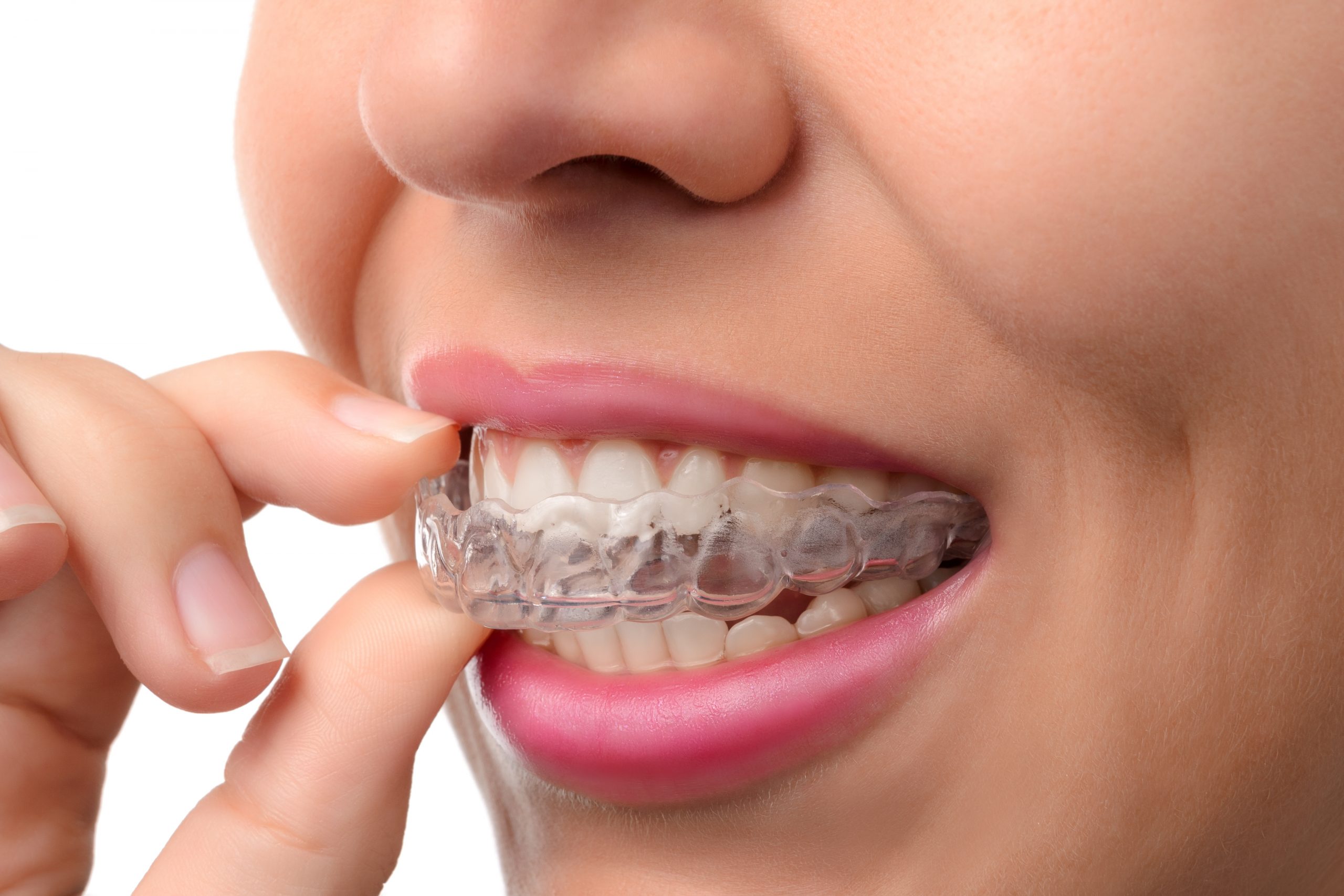
Invisalign aligners are not merely simple pieces of plastic; they are precision-engineered medical devices, custom-fabricated for each patient’s unique dental structure and treatment plan. Their functionality and success stem directly from their intricate design and material composition, aspects that are critically vulnerable to the mechanical and chemical stresses associated with eating.
Material Science: Thermoplastic Polymers and Their Limitations
Invisalign aligners are typically manufactured from a patented multi-layer aromatic thermoplastic polyurethane material, often referred to as SmartTrack® material. This advanced polymer blend is chosen for its unique combination of properties: flexibility for comfortable fit, rigidity for controlled force application, and optical clarity for aesthetic discretion. Unlike traditional rigid plastics, SmartTrack material offers a more elastic response, allowing for consistent, gentle forces that are critical for biological tooth movement.
However, these very properties also dictate its vulnerabilities. The material, while durable for its intended purpose (applying gentle pressure over extended periods), is not designed to withstand the shear forces, impact, and temperature fluctuations involved in mastication. High temperatures from hot foods or beverages can cause the thermoplastic to soften and deform, altering its precisely calibrated shape. Similarly, the repetitive biting and grinding forces from chewing food can induce microfractures or even macroscopic cracks in the aligner, compromising its structural integrity. Furthermore, the porous nature of plastics, even advanced ones, means they can absorb pigments and odors from foods and drinks, leading to discoloration and potential hygiene issues.
Precision Fit and Biomechanical Forces
Each Invisalign aligner is a marvel of additive manufacturing, produced using 3D printing based on a highly accurate digital model of the patient’s teeth. This manufacturing process ensures an incredibly precise fit, designed to envelope the teeth tightly while exerting specific, calibrated forces to facilitate tooth movement. The biomechanics are meticulously calculated: each aligner is slightly different from the last, guiding teeth incrementally over the course of the treatment.
When an individual eats with their aligners in, this precision fit is fundamentally disrupted. Food particles can become lodged between the aligners and the teeth, creating pressure points that are not part of the engineered treatment plan. These unintended forces can counteract the desired tooth movement, applying pressure in incorrect directions or areas. Moreover, the act of chewing can slightly dislodge or flex the aligner, temporarily altering its contact points with the teeth. Over time, consistent eating with aligners in can lead to a cumulative effect, where the aligners no longer fit as intended, thereby failing to deliver the programmed biomechanical forces effectively.
Digital Design and Treatment Planning
The entire Invisalign treatment journey begins with a sophisticated digital scan of the patient’s mouth, which is then used to create a 3D digital model. Orthodontists use specialized software, such as ClinCheck®, to meticulously plan the entire sequence of tooth movements, visualizing each stage of the treatment. This digital blueprint guides the fabrication of each aligner in the series, ensuring that every aligner precisely moves the teeth towards the final desired position.
Eating with aligners in introduces an uncontrolled variable into this highly controlled and digitally planned process. If aligners become warped, damaged, or stained, they can no longer function according to the digital plan. This necessitates potential delays in treatment as new aligners may need to be ordered, or the treatment plan itself may need to be revised and recalibrated, directly undermining the precision and efficiency inherent in the digital design process.
Immediate Consequences: Damage and Disruption
The direct impacts of eating with Invisalign are often immediate and noticeable, affecting both the physical integrity of the aligners and the overall trajectory of the orthodontic treatment.
Physical Damage: Cracks, Warping, and Breakage
The most apparent consequence of eating with aligners in is physical damage. Hard or crunchy foods can easily cause stress fractures, cracks, or even complete breakage of the thermoplastic material. Even softer foods, when subjected to the prolonged forces of chewing, can induce fatigue in the material, leading to eventual failure. Hot beverages can cause the aligners to warp or distort, altering their precisely engineered shape. A warped or broken aligner cannot effectively apply the necessary forces to move teeth, essentially rendering it useless for the remainder of its prescribed wear time. Such damage necessitates an unscheduled replacement, incurring additional cost and delaying treatment.
Staining and Discoloration: Aesthetic and Hygienic Impacts
The SmartTrack material, while clear, is not entirely impervious to staining. Pigmented foods and drinks—such as coffee, tea, red wine, turmeric, berries, and highly colored sauces—can seep into the microscopic pores of the aligner material, causing noticeable discoloration. This staining compromises the very aesthetic appeal that makes Invisalign so popular, turning the “invisible” aligners into conspicuous, often unsightly, yellow or brown dental appliances. Beyond aesthetics, this staining can indicate absorption of food residues, which creates a breeding ground for bacteria.
Compromised Treatment Efficacy: Misalignment and Delays
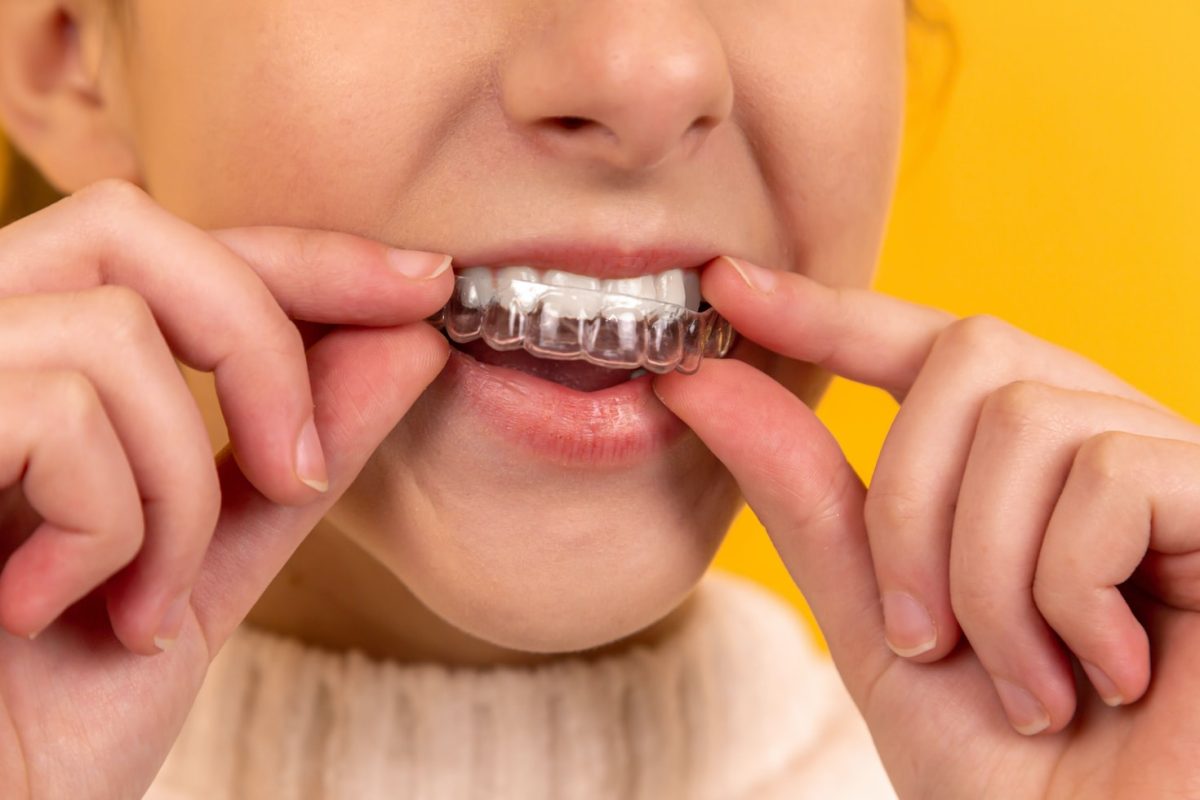
The most critical immediate consequence is the impact on treatment efficacy. Invisalign works by applying continuous, gentle pressure to gradually shift teeth. If aligners are damaged, warped, or do not fit snugly due to food debris, they cannot exert these forces correctly. The result is often a deviation from the planned tooth movement. Teeth may not track properly, leading to “gaps” between the aligner and the tooth surface, indicating that the aligner is no longer effectively engaging the tooth. This can lead to delays in treatment, requiring the patient to wear current aligners for longer, or necessitating mid-course corrections, which can add weeks or months to the overall treatment timeline. In severe cases, multiple sets of new aligners might be required to get the treatment back on track.
Long-Term Repercussions: Hygiene, Health, and Cost
Beyond the immediate issues, consistent disregard for the “remove to eat” rule can lead to significant long-term problems affecting oral health, treatment duration, and overall financial investment.
Oral Health Risks: Cavities, Gum Disease, and Bacterial Buildup
Eating with aligners in traps food particles and sugars directly against the tooth enamel and gum line for extended periods. This creates an ideal, warm, and moist environment for bacteria to flourish. Bacteria metabolize sugars, producing acids that erode tooth enamel, leading directly to an increased risk of cavities. Furthermore, the prolonged presence of food debris and plaque under the aligners can irritate gum tissues, contributing to gingivitis and, if left unchecked, more severe periodontal disease. The aligners essentially act as a barrier, preventing saliva—nature’s own rinsing agent—from reaching the tooth surfaces and neutralizing acids. Over time, this chronic exposure to acid and bacteria can severely compromise oral health.
Impact on Aligner Longevity and Replacement Costs
Each set of Invisalign aligners is designed to be worn for approximately one to two weeks before progressing to the next. This prescribed longevity assumes proper care and use. Eating with aligners accelerates their degradation, necessitating more frequent replacements due to damage or excessive staining. Each replacement aligner, or an entirely new set due to tracking issues, comes with an additional cost, which can significantly inflate the total expense of the orthodontic treatment beyond initial estimates. These unforeseen costs undermine the predictability of the investment in clear aligner therapy.
The Iterative Nature of Orthodontic Correction and Setbacks
Orthodontic treatment with Invisalign is an iterative process, with each aligner building upon the movement achieved by the previous one. Consistent damage or improper use of aligners breaks this crucial chain of progression. If aligners are not worn correctly or are compromised by eating, the teeth may not move as expected, or might even relapse slightly. This can lead to a cascade of problems, forcing the orthodontist to create entirely new digital scans and aligner series (known as “refinements”), extending the treatment duration significantly. The patient then faces prolonged inconvenience and often additional costs, negating the very advantages of efficiency and discretion that Invisalign aims to provide.
Best Practices for Maintaining Your High-Tech Orthodontic Solution
Given the high-tech nature and precise requirements of Invisalign, adhering to best practices is not merely a recommendation but a critical component of successful treatment. Proper care ensures the aligners function as intended, protecting both your investment and your oral health.
The “Remove to Eat” Protocol: A Foundational Guideline
The most fundamental rule for Invisalign users is deceptively simple yet profoundly important: always remove your aligners before eating or drinking anything other than plain water. This protocol protects the aligners from physical damage, staining, and warping, while also preventing food particles and sugars from becoming trapped against your teeth. After eating, it is crucial to brush your teeth and rinse your mouth thoroughly before reinserting your aligners. This ensures that no food debris or acid-producing bacteria are sealed against your teeth, significantly mitigating the risks of cavities and gum disease.
Cleaning and Maintenance Technologies: Keeping Aligners Pristine
Maintaining the clarity and hygiene of your aligners is essential. This involves a consistent cleaning routine. Gently brush your aligners with a soft toothbrush and clear antibacterial soap or specialized aligner cleaning crystals. Avoid abrasive toothpastes, which can scratch the aligner surface, creating microscopic etches where bacteria and stains can accumulate.
Advanced cleaning solutions, such as ultrasonic cleaners, represent a technological enhancement for aligner maintenance. These devices use high-frequency sound waves to create microscopic bubbles that dislodge debris and bacteria from aligner surfaces, providing a thorough clean without manual scrubbing. Utilizing such technologies can help prolong the lifespan and maintain the aesthetic quality of the aligners, complementing the daily brushing routine.
The Role of Accessories: Cases and Cleaning Solutions
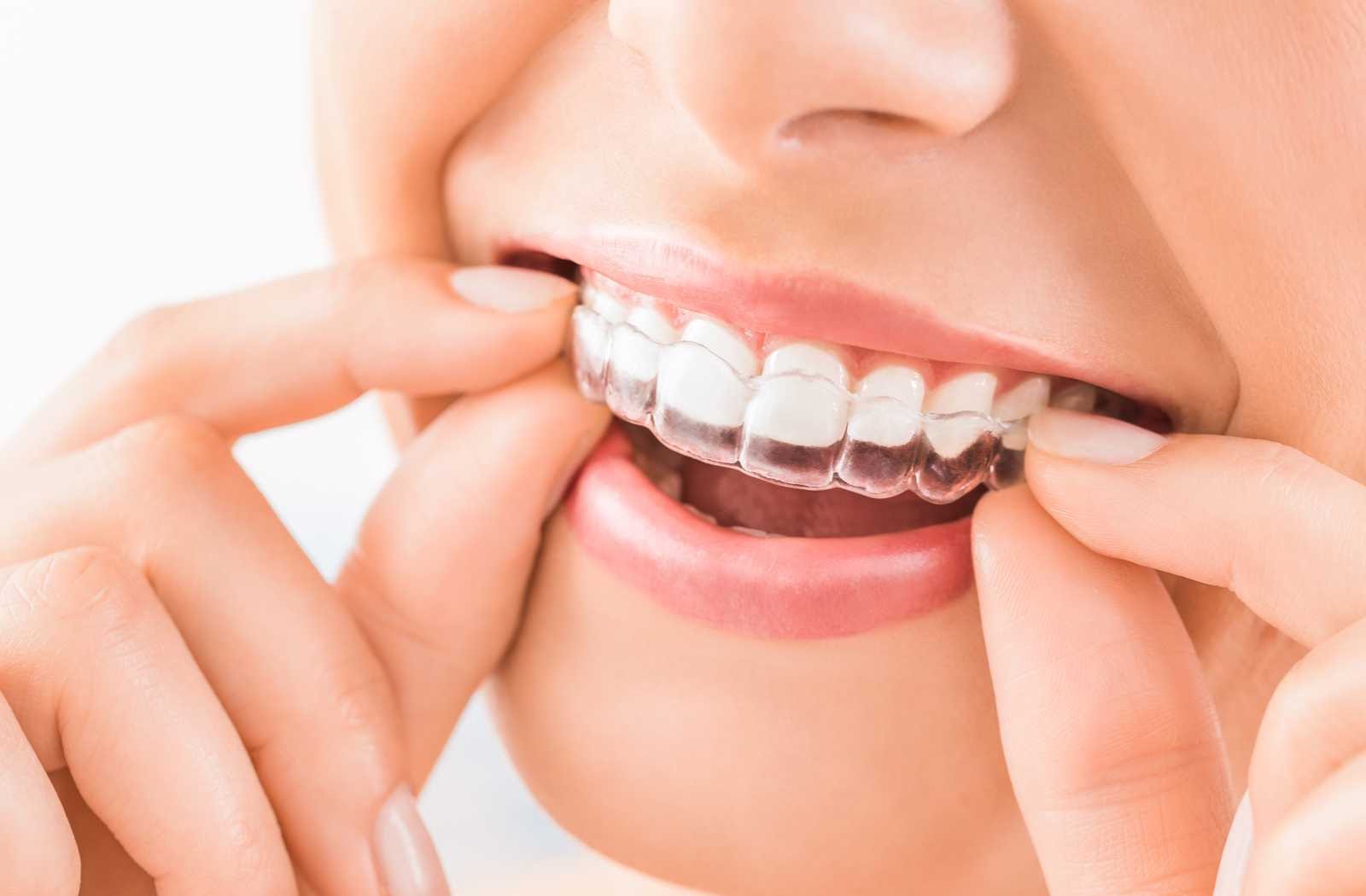
Carrying a dedicated Invisalign case is paramount. When aligners are removed for eating, they should be immediately placed in their protective case. This prevents them from being inadvertently thrown away, misplaced, or exposed to unsanitary surfaces. Investing in a compact, portable cleaning kit, including a travel toothbrush, toothpaste, and possibly a small bottle of mouthwash, facilitates adherence to the “brush after eating” rule, especially when away from home. These simple accessories are integral to maintaining the technological integrity and hygienic standards required for a successful Invisalign journey.
aViewFromTheCave is a participant in the Amazon Services LLC Associates Program, an affiliate advertising program designed to provide a means for sites to earn advertising fees by advertising and linking to Amazon.com. Amazon, the Amazon logo, AmazonSupply, and the AmazonSupply logo are trademarks of Amazon.com, Inc. or its affiliates. As an Amazon Associate we earn affiliate commissions from qualifying purchases.