
A loyalty scheme, at its core, is a strategic marketing initiative designed to foster enduring relationships between a brand and its customers. Far more than a simple discount program, it represents a deliberate commitment from a business to recognize, reward, and retain its most valuable patrons. In an increasingly competitive marketplace, where consumers are bombarded with choices, a well-conceived loyalty scheme acts as a powerful differentiator, solidifying a brand’s position and nurturing a community of advocates. It transcends the transactional nature of sales, aiming instead to cultivate an emotional connection that encourages repeat business, increases customer lifetime value, and strengthens overall brand equity.
The Strategic Imperative of Customer Loyalty
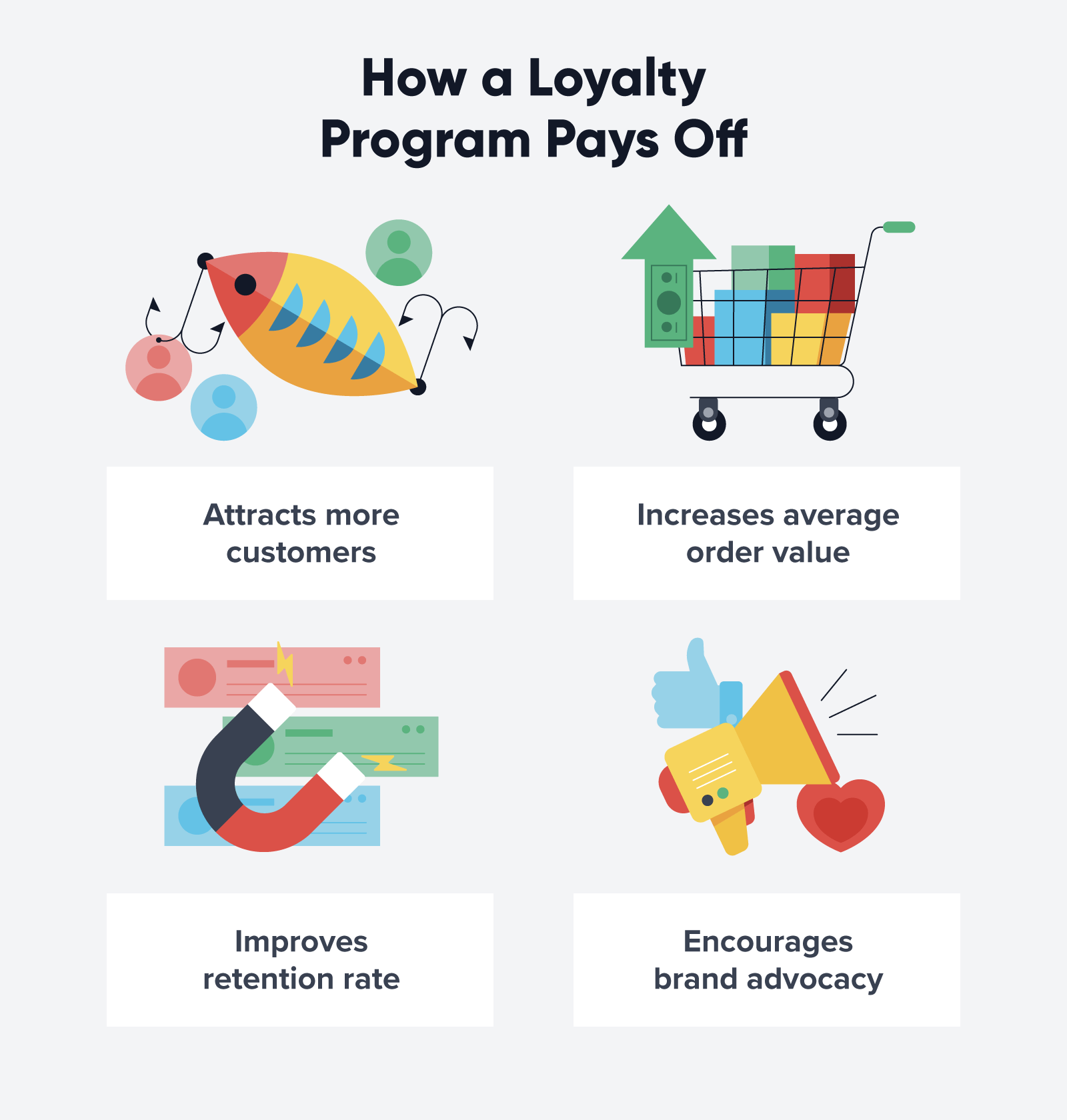
In the realm of brand strategy, customer acquisition often captures the spotlight, but true sustainable growth hinges on retention. Loyalty schemes are the engines of this retention, strategically designed to convert one-time buyers into loyal, repeat customers who consistently choose a particular brand over competitors. This strategic imperative is rooted in the understanding that acquiring a new customer can cost significantly more than retaining an existing one.
Beyond Transactions: Building Relationships
Modern consumers seek more than just products or services; they crave connection and recognition. A well-executed loyalty scheme offers brands a mechanism to acknowledge and reward this desire. By providing exclusive benefits, personalized experiences, or access to special privileges, brands communicate to their customers that their continued patronage is valued. This goes beyond mere transactions, fostering a sense of belonging and appreciation that deepens the customer-brand relationship. When customers feel valued, their engagement with the brand increases, leading to higher purchase frequency and advocacy.
Enhancing Brand Equity
Brand equity is the commercial value that a brand name has gained because of the perception of consumers. Loyalty schemes are potent tools for enhancing this equity. By reinforcing positive brand associations through consistent rewards and superior experiences, these programs contribute to a stronger brand image and reputation. A brand known for rewarding its loyal customers often enjoys higher levels of trust and desirability. Furthermore, loyalty schemes can inject a unique aspect into a brand’s identity, making it more memorable and distinct in the consumer’s mind. The exclusivity and perceived value of a loyalty program can elevate the entire brand proposition, transforming it from a mere provider of goods into a valued partner in the customer’s life.
Mechanics and Common Models of Loyalty Programs
The architecture of loyalty schemes can vary widely, but most are built upon a foundation of rewarding customer engagement and purchase behavior. The selection of a model largely depends on the brand’s industry, target audience, and strategic objectives. Regardless of the specific mechanics, the underlying goal remains consistent: to incentivize continued interaction and purchasing.
Points-Based Systems
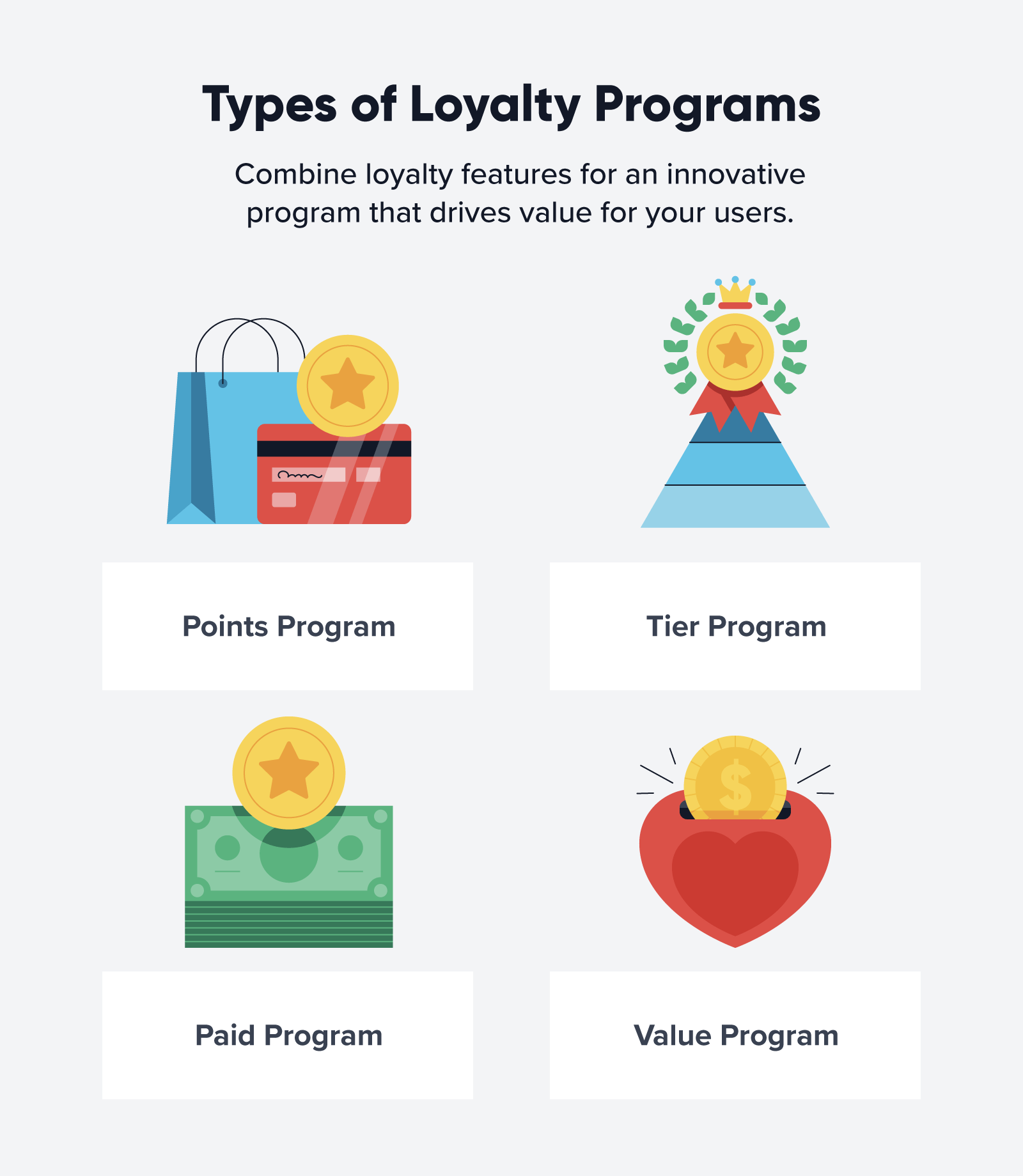
Perhaps the most ubiquitous form, points-based systems reward customers with points for every purchase or specific actions (e.g., signing up for a newsletter, referring a friend). These points accumulate and can later be redeemed for discounts, free products, exclusive services, or other branded merchandise. The simplicity and tangible nature of points make them highly effective. Brands leverage this model to encourage incremental spending and provide a clear, measurable incentive for repeat business. The strategic design often involves setting redemption thresholds that motivate customers to reach specific spending levels, subtly influencing their purchasing habits.
Tiered Programs
Tiered loyalty programs segment customers into different levels based on their spending, engagement, or purchase frequency. As customers ascend through tiers (e.g., Silver, Gold, Platinum), they unlock progressively more valuable rewards and exclusive benefits. This model excels at gamification, encouraging customers to strive for higher statuses and associated prestige. Tiers create a sense of aspiration and exclusivity, particularly appealing to high-value customers who appreciate recognition and premium access. For brands, tiered programs are excellent for identifying and nurturing their most profitable customer segments, allowing for highly targeted marketing and VIP treatment.
Subscription and Premium Models
A growing trend involves subscription-based loyalty, where customers pay an upfront fee—either monthly or annually—to gain access to a host of exclusive benefits. This might include free shipping, expedited service, members-only discounts, early access to new products, or exclusive content. Amazon Prime is a prime example of this model’s success. For brands, this approach generates recurring revenue and fosters an extremely high level of loyalty, as customers are invested financially in the relationship. The psychological commitment of a paid subscription often leads to increased engagement and brand preference, driving customers to maximize the value of their membership by patronizing the brand more frequently.
Gamification and Experiential Rewards
Beyond monetary savings, modern loyalty schemes are increasingly incorporating elements of gamification and offering unique experiences. Gamification might involve challenges, badges, or leaderboards to make engagement more interactive and fun. Experiential rewards, on the other hand, focus on creating memorable moments rather than just discounts. This could include exclusive invitations to brand events, early access to product launches, personalized styling sessions, or even meet-and-greets. These types of rewards are particularly powerful for building emotional connections, as experiences are often more impactful and shareable than mere discounts, leading to stronger brand advocacy and organic word-of-mouth marketing.
The Marketing Prowess of Loyalty Schemes
From a marketing perspective, loyalty schemes are invaluable assets, offering a multitude of benefits that extend far beyond simply keeping customers coming back. They serve as rich data repositories, powerful personalization engines, and amplifiers of customer advocacy, all contributing to a stronger, more resilient brand presence.
Data-Driven Personalization
One of the most significant marketing advantages of loyalty schemes is the wealth of data they generate. Every interaction, purchase, and redemption within a loyalty program provides valuable insights into customer preferences, behaviors, and buying patterns. Brands can leverage this data to segment their audience with precision, creating highly personalized marketing messages, product recommendations, and tailored offers. This level of personalization resonates deeply with consumers, making them feel understood and valued, which in turn enhances their connection to the brand and increases the effectiveness of marketing campaigns.
Boosting Customer Lifetime Value (CLTV)
Customer Lifetime Value (CLTV) is a critical metric for any brand, representing the total revenue a business can reasonably expect from a single customer account throughout their relationship. Loyalty schemes are direct drivers of increased CLTV. By encouraging repeat purchases, increasing average order value through tiered rewards, and reducing churn, these programs ensure that customers remain engaged and profitable over a longer duration. A sustained relationship with a loyal customer means a predictable revenue stream and a lower cost-to-serve compared to constantly acquiring new customers. This makes loyalty schemes an indispensable component of a brand’s long-term financial health and growth strategy.
Advocacy and Word-of-Mouth Marketing
Loyal customers are often a brand’s most effective marketers. When customers feel genuinely valued and satisfied with their experiences, they are more likely to become vocal advocates, recommending the brand to friends, family, and social networks. Loyalty schemes can amplify this effect by providing incentives for referrals or by simply creating such positive experiences that customers naturally share their enthusiasm. This organic word-of-mouth marketing is incredibly powerful, as it carries more credibility than traditional advertising and can significantly expand a brand’s reach and reputation within target communities.
Crafting an Effective Loyalty Strategy
Developing a successful loyalty scheme is not a one-size-fits-all endeavor. It requires careful strategic planning, a deep understanding of the target audience, and a clear alignment with the brand’s overarching values and business objectives. An effective loyalty strategy is dynamic, transparent, and continuously refined.
Aligning with Brand Values
The most impactful loyalty schemes are those that authentically reflect and reinforce a brand’s core values. The rewards offered, the program’s structure, and the communication around it should all align with what the brand stands for. For instance, an eco-conscious brand might offer rewards related to sustainable products or donations to environmental causes, rather than just discounts. This authentic alignment strengthens the brand narrative and resonates more deeply with customers who share those values, fostering a more meaningful and enduring connection.
Simplicity and Transparency
While the underlying mechanics of a loyalty program might be complex, the customer-facing experience must be simple, intuitive, and transparent. Customers need to easily understand how to earn rewards, what those rewards are, and how to redeem them. Overly complicated rules, hidden terms, or difficult redemption processes can quickly lead to frustration and disengagement, undermining the program’s purpose. Clear communication about the benefits and the value proposition is crucial for encouraging participation and sustained engagement.
Continuous Evolution and Measurement
The market, consumer preferences, and competitive landscape are constantly evolving, and a loyalty scheme must evolve with them. Brands should continuously monitor the program’s performance using key metrics such as participation rates, redemption rates, customer retention, CLTV, and overall sales uplift. Gathering feedback from customers is also essential for identifying areas for improvement. Regular analysis and iterative adjustments ensure that the loyalty scheme remains relevant, valuable, and continues to effectively support the brand’s strategic marketing objectives. This commitment to evolution keeps the program fresh and compelling, preventing it from becoming stagnant or losing its appeal.
aViewFromTheCave is a participant in the Amazon Services LLC Associates Program, an affiliate advertising program designed to provide a means for sites to earn advertising fees by advertising and linking to Amazon.com. Amazon, the Amazon logo, AmazonSupply, and the AmazonSupply logo are trademarks of Amazon.com, Inc. or its affiliates. As an Amazon Associate we earn affiliate commissions from qualifying purchases.