
The question “what happened to the wrestler The Ultimate Warrior” transcends a simple biographical query; it invites a deep dive into the lifecycle, evolution, and enduring legacy of one of professional wrestling’s most explosive and unique personal brands. James Brian Hellwig, known universally as The Ultimate Warrior, didn’t just portray a character; he embodied a meticulously crafted, intensely presented, and fiercely protected brand that defied conventional norms and left an indelible mark on sports entertainment. His story is a compelling case study in brand creation, management, controversy, and ultimate redemption within the public eye.

The Incarnation of Intensity: Crafting a Singular Brand
From his earliest days in professional wrestling, The Ultimate Warrior understood the power of differentiation. In an era dominated by larger-than-life heroes and villains, he forged a brand that was less about a relatable persona and more about an experience—an electrifying, almost primal force that connected directly with the audience’s subconscious. This was not accidental; every aspect of the Ultimate Warrior persona was engineered to create an unforgettable brand identity.
The Visual and Verbal Identity
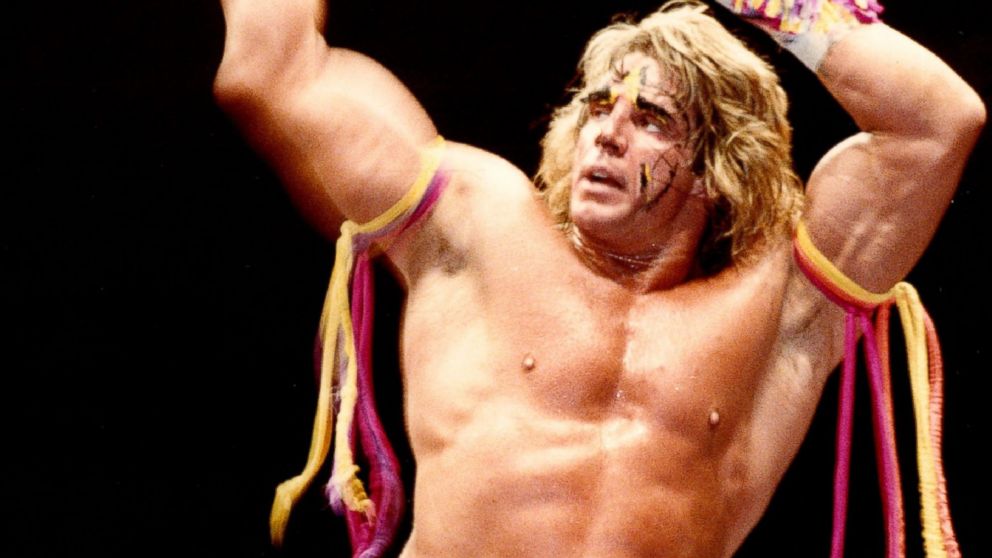
The Ultimate Warrior’s visual identity was perhaps his most immediate and potent brand asset. His signature multi-colored face paint, often abstract and jagged, conveyed a sense of untamed energy and tribal mysticism. The vibrant tassels adorning his biceps, the broad-shouldered physique, and the constant, frenetic motion—shaking the ropes, flexing, sprinting to the ring—all contributed to a visual spectacle that instantly communicated intensity and otherworldly power. This aesthetic was highly reproducible and instantly recognizable, making it an incredibly strong foundation for merchandise and fan engagement.
Complementing this visual assault was his unique verbal identity. Warrior’s promos were legendary for their stream-of-consciousness delivery, often eschewing logical narratives for a torrent of abstract pronouncements about “parts of the cosmos,” “destruction,” and “warriors.” While sometimes perplexing, this approach created a distinct brand voice that was unlike anything else in wrestling. It tapped into a sense of raw emotion and unpredictability, captivating audiences who sought something beyond the traditional good-vs-evil narratives. He spoke directly to the “Warrior Nation,” creating a direct, almost spiritual bond with his fan base, cementing their loyalty through shared ideology rather than mere admiration. This authentic, albeit abstract, connection fostered a powerful, almost cult-like following.
Brand Messaging: Power, Passion, and Purity
The core message of The Ultimate Warrior brand was one of unbridled power and unwavering passion. He represented a pure, uncompromised force for justice, an antidote to corruption and mediocrity. Unlike many of his contemporaries who might exhibit moments of doubt or vulnerability, the Warrior brand conveyed an absolute, almost invincible spirit. This message resonated deeply with a fan base, particularly younger demographics, who were drawn to his seemingly boundless energy and his defiant stance against established norms.
His entrance, characterized by his explosive sprint to the ring, shaking the ropes with manic intensity, was a live demonstration of his brand promise. It wasn’t just an entrance; it was a ritual that prepared the audience for the high-octane performance that followed. This consistent delivery of his brand’s core attributes ensured that every appearance reinforced the Ultimate Warrior’s unique market position as an unstoppable, exhilarating force. He symbolized the raw, untamed spirit of competition, a brand that spoke to the inner warrior in every fan.
Navigating the Brand’s Zenith and Challenges
The Ultimate Warrior’s brand ascended rapidly, reaching its zenith in the late 1980s and early 1990s, culminating in his historic victory over Hulk Hogan at WrestleMania VI, where he simultaneously held both the WWE Championship and the Intercontinental Championship. This moment solidified his position as the potential successor to Hogan’s throne, a massive brand endorsement within the industry. However, managing such an intense and unique brand came with significant challenges, both within and outside the wrestling ring.
The Business of Being Ultimate
At its peak, The Ultimate Warrior brand was a commercial juggernaut. His merchandise, from t-shirts to action figures, flew off the shelves, driven by his distinct visual identity and the passionate loyalty of his “Warrior Nation.” His drawing power was undeniable, making him a central figure in WWE’s global expansion efforts. The business strategy behind the Warrior brand was to capitalize on his unique mystique and explosive appeal, positioning him as a dynamic, unpredictable alternative to the more traditional heroes.
However, Hellwig’s strong personal conviction regarding the integrity of the Warrior brand often clashed with the corporate structure of professional wrestling. He sought to maintain creative control and ensure the character’s portrayal remained true to his vision, often leading to disagreements over pay, booking, and creative direction. These behind-the-scenes struggles highlighted the inherent tension between an individual’s personal brand vision and the commercial demands of a large entertainment corporation. His insistence on protecting the essence of the Ultimate Warrior persona, even at the cost of his employment, underscored his profound belief in the brand’s identity and value.
Brand Disputes and Evolution
The challenges to the Ultimate Warrior brand became acutely apparent through various departures and legal battles with WWE. Each separation risked diluting the brand’s power and leaving fans confused. Crucially, Hellwig fiercely protected the intellectual property of “The Ultimate Warrior,” going to court to secure ownership of the name and likeness. This legal victory was a pivotal moment in personal branding, as it affirmed an individual’s right to control their created persona, even against a dominant entertainment entity. He understood that the brand was not just a character; it was an extension of his identity, and its control was paramount to his personal and professional narrative.

Post-WWE, Hellwig briefly wrestled under different names and sought to evolve his brand beyond the wrestling ring. These attempts, while not reaching the same heights of his WWE tenure, demonstrated a desire to pivot and redefine the “Ultimate Warrior” brand on his own terms. His independent ventures showcased a commitment to maintaining ownership and charting a path that aligned with his evolving personal philosophy, even if it meant a smaller platform. This period was crucial for him to explore how the core values of the Warrior brand could be applied to new contexts, such as motivational speaking.
The Post-Wrestling Identity: Reclaiming the Narrative
After his final full-time wrestling run, The Ultimate Warrior entered a phase of intentional brand redefinition. He stepped away from the active wrestling circuit, choosing to leverage his unique perspective and experiences into new avenues. This period was marked by a conscious effort to broaden the Warrior brand’s scope, moving beyond mere athletic entertainment to a more philosophical and motivational platform.
Beyond the Ring: Speaking and Philosophy
Hellwig transitioned into a career as a public speaker and conservative commentator, developing a new facet of the “Ultimate Warrior” brand that focused on personal empowerment, self-reliance, and critical thinking. He maintained a strong online presence, sharing his often provocative views on politics, culture, and personal development. This pivot was a bold strategic move, demonstrating that the underlying principles of the Warrior brand—intensity, conviction, and a challenge to the status quo—could be applied effectively outside the wrestling arena. He sought to inspire his “Warrior Nation” to fight their own battles, embody their own truths, and forge their own paths.
This evolution of the brand allowed Hellwig to connect with a different audience while retaining the core tenets of his original persona. The abstract, philosophical elements of his wrestling promos found new expression in structured speeches and online essays. He cultivated a brand that was less about physical prowess and more about intellectual and spiritual fortitude, demonstrating remarkable agility in adapting his core brand message to a new medium and demographic.
The Digital Footprint and Legacy Management
In the digital age, managing a public figure’s brand requires navigating social media and online discourse. Hellwig actively engaged with his audience through his personal website and social media channels, further cementing his direct connection with fans. He meticulously curated his online presence, offering a deeper look into his thoughts and beliefs, reinforcing the authentic, unfiltered nature of the Warrior brand.
His post-wrestling career also involved carefully managing his legacy within professional wrestling. While there were years of animosity with WWE, he never truly abandoned the persona that made him famous. Instead, he worked to ensure that the historical record of The Ultimate Warrior was accurate and reflective of his contributions and his unique vision. This proactive approach to legacy management was vital in controlling the narrative surrounding his influential brand. He understood that a brand’s ultimate value lies not just in its present impact, but in its enduring historical significance.
Immortalizing the Ultimate Brand
The final chapter in the story of The Ultimate Warrior brand is one of remarkable reconciliation and posthumous celebration, cementing its place in the pantheon of iconic personal brands. His return to WWE after decades of estrangement showcased the powerful and often emotional nature of brand loyalty and forgiveness, both from the fans and the company itself.
Reconciliation and Re-branding
In 2014, The Ultimate Warrior was inducted into the WWE Hall of Fame. This was more than just an honor; it was a significant brand rehabilitation and reconciliation. For years, the Warrior had been largely omitted from WWE’s historical narratives due to their past disputes. His induction, along with his appearance at WrestleMania XXX and Monday Night Raw, represented a strategic re-embrace of the Warrior brand by WWE, acknowledging its undeniable impact and cultural significance. This act of bringing a prodigal brand back into the fold was a testament to its enduring power and the emotional connection it held with generations of fans.
During his Hall of Fame speech and subsequent appearances, Hellwig delivered poignant, reflective messages that underscored the themes of destiny, self-belief, and the indelible link between the performer and the audience. His final public words, “Every man’s heart one day beats its final beat. His lungs breathe their final breath. And if what that man did in his life makes the blood pulse through the body of others, and makes them believe deeper in something larger than life, then his essence, his spirit, will be immortalized,” served as a powerful, self-penned epitaph for his brand. He wasn’t just talking about himself; he was articulating the very essence of what makes a personal brand truly immortal.
The Enduring Impact and Lessons in Personal Branding
Just days after his WWE return, The Ultimate Warrior passed away, making his final appearances all the more poignant and impactful. His untimely death solidified his legacy, transforming him from a controversial figure into an immortalized icon. WWE, recognizing the profound impact, established the “Warrior Award” as part of its Hall of Fame ceremony, honoring individuals who embody the Warrior’s spirit of perseverance and unwavering commitment to a cause. This initiative further enshrined his brand values within the corporate identity of professional wrestling’s largest promotion.
The story of The Ultimate Warrior is a profound lesson in personal branding. It illustrates that a strong brand, built on a unique identity, consistent messaging, and a deep connection with its audience, can transcend controversies, adapt to new platforms, and ultimately achieve a form of immortality. “What happened to The Ultimate Warrior” is the story of a brand that was born in fire, battled through challenges, evolved beyond its initial confines, and, through a powerful final act, achieved eternal status, continuing to pulse through the collective memory of the “Warrior Nation” and beyond. His journey exemplifies how a personal brand, when passionately conceived and fiercely protected, can become larger than life itself.
aViewFromTheCave is a participant in the Amazon Services LLC Associates Program, an affiliate advertising program designed to provide a means for sites to earn advertising fees by advertising and linking to Amazon.com. Amazon, the Amazon logo, AmazonSupply, and the AmazonSupply logo are trademarks of Amazon.com, Inc. or its affiliates. As an Amazon Associate we earn affiliate commissions from qualifying purchases.