
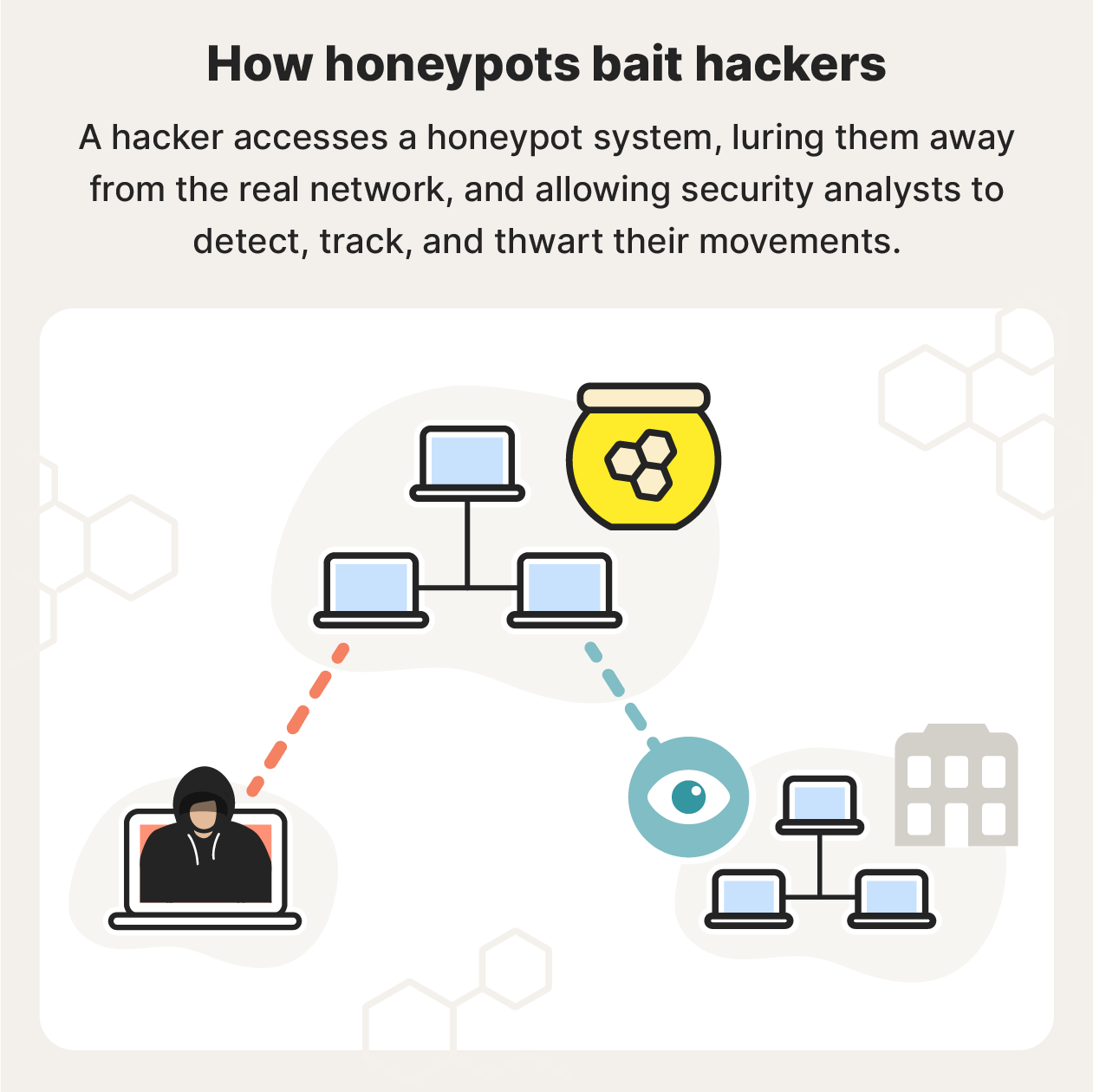
In the intricate and ever-evolving landscape of digital security, a honeypot stands as a critical defensive mechanism, a decoy system designed to lure, detect, and analyze cyberattacks. Far from being a primary protective layer, a honeypot serves as an intelligent trap, masquerading as a legitimate, vulnerable system to attract malicious actors. Its core utility lies not in preventing breaches directly, but in gathering invaluable intelligence about threats, understanding attacker methodologies, and fortifying overall security postures. This proactive, deceptive strategy provides organizations with insights that traditional firewalls and intrusion detection systems (IDS) might miss, offering a unique window into the minds and techniques of cybercriminals.
The Strategic Role of a Honeypot in Cybersecurity Defenses
At its heart, a honeypot is an isolated, monitored system, network, or server that appears to be part of an organization’s production environment but is, in fact, entirely separate and devoid of real organizational data. Its purpose is to present an enticing target to attackers, encouraging them to interact with it rather than with actual operational assets. By engaging with this simulated vulnerability, attackers unwittingly reveal their tools, tactics, and procedures (TTPs), providing cybersecurity teams with actionable intelligence without risking critical infrastructure.
Defining a Digital Lure
A honeypot is strategically designed to mimic a real system, often featuring mock databases, fake credentials, or simulated services that would appeal to an attacker. This could be anything from an exposed SSH port, a web server with known vulnerabilities, or even an entire virtual network segment. The deception is crucial; the more convincing the honeypot, the more likely it is to attract and retain an attacker’s attention. Every interaction with the honeypot, from initial scans to attempted exploits and data exfiltration, is meticulously logged and analyzed.
The Analogy to a Physical Trap
The concept of a honeypot is analogous to a physical trap set to catch an intruder or an animal. Just as a hunter places bait in a trap to learn about the prey or remove a threat, a cybersecurity team deploys a digital bait to understand and mitigate cyber threats. The key difference is that while a physical trap often aims to neutralize, a digital honeypot primarily aims to observe and learn. It provides a controlled environment where the consequences of an intrusion are limited, allowing for safe experimentation and data collection.
Key Characteristics
Several characteristics define a honeypot:
- Isolation: Honeypots must be completely isolated from production systems to prevent attackers from pivoting from the honeypot into the actual network.
- Attractiveness: They are intentionally made to look vulnerable and valuable to an attacker, often containing enticing fake data or configuration weaknesses.
- Monitoring: Every action taken within a honeypot is logged and analyzed. This includes connection attempts, commands executed, files accessed, and exploits deployed.
- Deception: The fundamental principle is to deceive attackers into believing they are interacting with a legitimate target.
Primary Applications and Objectives of Honeypots
The deployment of honeypots serves several critical objectives within a comprehensive cybersecurity strategy. These objectives extend beyond simple detection to encompass deep threat intelligence gathering and even strategic deterrence.
Detecting and Understanding Threats
One of the foremost uses of a honeypot is early threat detection. Since no legitimate traffic should ever interact with a honeypot, any activity registered is, by definition, suspicious and warrants investigation. This immediate flagging of malicious intent allows security teams to detect attacks that might bypass traditional perimeter defenses. Furthermore, by observing the attacker’s methods within the honeypot, organizations can understand the nature of the threat – whether it’s an automated botnet scan, a targeted advanced persistent threat (APT), or an opportunistic exploit attempt. This understanding is crucial for refining defensive strategies.
Gathering Threat Intelligence
Beyond mere detection, honeypots are invaluable sources of threat intelligence. When an attacker interacts with a honeypot, they leave a digital footprint. This includes:
- Tools and Techniques: The specific malware, scripts, and exploit kits used.
- Vulnerabilities Targeted: Which software flaws or misconfigurations attackers are actively seeking to exploit.
- Attack Origins: IP addresses, geographical locations, and network signatures associated with malicious activity.
- Attack Motives: What data they attempt to access or exfiltrate, or what actions they try to perform (e.g., install ransomware, establish backdoors).
This real-time, first-hand data is critical for proactively updating intrusion detection systems, firewalls, and security policies, effectively turning an organization’s defense into a learning system that adapts to new threats.
Deterring Attackers
While not their primary function, a sophisticated honeypot can also act as a deterrent. If an attacker spends significant time and resources engaging with a honeypot only to discover it’s a decoy, they might become frustrated and abandon the attack, or at least re-evaluate their targets. The mere presence of known honeypot deployments in an industry or region can raise the perceived cost and risk for attackers, making them think twice before targeting certain entities.
Training and Research
Honeypots are excellent platforms for cybersecurity research and training. Security analysts can use them to safely experiment with attack scenarios, understand new exploit vectors, and refine their incident response skills without jeopardizing live systems. Researchers can deploy large-scale honeynet projects (networks of honeypots) to collect vast amounts of data on global threat trends, analyze the behavior of specific malware families, and contribute to the broader cybersecurity community’s knowledge base. Universities and security firms often leverage honeypots for academic study and developing next-generation security solutions.
Diverse Architectures: Types of Honeypots
Honeypots are not monolithic; they come in various forms, each designed for specific objectives and levels of interaction. These types are broadly categorized by their complexity and the depth of interaction they allow with attackers.
Low-Interaction Honeypots
These are simple to deploy and maintain, simulating only a limited number of services and operating systems. They offer minimal interaction capabilities to an attacker, typically responding to basic probes and connection attempts. Low-interaction honeypots are excellent for detecting automated scanning tools, brute-force attacks, and widespread malware campaigns. Their low resource consumption makes them scalable, allowing organizations to deploy many of them across their network perimeter. Examples include Kippo (SSH honeypot) or Dionaea (multi-protocol honeypot).
High-Interaction Honeypots
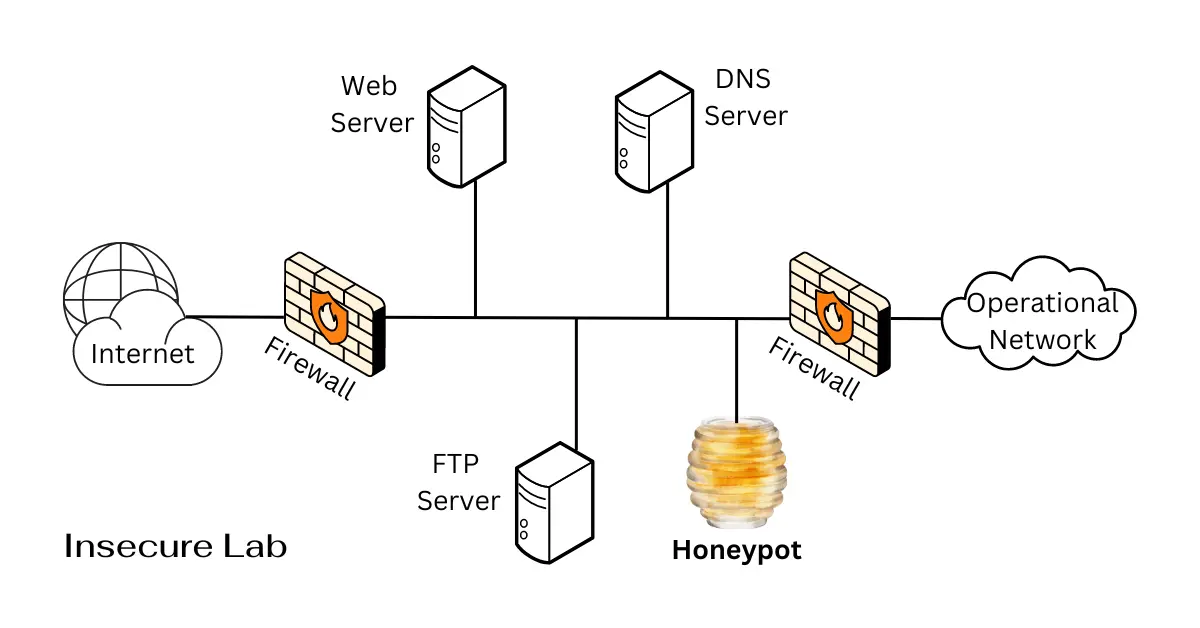
In contrast, high-interaction honeypots are complex, full-fledged systems that mimic a real production server or network environment. They offer extensive services and operating systems, allowing attackers to delve deep, explore the file system, execute commands, and even install their own malware. This level of interaction provides highly detailed intelligence about sophisticated attacks, zero-day exploits, and APTs. However, they require more resources to maintain and carry a higher risk if not properly isolated, as an exceptionally skilled attacker might potentially exploit a vulnerability in the honeypot itself to escape.
Research Honeypots
These are typically high-interaction honeypots deployed by academic institutions, security research organizations, or governments. Their primary goal is to gather extensive data about new threats, attacker motives, and global attack trends. They are often part of larger honeynets – networks specifically designed to house and monitor multiple honeypots – and contribute to public threat intelligence reports and security advisories.
Production Honeypots
Deployed within an organization’s production network, these are usually low-to-medium interaction honeypots. Their main purpose is to add an additional layer of security by detecting internal or external threats that have bypassed initial defenses. They provide immediate alerts when an attacker attempts to interact with them, serving as an early warning system for a potential breach.
Client Honeypots
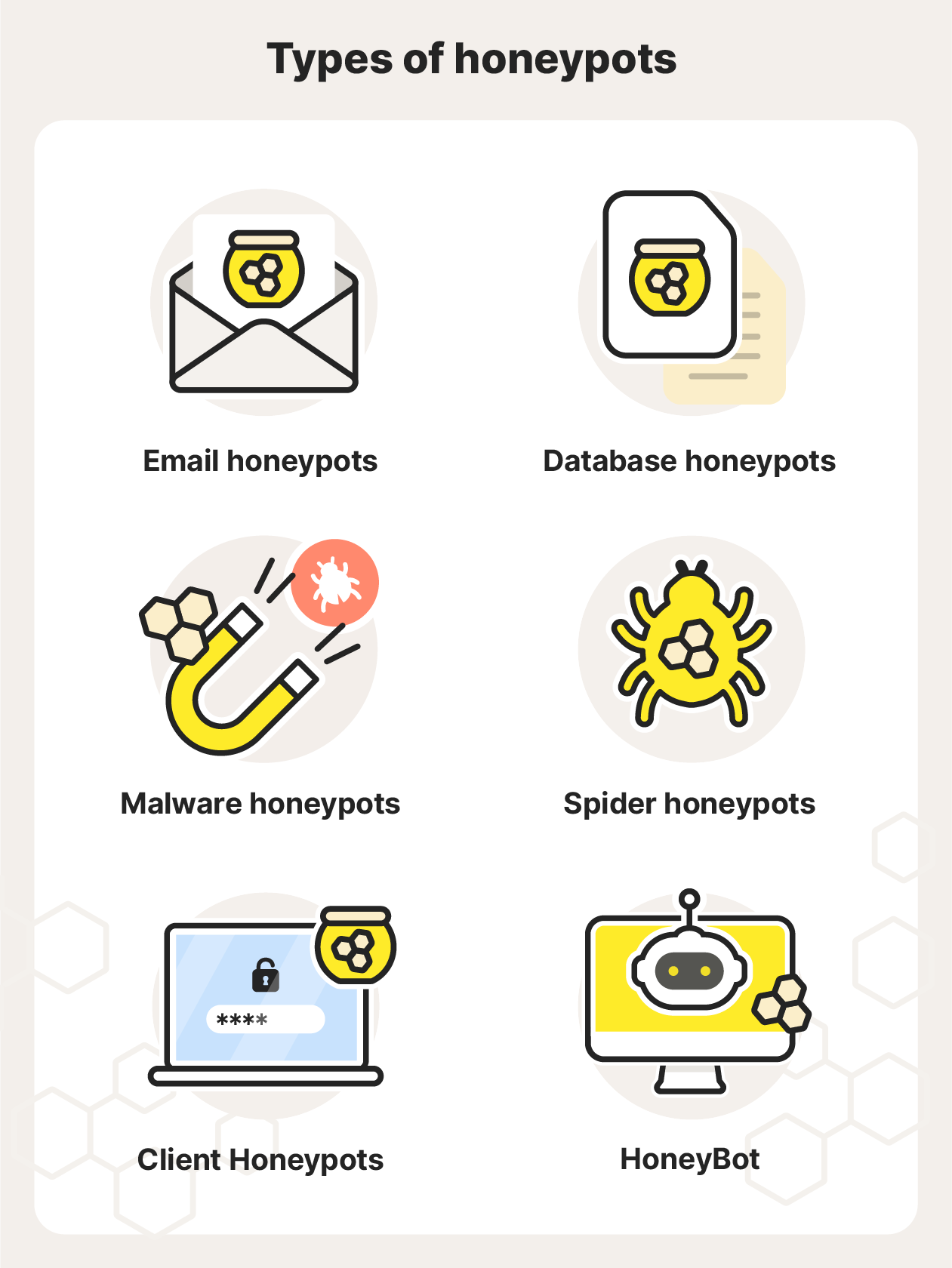
Unlike other types that wait for attackers to connect to them, client honeypots actively seek out malicious servers. They are designed to browse the internet, visit suspicious websites, and open potentially malicious email attachments, specifically looking for malicious code or exploits that could compromise client-side applications (like web browsers or document readers). This helps in identifying new drive-by download attacks and malicious web content.
Benefits and Challenges of Deployment
While honeypots offer significant advantages, their deployment is not without its complexities and potential pitfalls. Careful planning and management are crucial for effective utilization.
Advantages for Security Teams
- Early Warning System: Provides alerts for attacks that might evade traditional security measures.
- Rich Threat Intelligence: Offers deep insights into attacker TTPs, tools, and motivations.
- Cost-Effective Deterrence: Can waste an attacker’s time and resources, making the target less attractive.
- Reduced False Positives: Because all activity is malicious, there are virtually no false positives, making alerts highly reliable.
- Aid in Forensics: Logs provide a clean, uncompromised record of an attack, invaluable for forensic analysis.
- Security Posture Improvement: Data gathered helps in proactively patching vulnerabilities and improving overall defenses.
Risks and Considerations
- Risk of Compromise: Although isolated, a poorly configured high-interaction honeypot could theoretically be exploited to attack production systems.
- Resource Intensive: High-interaction honeypots demand significant resources for setup, maintenance, and monitoring.
- Maintenance Overhead: Requires continuous monitoring and updates to remain effective and secure.
- Legal and Ethical Issues: The act of “trapping” attackers raises ethical questions, especially concerning data privacy and potential legal ramifications if personal data is inadvertently collected.
- Narrow Scope: Honeypots only detect attacks directed at them; they don’t provide a comprehensive view of all network threats.
Best Practices for Implementation
To maximize benefits and mitigate risks, organizations should follow best practices:
- Strict Isolation: Ensure honeypots are completely segregated from production networks.
- Realistic Emulation: Make the honeypot believable and enticing to attract attackers.
- Continuous Monitoring: Implement robust logging and alerting mechanisms.
- Regular Updates: Keep honeypot software and underlying systems updated to prevent reverse exploitation.
- Clear Objectives: Define what intelligence needs to be gathered before deployment.
- Legal Review: Consult legal counsel regarding data collection and entrapment laws.
The Future Role of Honeypots in Evolving Threat Landscapes
As cyber threats become more sophisticated, the role of honeypots is also evolving. They are increasingly integrated with advanced technologies and adapted to new environments to remain effective.
Integration with AI and Machine Learning
Future honeypots will heavily leverage Artificial Intelligence and Machine Learning to enhance their capabilities. AI can analyze vast amounts of log data from honeypots to identify patterns, predict attacker behavior, and detect novel attack vectors far more rapidly than human analysts. Machine learning algorithms can also make honeypots more dynamic and adaptive, allowing them to mimic different vulnerabilities and system configurations in real-time based on observed threats, thereby improving their attractiveness and data collection efficacy.
Cloud-Based Honeypots
The shift to cloud computing environments also extends to honeypots. Cloud-based honeypots can be deployed rapidly, scaled on demand, and distributed globally to monitor threats across various geographic regions and cloud providers. This distributed model offers a wider net for catching diverse threats and provides intelligence specific to cloud environments, which often have different attack surfaces than on-premise infrastructure.
Expanding Beyond Traditional Networks
The application of honeypots is expanding beyond traditional IP networks to cover new frontiers. This includes Industrial Control Systems (ICS) honeypots designed to lure attackers targeting critical infrastructure, Internet of Things (IoT) honeypots to detect exploits against smart devices, and even blockchain-based honeypots to understand threats against decentralized ledgers. This diversification ensures that the valuable intelligence-gathering capabilities of honeypots remain relevant across the expanding digital attack surface.
In conclusion, honeypots are indispensable tools in a modern cybersecurity arsenal. They provide a critical layer of defense-in-depth by offering a controlled environment for observing and understanding adversaries. By transforming potential attacks into learning opportunities, honeypots empower organizations to build more resilient defenses, anticipate future threats, and ultimately, stay one step ahead of the ever-present digital adversary.
aViewFromTheCave is a participant in the Amazon Services LLC Associates Program, an affiliate advertising program designed to provide a means for sites to earn advertising fees by advertising and linking to Amazon.com. Amazon, the Amazon logo, AmazonSupply, and the AmazonSupply logo are trademarks of Amazon.com, Inc. or its affiliates. As an Amazon Associate we earn affiliate commissions from qualifying purchases.