
The power of a brand is often measured by its resonance—the ability of a name, a story, or a symbol to evoke a specific emotional response across generations. While we typically associate branding with consumer products or corporate identities, some of the most potent examples of narrative management emerge from historical events. The case of the Scottsboro Boys—nine African American teenagers falsely accused of a crime in 1931 Alabama—is not merely a legal tragedy; it is a foundational case study in how narratives are constructed, competed for, and eventually “rebranded” over the course of a century.

To understand what happened to the Scottsboro Boys from a strategic perspective is to understand the mechanics of public perception. Their story became a battleground for two of the most significant “advocacy brands” of the 20th century, illustrating how the control of a message determines the ultimate legacy of an identity.
The Architecture of a Narrative: How the Scottsboro Case Became a Global Symbol
Every successful brand requires a core narrative that simplifies complex realities into a compelling story. In 1931, the arrest of the Scottsboro Boys provided the raw material for a narrative that would cross international borders. However, the “brand” of the Scottsboro Boys was not a monolith; it was a contested asset.
From Local Incident to International Brand
Initially, the case was a local legal matter in a segregated South. However, it quickly transformed into a global symbol of systemic injustice. This transition was not accidental. It was the result of deliberate strategic positioning. By framing the individual teenagers as symbols of a broader struggle, activists were able to scale the story. In branding terms, the “product” moved from a local niche to a global market, gaining “equity” as a rallying cry for civil rights.
The Competition for Control: ILD vs. NAACP
One of the most fascinating aspects of the Scottsboro case from a brand strategy perspective was the “hostile takeover” of the narrative by the International Labor Defense (ILD), the legal arm of the Communist Party. The ILD recognized the potential of the Scottsboro brand early and moved aggressively to secure representation, sidelining the NAACP.
The ILD’s strategy was “disruptive.” They used radical, confrontational messaging that targeted the global working class. In contrast, the NAACP’s brand was built on “respectability politics” and gradual legal reform. This competition for narrative control forced both organizations to refine their identities. The ILD eventually succeeded in making “Scottsboro” a household name in Europe and the Soviet Union, demonstrating how a clear, aggressive brand voice can dominate a market, even against a more established competitor.
Media as the Medium: Shaping Public Perception through Strategic Storytelling
In the 1930s, the “tools of the trade” for brand managers were newspapers, pamphlets, and public rallies. The way the Scottsboro story was told across these mediums determined how the public—and history—would view the nine young men.
The Role of Visual Branding and Imagery
The imagery used to promote the Scottsboro Boys’ cause was highly curated. Posters and flyers often depicted the youths in a stylized, sympathetic light, contrasting their perceived innocence with the monolithic, shadow-like figures of their accusers or the legal system. This visual branding was essential for building empathy. In modern marketing, we call this “emotional branding.” By creating a visual shorthand for the injustice, the ILD and later the Scottsboro Defense Committee ensured that even those who could not read the legal briefs understood the stakes of the “brand.”
Grassroots Mobilization as Brand Advocacy
What happened to the Scottsboro Boys was significantly influenced by what we now call “brand advocates.” Protests were organized in cities like Berlin, Paris, and New York. This grassroots mobilization served as a powerful endorsement of the narrative. When thousands of people march under a single name, that name gains a level of social proof that no amount of paid advertising can buy. The “Scottsboro” brand became a vehicle for people to express their own values, a hallmark of successful community-based branding.

The Long-Term Impact on Corporate and Social Justice Branding
The legacy of the Scottsboro Boys offers profound lessons for modern brand strategists, particularly those navigating the intersection of corporate identity and social justice. The case highlights the risks and rewards of “cause marketing” and the importance of authenticity.
Lessons in Crisis Management and Reputational Integrity
For the legal system of Alabama, the Scottsboro case was a catastrophic failure of “brand integrity.” The state’s insistence on pursuing convictions despite overwhelming evidence to the contrary created a lasting negative perception that took decades to mitigate. This serves as a reminder that an organization’s actions must align with its stated values. If a brand claims to represent “justice” but delivers “prejudice,” the resulting “brand tax”—the long-term cost of lost trust—can be insurmountable.
Authenticity in the Age of ‘Cause Marketing’
Modern brands often attempt to align themselves with social movements, a practice that mirrors the ILD’s involvement with the Scottsboro Boys. However, the lesson from 1931 is that the audience can sense when a brand is using a cause for its own gain. The ILD was often accused of using the boys as pawns for political recruitment rather than focusing on their individual well-being. Today, brands must ensure that their involvement in social issues is not just a “marketing overlay” but is rooted in genuine commitment. Authenticity is the currency of the modern era, and a lack of it can lead to a “narrative backlash.”
Rebranding History: The Modern Recognition and Restoration of a Legacy
The final chapter of “what happened to the Scottsboro Boys” is a story of rebranding—of correcting a false narrative and restoring the integrity of a tarnished identity. This process, spanning over 80 years, illustrates how a legacy can be managed and rehabilitated even after the primary “stakeholders” are gone.
Posthumous Pardons and the Correction of the Brand Narrative
In 2013, the state of Alabama officially granted posthumous pardons to the Scottsboro Boys. From a strategic standpoint, this was a “brand correction.” It was an official admission that the previous narrative—the one that had labeled these men as criminals for decades—was fundamentally flawed. This move was not just a legal formality; it was a necessary step in the state’s own “rebranding” effort to distance itself from its Jim Crow past. It shows that even the most damaged brands can find a path to redemption through a public commitment to the truth.
Educational Branding: Keeping the Story Alive in the Digital Age
Today, the story of the Scottsboro Boys is preserved through museums, digital archives, and educational programs. This is a form of “legacy branding.” By institutionalizing the story, proponents ensure that the “brand” remains relevant to new audiences. The Scottsboro Boys Museum in Alabama serves as a physical “touchpoint” for the brand, allowing visitors to engage with the narrative in a controlled, immersive environment.
In the digital age, this story has been “repackaged” for social media and online learning, ensuring that the lessons of the case are accessible to a generation that consumes information through short-form content and visual storytelling. The transition from a 1931 newspaper headline to a 2024 digital archive represents a masterclass in brand longevity.
Conclusion: The Endurance of Narrative
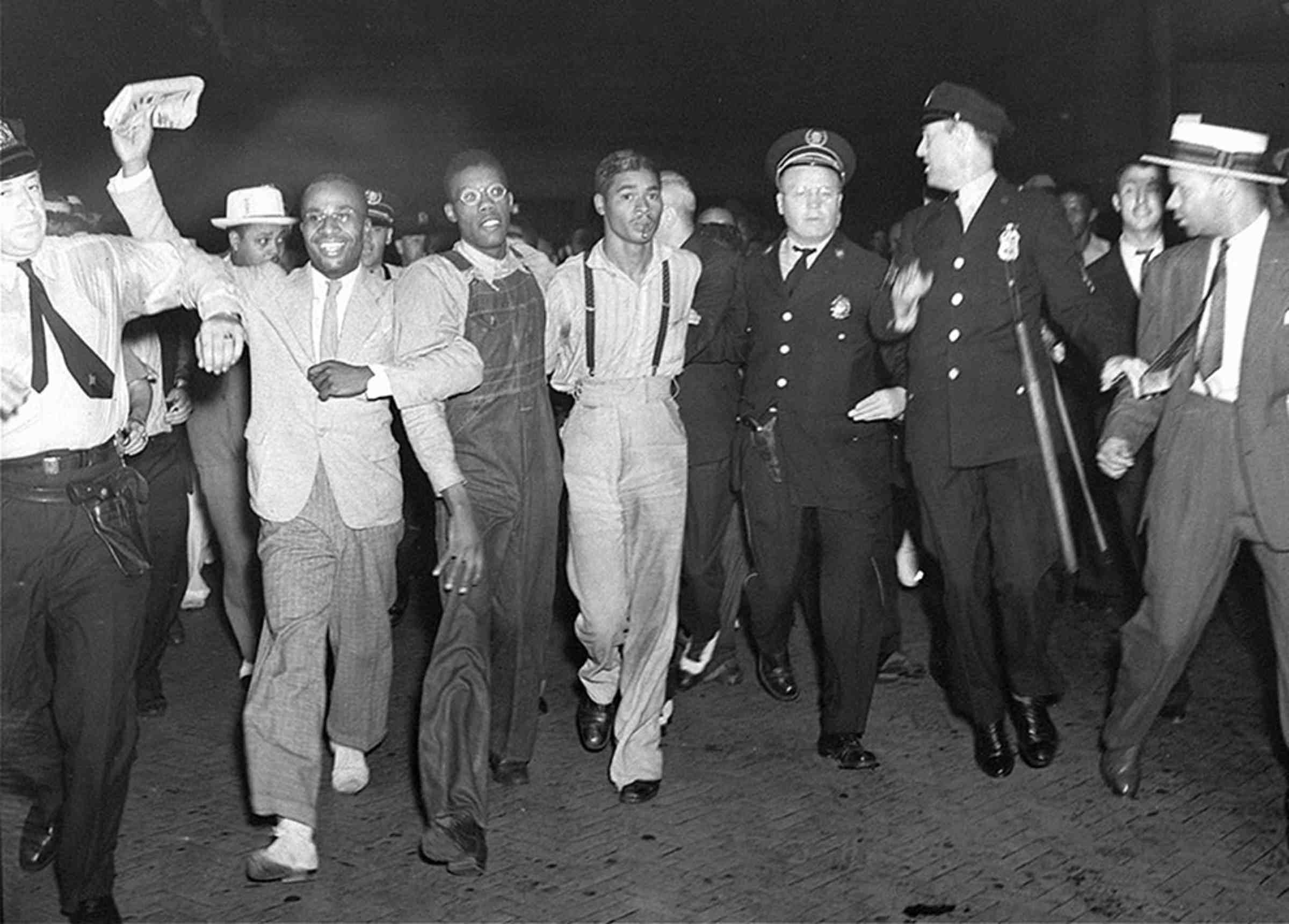
What happened to the Scottsboro Boys is a testament to the fact that while individuals may pass away, the narratives built around them endure. Their journey from nine teenagers on a train to symbols of global injustice—and finally to icons of legal reform—is a powerful illustration of the mechanics of branding.
For professionals in brand strategy and marketing, the case underscores a vital truth: you do not always own your brand; the public does. The way a story is framed, the advocates who champion it, and the authenticity of the message determine its place in history. The Scottsboro Boys’ legacy was built in the fires of conflict, refined by media manipulation, and eventually redeemed by a commitment to historical truth. It remains one of the most significant “identity” case studies in American history, proving that the most powerful brands are those that stand for something much larger than themselves.
aViewFromTheCave is a participant in the Amazon Services LLC Associates Program, an affiliate advertising program designed to provide a means for sites to earn advertising fees by advertising and linking to Amazon.com. Amazon, the Amazon logo, AmazonSupply, and the AmazonSupply logo are trademarks of Amazon.com, Inc. or its affiliates. As an Amazon Associate we earn affiliate commissions from qualifying purchases.