
In the landscape of modern personal finance, few line items are as ubiquitous as the Amazon Prime subscription. What began in 2005 as a simple $79-per-year membership focused on two-day shipping has evolved into a sprawling ecosystem of digital media, grocery discounts, and logistics services. However, with the most recent price hikes bringing the annual cost to $139, many households are beginning to ask a critical question: how much is Amazon Prime actually costing me, and is the return on investment still there?
To answer “how much” Amazon Prime is, one must look beyond the sticker price and analyze the subscription through a financial lens. This means evaluating the direct costs, the secondary savings, and the potential for “lifestyle creep” that frictionless shopping often encourages.
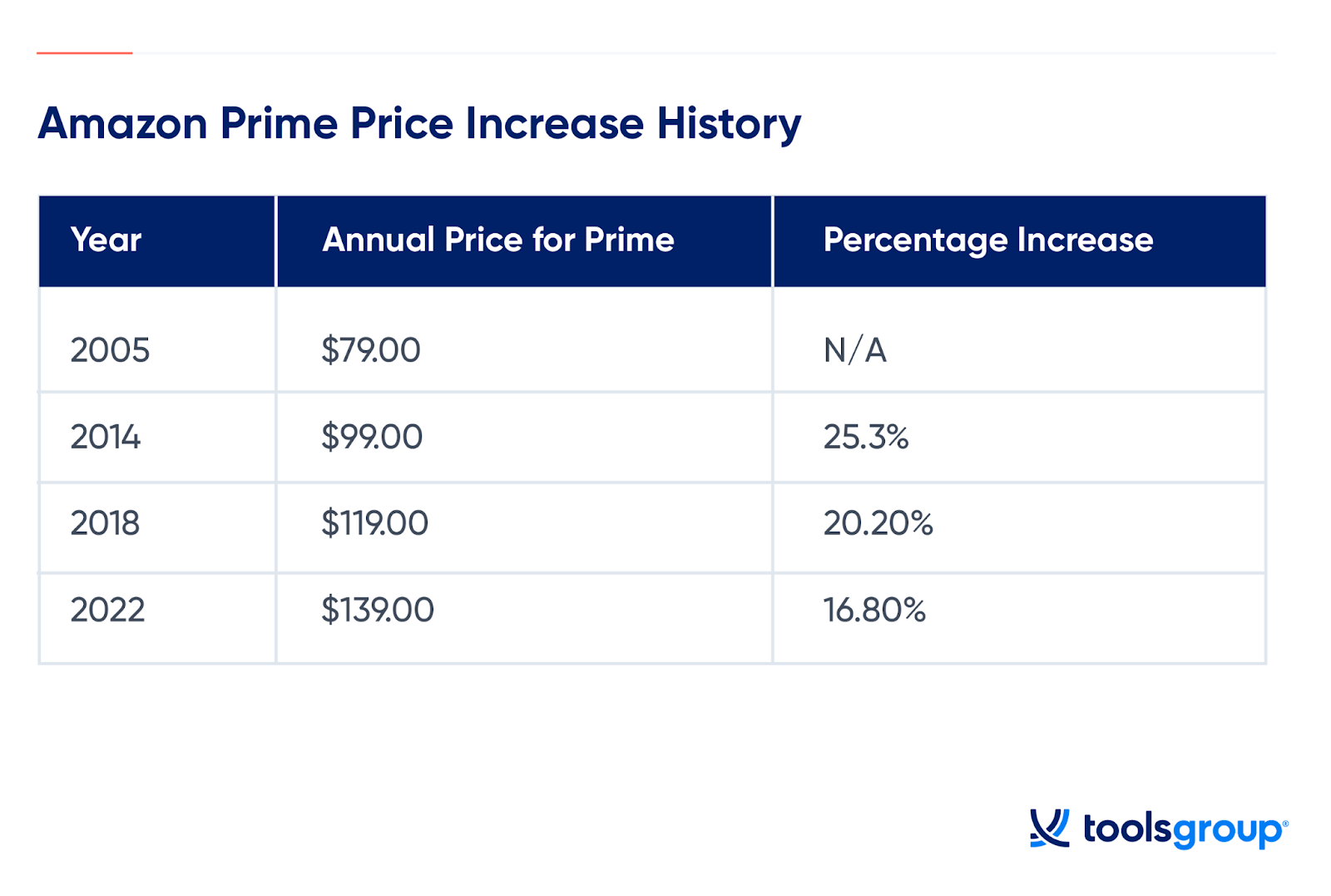
The Core Numbers: Understanding the Current Subscription Tiers
Before analyzing the value, we must establish the baseline expenditures. Amazon offers several entry points into its Prime ecosystem, each designed to capture a different demographic of the consumer market.
Annual vs. Monthly: The Cost of Flexibility
For the standard consumer, the choice usually falls between the $139 annual payment and the $14.99 monthly plan. From a strictly financial perspective, the annual plan is the superior choice for long-term users, totaling roughly $11.58 per month—a savings of about $41 per year compared to the monthly installments. However, the monthly plan serves as a strategic tool for “seasonal” subscribers who might only need the service during the holiday shopping window or for a specific series release on Prime Video.
Discounted Tiers: Student and Access Programs
Amazon aggressively pursues younger demographics and low-income households through targeted pricing. Prime Student is currently priced at $69 per year (or $7.49 per month), offering nearly identical benefits to the standard tier. This is a strategic move to build brand loyalty during the high-spending years of early adulthood. Additionally, the “Prime Access” tier offers a discounted rate of $6.99 per month for recipients of qualifying government assistance programs, such as SNAP or EBT. For these users, the “cost” is significantly lower, making the logistics and grocery benefits more accessible.
The Opportunity Cost of the Membership Fee
In the world of personal finance, every dollar spent has an opportunity cost. If a consumer invests that $139 into a diversified index fund with an average 7% annual return, after 30 years, that single year’s membership fee would be worth over $1,000. While this is an extreme example, it highlights the importance of ensuring that a recurring subscription provides tangible, measurable value that exceeds its price tag.
Quantifying the Value: Beyond the Shipping Fee
To justify the $139 annual fee, a subscriber must extract more than that amount in “saved” costs. This is where the calculation becomes highly individualized. For some, the shipping alone pays for the membership; for others, the digital perks provide the bulk of the ROI.
The Shipping Math
The primary value proposition remains “free” shipping. If we estimate the average cost of standard shipping at $5 to $10 per order, a subscriber only needs to place 14 to 28 orders per year to break even on the membership fee alone. In an era where many households order household essentials, pet food, and electronics online, hitting this threshold is often effortless. However, for the minimalist consumer who shops locally, this math fails to add up.
The Digital Media Substitution Effect
One of the most effective ways to analyze the “cost” of Prime is to view it as a substitute for other paid services.
- Prime Video: With Netflix and Max (formerly HBO Max) increasing their prices, Prime Video—which is included in the membership—represents a significant saving for those who would otherwise pay $10–$15/month for a standalone streaming service.
- Prime Music and Gaming: While not as robust as Spotify or dedicated gaming platforms, these inclusions can reduce a household’s total entertainment budget if used as primary sources of media.
- Amazon Photos: For those paying for Google One or Apple iCloud storage, the unlimited photo storage included with Prime can allow users to downgrade their other cloud tiers, potentially saving $20–$50 per year.
Grocery Savings and Whole Foods
Since the acquisition of Whole Foods, Amazon has integrated Prime into the grocery sector. Prime members receive an additional 10% off sale items and exclusive weekly deals. For a family that spends $200 a week on groceries, even a modest 2% average saving through Prime-exclusive deals results in $208 saved annually—more than covering the cost of the entire membership.
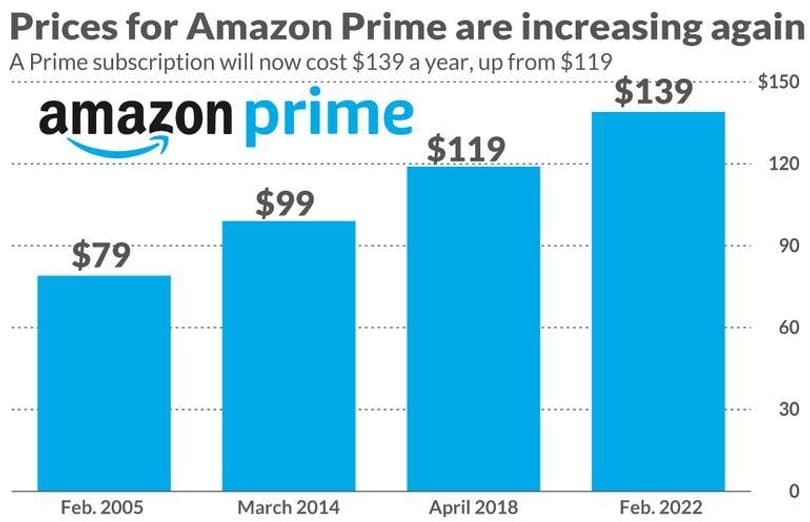
The Hidden Costs of Convenience: Behavioral Finance and “Prime” Spending
While the direct savings are easy to track, a professional financial analysis must also consider the behavioral impact of being a Prime member. Amazon’s business model is predicated on the idea that once you pay the “entry fee,” you are psychologically incentivized to do all your shopping within their ecosystem.
The Frictionless Spending Trap
Behavioral economics suggests that the “sunk cost” of the Prime membership makes users feel they must “get their money’s worth.” This often leads to unnecessary purchases. Furthermore, the “Buy Now” button and one-click ordering remove the “pain of paying”—the psychological hesitation we feel when handing over cash. This friction-free environment can lead to impulse spending that far outweighs any savings gained from free shipping.
Price Comparison Neglect
Prime members are statistically less likely to price-compare items on other platforms once they are within the Amazon app. The “Free Shipping” badge acts as a powerful cognitive shortcut. However, several studies have shown that third-party retailers or big-box competitors like Walmart and Target often offer lower base prices for the same items. If a Prime member pays $2 more for an item just because of the convenience of Prime, and they do this 50 times a year, they have effectively added another $100 to the “hidden cost” of their membership.
Subscription Bloat
Amazon Prime is often the “anchor” subscription that leads to further “add-on” spending. From Prime Video Channels (like Paramount+ or Starz) to Kindle Unlimited and Audible, the Prime environment is designed to upsell. A user who started with a $139 annual commitment can easily find themselves spending over $500 a year on various Amazon-integrated digital services.
Strategies to Maximize Your Financial Return on Investment
If you determine that the cost of Prime is a necessary or beneficial part of your budget, there are several ways to ensure you are maximizing your financial ROI.
Household Sharing (Amazon Household)
One of the most underutilized financial features of Prime is “Amazon Household.” This allows two adults to share a single Prime membership while keeping their individual accounts, payment methods, and recommendation histories separate. By splitting the $139 fee between two adults (even if they are just roommates or partners), the cost drops to $69.50 per person, drastically lowering the break-even point.
The Prime Rewards Visa Synergy
For those with disciplined credit habits, the Amazon Prime Rewards Visa Signature Card offers 5% back on all Amazon and Whole Foods purchases. For a household that spends $3,000 a year on Amazon (roughly $250 a month on groceries and supplies), the 5% back yields $150 in rewards. This cash back effectively pays for the membership fee entirely, turning Amazon Prime into a “net-zero” cost service.
Utilizing “No-Rush” Shipping
If you do not need an item immediately, selecting “No-Rush Shipping” often provides promotional credits (usually $1 to $3) that can be used toward digital purchases, such as movie rentals or Kindle books. For a frequent shopper, these credits can accumulate to $30–$50 a year, further subsidizing the cost of the annual fee.

Final Verdict: Is the Price Right?
Determining “how much” Amazon Prime costs requires a two-step audit of your personal finances. First, calculate your direct savings: shipping costs avoided, grocery discounts realized, and other subscriptions (like Netflix or cloud storage) canceled in favor of Prime’s included services. Second, honestly assess your spending habits: has Prime increased your impulse buys, or does it save you time and gas money that would be spent driving to physical stores?
For the high-volume shopper and the consumer who fully utilizes the digital library, Amazon Prime remains one of the most cost-effective “utility” subscriptions available today. However, for the occasional shopper or the budget-conscious household that is susceptible to one-click impulse buys, the $139 price tag may be a financial leak rather than a tool for savings. In the current economy, the “cost” of Prime is not just the $139 fee—it is the sum of your subscription plus the discipline you exercise within the world’s most efficient marketplace.
aViewFromTheCave is a participant in the Amazon Services LLC Associates Program, an affiliate advertising program designed to provide a means for sites to earn advertising fees by advertising and linking to Amazon.com. Amazon, the Amazon logo, AmazonSupply, and the AmazonSupply logo are trademarks of Amazon.com, Inc. or its affiliates. As an Amazon Associate we earn affiliate commissions from qualifying purchases.