
The world of nutrition is often a complex landscape, with terms and concepts that can feel overwhelming. Among these, the distinction between different types of fats is particularly crucial for understanding their impact on our health. Monounsaturated fatty acids, often abbreviated as MUFAs, stand out as a cornerstone of a healthy dietary pattern. Unlike their saturated and polyunsaturated counterparts, MUFAs possess a unique chemical structure that confers specific health benefits, particularly in the realm of cardiovascular well-being. Understanding what a monounsaturated fatty acid is, where it’s found, and how it functions within the body is fundamental to making informed dietary choices that support long-term health and vitality.

The Chemistry and Classification of Monounsaturated Fatty Acids
To truly grasp the significance of monounsaturated fatty acids, it’s essential to delve into their fundamental chemical makeup. This understanding illuminates why they behave differently from other fats and, consequently, why they are favored in dietary recommendations.
Unsaturated Bonds and Molecular Structure
Fatty acids are long chains of carbon atoms, with hydrogen atoms attached. The “saturation” of a fatty acid refers to the number of hydrogen atoms bonded to the carbon chain.
-
Saturated Fatty Acids: In saturated fatty acids, every carbon atom in the chain is bonded to the maximum number of hydrogen atoms possible. This results in a straight, tightly packed molecular structure. Think of it like a perfectly stacked row of bricks. Because they are so compact, saturated fats tend to be solid at room temperature (e.g., butter, lard, coconut oil).
-
Unsaturated Fatty Acids: Unsaturated fatty acids have at least one double bond between carbon atoms in their chain. This double bond means that fewer hydrogen atoms can be attached, creating a “kink” or bend in the carbon chain. This bending prevents the molecules from packing as tightly together.
-
Monounsaturated Fatty Acids (MUFAs): As the name suggests, monounsaturated fatty acids contain one double bond within their carbon chain. This single double bond creates a distinct kink, making MUFAs less prone to oxidation and more fluid than saturated fats. They are typically liquid at room temperature but can solidify when chilled (e.g., olive oil).
-
Polyunsaturated Fatty Acids (PUFAs): These fatty acids have two or more double bonds in their carbon chain, resulting in more kinks and even greater fluidity. Examples include omega-3 and omega-6 fatty acids.
The presence of this single double bond is the defining characteristic of a MUFA. This structural feature dictates its physical properties and, more importantly, its metabolic fate and influence on health markers within the human body. Common examples of MUFAs include oleic acid (found abundantly in olive oil), palmitoleic acid, and vaccenic acid.
Cis vs. Trans Configurations
The double bond in unsaturated fatty acids can exist in two geometric configurations: cis and trans.
-
Cis Configuration: In the cis configuration, the hydrogen atoms attached to the carbon atoms forming the double bond are on the same side of the double bond. This is the naturally occurring form of most unsaturated fatty acids found in food. The cis configuration creates a significant kink or bend in the fatty acid chain.
-
Trans Configuration: In the trans configuration, the hydrogen atoms attached to the carbon atoms forming the double bond are on opposite sides of the double bond. This configuration results in a straighter molecule, similar to saturated fatty acids, and allows them to pack more tightly. Trans fats are primarily created industrially through a process called hydrogenation, where hydrogen is added to liquid vegetable oils to make them more solid and shelf-stable. While naturally occurring trans fats are found in small amounts in dairy and meat products, the artificially produced trans fats are the primary concern for health.
For monounsaturated fatty acids, the vast majority encountered in a healthy diet are in the cis configuration, contributing to their beneficial properties. Trans monounsaturated fatty acids are rare in natural food sources and are generally considered unhealthy.
The Health Benefits of Monounsaturated Fatty Acids
The primary reason for the emphasis on monounsaturated fatty acids in dietary guidelines stems from their profound and well-researched benefits, particularly concerning cardiovascular health and metabolic regulation.
Cardiovascular Health and Cholesterol Management
One of the most significant contributions of MUFAs to our health lies in their ability to favorably influence cholesterol levels. This impact is a key factor in reducing the risk of heart disease, the leading cause of mortality worldwide.
-
Improving HDL (“Good”) Cholesterol: Monounsaturated fatty acids have been shown to help increase levels of high-density lipoprotein (HDL) cholesterol in the blood. HDL cholesterol acts as a scavenger, transporting excess cholesterol from the arteries back to the liver for processing and removal. Higher HDL levels are associated with a lower risk of atherosclerosis, the buildup of plaque in the arteries.
-
Lowering LDL (“Bad”) Cholesterol: Crucially, MUFAs can help reduce levels of low-density lipoprotein (LDL) cholesterol. LDL cholesterol is often referred to as “bad” cholesterol because high levels can lead to plaque accumulation in the arteries. By replacing saturated fats in the diet with MUFAs, individuals can often see a decrease in their LDL cholesterol levels.
-
Reducing Oxidized LDL: Beyond simply lowering LDL levels, MUFAs may also play a role in preventing the oxidation of LDL cholesterol. Oxidized LDL is more damaging to artery walls and is a key player in the development of atherosclerosis. The antioxidant properties inherent in many foods rich in MUFAs, such as olive oil due to its polyphenol content, can contribute to this protective effect.
The overall effect of incorporating MUFA-rich foods into the diet is a more favorable cholesterol profile, which directly translates to a reduced risk of heart attacks, strokes, and other cardiovascular events.
Blood Sugar Regulation and Diabetes Prevention
The benefits of monounsaturated fatty acids extend beyond cholesterol management and into the crucial area of blood sugar control and diabetes prevention.
-
Improving Insulin Sensitivity: Insulin is a hormone that helps regulate blood glucose levels by allowing cells to absorb glucose from the bloodstream. Insulin resistance, where cells become less responsive to insulin, is a hallmark of type 2 diabetes. Studies suggest that diets rich in MUFAs can improve insulin sensitivity, meaning that the body’s cells respond more effectively to insulin, leading to better blood glucose regulation.
-
Slowing Glucose Absorption: The presence of fats in a meal can slow down the digestion and absorption of carbohydrates. This leads to a more gradual rise in blood glucose levels after eating, preventing the sharp spikes and subsequent crashes that can be problematic for individuals with diabetes or those at risk. MUFAs contribute to this effect, promoting a more stable glycemic response.
By improving insulin sensitivity and contributing to a more controlled release of glucose into the bloodstream, MUFAs can be a valuable dietary component for individuals looking to prevent or manage type 2 diabetes.
Anti-inflammatory Properties
Chronic inflammation is a root cause of many diseases, including heart disease, certain cancers, and autoimmune conditions. Monounsaturated fatty acids, particularly when consumed from whole food sources, are associated with anti-inflammatory effects.
-
Modulating Inflammatory Pathways: While the exact mechanisms are still being researched, MUFAs are believed to interact with various inflammatory pathways in the body. They may help to dampen the production of pro-inflammatory molecules and promote the production of anti-inflammatory ones.
-
Synergy with Antioxidants: Many foods that are excellent sources of MUFAs, such as extra virgin olive oil, are also rich in antioxidants and polyphenols. These compounds work synergistically with MUFAs to combat oxidative stress and reduce inflammation throughout the body.
The cumulative effect of these benefits underscores the importance of prioritizing monounsaturated fatty acids in a balanced and health-conscious diet.
Dietary Sources of Monounsaturated Fatty Acids
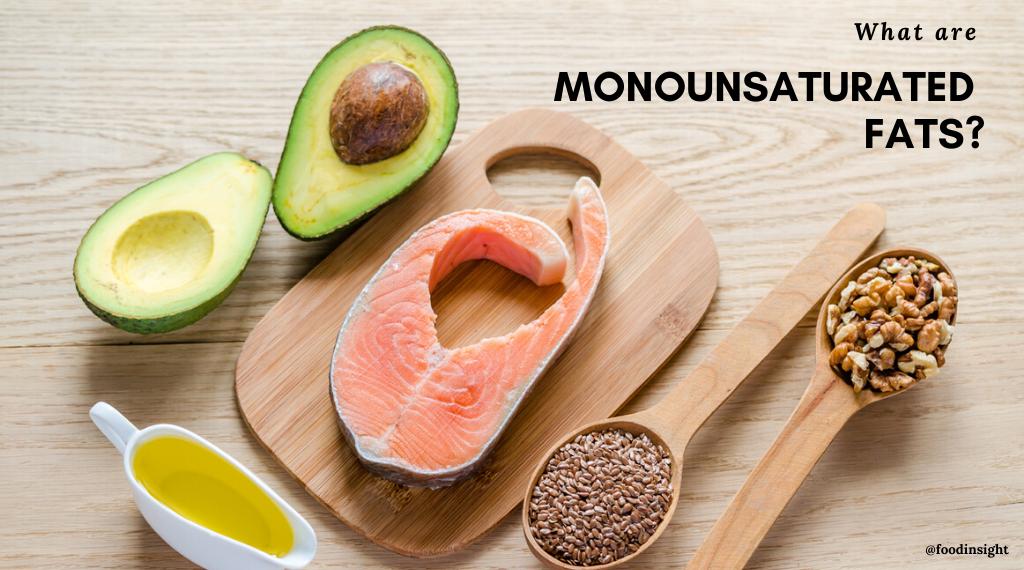
Fortunately, incorporating monounsaturated fatty acids into your daily meals is both delicious and straightforward. A wide array of whole, unprocessed foods are excellent sources, making it easy to build a diet that is both satisfying and beneficial for your health.
Plant-Based Oils and Fats
The most widely recognized and consumed sources of MUFAs are plant-based oils.
- Olive Oil: Extra virgin olive oil is perhaps the most celebrated source of MUFAs, particularly oleic acid. Its rich flavor and versatility make it a staple in Mediterranean cuisine and a healthy choice for salad dressings, cooking, and finishing dishes. The processing of extra virgin olive oil retains a wealth of beneficial antioxidants and polyphenols.

-
Canola Oil: Also known as rapeseed oil, canola oil is another good source of MUFAs and is more neutral in flavor, making it suitable for baking and general cooking.
-
Peanut Oil: A good option for high-heat cooking due to its stability, peanut oil offers a significant amount of MUFAs.
-
Avocado Oil: With a high smoke point and a mild flavor, avocado oil is excellent for cooking and is rich in MUFAs.
It’s important to note that while these oils are beneficial, moderation is key, and choosing cold-pressed or extra virgin varieties when possible often provides additional nutritional advantages.
Nuts and Seeds
Nuts and seeds are nutritional powerhouses, offering a dense package of healthy fats, including a substantial amount of MUFAs, along with protein, fiber, vitamins, and minerals.
-
Almonds: A popular and versatile snack, almonds are packed with MUFAs, vitamin E, and magnesium.
-
Cashews: These creamy nuts are a good source of oleic acid and contribute to heart health.
-
Pecans: Offering a rich, buttery flavor, pecans are a good source of MUFAs and antioxidants.
-
Macadamia Nuts: Known for their high fat content, macadamia nuts are particularly rich in monounsaturated fats.
-
Sesame Seeds: Whether in tahini or sprinkled on dishes, sesame seeds contribute MUFAs and other essential nutrients.
-
Pumpkin Seeds: Rich in magnesium and zinc, pumpkin seeds also provide a good amount of MUFAs.
Incorporating a handful of mixed nuts or a sprinkle of seeds into your daily routine can significantly boost your intake of beneficial fats.
Fruits and Other Foods
Beyond oils and nuts, several fruits and other foods also contribute monounsaturated fatty acids to the diet.
-
Avocado: This creamy fruit is an exceptional source of MUFAs, particularly oleic acid. It’s also rich in fiber, potassium, and various vitamins. Avocados can be enjoyed in salads, sandwiches, as guacamole, or even blended into smoothies.
-
Olives: The fruit from which olive oil is derived, olives themselves are a direct source of MUFAs and antioxidants. They can be enjoyed as a snack, in salads, or as a flavorful addition to many dishes.
-
Certain Meats and Dairy (in moderation): While generally encouraged to limit saturated fat intake from animal products, some sources like lean cuts of beef, pork, and full-fat dairy products do contain small amounts of MUFAs. However, due to their higher saturated fat content, they are not considered primary sources for MUFA intake.
Focusing on the plant-based sources of MUFAs ensures a balanced intake of other beneficial nutrients and fiber, maximizing the health advantages.
Integrating Monounsaturated Fatty Acids into a Healthy Diet
Understanding what monounsaturated fatty acids are and where to find them is the first step. The next crucial phase is to consciously and strategically integrate them into your daily eating habits to reap their full spectrum of health benefits. This isn’t about drastic dietary overhauls but rather mindful substitutions and additions that enhance the nutritional profile of your meals.
Practical Swaps and Culinary Applications
Making simple changes in your kitchen can significantly increase your MUFA consumption.
-
Cooking Oils: This is perhaps the most straightforward area for substitution. Instead of using butter or solid shortenings for sautéing, opt for olive oil, canola oil, or avocado oil. When baking, consider recipes that use liquid vegetable oils rich in MUFAs, or experiment with replacing some of the solid fat with oil.
-
Salad Dressings: Homemade salad dressings are an excellent opportunity to use olive oil as the base. A simple vinaigrette of olive oil, vinegar, and herbs is far more beneficial than many store-bought dressings that can be high in unhealthy fats and sodium.
-
Spreads and Dips: Instead of butter on toast, try a thin layer of avocado or a tahini-based spread. Hummus, made with tahini (sesame paste) and olive oil, is another flavorful and healthy option.
-
Snacking: Replace processed snack foods with a small handful of almonds, walnuts, or pecans. A quarter or half of an avocado can also serve as a satisfying and nutritious snack.
-
Adding to Meals: Sprinkle chopped nuts or seeds onto yogurt, oatmeal, salads, or stir-fries. Add sliced avocado to sandwiches, omelets, or grain bowls. Incorporate olives into pasta dishes, salads, or pizzas.
Dietary Patterns High in Monounsaturated Fatty Acids
Certain dietary patterns naturally lend themselves to a higher intake of monounsaturated fatty acids and are consistently linked with improved health outcomes.
-
The Mediterranean Diet: This is the quintessential example of a diet rich in MUFAs. It emphasizes olive oil as the primary source of added fat, along with abundant fruits, vegetables, whole grains, legumes, nuts, and seeds. Fish is consumed regularly, while red meat and sweets are eaten in moderation. The Mediterranean diet has been extensively studied and is associated with reduced risk of heart disease, stroke, type 2 diabetes, and certain cancers.
-
Plant-Based Diets: Vegetarian and vegan diets, when well-planned, can be naturally high in MUFAs due to their reliance on plant-based foods like avocados, nuts, seeds, and plant oils. The key is to ensure a variety of these sources to obtain a balanced intake of all essential nutrients.
-
DASH (Dietary Approaches to Stop Hypertension) Diet: While primarily focused on lowering blood pressure, the DASH diet also promotes foods rich in MUFAs as part of its emphasis on fruits, vegetables, whole grains, lean proteins, and healthy fats.
Considerations for Balance and Moderation
While MUFAs are undoubtedly beneficial, it’s important to remember that they are still a type of fat, and fats are calorie-dense.
-
Calorie Awareness: Consuming excessive amounts of any fat, including MUFAs, can lead to weight gain if calorie intake exceeds expenditure. Portion control is essential, even with healthy fats.
-
Overall Dietary Quality: MUFAs are most effective when consumed as part of a balanced diet that is rich in whole, unprocessed foods, fiber, vitamins, and minerals. Relying solely on MUFAs while neglecting other essential nutrients would be a suboptimal approach to health.
-
Individual Needs: Nutritional needs can vary based on age, activity level, health status, and individual goals. Consulting with a registered dietitian or healthcare professional can provide personalized guidance on incorporating MUFAs into your diet effectively.
By embracing these principles, individuals can confidently and deliciously harness the power of monounsaturated fatty acids to support their long-term health and well-being.
aViewFromTheCave is a participant in the Amazon Services LLC Associates Program, an affiliate advertising program designed to provide a means for sites to earn advertising fees by advertising and linking to Amazon.com. Amazon, the Amazon logo, AmazonSupply, and the AmazonSupply logo are trademarks of Amazon.com, Inc. or its affiliates. As an Amazon Associate we earn affiliate commissions from qualifying purchases.