
In the competitive landscape of the first millennium, few “brands” were as distinctive, formidable, or visually striking as the Picts. For centuries, these inhabitants of northern and eastern Scotland maintained a fierce independence and a unique identity that separated them from the Roman Empire to the south and the Gaelic kingdoms to the west. Yet, by the end of the 10th century, the Pictish identity—their language, their specific political structures, and their unique brand of art—had essentially vanished from the record, absorbed into the newly forged Kingdom of Alba.
To the modern observer, the “disappearance” of the Picts is one of history’s greatest mysteries. To a brand strategist, however, it is a classic case of a strategic merger, a successful rebranding campaign, and the eventual dissolution of a legacy identity in favor of a more cohesive, dominant narrative. Understanding what happened to the Picts provides profound insights into how brands survive, how they are absorbed, and why even the most powerful visual identities can fail if they lose control of their narrative.
The Visual Language of the Picts: A Masterclass in Early Brand Identity
Long before the advent of corporate style guides or digital assets, the Picts understood the power of visual differentiation. Their brand was built on exclusivity and mystery, signaled primarily through their unique symbol stones. These monuments, carved with intricate designs ranging from animals to abstract geometric shapes, served as the primary touchpoints of their identity.
The Symbol Stones: More Than Just Art
From a branding perspective, the Pictish symbol stones functioned as a highly sophisticated visual identity system. These stones were not merely decorative; they were markers of territory, lineage, and social status. The symbols themselves—the “Pictish Beast,” the crescent and V-rod, and the double disc—were remarkably consistent across their entire geographical range. This consistency is the hallmark of a strong brand. It suggests a unified culture with a shared language of imagery that was instantly recognizable to both insiders and outsiders.
In modern brand strategy, we call this “visual equity.” The Picts invested heavily in this equity. Their symbols didn’t just convey information; they evoked a sense of “Pictishness” that set them apart from the Latin-literate Romans or the Ogham-using Gaels. By creating a visual language that was unique to them, the Picts established a high barrier to entry for competing cultural influences.
Differentiation in a Crowded Market
The northern British Isles were a crowded marketplace of identities during the Early Middle Ages. You had the Britons, the Gaels (Scoti), the Anglo-Saxons, and eventually the Vikings. In this environment, the Picts managed to maintain a “premium” brand status for centuries. They were the “people of the stones,” a group that even the Roman Empire, the ultimate global conglomerate of the era, failed to fully integrate.
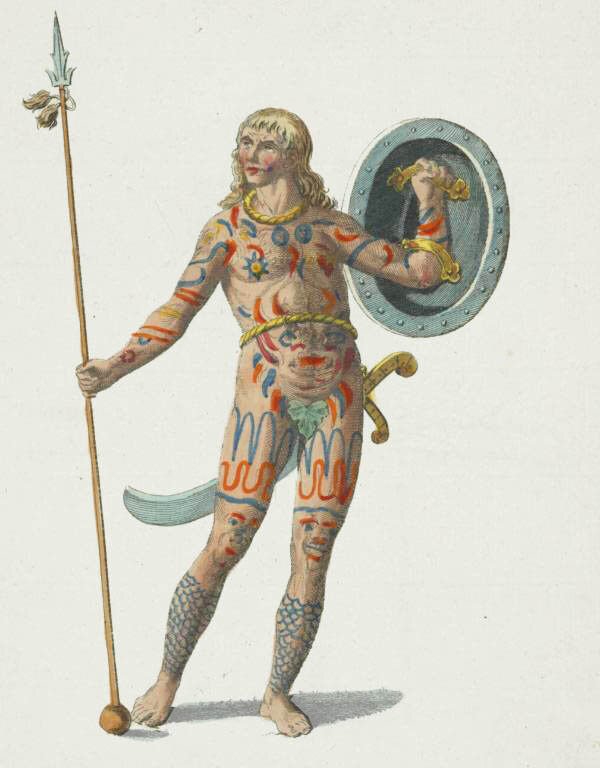
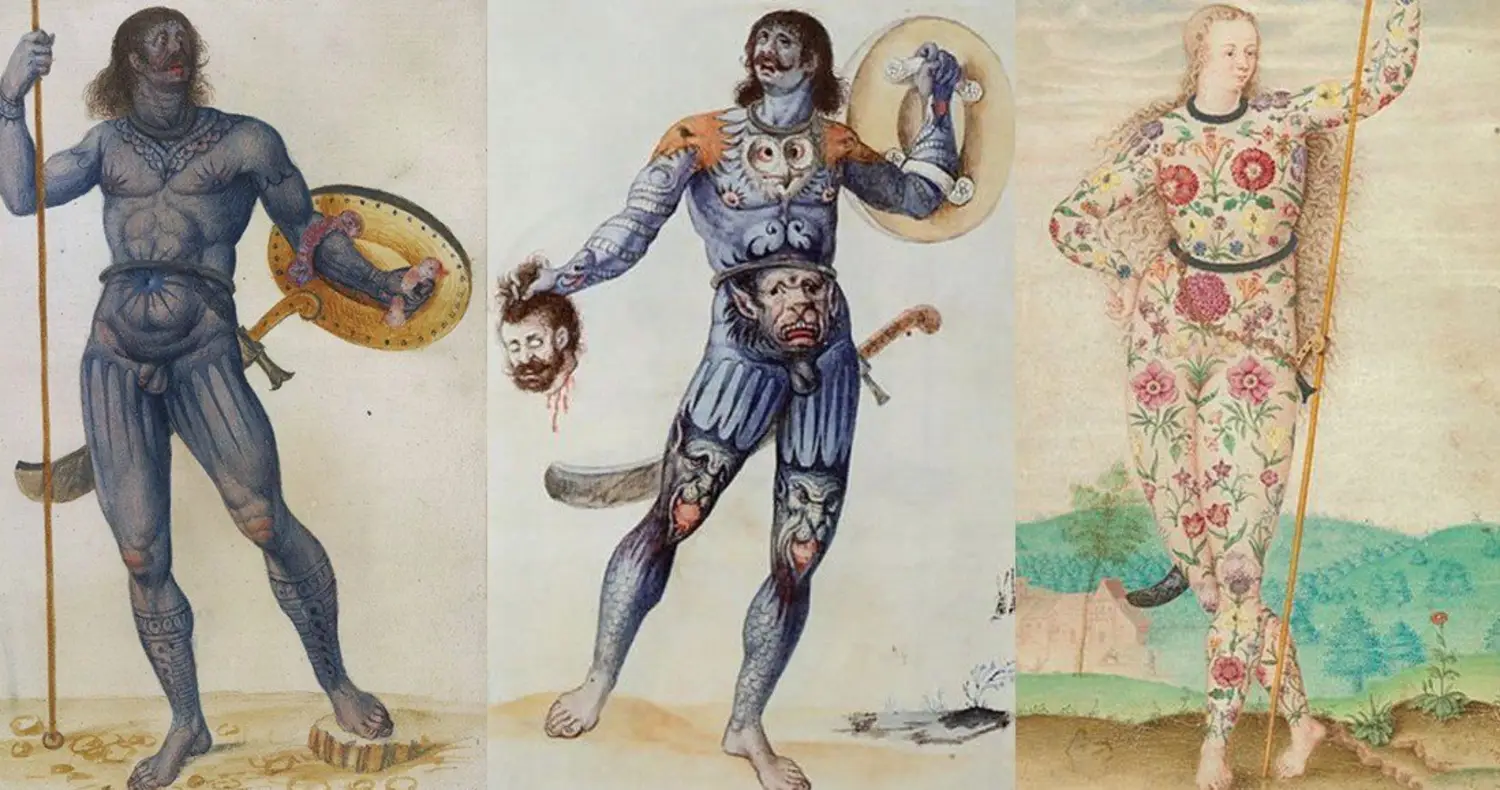
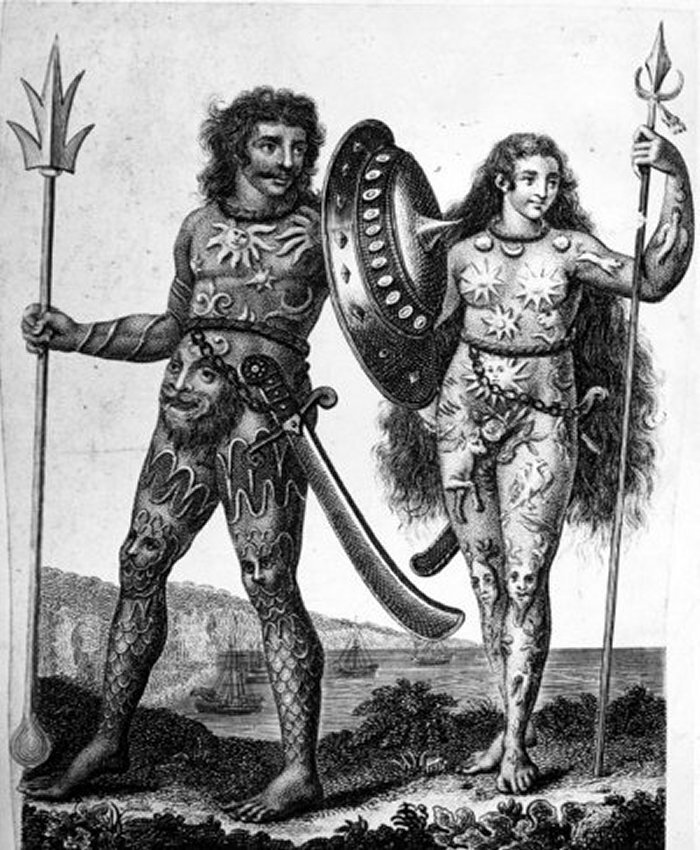
Their brand positioning was one of resilience and mystery. The name “Pict” itself—derived from the Latin Picti, meaning “the painted ones”—was a piece of external branding imposed by the Romans, but the Picts leaned into this outsider perception to reinforce their own internal cohesion. They were the “other,” the unconquered, and their visual motifs acted as a constant reminder of their enduring presence.
The Alba Merger: A Strategic Alliance or a Brand Takeover?
The decline of the Pictish brand was not a sudden collapse but a gradual “merger and acquisition” process. By the 9th century, the geopolitical landscape was shifting. External threats, most notably the Vikings, acted as a market disruptor that forced smaller entities to consolidate. The most significant of these consolidations was the union between the Picts and the Gaels of Dál Riata, leading to the formation of the Kingdom of Alba.
The Kenneth MacAlpin Era: Managing the Transition
History often credits Kenneth MacAlpin as the “CEO” who orchestrated this merger. According to the traditional narrative—the corporate history, if you will—MacAlpin, who had both Pictish and Gaelic ancestry, united the two crowns in the mid-800s. In branding terms, this was a strategic alliance aimed at surviving a hostile takeover by Viking “competitors.”
However, mergers of this scale rarely result in an equal “partnership of brands.” One identity almost always becomes the dominant partner. In the case of Alba, the Gaelic identity (the Scots) slowly began to subsume the Pictish one. This transition was managed through the strategic alignment of the church and the court. By adopting the Gaelic-influenced customs and language of the Scots, the new ruling class began to phase out the “Pictish brand” in favor of a unified national identity that was easier to manage and defend.
The Cost of Corporate Integration
When two brands merge, there is often a “sunsetting” period for the legacy brand. We see this today when a larger tech firm acquires a smaller startup; the startup’s logo and name might persist for a few years before being retired in favor of the parent company’s branding.
For the Picts, this sunsetting was remarkably thorough. As the capital of the new kingdom moved and the ecclesiastical centers shifted, the old Pictish symbol stones were no longer being commissioned. The new “corporate style” was the high cross of the Irish-Gaelic tradition. The Pictish language, once the dominant vernacular of the north, began to lose its utility in a court that spoke Gaelic and a church that used Latin. The “product” (the Pictish way of life) was being discontinued, and the “users” (the population) were being migrated to a new platform: the Kingdom of Alba.
The Silence of the Brand: Why Pictish Identity Vanished
One of the most striking aspects of the Picts’ disappearance is the total loss of their written voice. We have no Pictish literature, no histories written by Picts, and only a handful of king-lists and inscriptions. From a brand management standpoint, this is the equivalent of a company going out of business and having its entire digital archive, marketing collateral, and internal memos deleted.
The Narrative Shift: Rewriting the Corporate History
The victors write the history, and in the case of Scotland, the “victors” were the Gaels. The story of the Picts was rewritten to suit the needs of the new Kingdom of Alba. Later medieval chronicles often portrayed the disappearance of the Picts as a sudden, almost miraculous event—sometimes referred to as “MacAlpin’s Treason,” where the Pictish nobility was supposedly wiped out at a banquet.
This is a classic example of narrative dominance. By reframing the Picts as a group that simply “went away” or was replaced, the architects of the Scottish national brand ensured there would be no competing legacy identity to challenge the legitimacy of the new crown. They didn’t just acquire the Pictish territory; they acquired their history and then edited it to ensure brand consistency for the new kingdom.
Loss of Language as Brand Erosion
Language is the ultimate brand carrier. It shapes how people think, how they tell stories, and how they define themselves. When the Pictish language was replaced by Gaelic (and later Scots and English), the “brand story” of the Picts became untranslatable.
In modern marketing, we see this when a brand fails to localize or adapt to new communication platforms. The Picts were highly successful in a “stone-and-oral-tradition” market. However, they failed to transition into the “manuscript-and-literary-tradition” market that was being dominated by the church and the Gaelic elite. Because they didn’t leave behind a written legacy in their own tongue, their brand became a blank slate upon which others could write.
Lessons for the Modern CMO: Avoiding the Pictish Fate
The story of the Picts is not just a historical curiosity; it is a cautionary tale for modern brands operating in volatile, consolidating markets. The disappearance of an entire culture’s identity through peaceful (and semi-peaceful) integration offers several key takeaways for today’s business leaders.
Maintaining Core Identity During M&A
When your company is involved in a merger or acquisition, the risk of “Pictish-style” dissolution is high. To avoid this, it is essential to identify the “symbol stones” of your brand—the core values and visual markers that are non-negotiable. If you allow these to be diluted too quickly, you lose the loyalty of your core “tribe.”
The Picts provides a lesson in what happens when the leadership adopts the culture of the partner/acquirer too completely. By the time the common people realized the “Pictish brand” was gone, the structures that supported it had already been dismantled from the top down. Leaders must be the guardians of the brand’s soul, even during periods of intense structural change.
The Power of the Written Record
In the digital age, your brand is what the search engines and social media platforms say it is. The Picts lost their identity because they didn’t control their own “content strategy.” They left their story to be told by their competitors.
For a modern brand, this means investing in thought leadership, owned media, and a robust archive of your company’s mission and achievements. You cannot rely on the market or your competitors to define your legacy. If you don’t document your own brand journey, you risk being “rebranded” by history in a way that doesn’t serve your original purpose.
Adaptation vs. Assimilation
There is a fine line between adapting to market changes and being assimilated by them. The Picts adapted to the Viking threat by merging with the Gaels, which was a successful survival strategy for the people, but a failure for the brand.
Modern businesses must ask themselves: Are we evolving to meet new challenges, or are we losing the very things that make us unique in an effort to “fit in” to a new industry standard? True brand longevity comes from the ability to stay relevant without sacrificing the unique visual and cultural language that built your initial equity. The Picts remain a haunting reminder that even the most formidable of identities can become a footnote if they fail to secure their place in the ongoing narrative of the marketplace.
aViewFromTheCave is a participant in the Amazon Services LLC Associates Program, an affiliate advertising program designed to provide a means for sites to earn advertising fees by advertising and linking to Amazon.com. Amazon, the Amazon logo, AmazonSupply, and the AmazonSupply logo are trademarks of Amazon.com, Inc. or its affiliates. As an Amazon Associate we earn affiliate commissions from qualifying purchases.