
In the modern landscape of design and construction, the distinction between architecture and architectural engineering is increasingly defined by the technological tools and digital methodologies employed by each discipline. While both fields are essential to the creation of the built environment, they operate on different ends of the technological spectrum. Architecture focuses on the synthesis of form, function, and human experience through advanced visualization and spatial software. In contrast, architectural engineering utilizes complex analytical engines and simulation tools to ensure a building’s structural integrity, mechanical efficiency, and environmental performance. As the industry moves toward a more integrated, tech-driven workflow, understanding the nuances between these two professions requires a deep dive into the software, systems, and digital innovations that define their daily operations.

The Technological Divide: Creative Visualization vs. Structural Systems
The primary difference between an architect and an architectural engineer lies in their objective within the digital workspace. For the architect, technology is a medium for creativity and spatial problem-solving. For the architectural engineer, technology is a tool for precision, calculation, and systemic optimization.
Digital Design Tools for the Architect
Architects primarily utilize software that prioritizes aesthetic flexibility and the management of complex geometries. Tools like Rhinoceros 3D (Rhino) and its algorithmic plugin, Grasshopper, have become industry standards for “parametric design.” This technology allows architects to create fluid, non-linear forms that would be impossible to calculate manually. Through generative design scripts, an architect can input parameters—such as sunlight exposure or site constraints—and the software will iterate thousands of potential building envelopes.
The focus here is on the “User Interface” of the building. Visual communication tools like V-Ray, Enscape, and Lumion are used to create photorealistic renderings and immersive Virtual Reality (VR) walkthroughs. These technologies enable architects to present a vision to stakeholders, ensuring that the human experience—lighting, materials, and circulation—is perfected long before ground is broken.
Analytical Engines for the Architectural Engineer
While the architect is focused on the “what” and the “why,” the architectural engineer is focused on the “how” from a technical and mechanical standpoint. Their technological toolkit is built around physics-based simulation. Software such as ETABS, SAP2000, and RISA-3D allows architectural engineers to subject a digital model to various stress tests, including seismic activity, wind loads, and thermal expansion.
Unlike the architect’s visualization software, these analytical engines produce data-driven reports on load-bearing capacities and material stresses. Architectural engineering also encompasses the complex technology of MEP (Mechanical, Electrical, and Plumbing) systems. Engineers utilize specialized software to calculate the ductwork requirements for HVAC systems, the load distribution of electrical grids, and the hydraulic pressure of plumbing networks. In this niche, the technology is used to ensure that the building functions as a high-performance machine.
BIM and the Digital Twin: Where the Two Disciplines Converge
The most significant technological evolution in the construction industry over the last two decades is the transition from CAD (Computer-Aided Design) to BIM (Building Information Modeling). BIM serves as the digital bridge where the roles of the architect and the architectural engineer intersect and occasionally overlap.
Lifecycle Management and Data Integration
Autodesk Revit is the cornerstone of the BIM movement. In a BIM environment, the architect and the architectural engineer work on the same “Central Model.” This is a data-rich 3D representation where every digital component—from a glass curtain wall to a steel beam—contains specific information about its manufacturer, cost, material properties, and maintenance schedule.
For the architect, BIM provides a way to manage the massive amount of data required for a complex project. For the architectural engineer, BIM allows for “clash detection” using tools like Navisworks. This technology automatically identifies if a structural beam designed by the engineer is intersecting with a ventilation duct designed by the mechanical team. By identifying these tech-clashes in the digital phase, firms save millions of dollars in on-site reconstruction costs.
The Role of AI in Generative Design

Artificial Intelligence is rapidly changing the workflow for both disciplines within the BIM environment. AI-driven plugins are now capable of performing “optioneering.” For example, an architect can use AI to determine the most efficient layout for an apartment floor plan to maximize natural light. Simultaneously, an architectural engineer can use AI to optimize the structural steel frame, reducing material waste while maintaining safety standards. This technological synergy is blurring the lines between the two fields, creating a new class of “Computational Designers” who possess the skills of both the architect and the engineer.
Hardware and Environmental Tech: The Engineer’s Domain
While architects often lead the conceptual phase, architectural engineers are the primary adopters of high-level environmental and hardware-based technologies. This side of the discipline focuses on the building’s interaction with the physical world through smart systems and sustainability tech.
Smart Building Systems and IoT
The architectural engineer is responsible for integrating the Internet of Things (IoT) into the building’s fabric. This involves a network of sensors and actuators that monitor everything from occupancy levels to air quality. Using Building Management Systems (BMS), engineers create “smart” environments where the lighting and temperature adjust automatically based on real-time data. This technological layer is what separates a traditional structure from a “smart building.” The engineer must design the digital infrastructure—the fiber optics, server rooms, and wireless access points—that allows these technologies to communicate seamlessly.
Energy Modeling and Sustainability Tech
In the era of climate change, the architectural engineer uses advanced thermal modeling software like DesignBuilder or IES Virtual Environment. These tools simulate the building’s energy consumption over an entire year, accounting for local weather patterns and the thermal properties of the materials chosen by the architect. This technology allows engineers to design “Net Zero” buildings. While the architect might choose a specific glass for its look, the architectural engineer uses technology to calculate its “U-value” and “Solar Heat Gain Coefficient,” ensuring the building meets strict environmental certifications like LEED or BREEAM.
The Future of the Industry: Automation and Robotics
As we look toward the future, the difference between architecture and architectural engineering will be further shaped by automation, robotics, and on-site implementation technologies.
3D Printing and Computational Construction
Architectural engineering is increasingly moving into the realm of robotic fabrication. Large-scale 3D printing of concrete and polymers requires engineers to develop new algorithms for material deposition. In this context, the architect designs the complex, organic shape, but the architectural engineer must program the robotic arms and ensure that the material cures correctly to provide structural stability. This requires a deep knowledge of both software engineering and materials science, a tech-heavy evolution of the traditional engineering role.
Augmented Reality (AR) in On-site Implementation
The “final frontier” for both disciplines is the transition from the screen to the job site. Augmented Reality (AR) headsets, such as the Microsoft HoloLens, are now being used to overlay the architect’s vision and the engineer’s technical models directly onto the physical construction site.
Architects use AR to visualize how finishes and spatial volumes look in the real world, allowing for real-time design adjustments. Architectural engineers use AR to “see through” walls, visualizing the hidden MEP systems and structural reinforcements. This ensures that the physical construction aligns perfectly with the high-precision digital models created during the design phase. By leveraging AR, both professions are reducing the “analog gap”—the errors that occur when moving from digital blueprints to manual labor.
Conclusion: A Synergistic Technological Future
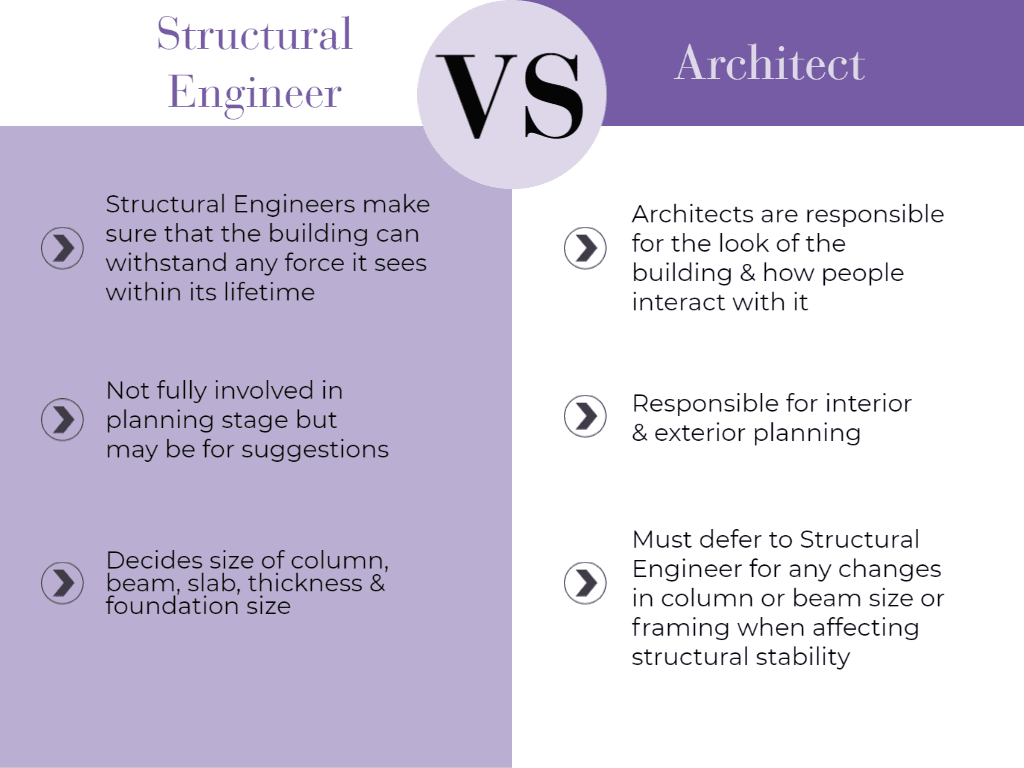
While the traditional view suggests that architecture is an art and architectural engineering is a science, the reality in the modern tech landscape is that both are deeply rooted in digital innovation. The architect uses technology to push the boundaries of what a building can be, focusing on the aesthetics of the digital age and the human-centric interface of a structure. The architectural engineer uses technology to push the boundaries of what a building can do, focusing on performance, safety, and the complex mechanical “organs” that bring a structure to life.
As tools like AI, BIM, and VR continue to evolve, the two fields will move closer together. However, the fundamental difference remains the focus of their digital efforts: the architect creates the vision through form-based tech, while the architectural engineer sustains that vision through physics-based tech. Together, they utilize the full spectrum of modern technology to turn digital concepts into the physical monuments of the 21st century.
aViewFromTheCave is a participant in the Amazon Services LLC Associates Program, an affiliate advertising program designed to provide a means for sites to earn advertising fees by advertising and linking to Amazon.com. Amazon, the Amazon logo, AmazonSupply, and the AmazonSupply logo are trademarks of Amazon.com, Inc. or its affiliates. As an Amazon Associate we earn affiliate commissions from qualifying purchases.