
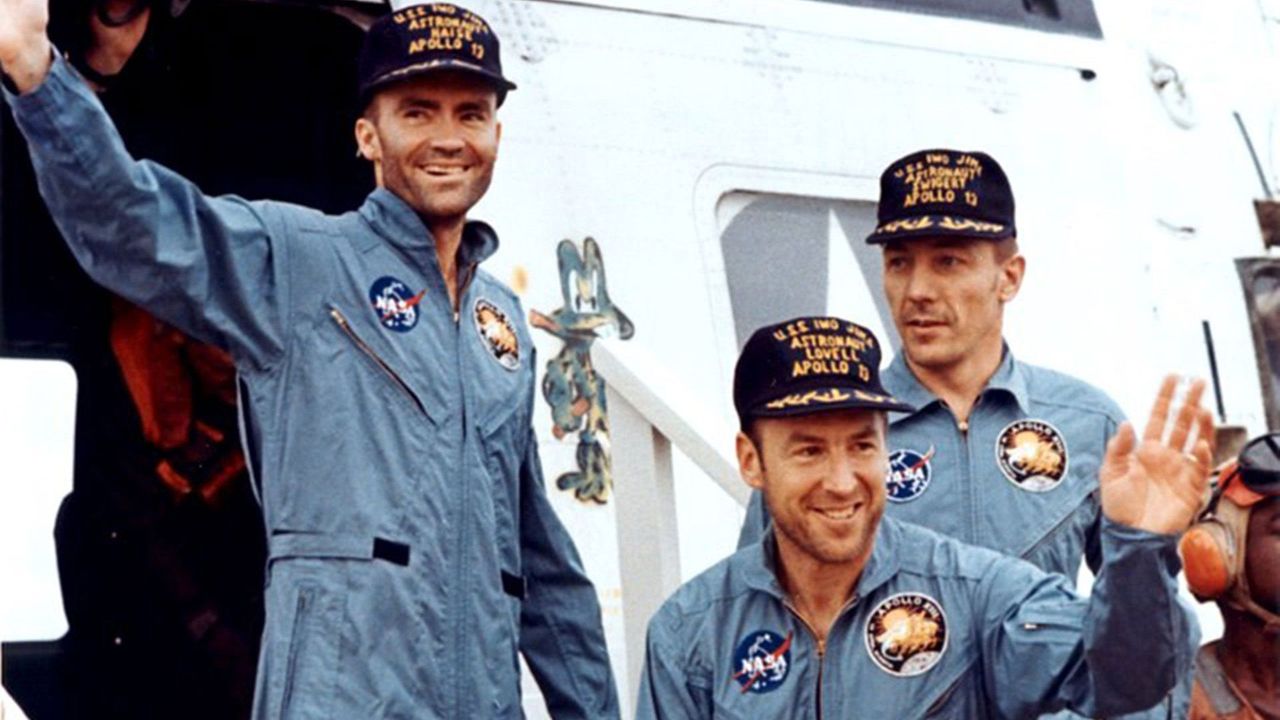
The mission of Apollo 13 is often heralded as NASA’s “successful failure.” While the objective was a lunar landing in the Fra Mauro highlands, a catastrophic mid-flight explosion transformed the mission into a desperate survival scenario. To understand what happened to the crew—Jim Lovell, Fred Haise, and Jack Swigert—one must look beyond the human drama and analyze the unprecedented technical feats, hardware improvisations, and systems engineering that allowed three men to return to Earth against nearly impossible odds.
The story of the Apollo 13 crew is fundamentally a story of how legacy technology, when pushed to its absolute limits, can be repurposed through human ingenuity. It serves as a foundational case study for modern digital security, redundancy protocols, and hardware-software interoperability.
The Mission Architecture: Systems Failures and the Lunar Module as a Lifeboat
On April 13, 1970, approximately 200,000 miles from Earth, an oxygen tank in the Service Module (SM) exploded. The technical cause was a fault in the thermostatic switches of Oxygen Tank No. 2, which had been damaged during ground testing. When the crew performed a routine “cryo-stir,” the tank ruptured, causing a cascade of failures that depleted the Command Module’s (CM) oxygen supply and, more critically, its fuel cells.
The Oxygen Tank Explosion and Electrical Grid Collapse
In the architecture of the Apollo spacecraft, the fuel cells provided both electricity and water by combining hydrogen and oxygen. When the oxygen tanks failed, the electrical grid of the Command Module Odyssey began to die. Within hours, the crew was forced to shut down the CM to preserve the entry batteries for the final descent. This created a technical vacuum: the crew had to migrate to the Lunar Module (LM) Aquarius, which was designed only to support two men for two days on the lunar surface, not three men for four days in deep space.
Repurposing the Lunar Module: A Firmware and Hardware Shift
The transition to using the LM as a “lifeboat” required a radical reconfiguration of the mission’s technical parameters. Engineers at Mission Control had to rewrite the “firmware” of the mission on the fly. The LM was powered by silver-zinc batteries rather than fuel cells. To survive the journey home, the crew had to reduce their power consumption to less than 20 amps—roughly the same amount of electricity required to run a vacuum cleaner. This meant turning off the primary guidance computer, the heaters, and almost all telemetry hardware, plunging the crew into sub-freezing temperatures and total darkness.
Precision Under Pressure: The Software and Manual Calculations That Defined the Return
Without the primary guidance system of the Command Module, the crew lacked the automated computational power typically required for mid-course corrections. The technical challenge was to navigate a spacecraft through a narrow “reentry corridor” without the aid of a digital inertial platform.
Navigation Without a Computer: Manual Burn Mechanics
The most critical moment occurred when the crew had to perform a course correction burn to ensure they would hit the Earth’s atmosphere at the correct angle. If the angle was too shallow, they would skip off the atmosphere into permanent orbit; too steep, and they would incinerate. With the digital guidance system powered down to save electricity, Commander Jim Lovell had to perform a manual burn.
The crew used the Earth’s “terminator”—the line between day and night—as their visual reference point. By aligning the spacecraft’s optical sights with the Earth’s limb and timing the burn with a wristwatch, the crew successfully executed a technical maneuver that would normally be handled by the Apollo Guidance Computer (AGC). This manual override remains one of the most significant examples of human-in-the-loop systems management in the history of aerospace technology.
The CO2 Scrubber Problem: Ad-Hoc Hardware Interoperability
As the crew lived in the Lunar Module, they faced a lethal buildup of carbon dioxide. The LM’s environmental control system used round lithium hydroxide canisters to scrub CO2, but the supply was designed for two people. The crew had an abundance of square canisters from the Command Module, but these were physically incompatible with the LM’s round intake ports.
The solution was a masterpiece of ad-hoc hardware hacking. Using only the materials available on board—plastic bags, cardboard covers from flight manuals, and grey duct tape—engineers on the ground devised a “mailbox” adapter. They relayed the instructions to the crew, who built the device in orbit. This solved a critical interoperability issue between two different hardware ecosystems, effectively bridging the gap between the LM and CM life-support systems.
The Legacy of Apollo 13 in Modern Aerospace Technology and AI-Driven Fault Management
The safe return of the Apollo 13 crew on April 17, 1970, changed the way engineers approach system design. The lessons learned from the mission’s technical failures and the crew’s survival are embedded in the DNA of today’s most advanced technological infrastructures.
Redundancy Systems and Fault-Tolerant Computing
Prior to Apollo 13, redundancy was often viewed through the lens of having “backups” for specific parts. Post-Apollo 13, the industry shifted toward “functional redundancy.” This is the concept that different systems, even those with primary functions unrelated to each other, should be able to perform critical secondary tasks in an emergency. In modern cloud computing and digital security, this is reflected in distributed architectures and failover protocols that ensure that if one “node” or “tank” fails, the entire network can reroute its logic to maintain uptime.
Digital Twins and Real-Time Simulation
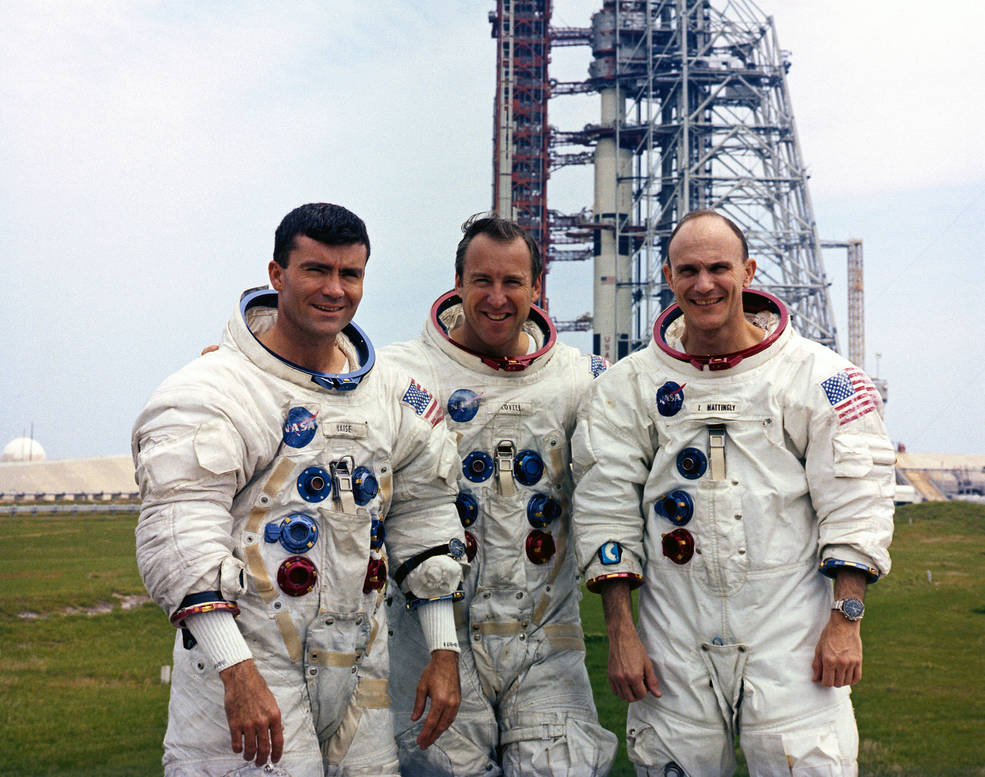
One of the reasons the crew survived was the availability of high-fidelity simulators on the ground. Every time a new procedure was proposed—such as the cold-start power-up sequence for the Command Module—it was first tested in the simulator by backup crews like Ken Mattingly.
Today, this has evolved into the concept of the “Digital Twin.” In industries ranging from manufacturing to software development, a digital twin is a virtual replica of a physical asset or system. By running real-time simulations on a digital twin, engineers can predict failures before they happen and test patches in a risk-free environment. The “Apollo 13 method” of testing every possible variable before implementation is now the gold standard for software deployment and systems engineering.
Post-Mission Impact: Where the Technology (and the Crew) Went Next
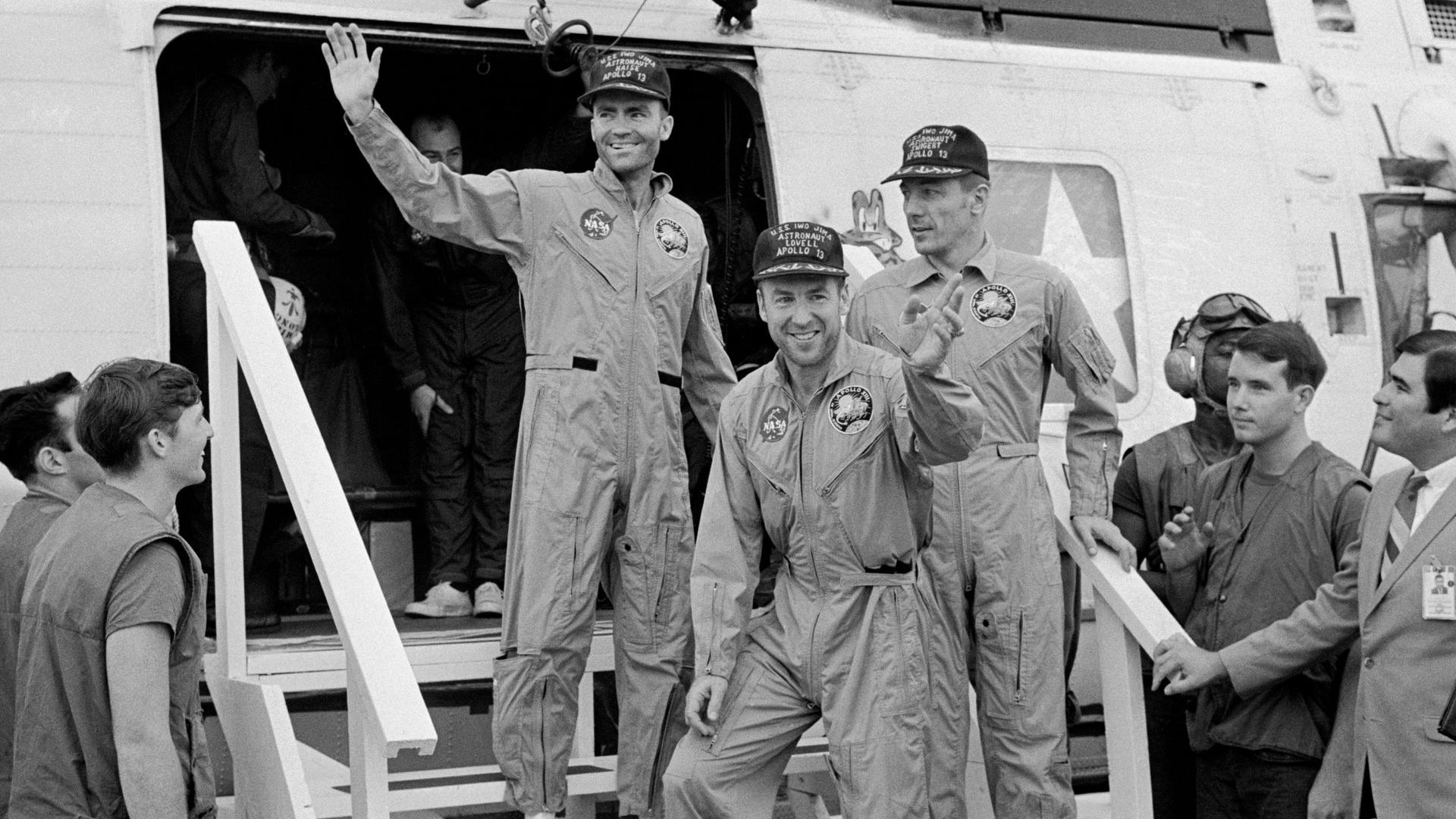
What happened to the crew after they splashed down in the Pacific Ocean was as much about the evolution of technology as it was about their personal lives. Each member of the crew continued to contribute to the advancement of aerospace and technical management.
Jim Lovell, Fred Haise, and Jack Swigert: Technical Contributions
Jim Lovell retired from NASA in 1973, but his experience influenced the design of subsequent manned spacecraft, emphasizing the need for manual overrides and clearer telemetry data for pilots. Fred Haise went on to be a key figure in the development of the Space Shuttle, serving as the pilot for the Enterprise landing tests. His work was instrumental in transitioning NASA from the expendable capsule era to the reusable spaceplane era. Jack Swigert briefly entered politics but remained a staunch advocate for the integration of high-tech research into the American economy, recognizing that the “spinoff” technologies from missions like Apollo 13—such as advanced water purification and fire-resistant materials—were as valuable as the missions themselves.
Evolution of Mission Control Protocols
The technical “triage” performed by Mission Control during Apollo 13 led to the creation of more robust mission management protocols. The “Flight Director” model, which centralizes decision-making while empowering subject matter experts (the “Trench”), is now used in cybersecurity incident response teams (CSIRTs) and high-stakes financial trading floors.
The story of the Apollo 13 crew is a reminder that even the most advanced technology is only as good as the protocols designed to manage its failure. By treating every system as a potential variable and every failure as a data point for a new solution, NASA’s engineers and the crew turned a potential tragedy into the ultimate proof of concept for technical resilience. Today, as we look toward Mars and the return to the Moon through the Artemis program, the technical legacy of Apollo 13 remains the blueprint for surviving the unknown.
aViewFromTheCave is a participant in the Amazon Services LLC Associates Program, an affiliate advertising program designed to provide a means for sites to earn advertising fees by advertising and linking to Amazon.com. Amazon, the Amazon logo, AmazonSupply, and the AmazonSupply logo are trademarks of Amazon.com, Inc. or its affiliates. As an Amazon Associate we earn affiliate commissions from qualifying purchases.