
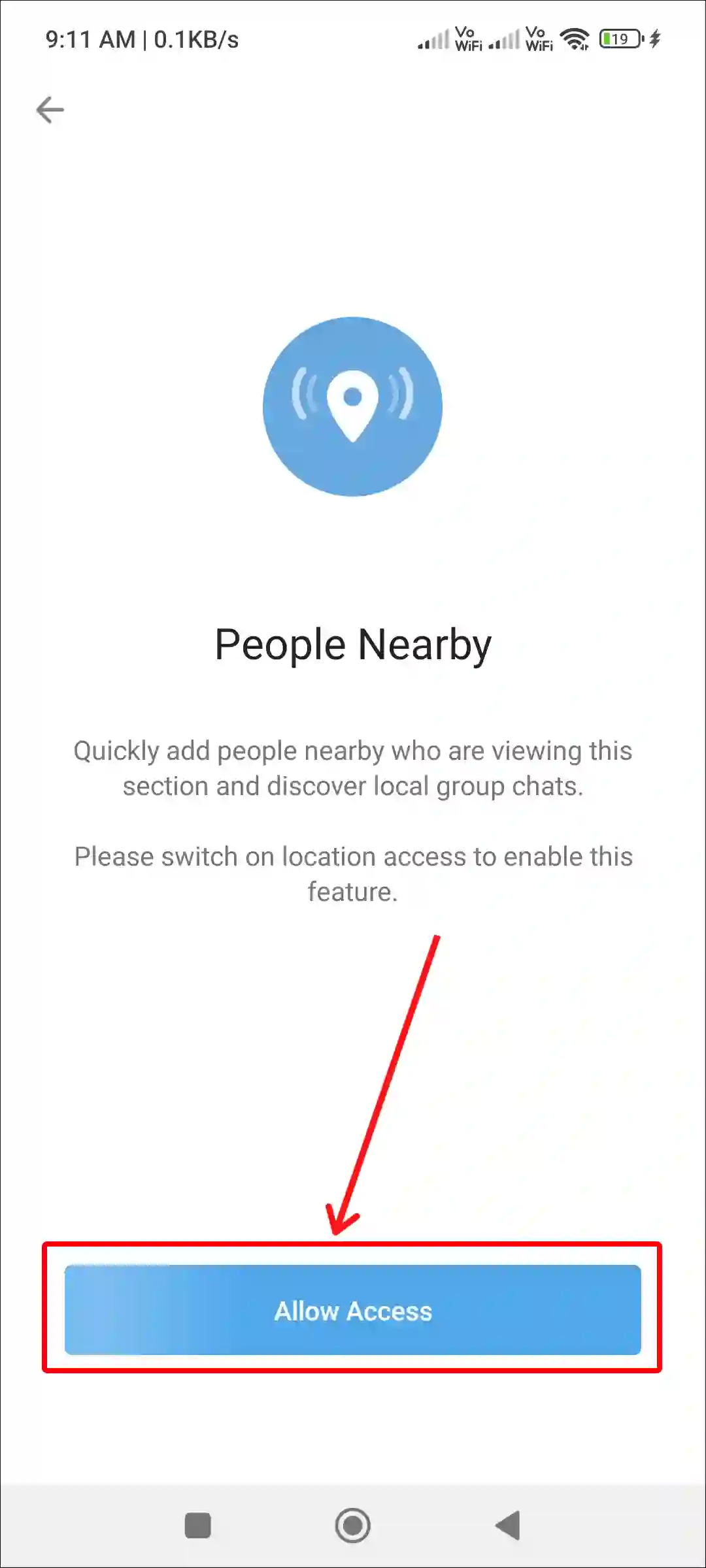
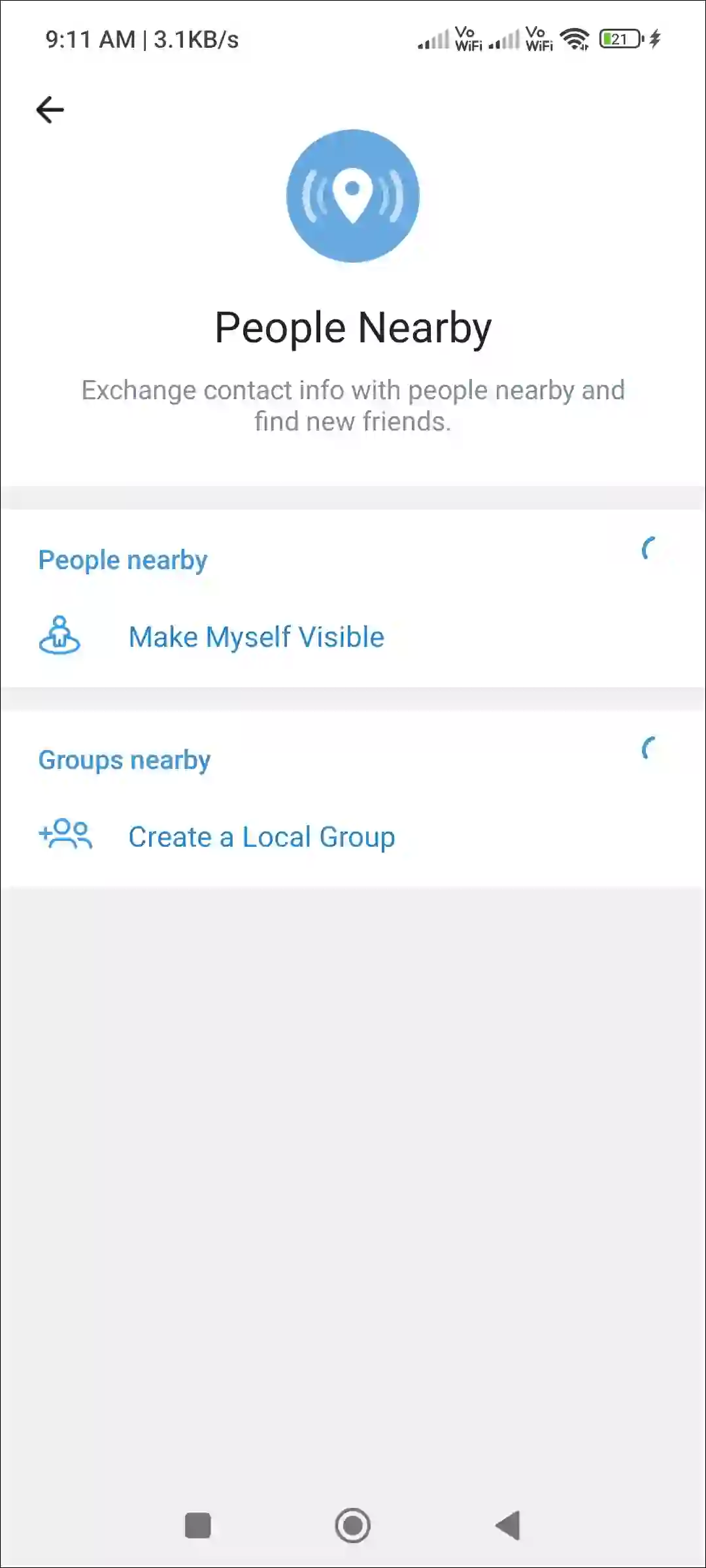
The “People Nearby” feature on Telegram was once a hallmark of the app’s discovery-based functionality. It allowed users to toggle a switch to see others in their immediate vicinity, fostering local communities, impromptu networking, and social connections. However, recent updates have seen a significant shift in Telegram’s trajectory, culminating in the formal deprecation of this feature. For power users and privacy advocates alike, the removal of this tool marks a critical pivot in how Telegram manages digital proximity and user security.
The Evolution of Discovery Features in Messaging Apps
Telegram’s “People Nearby” was launched as a bold experiment in geolocation-based social discovery. Unlike traditional social media platforms that rely on algorithms to feed content, Telegram utilized the hardware capabilities of smartphones to map a user’s location to a broader, local index.
The Original Intent
At its inception, the feature was designed to solve the “friction of introduction.” Whether in a busy conference hall, a university campus, or a local festival, Telegram allowed users to join location-based groups or initiate private chats without the need for shared contacts or cumbersome QR code scanning. It was an exercise in hyper-local connectivity, transforming a global messaging app into a local social utility.
The Problem of Scale
As Telegram’s user base ballooned into the hundreds of millions, the risks associated with location-based discovery became increasingly apparent. The infrastructure that allowed for spontaneous connection also became a target for bad actors. In urban centers, the feature was frequently exploited for spam, harassment, and, in more severe instances, stalking. The open nature of the geolocation API meant that sophisticated users could use “GPS spoofing” to project their location to virtually anywhere in the world, undermining the utility of a “local” feature and creating a playground for scammers.
The Turning Point: Privacy and Compliance Pressures
The decision to remove “People Nearby” was not merely a matter of feature cleanup; it was a response to mounting pressures from global regulators and a fundamental reassessment of Telegram’s corporate security posture.
Aligning with Global Privacy Standards
As messaging platforms face increasing scrutiny regarding how they handle sensitive user data, Telegram has had to shift its internal policies. Geolocation data is classified as highly sensitive under frameworks like GDPR and other international data privacy laws. By archiving “People Nearby,” Telegram significantly reduces its liability regarding the collection and potential exposure of precise location data.
The War Against Misuse
Telegram has consistently faced criticism for its lack of proactive moderation. The “People Nearby” feature became a primary vector for illegal activities, including the distribution of illicit goods and the facilitation of scams. By removing the discovery layer, Telegram has essentially closed a “public square” that was notoriously difficult to police. This move aligns with a broader strategy of focusing on groups and channels, where moderation tools are more robust and centralized compared to the chaotic, decentralized nature of individual-to-individual proximity discovery.
The Shift Toward Bot-Driven Discovery
While the native, real-time geolocation feature has been retired, the spirit of discovery is being funneled into more controlled environments. Telegram is shifting the burden of local discovery away from its core interface and toward its sophisticated bot ecosystem.
Decentralized Discovery vs. Curated Spaces
Telegram’s platform strategy is moving toward “Discovery by Interest” rather than “Discovery by Proximity.” Instead of seeing everyone within a 5-kilometer radius, the focus is now on specialized channels, public groups, and community-driven bots that curate members based on shared intent. This is a deliberate shift from an open geography model to an interest-based model. It provides users with a safer way to meet others—by connecting via a shared interest in a moderated group rather than revealing their exact coordinates to anyone with an open app.
Leveraging the API for Niche Communities
Developers can still build geolocation-based tools using the Telegram API, provided they adhere to stricter privacy guidelines. However, by removing the feature from the main client, Telegram is distancing itself from the direct responsibility of managing these interactions. The future of discovery on Telegram lies in these third-party integrations and internal “Topic” folders, which allow users to filter their digital environment without exposing their physical presence to the general public.
The Impact on Telegram’s Ecosystem and Future Outlook
The removal of “People Nearby” changes the fundamental “vibe” of Telegram. It represents a move away from the app being a wild, unregulated frontier toward it becoming a mature communication tool for businesses and privacy-conscious users.
The End of the “Wild West” Era
For years, the allure of Telegram was its lack of boundaries. The ability to find and message anyone nearby felt like the future of social networking. However, as the app matures, the user base is demanding more stability and security. Removing the feature is a signal that Telegram is prioritizing its reputation as a secure, enterprise-ready messaging service over its utility as a local discovery platform.
Implications for Digital Security
From a digital security standpoint, the deprecation is a victory for the average user. Location-based discovery is inherently vulnerable to man-in-the-middle attacks, triangulation, and data harvesting. Even for users who were careful with their settings, the existence of the feature meant that, in a worst-case scenario, the app’s API could be manipulated to track users. Its removal closes a significant attack vector, particularly for journalists, activists, and business professionals who rely on the platform for confidential communication.
What Users Can Do Now
Users who relied on “People Nearby” for networking or community building now have to adapt to a more deliberate way of connecting:
- Join Interest-Based Channels: Instead of searching by location, users should lean into Telegram’s search functionality to find groups dedicated to specific local topics or shared hobbies.
- QR Code Sharing: For in-person events, reverting to the use of unique, temporary QR codes or “Add to Contacts” via contact sharing remains the most secure method of establishing connections.
- Use of External Platforms: For those who genuinely needed the proximity aspect for local commerce or social events, external platforms dedicated to local discovery (like Meetup or local community forums) provide better-suited, safer infrastructures that are not dependent on the messaging client’s core architecture.
In conclusion, the disappearance of “People Nearby” is a milestone in Telegram’s transition from a casual, experimental messaging platform to a hardened, privacy-focused communication giant. While it represents the loss of a specific convenience for some, the trade-off is a significantly safer, more stable environment for all. As the digital landscape continues to emphasize privacy and data integrity, Telegram’s decision to prune its discovery features highlights a necessary evolution in the delicate balance between social utility and the imperative to protect the user’s digital footprint. The “People Nearby” era may be over, but for the majority of the platform’s massive user base, the shift toward a more secure, interest-driven experience is a welcome development.
aViewFromTheCave is a participant in the Amazon Services LLC Associates Program, an affiliate advertising program designed to provide a means for sites to earn advertising fees by advertising and linking to Amazon.com. Amazon, the Amazon logo, AmazonSupply, and the AmazonSupply logo are trademarks of Amazon.com, Inc. or its affiliates. As an Amazon Associate we earn affiliate commissions from qualifying purchases.