
The Foundation of Financial Freedom: Budgeting and Tracking
Saving money isn’t merely about cutting back; it’s about intentional financial management. The bedrock of any successful savings strategy lies in understanding where your money comes from and where it goes. Without this clarity, efforts to save are often haphazard and short-lived. A meticulously crafted budget serves as your financial roadmap, guiding decisions and illuminating opportunities for savings, ultimately paving the way for financial freedom.
Understanding Your Cash Flow
The first step in effective budgeting is to gain a comprehensive overview of your income and expenses. List all sources of income – salary, freelance work, investment dividends, etc. – to establish your total monthly inflow. Subsequently, meticulously document every expenditure. This includes fixed costs like rent/mortgage, loan payments, and recurring subscriptions, as well as variable costs such as groceries, dining out, entertainment, and transportation. Many individuals are surprised to discover how much seemingly small, daily expenses accumulate over a month. Categorizing these expenses provides invaluable insight into spending patterns and highlights areas ripe for reduction. This detailed understanding empowers you to make informed decisions about where to allocate your resources.
The 50/30/20 Rule and Other Budgeting Methods
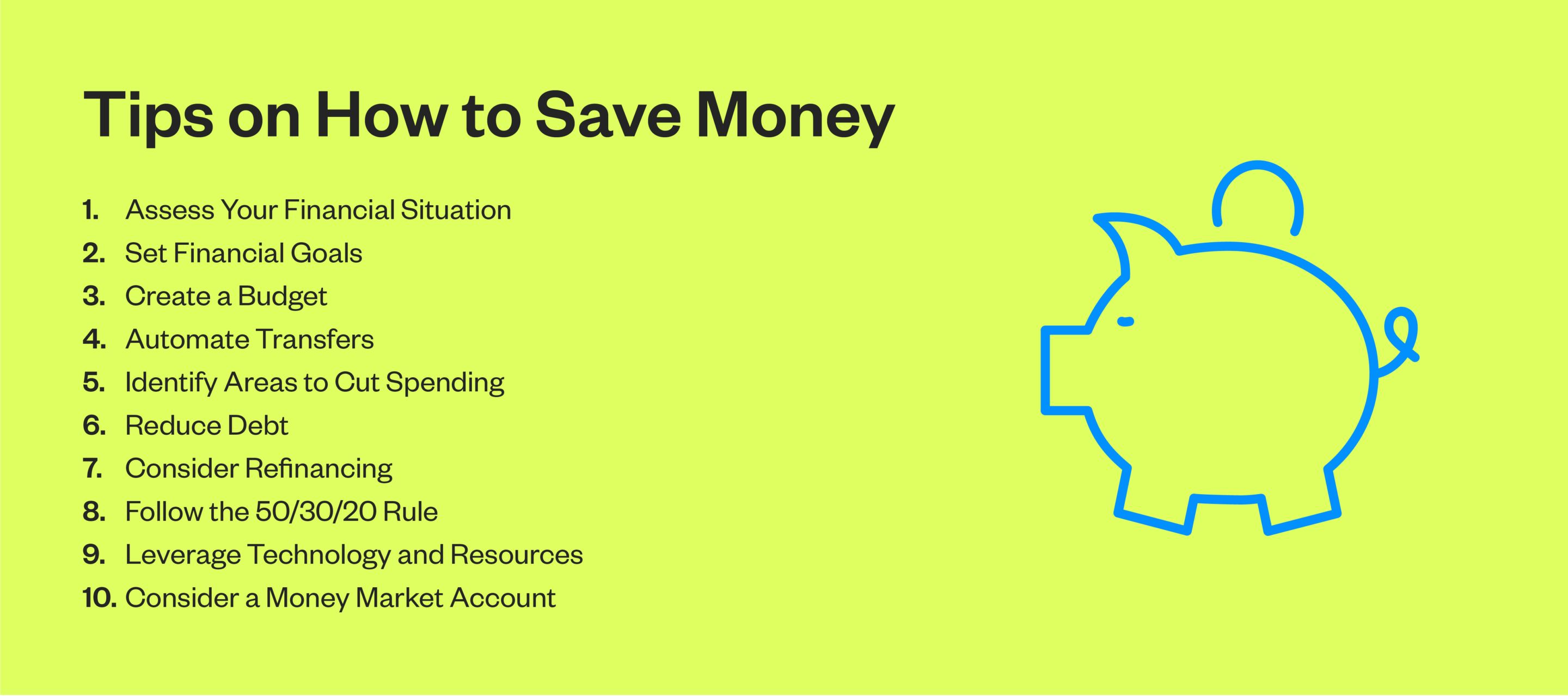
Once you have a clear picture of your cash flow, you can apply a budgeting methodology that suits your lifestyle. A popular and straightforward approach is the 50/30/20 rule. This allocates 50% of your after-tax income to needs (housing, utilities, essential groceries, transportation), 30% to wants (entertainment, dining out, hobbies, non-essential shopping), and 20% to savings and debt repayment. While this rule offers a solid framework, other methods exist. The “zero-based budget,” for instance, requires every dollar of income to be assigned a job, ensuring no money is left unaccounted for. This method fosters intense financial discipline. Alternatively, the “envelope system” involves physically allocating cash for different spending categories, preventing overspending by limiting funds to what’s available in each envelope. The key is to choose a method you can consistently adhere to, making it a sustainable part of your financial routine.
Leveraging Technology for Expense Tracking
In the digital age, manual ledger keeping is largely obsolete. A myriad of financial tools and apps can simplify expense tracking and budgeting, making the process efficient and accurate. Platforms like Mint, YNAB (You Need A Budget), Personal Capital, or even sophisticated spreadsheet templates allow you to link bank accounts and credit cards, automatically categorizing transactions and providing real-time insights into your spending. These tools can generate comprehensive reports, set spending limits, and send alerts, empowering you to stay within your budget and quickly identify financial leaks. The automation offered by these tools significantly reduces the time and effort required to maintain a detailed budget, making financial oversight more accessible, less daunting, and ultimately more sustainable for long-term saving success.
Strategic Savings: Beyond the Basics
Budgeting forms the foundation, but strategic saving ensures consistent progress towards your financial goals. This involves moving beyond simply identifying where to cut and actively implementing systems that cultivate a robust savings habit. Building wealth is less about dramatic one-time sacrifices and more about consistent, disciplined contributions, strategically placed to maximize growth and security.
Automating Your Savings
One of the most effective strategies for consistent saving is automation. By setting up automatic transfers from your checking account to your savings account (or investment accounts) on your payday, you prioritize saving before you even have a chance to spend the money. This “pay yourself first” approach ensures that a portion of your income is always directed towards your financial future. Even small, regular contributions can compound significantly over time. Consider increasing these automatic transfers incrementally as your income grows or as you successfully reduce certain expenses. The beauty of automation lies in its ability to remove the psychological barrier of manually transferring funds, transforming saving into a seamless, non-negotiable part of your financial routine, thereby dramatically improving your chances of reaching your financial objectives.
Goal-Oriented Saving: Short-term vs. Long-term
Effective saving is often driven by clear, compelling goals. Segmenting your savings into distinct categories – short-term, medium-term, and long-term – provides motivation and clarity. Short-term goals might include saving for a vacation, a new appliance, or holiday gifts, typically achievable within a year. Medium-term goals could involve a down payment on a car, a significant home improvement project, or further education, usually spanning 1-5 years. Long-term goals are generally focused on retirement, a child’s college fund, or a down payment on a home, requiring 5+ years of dedicated saving. Assigning a specific amount and timeframe to each goal makes the saving process tangible and keeps you accountable. Different savings vehicles might be appropriate for different goal horizons; for instance, a high-yield savings account for short-term goals and investment accounts for long-term aspirations that benefit from market growth.
The Power of an Emergency Fund

Perhaps the most crucial component of strategic saving is establishing and maintaining a robust emergency fund. This dedicated pool of money is designed to cover unexpected expenses like job loss, medical emergencies, or significant home repairs without derailing your financial progress or forcing you into high-interest debt. Financial experts typically recommend saving at least three to six months’ worth of essential living expenses in an easily accessible, liquid account, such as a high-yield savings account. An emergency fund acts as a vital financial safety net, providing invaluable peace of mind and preventing minor crises from escalating into major financial setbacks. Building this fund should often be prioritized over other savings goals until it reaches an adequate level, as it provides a crucial buffer against life’s unpredictable challenges.
Optimizing Expenditures and Reducing Debt
Saving money isn’t just about putting more aside; it’s also about spending smarter and effectively managing liabilities. By scrutinizing current expenditures and addressing existing debt, individuals can free up significant capital that can then be redirected towards savings and investments, significantly accelerating their financial journey.
Reviewing Recurring Expenses
One of the quickest ways to find immediate savings is to critically review all recurring monthly expenses. Begin by listing every subscription service, membership, and monthly bill. Are you actively using all those streaming services, gym memberships, or software subscriptions? Many people pay for services they rarely or no longer use. Canceling unnecessary subscriptions can instantly free up tens or even hundreds of dollars each month, funds that can be immediately redirected to savings or debt repayment. Beyond subscriptions, look at utility bills. Can you negotiate a better rate for internet or phone services? Are there opportunities to reduce energy consumption at home through simple habits or smart home devices? Even seemingly fixed costs can sometimes be optimized with a proactive approach and a little research.
Smart Shopping and Negotiation Tactics
Becoming a more conscious consumer can significantly impact your saving potential. This involves strategic planning before purchases and employing negotiation skills where applicable. Before grocery shopping, plan meals and create a detailed list to avoid impulse buys, which are notorious budgetbusters. Compare prices across different retailers, both online and in physical stores, using price comparison tools and apps. Look for sales, coupons, and discount codes before making any purchase. For larger purchases, practice negotiation. Whether it’s a new car, furniture, or even certain professional services, there’s often room to haggle on price or request additional perks. Additionally, consider second-hand items for things like clothing, furniture, or electronics, which can offer substantial savings without compromising quality or functionality.
Debt Management Strategies: Avalanche vs. Snowball
High-interest debt, such as credit card balances or personal loans, can severely impede saving efforts. The burdensome interest payments drain your income, leaving less for savings and investment. Two popular and effective strategies for tackling debt are the debt avalanche and debt snowball methods. The debt avalanche method prioritizes paying off debts with the highest interest rates first. This approach is mathematically optimal, as it minimizes the total interest paid over time, leading to faster overall debt elimination and significant long-term savings. The debt snowball method, conversely, focuses on paying off the smallest debt first, regardless of interest rate. Once the smallest debt is paid, you roll its payment amount into the next smallest debt. This method provides psychological wins, as you quickly clear individual debts, building momentum and motivation to continue the process. Choose the method that best aligns with your personality and financial discipline. Eliminating high-interest debt is equivalent to a guaranteed return on your money, making it a powerful savings accelerant.
Growing Your Money: Investing for the Future
While cutting expenses and managing debt are crucial for generating initial savings, true long-term wealth accumulation involves making your money work for you. Investing allows your capital to grow over time, outpacing inflation and significantly enhancing your financial future. It transforms your savings into a proactive tool for wealth creation.
Starting Small: Understanding Compounding
Many people believe investing requires a large sum of money to begin, but this is a common misconception. You can start investing with surprisingly small amounts, thanks to the undeniable power of compounding. Compounding is the process where the returns you earn on your investments also start earning returns themselves. Over time, this effect accelerates, causing your money to grow exponentially. Even consistent, modest contributions to an investment account can accumulate into a substantial sum over decades. The key is to start early and be consistent, allowing time to be your greatest ally. Research investment platforms that allow fractional share investing or offer low minimum investment requirements to get started without significant upfront capital, making investing accessible to everyone.
Diversification and Risk Management
Investing inherently involves risk, but this risk can be managed effectively through strategic diversification. Diversification means spreading your investments across various asset classes (e.g., stocks, bonds, real estate, commodities), industries, and geographies. The goal is to avoid putting all your eggs in one basket, so that if one investment performs poorly, it doesn’t devastate your entire portfolio. A diversified portfolio is more resilient to market fluctuations and provides a smoother ride through economic cycles. Understanding your personal risk tolerance is also critical when constructing a portfolio. Younger investors with a longer time horizon may be comfortable with higher-risk, higher-reward investments, while those closer to retirement might prefer a more conservative, income-generating approach. Regularly rebalancing your portfolio to maintain your desired asset allocation is a sound practice to manage risk over time.

Utilizing Retirement Accounts
One of the most effective ways to save and invest for the long term, especially for retirement, is through tax-advantaged accounts. In many countries, vehicles like 401(k)s, IRAs (Individual Retirement Accounts), or Roth IRAs offer significant tax benefits that can dramatically boost your savings growth. For example, contributions to a traditional 401(k) or IRA are often tax-deductible, reducing your taxable income in the present. Roth accounts, on the other hand, allow your investments to grow tax-free and qualified withdrawals in retirement are also tax-free. If your employer offers a 401(k) match, contributing enough to receive the full match is essentially free money and should be a top financial priority, as it offers an immediate, guaranteed return on your investment. These accounts not only encourage disciplined long-term saving but also provide powerful incentives to maximize your wealth growth efficiently. Understanding and utilizing these specialized accounts is a cornerstone of intelligent financial planning.
aViewFromTheCave is a participant in the Amazon Services LLC Associates Program, an affiliate advertising program designed to provide a means for sites to earn advertising fees by advertising and linking to Amazon.com. Amazon, the Amazon logo, AmazonSupply, and the AmazonSupply logo are trademarks of Amazon.com, Inc. or its affiliates. As an Amazon Associate we earn affiliate commissions from qualifying purchases.