
Bar oil is far more than just a lubricant; for anyone operating a chainsaw, whether for professional landscaping, timber felling, property maintenance, or a lucrative side hustle, it represents a critical operational expense and an indispensable investment in asset longevity and productivity. Understanding its function, varieties, and economic impact is fundamental to optimizing financial outcomes, minimizing unexpected costs, and maximizing the return on your capital equipment.
The Financial Imperative of Proper Chainsaw Lubrication
In the realm of business finance and personal asset management, few consumable products exert such a direct and profound influence on operational costs and equipment lifespan as bar oil. At its core, a chainsaw is a powerful, high-friction machine. The chain travels at immense speeds around a guide bar, generating significant heat and wear. Without adequate lubrication, the friction between the chain and the bar would rapidly degrade both components, leading to catastrophic failure, expensive repairs, and significant downtime.
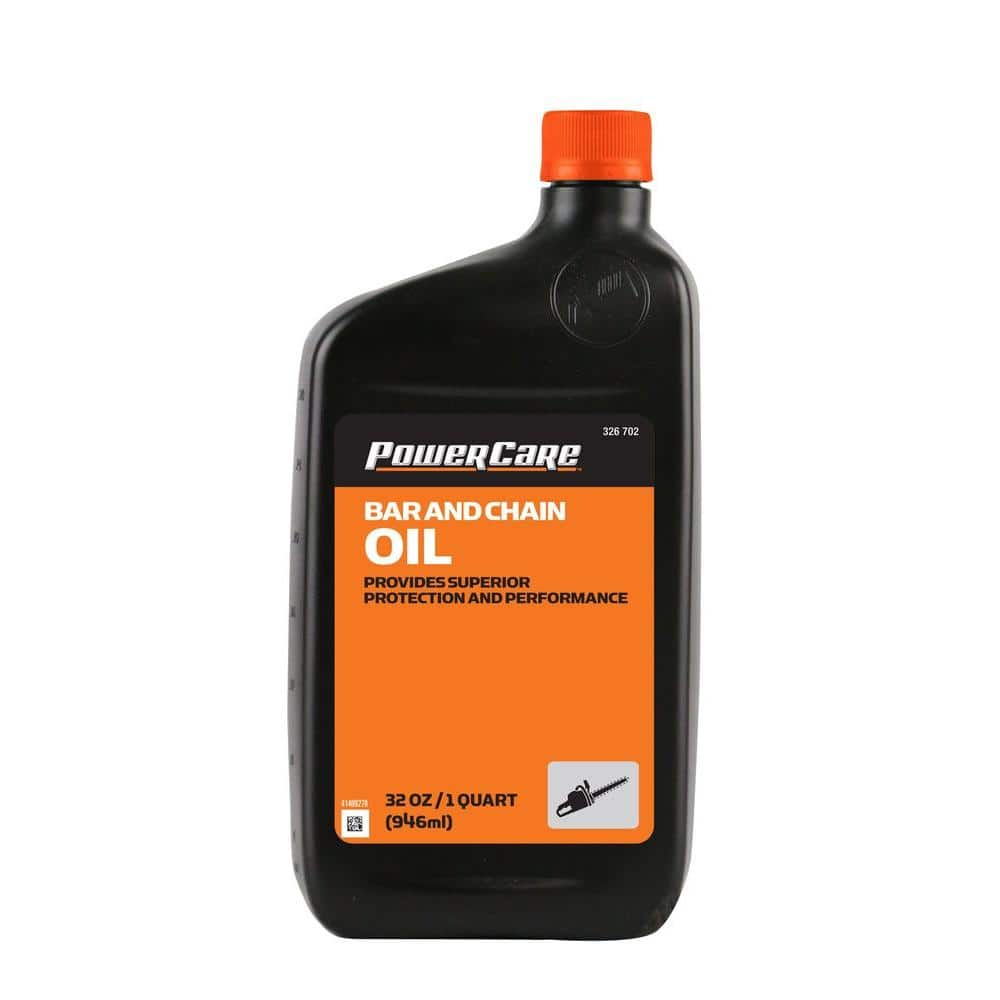
From a financial perspective, bar oil acts as a preventative maintenance measure, safeguarding a substantial capital investment. Neglecting this crucial fluid invariably leads to a cascade of costly consequences: premature wear on the guide bar, stretching and breaking of the saw chain, increased strain on the engine, and ultimately, the need for frequent, expensive replacements or professional repair services. For a business or an individual relying on a chainsaw for income, such failures translate directly into lost billable hours, decreased productivity, and unforeseen expenditures that erode profit margins. Investing in the correct type and consistent application of quality bar oil is not an optional accessory; it is a non-negotiable line item in any sensible equipment budget, directly impacting asset depreciation, maintenance schedules, and overall operational efficiency.
Understanding Bar Oil: Composition and Function for Optimal Investment
To make informed financial decisions regarding bar oil, it’s essential to grasp its fundamental composition and specialized function. This isn’t just any oil; it’s engineered for a specific, demanding environment.
Beyond Basic Lubrication: A Strategic Investment
The primary role of bar oil is to reduce friction and dissipate heat generated as the chain races around the guide bar. By creating a thin, consistent film between these moving parts, it prevents metal-on-metal contact, which is the root cause of wear. Reduced friction means less heat, which in turn preserves the temper of the metal, preventing warping and weakening of the bar and chain. This foundational protective action directly translates into extended component life and consistent cutting performance, securing the operational efficiency that underpins profitable work. Every hour extended on a bar or chain through proper lubrication defers a replacement cost, providing a tangible return on the relatively small investment in bar oil.
Tackifier Technology and Viscosity Considerations
What sets bar oil apart from standard motor oil is the inclusion of specialized additives, primarily tackifiers. These compounds give the oil its characteristic stickiness, enabling it to adhere to the fast-moving chain and resist being flung off by centrifugal force. A bar oil with effective tackifiers ensures a continuous lubricating film, even at high speeds, reducing oil consumption and ensuring consistent protection. From an economic standpoint, superior tackifier performance means less oil is wasted, translating into lower consumption rates over time and, consequently, reduced recurring expenditure.
Viscosity – the oil’s resistance to flow – is another critical factor. Bar oils come in various viscosities to suit different ambient temperatures. A thinner oil (lower viscosity) is suitable for cold weather, ensuring it flows freely and reaches all parts of the chain and bar. A thicker oil (higher viscosity) is preferred for hot weather, as it maintains its protective film without thinning out excessively. Using the wrong viscosity can be financially detrimental: a too-thick oil in cold weather may not circulate properly, leading to inadequate lubrication and wear; a too-thin oil in hot weather may be consumed too quickly, increasing costs and potentially failing to protect the components effectively. Choosing the appropriate viscosity optimizes both protection and consumption, directly impacting your maintenance budget.
Environmental and Performance Considerations
Modern bar oils also present choices between traditional petroleum-based formulations and biodegradable alternatives. While petroleum-based oils are generally less expensive upfront, biodegradable options offer environmental benefits, particularly important for operations in sensitive areas or for businesses keen on sustainable practices. The long-term financial implications might include compliance with environmental regulations, potential for reduced cleanup costs in the event of spills, and enhanced brand reputation for eco-conscious businesses. While the initial cost may be higher, the total cost of ownership, considering disposal, environmental impact, and public perception, can sometimes favor biodegradable options. Performance-wise, both types are formulated to meet the rigorous demands of chainsaw operation, with the key differentiator often being the environmental footprint and associated regulatory or market-driven costs.
Calculating the ROI of Quality Bar Oil
The return on investment (ROI) for quality bar oil may not always be immediately apparent on a balance sheet, but its impact on operational costs, asset depreciation, and productivity is undeniable. Viewing bar oil as a strategic investment rather than just a commodity reveals significant financial benefits.
Protecting Your Capital Equipment
A professional-grade chainsaw can represent a capital investment ranging from several hundred to several thousand dollars. The cost of a few liters of quality bar oil pales in comparison to the expense of replacing a worn guide bar (which can be $50-$200+) or a snapped chain ($20-$50+). More critically, insufficient lubrication can stress the saw’s engine, clutch, and sprocket, leading to far more expensive repairs or even premature total equipment failure. By ensuring optimal lubrication, bar oil acts as an ongoing insurance policy, extending the life of high-value components and safeguarding your initial capital outlay. This protective function directly reduces the need for frequent, unscheduled capital expenditure on new parts or tools.
Enhancing Productivity and Reducing Downtime
For any business or individual generating income with a chainsaw, time is money. A chainsaw that operates smoothly and efficiently is a productive asset. Proper lubrication reduces friction, allowing the chain to move freely and the engine to work less strenuously, translating into faster, more consistent cuts. This enhanced efficiency directly impacts the volume of work that can be completed within a given timeframe, leading to higher earning potential. Conversely, a poorly lubricated chainsaw will drag, bind, and potentially seize, leading to frustrating and costly downtime. Every minute spent troubleshooting, repairing, or waiting for a replacement part is a minute of lost income or deferred progress on a project. Investing in quality bar oil minimizes these interruptions, maximizing operational uptime and overall productivity.
Extending Asset Lifespan
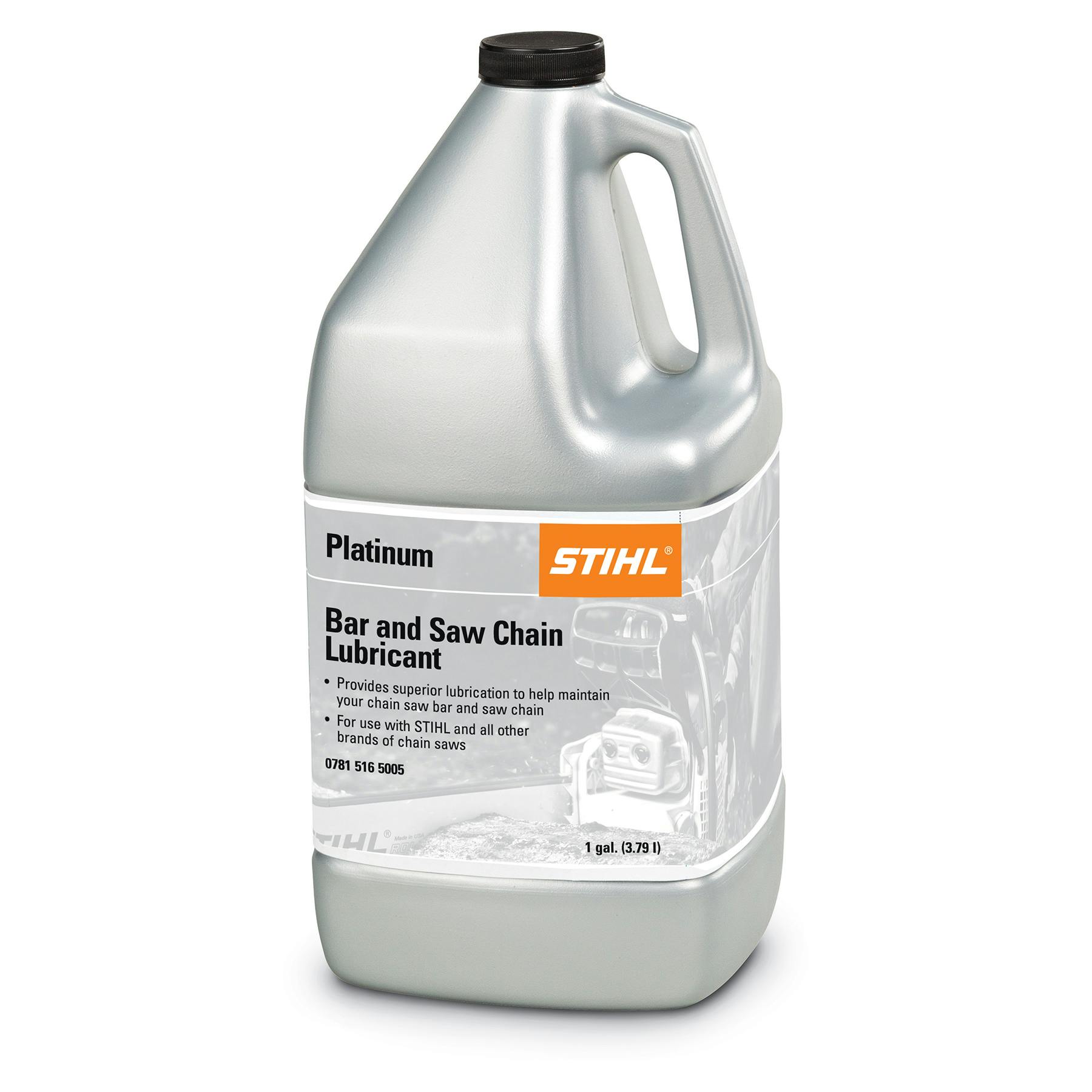
The useful life of a chainsaw is directly correlated with its maintenance regimen. Consistent use of appropriate bar oil significantly extends the lifespan of the guide bar, chain, and associated components. By minimizing wear and tear, you can delay the need for complete chainsaw replacement, deferring a substantial capital expense for years. This extension of asset life improves your total cost of ownership (TCO) and optimizes the depreciation schedule of your equipment, providing a more favorable financial outlook for your business or personal finances. A chainsaw that lasts twice as long effectively halves its annual cost of ownership.
Fuel Efficiency and Chain Sharpness
While less direct, proper lubrication can also indirectly contribute to fuel efficiency. When the chain and bar are well-lubricated, there is less resistance, meaning the engine doesn’t have to work as hard to maintain cutting speed. This can lead to a marginal but measurable reduction in fuel consumption over prolonged periods of operation. Furthermore, reduced friction helps maintain the sharpness of the chain’s cutting teeth for longer. A sharper chain cuts more efficiently, requiring less effort and less frequent sharpening, which saves on filing costs or professional sharpening services, and further enhances productivity.
Making Economically Sound Choices in Bar Oil
Optimizing your bar oil expenditure involves a strategic approach, considering more than just the immediate price tag. It’s about aligning your choice with your operational needs and long-term financial goals.
Price vs. Value: A Financial Weigh-in
The temptation to opt for the cheapest bar oil available can be strong, especially when managing tight budgets. However, this often proves to be a false economy. Cheaper oils may have inferior tackifiers, leading to higher consumption rates as more oil is flung off the chain. They might also offer less effective friction reduction, accelerating wear on expensive components. A slightly more expensive, higher-quality bar oil, while costing more upfront, can often deliver superior adhesion, better lubrication, and enhanced protection, ultimately leading to lower consumption, extended component life, and fewer repair costs. When evaluating bar oil, always consider the total cost of ownership – the initial purchase price combined with the potential savings on parts, repairs, and lost productivity – rather than just the per-liter cost.
Matching Oil to Application and Climate
As discussed, viscosity plays a critical role. Operating a saw in freezing winter conditions with a thick summer oil can starve the bar and chain of lubrication, leading to rapid wear and potential damage. Conversely, a thin winter oil used in hot summer conditions will be consumed excessively and may not provide adequate protection. Savvy operators maintain different viscosity oils for different seasons, ensuring optimal performance and cost-effective usage. Moreover, specific applications might also influence choice; for instance, heavy-duty commercial logging might benefit from premium formulations designed for extreme stress, whereas occasional home use might suffice with a standard, reliable option. Tailoring your oil choice to your operational environment is a key financial optimization strategy.
Bulk Purchasing and Supplier Relationships
For businesses or individuals who consume bar oil regularly and in significant quantities, exploring bulk purchasing options can lead to substantial cost savings. Buying in larger containers (e.g., 5-gallon pails instead of individual liters) typically reduces the per-unit cost. Establishing a relationship with a trusted local supplier or distributor can also unlock preferential pricing, volume discounts, or even tailored recommendations based on your specific equipment and usage patterns. This approach aligns with sound business finance principles of supply chain management and cost reduction through strategic procurement.
Regular Maintenance Schedules: A Cost-Saving Habit
Even the best bar oil is ineffective if not used correctly and consistently. Ensuring the oil reservoir is always adequately filled before and during operation is paramount. Regular inspection of the bar and chain for proper lubrication (evidenced by a light spray of oil when running the saw over a clean surface) is a simple habit that prevents expensive oversight. Integrating bar oil checks into a routine pre-operation checklist is a proactive maintenance strategy that minimizes the risk of costly damage due, not to the oil itself, but to its improper application or neglect.
The Financial Ripple Effect of Poor Bar Oil Practices
Ignoring the importance of bar oil creates a financial ripple effect that extends far beyond the initial savings on a cheaper product or the brief inconvenience of refilling.
Escalating Repair Costs
The most immediate and obvious financial consequence of inadequate lubrication is the need for expensive repairs. A guide bar subjected to excessive friction will quickly develop deep grooves, rendering it unusable and impacting cutting precision. Chains will stretch, warp, or even snap, posing a safety hazard and requiring immediate replacement. The sprocket nose, often located at the tip of the guide bar, is particularly vulnerable to wear without proper oiling, leading to costly replacement. Each of these component failures represents an unbudgeted expense that can significantly impact a project’s profitability or a household’s discretionary spending. Beyond individual parts, excessive friction can put undue strain on the saw’s engine, clutch, and drive sprocket, potentially leading to premature mechanical failure of the entire unit, necessitating a complete chainsaw replacement.
Reduced Resale Value
Like any piece of machinery, a chainsaw’s resale value is heavily influenced by its condition and maintenance history. A chainsaw exhibiting significant wear on its bar and chain, a common sign of poor lubrication, will fetch a considerably lower price on the used market. For businesses looking to upgrade equipment or individuals selling older tools, this reduction in asset value represents a direct financial loss. Conversely, a well-maintained chainsaw, with components showing minimal wear, retains more of its original value, offering a better return upon sale or trade-in.
Legal and Safety Implications
While not a direct financial cost, equipment failure due to poor maintenance can have severe legal and safety ramifications. A chain snapping mid-operation or a bar seizing can lead to serious injury to the operator or bystanders. Such incidents can result in medical expenses, legal liabilities, insurance claims, and workers’ compensation payouts for businesses, all of which carry substantial financial burdens and reputational damage. Adhering to proper lubrication protocols, therefore, isn’t just about protecting your equipment; it’s about mitigating significant financial risks associated with workplace safety and legal accountability.
In conclusion, bar oil is an indispensable operational expense that, when managed strategically, serves as a powerful financial tool. By understanding its role, making informed choices, and integrating it into robust maintenance practices, operators can protect their valuable assets, maximize productivity, and ensure long-term profitability and equipment reliability.
aViewFromTheCave is a participant in the Amazon Services LLC Associates Program, an affiliate advertising program designed to provide a means for sites to earn advertising fees by advertising and linking to Amazon.com. Amazon, the Amazon logo, AmazonSupply, and the AmazonSupply logo are trademarks of Amazon.com, Inc. or its affiliates. As an Amazon Associate we earn affiliate commissions from qualifying purchases.