
In the early 2000s, few names carried as much weight in the global marketplace as Ronaldinho Gaúcho. With a toothy grin and a style of play that bordered on the supernatural, the Brazilian maestro was more than just a footballer; he was a premier global brand. However, the trajectory of his post-playing career has become a fascinating, and at times cautionary, case study in personal branding, reputation management, and the volatility of celebrity equity. To understand “what happened” to Ronaldinho, one must look past the pitch and examine the lifecycle of a brand that reached the stratosphere, plummeted into a reputational abyss, and is currently undergoing a complex process of reinvention.

The Architecture of a Global Brand: The Joga Bonito Era
The foundation of the Ronaldinho brand was built on a concept Nike famously marketed as “Joga Bonito” (Play Beautiful). Unlike the clinical efficiency of Cristiano Ronaldo or the quiet brilliance of Lionel Messi, Ronaldinho’s brand was rooted in joy, creativity, and accessibility. This era defined how a personal brand could transcend sports to become a cultural phenomenon.
The Smile as a Trademark
In branding, visual cues are paramount. Ronaldinho’s “trademark” wasn’t just his “no-look” pass; it was his perpetual smile. In a world of high-stakes, high-pressure sports, his brand promised happiness. This made him an advertiser’s dream. Brands like Pepsi, Danone, and Lenovo didn’t just buy his athletic skill; they bought the infectious optimism he projected. This “joy-of-life” positioning allowed him to bridge the gap between hardcore sports fans and the general public, creating a universal appeal that few athletes have ever matched.
Nike and the Birth of the “R10” Identity
The collaboration between Ronaldinho and Nike in the mid-2000s was a masterclass in brand development. The “R10” logo became a symbol of elite performance mixed with street-style flair. The 2005 YouTube video of Ronaldinho hitting the crossbar four times in a row—the first video to reach one million views on the platform—was a watershed moment for digital branding. It showcased the power of “viral” content before the term was even popularized, cementing the R10 brand as the gold standard for the digital age of sports marketing.
Brand Erosion: When Personal Life Overwhelms Professional Identity
The decline of Ronaldinho’s brand was not a sudden collapse but a gradual erosion caused by a misalignment between his professional responsibilities and his personal lifestyle choices. In the world of personal branding, consistency is the currency of trust. When that consistency broke, the brand’s value began to depreciate.
The Impact of Discipline and Lifestyle on Marketability
As Ronaldinho’s dedication to training waned during his later years at FC Barcelona and AC Milan, his “on-field” brand performance suffered. For an athlete, the core product is the game. When the product fails, the brand endorsements often follow. The narrative shifted from “the joyful genius” to “the unfulfilled talent.” This shift serves as a reminder for any personal brand: once the core value proposition (in this case, elite football) is compromised, the peripheral brand assets (the smile, the personality) lose their weight.
The Paraguayan Passport Scandal: A Brand in Crisis
The most significant blow to the Ronaldinho brand occurred in 2020, when he and his brother were arrested in Paraguay for using false passports. For a brand built on joy and a “clean” image, a 171-day stint in custody (including time in a maximum-security prison and house arrest) was a catastrophic reputational event. Major corporate partners distanced themselves, and his “ambassador” status for various organizations was put on indefinite hold. This period represented the “nadir” of his brand equity, where the name Ronaldinho became associated with legal turmoil rather than sporting excellence.
Reputation Management and the Post-Career Pivot
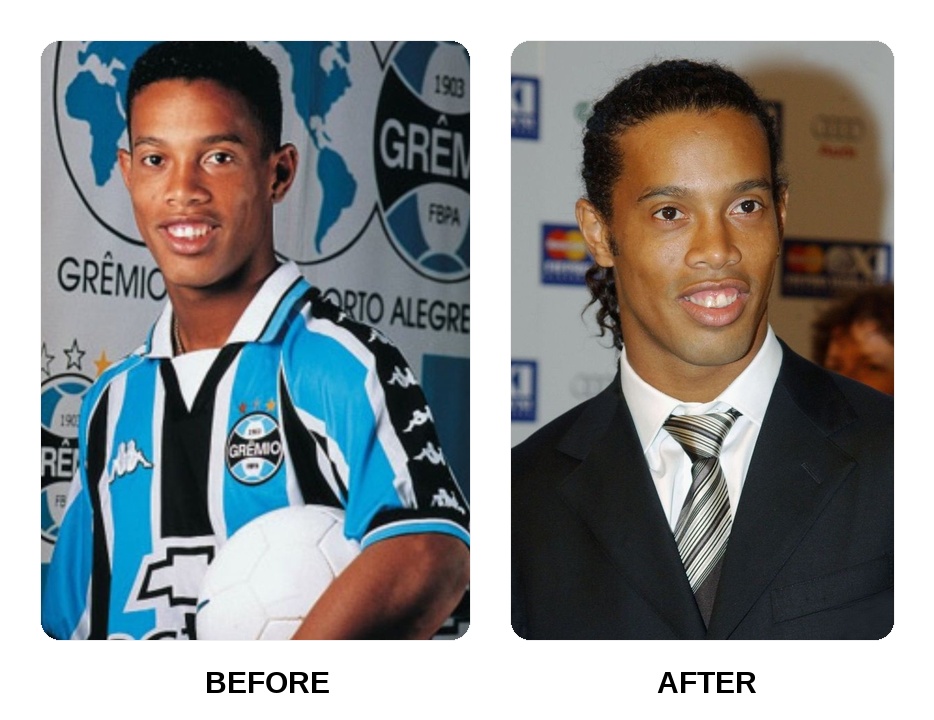
Despite the legal setbacks, Ronaldinho’s brand has proven to be remarkably resilient. His team has utilized a strategy of “nostalgia marketing” and diversification to keep the brand relevant in a crowded digital landscape. What happened after his release from house arrest is a testament to the power of a “legacy brand.”
Leveraging Nostalgia in the Digital Age
Ronaldinho has successfully pivoted into the role of a “Global Icon of the Past.” By participating in “Legends” matches and exhibition tours, he taps into the nostalgia of the generation that grew up watching his peak. This strategy works because it decouples his current controversies from the emotional connection fans have with his 2005 persona. His social media presence, which boasts over 75 million followers on Instagram alone, allows him to bypass traditional media gatekeepers and communicate a curated, “sanitized” version of his brand directly to a loyal fanbase.
Diversification into New Industries: From eSports to Music
The modern Ronaldinho brand is a sprawling conglomerate. He has moved into eSports with “R10 Team,” launched his own gin brand (“R-ONE”), and even ventured into the music industry with “Tropa do Bruxo.” This diversification is a strategic move to insulate his income and brand presence from the volatility of any single industry. By embedding himself in the “lifestyle” and “entertainment” sectors, he has transitioned from being a retired athlete to a multifaceted entertainment mogul.
Lessons for Modern Personal Branding
The evolution of Ronaldinho’s public profile offers several critical insights for modern influencers, athletes, and corporate leaders regarding the maintenance of a personal brand.
The Fragility of Authenticity
Ronaldinho’s brand was built on “authenticity”—the idea that he was just a boy playing for the love of the game. However, when his personal choices (partying, legal issues) conflicted with the expectations of his corporate partners, that authenticity became a liability. The lesson here is that while authenticity is a powerful brand driver, it must be managed within the framework of professional expectations if the brand is to remain commercially viable in the long term.
Global Appeal vs. Local Compliance
One of the unique aspects of the Ronaldinho brand is its global nature. He is as beloved in China and India as he is in Brazil. However, his legal issues in Paraguay and tax problems in Brazil highlight the danger of a “borderless” brand neglecting local compliance and legal realities. For any global brand, the “macro” appeal must be supported by “micro” stability—meaning the person behind the brand must adhere to the rules of the societies they operate within, or risk losing their global platform.
The Eternal Icon: Why the Ronaldinho Brand Endures
Despite the scandals, the arrests, and the financial rumors, the brand of Ronaldinho remains one of the most recognizable in the world. This raises an interesting question: why do some brands survive crises that would destroy others?
Emotional Connection and Consumer Loyalty
The secret to Ronaldinho’s brand longevity lies in the deep emotional connection he forged with fans during his peak. Branding experts often talk about “brand love,” and Ronaldinho is a prime example. His fans don’t just admire his skill; they feel a sense of gratitude for the joy he provided. This emotional “bank account” has allowed him to withdraw heavily during times of crisis without completely bankrupting his reputation.
The “Legend” Status as a Protective Shield
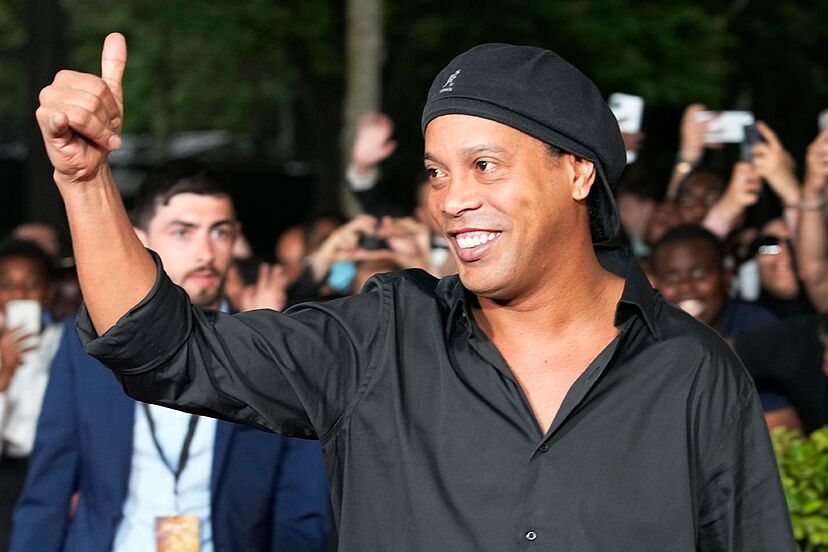
By reaching the status of a “Legend,” Ronaldinho has entered a space where he is no longer judged by the standards of ordinary celebrities. In the eyes of the public, his mistakes are often framed as the “eccentricities of a genius” rather than the failures of a professional. While this doesn’t excuse his actions, it explains why he continues to secure high-value partnerships and maintain a massive following. The brand has moved beyond the person; it is now an idea—a symbol of a golden era of football that fans are unwilling to let go of.
In conclusion, what happened to Ronaldinho is a complex transformation. He transitioned from being the world’s most marketable athlete to a legal pariah, only to emerge as a resilient, diversified entertainment brand. His story serves as a reminder that while talent can build a brand, and joy can market it, only discipline and strategic management can truly sustain it. Yet, in the end, the Ronaldinho brand survives because it represents something universal: the unadulterated joy of creativity, a product that, despite the flaws of its creator, remains perpetually in high demand.
aViewFromTheCave is a participant in the Amazon Services LLC Associates Program, an affiliate advertising program designed to provide a means for sites to earn advertising fees by advertising and linking to Amazon.com. Amazon, the Amazon logo, AmazonSupply, and the AmazonSupply logo are trademarks of Amazon.com, Inc. or its affiliates. As an Amazon Associate we earn affiliate commissions from qualifying purchases.