
In an era defined by instant gratification and a burgeoning subscription economy, Amazon Prime stands as a titan, offering a dazzling array of benefits from expedited shipping to extensive digital entertainment. For many, the question isn’t just “What is Amazon Prime?” but rather, “How much is Amazon Prime each month?” This seemingly straightforward query opens the door to a deeper financial analysis, exploring not only the direct monetary cost but also the hidden values, potential pitfalls, and strategic ways to maximize your investment. Understanding the true financial impact of an Amazon Prime membership is crucial for savvy consumers seeking to optimize their personal finances and make informed spending decisions in a world saturated with recurring charges.
Understanding Amazon Prime’s Subscription Tiers
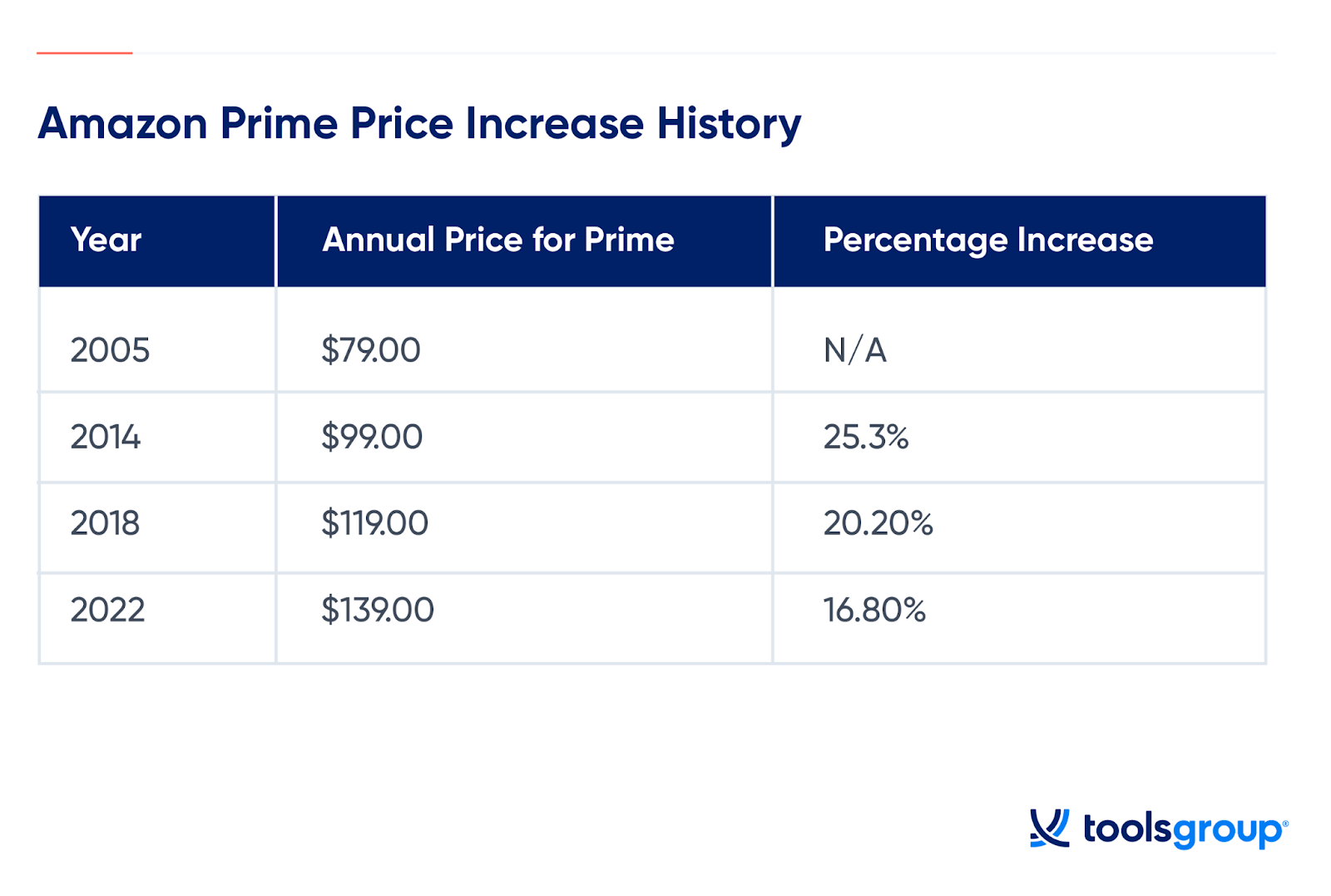
Amazon Prime is not a one-size-fits-all service, especially when it comes to its pricing structure. While the immediate focus might be on a monthly charge, Amazon offers various payment options designed to cater to different consumer needs and financial planning preferences. Each tier carries its own financial implications, and a careful comparison is essential for identifying the most cost-effective approach for your specific usage patterns.
The Standard Monthly Prime Membership
For those who prefer flexibility or are uncertain about long-term commitment, the standard monthly Amazon Prime membership is often the first point of entry. This option provides full access to all Prime benefits—including Prime Video, Prime Music, unlimited fast shipping, exclusive deals, and more—on a month-to-month basis. As of late 2023/early 2024, the monthly cost for this tier typically hovers around $14.99. While this offers unparalleled freedom to cancel at any time without penalty, it’s financially the most expensive option over a full year. Consumers who choose this route might be those who only need Prime for a few months out of the year, perhaps during peak shopping seasons like Black Friday or for a specific video series, or those who simply prefer to keep their recurring financial obligations flexible. From a financial planning perspective, while convenient, it represents a higher aggregate spend if maintained continuously.
Annual Savings: The Yearly Prime Membership
Amazon actively incentivizes long-term commitment through its annual Prime membership. This option provides the exact same comprehensive suite of benefits as the monthly plan but at a significantly discounted rate when paid upfront for the entire year. Typically priced around $139 per year, this translates to an effective monthly cost of approximately $11.58. For individuals or households that consistently utilize Prime benefits throughout the year, the annual membership presents a clear financial advantage, saving roughly $48 per year compared to paying month-to-month. This upfront payment requires a larger single outlay but yields substantial savings, making it the preferred choice for budget-conscious, regular Prime users. It’s a classic example of how bundling services can reduce average unit costs, a key consideration in personal finance.
Discounted Prime: For Students and Qualifying Beneficiaries
Recognizing the diverse financial situations of its potential members, Amazon also offers special discounted Prime memberships. The most prominent of these is Prime Student, available to eligible college students. This tier typically offers a generous free trial period (often six months), followed by a reduced monthly or annual fee. Historically, Prime Student has been around $7.49 per month or $69 per year, representing a 50% discount off the standard rates. This makes Prime significantly more accessible for students, providing essential benefits like textbook shipping and entertainment without straining a limited budget.
Beyond students, Amazon may also offer discounted Prime memberships to individuals who qualify for certain government assistance programs, such as EBT or Medicaid recipients. These programs aim to bridge the digital divide and provide access to essential services and savings for lower-income households, often pricing Prime at a similar discounted rate as Prime Student (e.g., around $6.99 per month). These initiatives highlight Amazon’s strategic approach to market penetration, while also serving a social purpose, making Prime a more inclusive service from a financial perspective. For those who qualify, these discounted options represent substantial savings and an opportunity to access a valuable suite of services at a fraction of the regular cost.
Beyond the Monthly Fee: Hidden Costs and Considerations
While the subscription fee is the most obvious financial outlay, a comprehensive analysis of Amazon Prime’s cost requires looking beyond the recurring charge. Savvy financial management involves understanding all potential expenditures influenced by a service, not just its direct price tag. Prime, by its very design, can subtly impact your overall spending habits.
Impulse Buying Temptations: The Prime Effect on Spending
One of the most significant, yet often overlooked, “costs” of Amazon Prime is its influence on consumer behavior, particularly its propensity to encourage impulse purchases. With benefits like free two-day (or even same-day) shipping, the barrier to completing a purchase is significantly lowered. The thought process often shifts from “Do I really need this?” to “It’s free shipping, why not?” This psychological phenomenon can lead to increased spending on non-essential items, eroding savings and potentially throwing budgets off track. Financial advisors often caution against services that make spending too easy, as the aggregate of many small, unplanned purchases can quickly outweigh the savings gained from free shipping or Prime Day deals. The convenience factor, while a core benefit, also serves as a potent spending accelerator.
Premium Add-ons and Channels
While Prime Video offers a vast library of content included with the membership, Amazon also heavily promotes “Prime Video Channels” and other premium digital services. These are additional, separate subscriptions (e.g., HBO Max, Paramount+, Starz) that are billed directly through your Amazon account. While convenient to manage under one umbrella, each channel adds another recurring monthly fee to your statement, quickly inflating your total entertainment budget. Similarly, while Prime Music offers a selection, Amazon Music Unlimited is a separate, paid subscription for a much larger library. Users must be diligent in distinguishing what’s included in their base Prime membership versus what constitutes an additional, elective charge, to avoid unexpected financial commitments.
Opportunity Cost: Alternative Streaming or Shipping Services
Considering the financial implications of Prime also means evaluating its opportunity cost. By committing funds to Amazon Prime, you are implicitly choosing it over alternative services that might offer similar benefits at a different price point or with a better fit for your specific needs. For example, if your primary interest is streaming, would a standalone Netflix, Hulu, or Disney+ subscription be more cost-effective if you rarely use Amazon’s shipping benefits? Similarly, if you only occasionally need fast shipping, would simply paying for shipping on individual orders or using a competitor like Walmart+ (which also has a fee) be cheaper in the long run? Understanding opportunity cost helps in making financially sound decisions by ensuring your money is allocated to services that provide the most value relative to their cost and your usage.
Maximizing Your Prime Investment: Is It Worth the Cost?
Determining whether Amazon Prime is “worth it” is a highly personal financial calculation. It requires a clear understanding of your usage patterns, the value you place on convenience, and a realistic assessment of how much you truly utilize its diverse benefits. For some, the cost is easily justified; for others, it might be an unnecessary drain on their finances.
Quantifying the Value of Core Benefits (Shipping, Video, Music)

To truly assess the value, consider quantifying how much you would spend on these services individually:
- Shipping: How many orders do you place annually that would incur a shipping fee without Prime? If Amazon typically charges $5-$10 per non-Prime order, how quickly do those savings add up to $139/year?
- Prime Video: Do you watch enough content on Prime Video to replace other streaming services, or at least justify its portion of the overall fee? Consider the cost of a similar standalone streaming service (e.g., Netflix Basic is around $9.99/month, or $120/year).
- Prime Music: While not as extensive as Spotify Premium, if Prime Music meets your basic listening needs, how much would you pay for a similar ad-free music service?
- Other Benefits: Factor in things like Prime Reading (e-books), Twitch Prime (free games/subscriptions), and unlimited photo storage. Do these provide tangible savings or enhance your life in a way that warrants the cost?
By assigning a conservative monetary value to each benefit you actively use, you can arrive at a rough estimate of your personal “break-even” point for the membership.
Leveraging Exclusive Deals and Discounts
Prime members gain access to exclusive sales events like Prime Day, as well as early access to Lightning Deals and special discounts throughout the year. For active shoppers, these deals can translate into significant savings on products they were planning to buy anyway. However, a crucial financial discipline here is to only purchase items you genuinely need and would have bought regardless of the “deal.” Buying something simply because it’s on sale, fueled by the fear of missing out, negates any perceived savings and contributes to the impulse spending discussed earlier. Strategic use of these discounts, combined with price tracking tools, can enhance the financial value of your Prime membership.
The Convenience Factor: Time Saved vs. Money Spent
Beyond tangible monetary savings, the value of convenience plays a huge, albeit subjective, role. Free and fast shipping saves trips to physical stores, saves fuel, and saves precious time. For busy individuals or those with limited mobility, this convenience can be invaluable. Prime Video and Music offer entertainment on demand, saving time spent searching for content or physical media. While harder to quantify in dollars and cents, the reduction in friction for shopping and entertainment can contribute significantly to quality of life. The financial question then becomes: “How much is my time worth, and how much am I willing to pay to simplify these aspects of my life?” This is where personal preferences and lifestyle choices heavily influence the “worth it” equation.
Financial Planning for Your Prime Membership
Integrating a service like Amazon Prime into your financial plan requires intentionality. It’s not just about paying the bill; it’s about making sure it aligns with your broader financial goals and contributes positively to your overall budget.
Budgeting for Recurring Subscriptions
In today’s subscription-heavy world, it’s easy for monthly charges to accumulate unnoticed. Amazon Prime, whether monthly or annual, should be explicitly accounted for in your personal budget. Treat it like any other fixed or semi-fixed expense. Using budgeting apps or spreadsheets to track all your recurring subscriptions (streaming, gym memberships, software, etc.) is vital. This provides a clear overview of your total monthly outflow and helps identify areas where you might be overspending or subscribing to services you no longer use. For an annual Prime membership, consider setting aside a small amount each month into a dedicated savings fund so the large lump sum payment doesn’t strain your budget when it comes due.
Evaluating Your Usage: When to Cancel or Switch Tiers
Regularly review your usage of Prime benefits. Ask yourself:
- How often do I actually use the free shipping?
- Do I watch Prime Video regularly, or has it become background noise?
- Am I leveraging other benefits like Prime Reading or Music?
If your usage has significantly decreased, or if you find yourself paying for the service primarily for one or two minor benefits, it might be time to reassess. Canceling your Prime membership, even temporarily, can free up valuable funds. Alternatively, if you’re on a monthly plan but find yourself a consistent user, switching to the annual plan offers significant savings. If your circumstances change (e.g., becoming a student), remember to explore eligibility for discounted tiers. This periodic financial health check is crucial for optimizing your spending.
Exploring Payment Options and Billing Cycles
Amazon offers various payment methods for Prime, including credit cards, debit cards, and gift cards. While convenience is key, consider the financial implications of your choice. Paying with a credit card might offer rewards points, but it’s imperative to pay off the balance in full each month to avoid interest charges that would negate any benefits. Using gift cards can be a way to “pre-pay” for Prime using funds from surveys, rewards programs, or special promotions, effectively reducing its out-of-pocket cash cost. Understanding your billing cycle is also important; mark your calendar for the renewal date, especially for annual memberships, to allow time for re-evaluation before you are automatically charged for another term.
The Evolving Landscape of Subscription Services
Amazon Prime doesn’t exist in a vacuum; it’s a major player in an increasingly crowded and competitive subscription economy. Understanding its position within this broader landscape helps in making even smarter financial decisions about its ongoing value.
Amazon Prime in the Broader Subscription Economy
The rise of the subscription model has transformed how consumers access goods and services, from software and streaming to food delivery and personal care. Amazon Prime was an early pioneer, demonstrating the power of bundling diverse benefits into a single recurring fee. Its success has inspired countless other companies to adopt similar models. From a financial perspective, this means consumers now face a “subscription fatigue,” where managing numerous monthly charges becomes a significant budgeting challenge. Prime’s comprehensive nature means it often replaces several individual services (e.g., separate shipping, video, and music subscriptions), but it also competes for your disposable income against a vast array of other offerings.
Strategies for Managing Multiple Subscriptions
Effective financial management in this environment requires a proactive approach. Beyond simply tracking costs, consider a “subscription audit” at least once or twice a year. Categorize your subscriptions by necessity (e.g., essential, valuable, nice-to-have, rarely used). Prioritize based on true value and usage. Explore family sharing plans where available to reduce per-person costs. Temporarily pause or “churn” subscriptions you don’t use year-round (e.g., cancel a streaming service after binge-watching a show, then resubscribe later). This active management prevents subscription creep from silently eroding your financial well-being.
Future Pricing Trends and Member Benefits
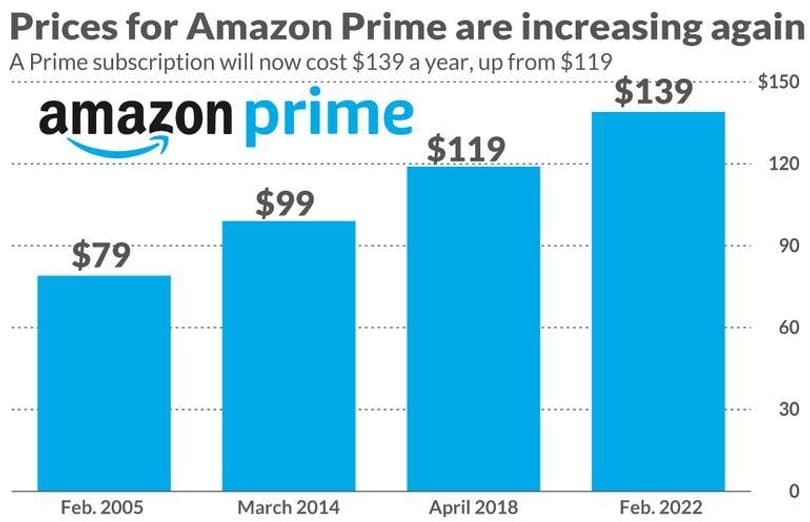
Like all subscription services, Amazon Prime’s pricing and benefits are subject to change. Amazon has historically adjusted its prices upwards, citing increased operational costs and continuous investment in new features. From a financial planning standpoint, consumers should anticipate potential future price hikes and regularly re-evaluate the service’s value proposition against its evolving cost. Conversely, Amazon also continually adds new benefits, which could enhance its value. Staying informed about these changes, both in price and perks, is essential for maintaining a financially sound approach to your Prime membership and ensuring it continues to meet your needs effectively at a justifiable cost.
In conclusion, “how much is Amazon Prime each month?” is a question with layered answers. While the direct monthly or annual fee is the starting point, a truly insightful financial assessment involves understanding the various tiers, hidden costs, behavioral influences, and the critical exercise of quantifying its value against your personal usage and broader financial goals. By approaching your Prime membership with a strategic, financially savvy mindset, you can ensure it remains a true asset rather than an unexamined expense.
aViewFromTheCave is a participant in the Amazon Services LLC Associates Program, an affiliate advertising program designed to provide a means for sites to earn advertising fees by advertising and linking to Amazon.com. Amazon, the Amazon logo, AmazonSupply, and the AmazonSupply logo are trademarks of Amazon.com, Inc. or its affiliates. As an Amazon Associate we earn affiliate commissions from qualifying purchases.