
In the pantheon of sports marketing, few names evoke as much nostalgia and stylistic reverence as Anfernee “Penny” Hardaway. In the mid-1990s, Hardaway was not merely an NBA superstar; he was a cultural phenomenon, a brand entity that rivaled the commercial gravity of Michael Jordan. However, the trajectory of his career was famously altered by devastating injuries, leading many casual observers to ask, “What happened to Penny Hardaway?”
From a brand strategy perspective, the answer is not a story of decline, but rather one of masterful pivot and long-term brand equity management. Penny Hardaway’s journey serves as a definitive case study in how a personal brand can transcend the physical limitations of an athlete’s career to remain relevant, profitable, and influential decades after their prime.

The Architect of an Iconic Visual Identity
To understand what happened to the Penny Hardaway brand, one must first look at the foundation laid during his early years with the Orlando Magic. Hardaway did not just play basketball; he curated an aesthetic that resonated with the burgeoning streetwear and hip-hop cultures of the 1990s.
The Power of the “Lil’ Penny” Alter Ego
One of the most significant challenges in personal branding is the alignment of personality with marketability. Penny Hardaway was notoriously quiet and humble—traits that, while admirable, can sometimes struggle to capture the “loud” attention required for global sneaker sales. Nike’s solution was a stroke of marketing genius: the creation of “Lil’ Penny.”
Voiced by comedian Chris Rock, Lil’ Penny was a foul-mouthed, boastful puppet who served as the boisterous alter ego to the stoic athlete. This “split-personality” branding allowed Penny to maintain his authentic, professional image while his brand persona engaged in the trash-talking and high-energy marketing that defined the era. This strategy effectively doubled his brand reach, appealing to those who respected the game and those who loved the entertainment.
Signature Aesthetics: The 1-Cent Logo and the Foamposite Legacy
A brand is only as strong as its visual triggers. The “1-Cent” logo, a clever play on his nickname, became a hallmark of sports design. It was minimalist yet instantly recognizable. Furthermore, the introduction of the Nike Air Foamposite One in 1997 revolutionized the sneaker industry.
While most players’ signature shoes fade into the archives once they retire, the “Penny” line achieved a rare status: it became a perpetual luxury brand. The Foamposite, with its liquid-look and high price point, shifted Penny’s brand from “performance gear” to “aspirational lifestyle asset.” Even as his on-court stats dipped due to injury, the resale value and cultural demand for his sneakers continued to climb, proving that a well-designed brand can survive the obsolescence of its original product.
Navigating the Brand Crisis: Injury and the “What-If” Narrative
What happens to a brand when the core “service”—in this case, elite athletic performance—is compromised? For most athletes, a string of knee surgeries marks the end of their commercial viability. For Hardaway, the injuries were strategically reframed through the lens of a “what-if” narrative, which paradoxically strengthened his brand’s emotional connection with fans.
Authenticity in Adversity
Instead of disappearing or attempting to play through pain in a way that tarnished his legacy, Hardaway’s brand transitioned into one of resilience and professional transition. During his stints with the Phoenix Suns and the New York Knicks, the narrative shifted from “The Next Jordan” to “The Veteran Mentor.”
By being transparent about his physical struggles and maintaining a professional demeanor, Hardaway preserved his brand’s integrity. In marketing, authenticity is the highest currency. Hardaway didn’t try to “fake” his way back to superstar status; he leaned into his role as a student of the game, setting the stage for his next brand evolution: coaching.

Staying Relevant Post-Prime
The “what happened” period of the late 2000s saw Hardaway moving away from the spotlight, but his brand remained active in the background through strategic retro releases of his sneaker line. Nike recognized that the “Penny” brand was a legacy asset. By spacing out “Retro” releases and collaborating on new colorways, the brand kept Penny in the minds of a younger generation (Gen Z and Millennials) who may have never seen him play live but associated his name with high-end fashion and basketball heritage.
The Strategic Rebrand: From Player to Coach
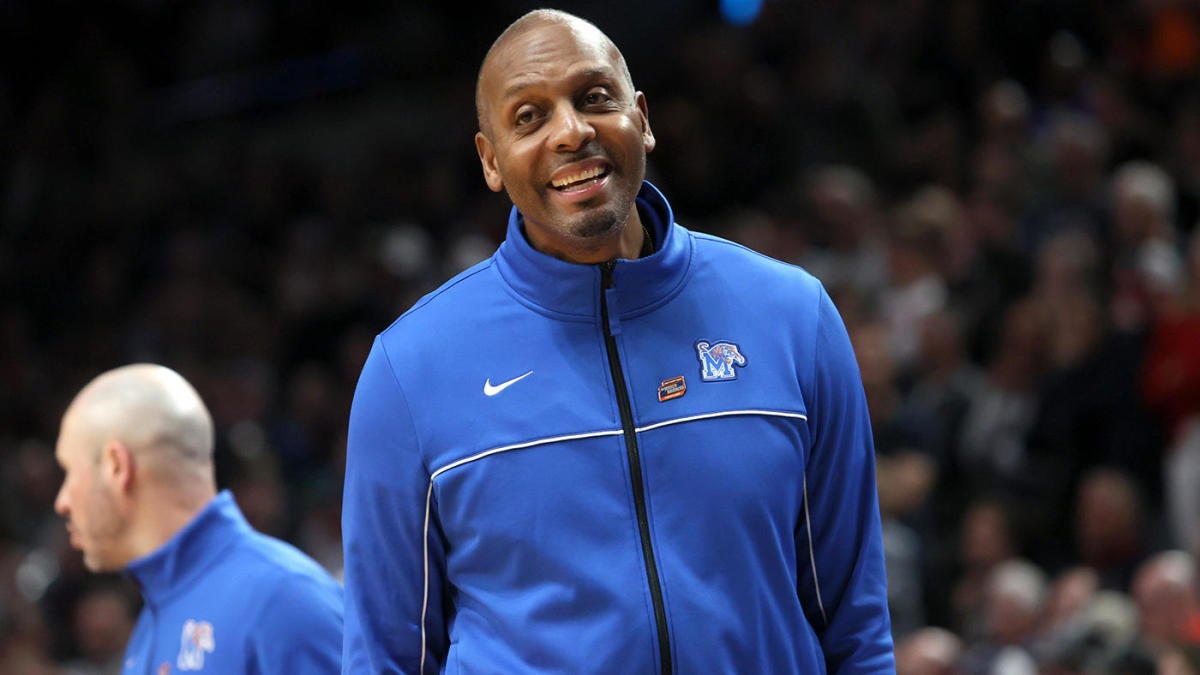
The most significant chapter in “what happened” to Penny Hardaway began in 2018 when he was named the head coach of his alma mater, the University of Memphis. This was not just a career change; it was a total brand re-engagement.
Leveraging Nostalgia for Modern Recruitment
Hardaway’s move to the coaching ranks utilized his “Legacy Brand” to create a “Recruiting Brand.” High-school athletes were suddenly being recruited by a man who had his own signature shoe line—a rarity in the collegiate coaching world. Hardaway leveraged his Nike connections and his status as a cultural icon to turn Memphis into a destination for top-tier talent.
This transition transformed the “Penny Hardaway” name from a symbol of 90s nostalgia into a symbol of modern authority. He successfully rebranded himself as the “CEO of Memphis Basketball,” proving that his intellectual capital was just as valuable as his former physical prowess.
The Homegrown Brand Strategy
By returning to Memphis, Hardaway tapped into “Geographic Brand Loyalty.” He didn’t just take any coaching job; he took the job in the city where he was a local hero. This alignment between person and place created a “Homegrown” brand narrative that is nearly impossible for competitors to replicate. It reinforced the values of loyalty and community, further deepening the emotional moat around his personal brand.
Lessons in Brand Longevity and Legacy
The story of Penny Hardaway provides a blueprint for any professional or corporate entity looking to build a brand that lasts. It suggests that a brand is not defined by its peak performance, but by its ability to adapt to changing circumstances while maintaining its core identity.
Transcending the Sport
Hardaway’s brand survived because it was never just about basketball. It was about design, humor (via Lil’ Penny), and a specific kind of “cool” that didn’t feel manufactured. In the modern era, “what happened” to him is that he became a blueprint for the “Player-as-Mogul.” He showed that by owning your intellectual property—the logo, the nickname, and the story—you can remain a market leader long after the physical product has changed.
The Future of the Hardaway Enterprise
Today, Hardaway exists at the intersection of sports, fashion, and leadership. His brand continues to generate revenue through sneaker sales, while his coaching career provides a platform for daily relevance in the sports media cycle. He has successfully navigated the dangerous waters of athletic retirement, coming out the other side not as a “former star,” but as a current influencer in the basketball ecosystem.
In conclusion, when people ask “what happened to Penny Hardaway,” the answer is a lesson in brand sustainability. He moved from the hardwood to the marketing boardroom, then to the coaching sidelines, all while keeping the “1-Cent” logo as a symbol of premium quality. He didn’t disappear; he evolved, proving that while careers are temporary, a well-constructed brand is forever.
aViewFromTheCave is a participant in the Amazon Services LLC Associates Program, an affiliate advertising program designed to provide a means for sites to earn advertising fees by advertising and linking to Amazon.com. Amazon, the Amazon logo, AmazonSupply, and the AmazonSupply logo are trademarks of Amazon.com, Inc. or its affiliates. As an Amazon Associate we earn affiliate commissions from qualifying purchases.