
In the rapidly evolving landscape of global technology, the term “PFAS” (per- and polyfluoroalkyl substances) has shifted from an obscure chemical shorthand to a pivotal concern for hardware engineers, supply chain managers, and digital innovators. Often referred to as “forever chemicals” due to their incredible resistance to degradation, PFAS have been foundational to the electronics industry for decades. As the tech sector pushes toward smaller, faster, and more resilient devices, the industry finds itself at a crossroads: these chemicals provide the unique physical properties required for modern computing, yet their environmental persistence is triggering a regulatory sea change.
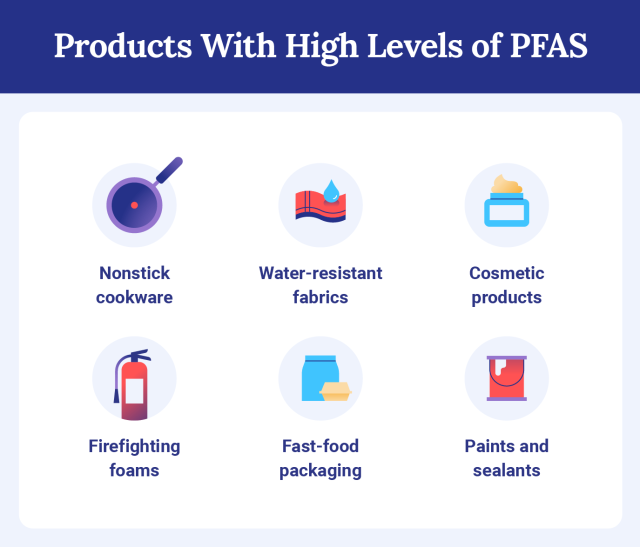
Understanding what has PFAS in it within the tech sector is no longer just a matter of environmental compliance; it is a critical component of technical literacy in the 21st century. From the smartphones in our pockets to the massive server farms powering the global cloud, PFAS are woven into the very fabric of our digital existence.
Understanding PFAS in the Semiconductor and Microelectronics Ecosystem
At the heart of every technological marvel—be it an AI-driven supercomputer or a simple handheld sensor—is the semiconductor. The manufacturing process of these silicon wafers is one of the most complex industrial undertakings in history, and it is here that PFAS play an indispensable role.
The Role of Fluoropolymers in Chip Fabrication
In the photolithography process, which is the method used to “print” circuits onto silicon wafers, PFAS-based chemicals are used in photoresists and anti-reflective coatings. These substances allow for the extreme precision required to etch transistors at the nanometer scale. Because PFAS can withstand the harsh, corrosive chemicals and high temperatures used during etching and cleaning, they are often the only materials capable of maintaining structural integrity in a clean-room environment. Without these fluoropolymers, the yield rates of high-end chips would plummet, potentially stalling the progress of Moore’s Law.
Cooling Systems and Thermal Management Solutions
As processors become more powerful, they generate immense amounts of heat. Thermal management is a primary engineering hurdle for everything from high-end gaming laptops to enterprise-grade data centers. PFAS are frequently used in liquid cooling systems, particularly in “immersion cooling” setups where entire server racks are submerged in non-conductive fluids. These fluorinated fluids have excellent dielectric properties and high thermal stability, preventing short circuits while efficiently whisking heat away from sensitive components.
Everyday Gadgets: Where PFAS Hide in Consumer Electronics
While the manufacturing backend is heavy on PFAS usage, the products that reach consumers’ hands are equally saturated with these chemicals. For the tech enthusiast or the hardware reviewer, identifying these applications is key to understanding the durability and tactile feel of modern gadgets.
Lithium-Ion Batteries and Energy Storage
The transition to a mobile-first and electric-vehicle-driven world relies heavily on lithium-ion battery technology. Within these batteries, a specific type of PFAS called Polyvinylidene fluoride (PVDF) is commonly used as a binder for the cathode. This material ensures that the active components of the battery remain adhered to the current collector through thousands of charge and discharge cycles. Furthermore, fluorinated additives are often used in electrolytes to improve battery safety, prevent fires, and enhance performance in extreme temperatures.
Screen Coatings and Oleophobic Protection
If you have ever marveled at how your smartphone screen resists fingerprints or how water beads off your smartwatch, you are likely witnessing PFAS in action. Oleophobic (oil-repellent) and hydrophobic (water-repellent) coatings are typically composed of fluorinated compounds. These thin-film applications are essential for the user experience, ensuring that touchscreens remain clear and responsive despite constant contact with skin oils and environmental moisture.
Cables, Insulation, and High-Frequency Wiring
Data transmission at high speeds requires specialized insulation to prevent signal loss and interference. Fluorinated ethylene propylene (FEP) and other PFAS derivatives are used to coat the internal wiring of high-speed data cables, including USB-C and HDMI 2.1 standards. These materials offer a low dielectric constant and high heat resistance, which is vital for maintaining signal integrity in the densely packed interiors of modern laptops and tablets where heat buildup is a constant threat.
The Technical Challenge of Phasing Out “Forever Chemicals”
As global regulations—such as the EU’s REACH initiative and various US state laws—tighten around the use of PFAS, the tech industry faces a daunting engineering challenge. Replacing a material that is simultaneously heat-resistant, chemically inert, and electrically insulating is not a simple task.
Material Science Bottlenecks: Finding Substitutes
The primary difficulty in moving toward PFAS-free tech is that there is rarely a 1:1 substitute. For instance, in semiconductor manufacturing, alternative photoresists often lack the resolution required for 3nm or 5nm processes. In the realm of wiring, alternative insulators like polyethylene may be more flammable or less durable, requiring a complete redesign of the device’s internal thermal architecture. Engineers are currently experimenting with silicone-based coatings and new hydrocarbon polymers, but these often involve trade-offs in performance or longevity.
Supply Chain Disruptions and Global Tech Regulations
The tech supply chain is notoriously fragile. Because a handful of chemical companies produce the vast majority of PFAS used in electronics, any regulatory ban could lead to immediate shortages of essential components. This has led to a push for “essential use” exemptions within the tech industry, arguing that certain PFAS applications are critical for infrastructure, medical technology, and national security. However, the pressure from ESG (Environmental, Social, and Governance) criteria is forcing tech giants to demand PFAS-free roadmaps from their suppliers, signaling a long-term shift in how hardware is designed and built.
The Future of “Green Tech”: Innovations in PFAS-Free Manufacturing
The tech industry is no stranger to disruption, and the move away from PFAS is sparking a new wave of material science innovation. The goal is to create a “circular” electronics economy where devices are not only powerful but also environmentally benign.
AI-Driven Material Discovery
One of the most exciting developments in the tech space is the use of Artificial Intelligence and machine learning to discover new materials. By simulating the properties of millions of chemical combinations, researchers are identifying potential PFAS alternatives at an unprecedented pace. These AI tools can predict how a new polymer will behave under heat or how it will interact with silicon, drastically reducing the time it takes to bring “green” hardware components to market.
Circular Economy and Electronic Waste Recovery
The “What has PFAS in it” question also extends to how we handle e-waste. When old gadgets are discarded, the PFAS within them can leach into the environment from landfills. New tech-driven recycling processes are being developed to safely capture and break down these fluorinated compounds during the hardware reclamation process. Startups are focusing on “plasma gasification” and other high-tech methods to destroy the carbon-fluorine bond—the strongest bond in organic chemistry—thereby neutralizing the “forever” aspect of these chemicals.
Emerging Bio-based and Synthetic Alternatives
In the consumer space, we are seeing the first generation of “PFAS-free” labeled electronics. This includes laptop chassis made from bio-synthetic resins and screens using advanced ceramic coatings instead of fluorinated films. While these products are currently in the premium segment, the scaling of these technologies will eventually make PFAS-free hardware the industry standard.
In conclusion, while PFAS are currently deeply embedded in the technology we rely on every day, the industry is entering a transformative era. The “What has PFAS in it” inquiry is the catalyst for the next generation of hardware engineering—one that prioritizes chemical safety without compromising the high-performance capabilities that define our digital age. For tech professionals and consumers alike, staying informed about these material shifts is essential as we transition toward a more sustainable and technologically advanced future.
aViewFromTheCave is a participant in the Amazon Services LLC Associates Program, an affiliate advertising program designed to provide a means for sites to earn advertising fees by advertising and linking to Amazon.com. Amazon, the Amazon logo, AmazonSupply, and the AmazonSupply logo are trademarks of Amazon.com, Inc. or its affiliates. As an Amazon Associate we earn affiliate commissions from qualifying purchases.