
In the era of the quantified self, our bodies have become rich sources of data, streaming information to the devices on our wrists and the apps on our phones. Among the myriad of metrics tracked by modern wearables, the sleeping heart rate (SHR) has emerged as one of the most critical indicators of long-term health, recovery, and physiological stress. While we once relied on periodic check-ups with medical professionals to gauge our cardiovascular health, technology now allows us to monitor our heart’s performance every second of the night.
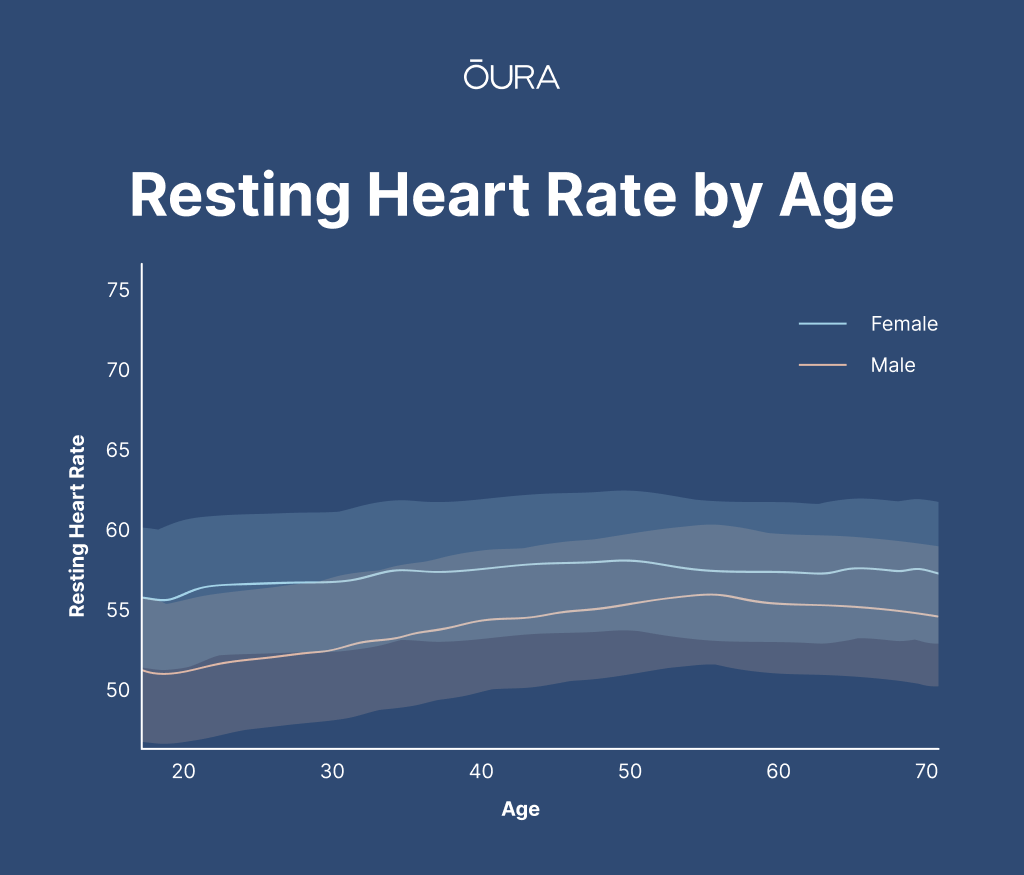
To understand what a sleeping heart rate is, we must look beyond the biological pulse and examine the sophisticated sensors, machine learning algorithms, and data ecosystems that make this monitoring possible. Within the tech niche, SHR isn’t just a number—it is a complex data point refined by hardware engineering and software analytics.
The Technology Behind the Beat: How Wearables Measure Your Heart
The ability to track a sleeping heart rate from the comfort of a bedroom—without bulky ECG machines—is a feat of modern miniaturized technology. The hardware responsible for this is primarily based on optical sensors, but the software determines the accuracy of the output.
Understanding Photoplethysmography (PPG)
Most consumer gadgets, from the Apple Watch to the Oura Ring, utilize Photoplethysmography (PPG) technology. This tech works by shining light (usually green or infrared) into the skin and measuring the amount of light reflected back. Because blood absorbs light, each heartbeat causes a surge in blood volume that changes the light absorption.
During sleep, tech companies often switch from green light to infrared light. Green light is more accurate during movement (exercise), but infrared is less intrusive in a dark room and penetrates deeper into the tissue during periods of stillness. This technological pivot is what allows high-fidelity SHR tracking without disturbing the user’s circadian rhythm.
The Role of Machine Learning in Signal Processing
The raw data from a PPG sensor is notoriously “noisy.” Movement, skin tone, and the fit of the device can all distort the signal. This is where Artificial Intelligence (AI) and edge computing come into play. Modern wearables use sophisticated algorithms to filter out “artifacts” (errors in the data).
When you are asleep, the technology looks for a consistent, low-activity state to establish your true sleeping heart rate. Advanced AI models are trained on millions of sleep cycles to distinguish between a genuine heart rate spike and a simple toss-and-turn in bed. This digital refinement is what transforms a chaotic light signal into a clean, actionable heart rate metric on your dashboard.
Deciphering the Data: Metrics That Matter
In the tech ecosystem, “Sleeping Heart Rate” is often used interchangeably with “Resting Heart Rate” (RHR), but from a data science perspective, they are distinct. Understanding these distinctions is key to utilizing digital health tools effectively.
Sleeping Heart Rate vs. Resting Heart Rate
While Resting Heart Rate is typically defined as your heart rate when you are awake but relaxed, Sleeping Heart Rate is measured exclusively during your sleep cycles. Technology platforms like Whoop and Garmin often prioritize the SHR as the “true” baseline because it eliminates the external stressors of waking life—such as caffeine, emotional stress, or the “white coat effect” of being in a doctor’s office.
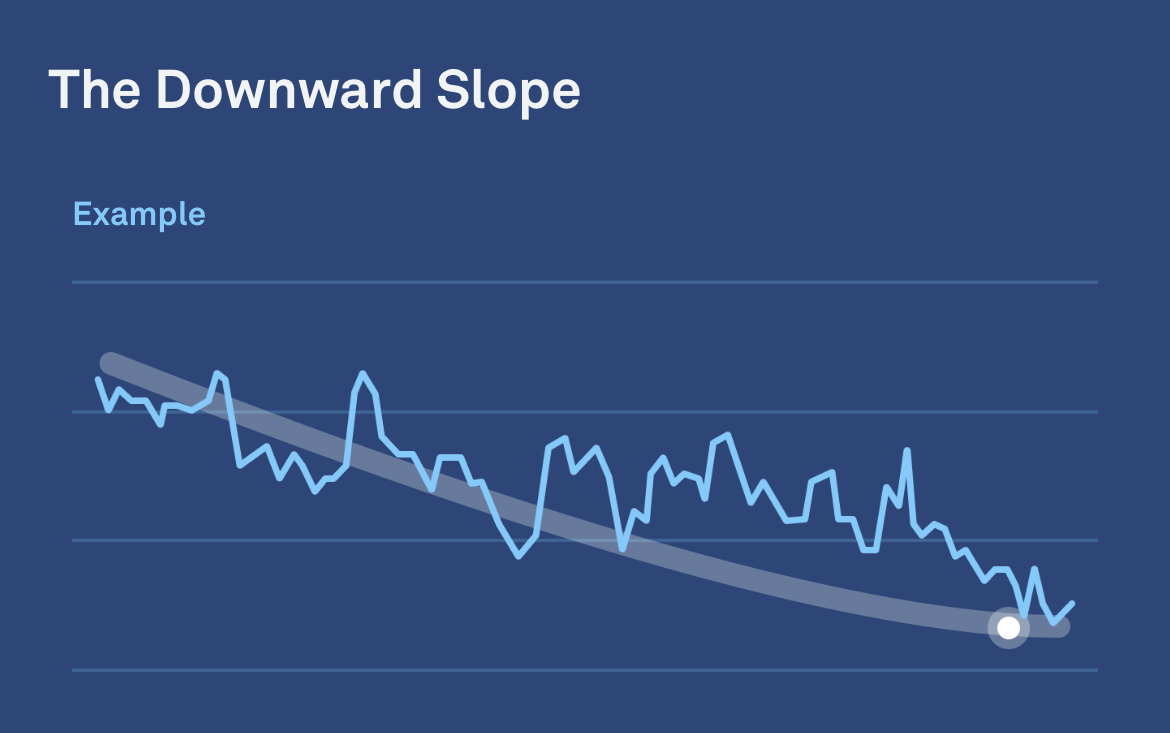
By capturing the lowest point of your heart rate during the night, software can establish a “basal” heart rate. This data point serves as the foundation for “Recovery Scores” and “Readiness Scales,” which tell users how much physical or mental strain they can handle the following day.
Heart Rate Variability (HRV) and Autonomic Tech Analysis
Sleeping heart rate is rarely measured in isolation. The most advanced tech platforms simultaneously track Heart Rate Variability (HRV)—the millisecond-level variation between consecutive heartbeats. While SHR tells you how hard your heart is working, HRV tells you how well your nervous system is balanced.
High-end tech ecosystems use these two metrics in tandem. A low sleeping heart rate combined with a high HRV usually signals that the user’s “system” is fully recharged. This synergistic data analysis is a hallmark of the modern wellness-tech stack, moving beyond simple counting to complex physiological modeling.
The Ecosystem of Sleep Tracking Gadgets
The market for monitoring sleeping heart rate is no longer limited to the wrist. We are seeing a diversification of form factors, each offering different technological advantages for data collection.
Smartwatches and Fitness Trackers: The Generalists
Devices like the Apple Watch, Garmin Fenix, and Samsung Galaxy Watch remain the leaders in the space. Their advantage lies in their processing power and integration with broader health ecosystems (like Apple HealthKit). These devices use high-frequency sampling, often checking the heart rate every few seconds, providing a granular look at how the heart rate fluctuates between REM, light, and deep sleep stages.
Smart Rings: Specialized Form Factors
The Oura Ring and the Ultrahuman Ring represent a shift toward “invisible tech.” Because the finger has closer proximity to the digital arteries than the wrist, rings can often capture a more stable PPG signal. Furthermore, from a user-experience (UX) design perspective, rings are less intrusive for sleep, leading to higher “compliance” (users actually wearing the device consistently), which results in better long-term data trends.
Non-Wearable Sensors: The Rise of Ambient Tech
For users who find wearables uncomfortable, the tech industry has developed ambient sensors. Companies like Withings offer “Sleep Tracking Mats” that slide under the mattress. These devices use ballistocardiography—a technology that detects the mechanical impulses of the heart through the mattress. This represents the “passive” future of the niche, where technology monitors our sleeping heart rate without us ever having to “plug in” or “strap on” a device.
Privacy, Security, and the Future of Biometric Data
As we generate years of sleeping heart rate data, the conversation inevitably shifts from “how it works” to “where the data goes.” In the tech world, biometric data is the most sensitive form of intellectual property.
Securing the Digital Pulse
Encryption is the backbone of modern health-tech. Top-tier companies use end-to-end encryption to ensure that your SHR data is only accessible to you. However, as AI-driven health insurance models emerge, there is a growing debate about data sovereignty. Users must navigate the terms of service of these apps to understand if their cardiovascular data is being anonymized for research or sold to third-party brokers.
Predictive Analytics: From Tracking to Prevention
The “Holy Grail” of sleep tech is moving from descriptive analytics (what happened) to predictive analytics (what will happen). We are entering an era where your sleeping heart rate data, analyzed via cloud-based AI, can predict the onset of an illness before you feel symptoms.
An elevated SHR compared to your 30-day baseline is often a precursor to the flu, COVID-19, or extreme overtraining. Future iterations of firmware will likely include proactive alerts, where your watch might suggest a rest day or a doctor’s visit because your digital twin—the algorithmic model of your heart—is showing signs of strain.
Optimizing Performance Through Data Loops
The ultimate goal of tracking a sleeping heart rate is to create a feedback loop. Technology doesn’t just provide a number; it provides a roadmap for behavior change.
Closing the Feedback Loop
When a user sees that their SHR was 10 beats per night higher after a late-night meal or a glass of wine, the app provides an immediate visual representation of the physiological cost of that choice. This is the “gamification” of health. By making the invisible (sleeping heart rate) visible through clean UI/UX design, technology empowers users to experiment with their habits.
Integration with the Smart Home
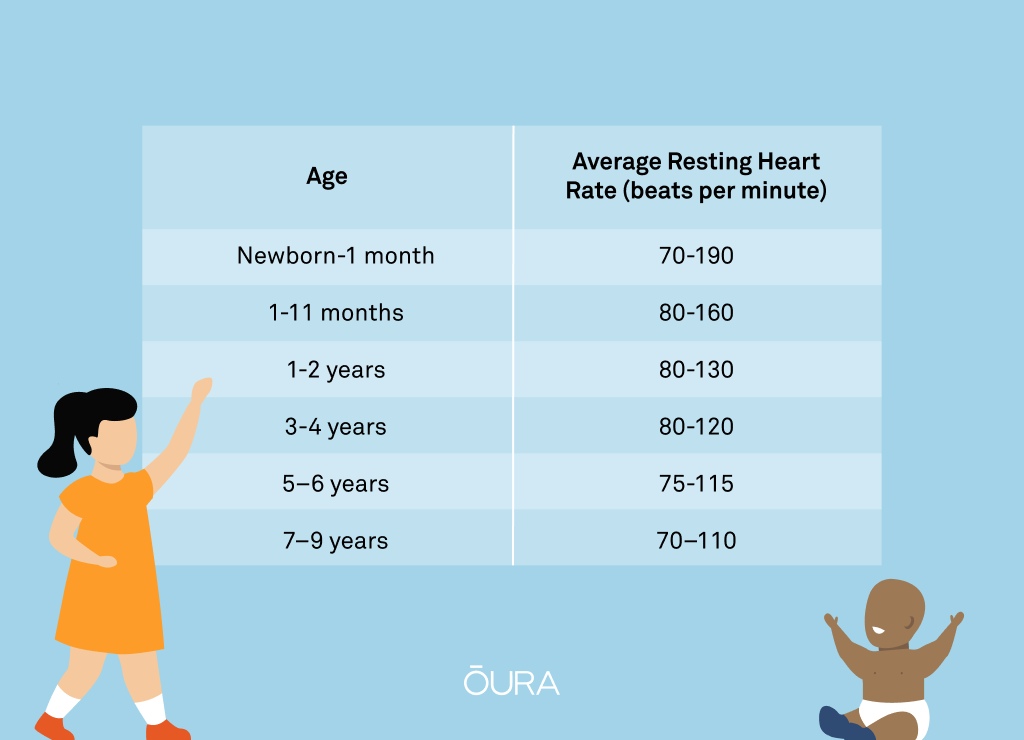
We are beginning to see the integration of SHR data with the broader Internet of Things (IoT). Imagine a world where your wearable detects a rising heart rate during the night—indicating you are too hot—and automatically communicates with your smart thermostat to lower the room temperature. This is the peak of the tech-wellness integration: a self-optimizing environment based on real-time biometric feedback.
In conclusion, a sleeping heart rate is much more than a vital sign; it is a vital data stream in the modern digital economy. Through the lens of technology, SHR represents the pinnacle of sensor innovation, AI processing, and personalized data analysis. As devices become smaller, more accurate, and more integrated into our lives, our understanding of the sleeping heart will continue to evolve, turning every night’s rest into a masterclass in human-tech synergy.
aViewFromTheCave is a participant in the Amazon Services LLC Associates Program, an affiliate advertising program designed to provide a means for sites to earn advertising fees by advertising and linking to Amazon.com. Amazon, the Amazon logo, AmazonSupply, and the AmazonSupply logo are trademarks of Amazon.com, Inc. or its affiliates. As an Amazon Associate we earn affiliate commissions from qualifying purchases.