
The digital revolution has brought forth a paradigm shift in finance, with Bitcoin leading the charge as the pioneering cryptocurrency. For many, the concept of a “Bitcoin account” remains somewhat nebulous, often conflated with traditional banking services. In the realm of technology, however, establishing a presence in the Bitcoin ecosystem involves a nuanced understanding of digital infrastructure, software applications, and robust security protocols. This guide delves exclusively into the technical process of acquiring and securing your digital assets, focusing on the tools, platforms, and security measures essential for any individual looking to enter the world of Bitcoin.
Understanding the Fundamentals: What Constitutes a “Bitcoin Account”?
Unlike a conventional bank account, a “Bitcoin account” isn’t a single entity managed by a central institution. Instead, it’s a conceptual framework representing your ability to hold, send, and receive Bitcoin. This capability is fundamentally rooted in cryptographic principles and distributed ledger technology. From a technological perspective, your “account” is primarily defined by access to specific cryptographic keys.
The Distinction Between Exchange Accounts and Personal Wallets
At a high level, the path to a Bitcoin account diverges into two primary technical approaches:
- Centralized Exchange Accounts (Custodial): These are akin to digital brokerage accounts. When you create an account on a cryptocurrency exchange (e.g., Coinbase, Binance, Kraken), you are essentially establishing an account with that specific company. The exchange holds your Bitcoin on your behalf, managing the private keys in their secure infrastructure. While convenient, this is a custodial arrangement, meaning you technically don’t have direct control over your private keys, making the exchange a single point of failure. The emphasis here is on the exchange’s security measures and user interface.
- Personal Wallets (Non-Custodial): These are software or hardware devices that give you direct control over your Bitcoin. A wallet stores your cryptographic keys, specifically the “private key,” which is essential for authorizing transactions. This non-custodial approach means you are solely responsible for the security of your keys. This method embodies the core principle of Bitcoin: “be your own bank.” From a technical standpoint, this offers superior self-sovereignty but demands a higher level of technical responsibility and security diligence.
Key Components: Addresses, Private Keys, and Public Keys
To truly understand how Bitcoin operates and how to secure your “account,” grasping these foundational cryptographic elements is crucial:
- Public Key: Derived mathematically from your private key, the public key is used to generate your Bitcoin addresses. Think of it as a component of your account number. It’s safe to share your public key.
- Bitcoin Address: A string of alphanumeric characters (e.g.,
1A1zP1eP5QGefi2DMPTfTL5SLmv7DivfNa). This is what you share with others when you want to receive Bitcoin. It’s essentially a destination for transactions on the Bitcoin network. Multiple addresses can be generated from a single wallet for enhanced privacy. - Private Key: This is the most critical component. It’s a secret alphanumeric code that grants you ultimate control over the Bitcoin associated with a particular address. If someone gains access to your private key, they gain access to your Bitcoin. In a non-custodial wallet, this key is often represented by a “seed phrase” or “recovery phrase” – a sequence of 12 or 24 words that can regenerate your private keys. The security of your Bitcoin hinges entirely on the secrecy and safekeeping of your private key/seed phrase.
Choosing Your Platform: Navigating Bitcoin Exchanges and Wallets
The initial step in acquiring a Bitcoin account involves selecting the appropriate technological infrastructure. This choice largely depends on your comfort with digital security, the level of control you desire, and your technical proficiency.
Centralized Exchanges (CEXs): The Gateway for Most Users
Centralized exchanges act as vital on-ramps and off-ramps between traditional fiat currency and cryptocurrencies. They provide a user-friendly interface for buying, selling, and managing Bitcoin.
- Features & Technical Infrastructure: CEXs typically offer robust web and mobile applications with intuitive dashboards. Their back-end infrastructure handles order matching, transaction processing, and often employs complex database systems to manage user balances.
- Know Your Customer (KYC) Protocols: To comply with financial regulations and prevent illicit activities, exchanges mandate a KYC process. This involves verifying your identity by submitting government-issued IDs, proof of address, and sometimes a selfie. This data is securely stored and processed by the exchange’s systems, adding a layer of transparency and compliance to the digital asset space.
- Security Measures: Leading exchanges implement multi-layered security protocols, including:
- Two-Factor Authentication (2FA): Essential for account login and withdrawals.
- Cold Storage: A significant portion of customer funds is held offline in secure environments, disconnected from the internet, to mitigate hacking risks.
- Encryption: All sensitive user data and communications are encrypted.
- Insurance Funds: Some exchanges maintain insurance funds to protect against potential security breaches, though coverage terms vary.
- Available Assets & Trading Tools: Beyond simple buying, many CEXs offer advanced trading functionalities, API access for algorithmic trading, and a wide array of other digital assets.
Decentralized Exchanges (DEXs) and Peer-to-Peer (P2P) Platforms
While CEXs are popular, a more technologically advanced option for some is a DEX. These platforms facilitate direct cryptocurrency-to-cryptocurrency trades without a central intermediary, relying on smart contracts for execution. P2P platforms allow direct user-to-user fiat-to-crypto exchanges, with the platform usually acting as an escrow service. These options require a higher technical understanding of blockchain interactions and self-custody.
Bitcoin Wallets: Your Personal Digital Vault
For true ownership and control, a personal Bitcoin wallet is indispensable. These are software programs or physical devices designed to store your private keys securely.
- Software Wallets (Hot Wallets): These wallets are connected to the internet and exist in various forms:
- Desktop Wallets: Software installed on your computer.
- Mobile Wallets: Applications on your smartphone, offering convenience for everyday transactions.
- Browser Extension Wallets: Plug-ins for web browsers.
While convenient, their internet connectivity makes them more susceptible to online threats like malware, phishing, and device compromise. Strong device security is paramount.
- Hardware Wallets (Cold Wallets): Considered the gold standard for security, hardware wallets are physical devices (like a USB drive) that store your private keys offline. Transactions are signed on the device itself, without exposing your private key to an internet-connected computer. This isolation significantly reduces the risk of hacking. Examples include Ledger and Trezor. This method demands a higher technical initial setup and understanding of device management but provides unparalleled security.
- Paper Wallets: Involves printing your public and private keys (often as QR codes) onto a piece of paper. While offline, they come with significant risks if not handled meticulously (e.g., physical damage, loss, improper generation). They are generally not recommended for beginners due to inherent vulnerabilities in their creation and use.
The Step-by-Step Technical Setup Process
Having chosen your preferred platform – typically a centralized exchange for initial setup and a personal wallet for long-term storage – you can proceed with the technical steps to establish your Bitcoin account.
Account Creation on a Centralized Exchange
- Registration: Navigate to the official website or download the official app of your chosen exchange. Provide basic information like email address and create a strong, unique password.
- Email Verification: You’ll typically receive an email with a verification link. This is a standard security step to confirm ownership of the email address.
- Identity Verification (KYC): As discussed, this is a critical technical and regulatory step. You’ll be prompted to upload scans or photos of your government-issued ID (e.g., passport, driver’s license), and sometimes provide a selfie for facial recognition comparison. The exchange’s automated systems and human reviewers process this data.
- Implementing Two-Factor Authentication (2FA): This is non-negotiable for security.
- Authenticator Apps (e.g., Google Authenticator, Authy): The most recommended method. You link the app to your exchange account by scanning a QR code, which generates time-based one-time passwords (TOTP). This code is required in addition to your password for login and withdrawals.
- SMS 2FA: While convenient, SMS-based 2FA is less secure than authenticator apps due to risks like SIM swapping. Use it only if authenticator apps are not feasible, and be aware of the increased vulnerability.
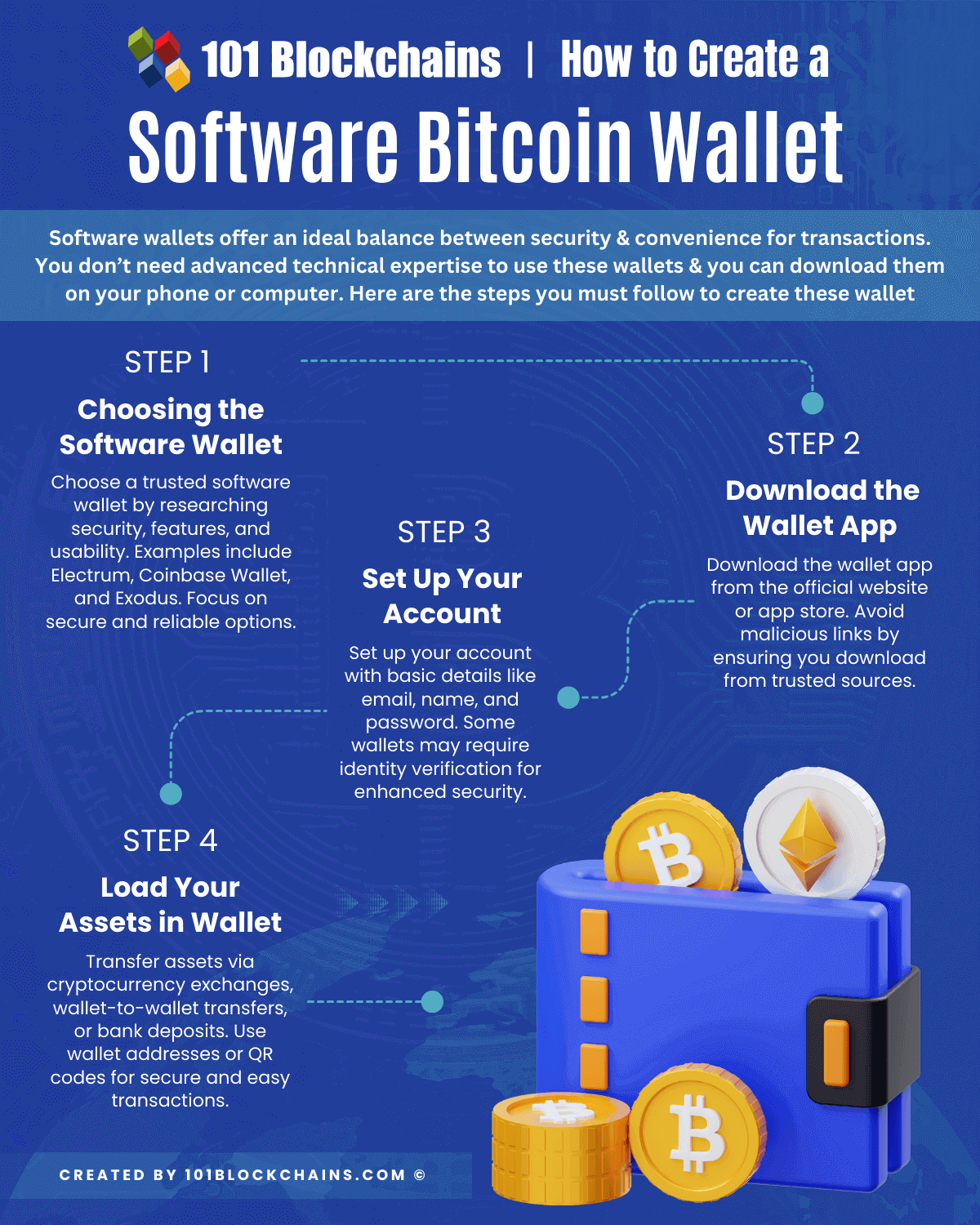
Setting Up a Software Wallet (e.g., Mobile App)
- Official Download: Always download wallet applications from official sources (e.g., Google Play Store, Apple App Store, official website). Avoid third-party links to prevent downloading malicious software.
- Wallet Creation: Upon opening the app, you’ll usually be prompted to “Create a New Wallet.” This process generates your cryptographic keys.
- Seed Phrase/Recovery Phrase Generation & Secure Storage: This is the most critical step. The wallet will display a sequence of 12 or 24 words (your seed phrase).
- Write it down physically: Use paper and pen. Never store it digitally (on your phone, computer, cloud, or email).
- Multiple Copies: Create multiple copies and store them in separate, secure, private locations (e.g., a safe at home, a secure deposit box).
- Never share: Anyone with your seed phrase can access your Bitcoin. Treat it like the master key to your digital fortune.
- PIN/Biometric Security: Set a strong PIN or enable biometric authentication (fingerprint, face ID) for quick access to the wallet on your device. This protects against unauthorized access if your phone is lost or stolen, but the seed phrase remains the ultimate recovery mechanism.
Acquiring Your First Bitcoin
Once your exchange account is set up and secured, or your personal wallet is ready:
- Link Payment Method: Navigate to the “Deposit” or “Add Funds” section on your exchange. You can typically link a bank account (via ACH transfer), debit card, or sometimes other digital payment services. This involves providing banking details or card information to the exchange’s secure payment processor.
- Initiate Purchase: Select Bitcoin, specify the amount you wish to buy (in fiat currency), and confirm the transaction.
- Understand Fees: Be aware of transaction fees charged by the exchange, and potential network fees (miner fees) if you later send Bitcoin to a personal wallet. These fees are part of the blockchain’s operational mechanics.
- Transfer to Personal Wallet (Optional but Recommended): If you’ve purchased Bitcoin on an exchange and wish to take full control, navigate to the “Withdraw” section. Enter the Bitcoin address from your personal wallet (double-check it meticulously!) and the amount. Confirm the transaction, which will incur a network fee.
Mastering Digital Security for Your Bitcoin Holdings
The digital nature of Bitcoin means that security is paramount and primarily rests on your technical diligence. Unlike traditional banks that can reverse fraudulent transactions, Bitcoin transactions are irreversible once confirmed.
The Imperative of Strong Passwords and Unique Credentials
- Complex Passwords: Use long, complex passwords (12+ characters) that include a mix of uppercase and lowercase letters, numbers, and symbols.
- Unique Passwords: Never reuse passwords across different online services. If one service is compromised, all others using the same password become vulnerable.
- Password Managers: Employ a reputable password manager (e.g., LastPass, Bitwarden, 1Password) to securely generate, store, and auto-fill unique, strong passwords for all your online accounts, including exchanges.
Beyond 2FA: Advanced Security Practices
While 2FA is crucial, further technical steps can enhance your security posture:
- Whitelisting Withdrawal Addresses: Many exchanges allow you to whitelist specific Bitcoin addresses to which you can withdraw funds. This means even if a hacker gains access to your account, they can only send funds to pre-approved addresses you control.
- Regular Security Audits and Updates:
- Keep your operating systems, web browsers, and wallet software updated. Software updates often include critical security patches.
- Regularly review your exchange account’s activity logs for any suspicious logins or transactions.
- Phishing Awareness: Be extremely vigilant about phishing attempts. Attackers create fake websites or send deceptive emails/messages to trick you into revealing your credentials or private keys. Always verify URLs, check sender addresses, and never click suspicious links. Use browser extensions that identify fraudulent sites.
- Dedicated Device for Crypto (Advanced): For very large holdings, some users dedicate a separate, clean computer or smartphone solely for cryptocurrency management, disconnected from general internet browsing to minimize exposure to malware.
Backup and Recovery: Planning for the Unexpected
- Seed Phrase Security (Reiterated): The seed phrase for your personal wallet is your ultimate backup. Its secure, offline storage (e.g., metal plate, secure safe) is non-negotiable. Losing it means losing access to your Bitcoin; exposing it means losing your Bitcoin to anyone who finds it.
- Exchange Account Recovery: Understand your chosen exchange’s account recovery process. This usually involves robust identity verification steps, which can be time-consuming but are designed to protect your assets.
Navigating Common Technical Challenges and Troubleshooting
The digital asset landscape, while revolutionary, can present technical challenges for new users.
Understanding Transaction Delays and Network Congestion
- Mempool: Bitcoin transactions are first broadcast to a “mempool,” a waiting area for unconfirmed transactions. Miners select transactions from the mempool to include in the next block.
- Transaction Fees: Miners prioritize transactions with higher fees. If you set a low fee, your transaction might experience significant delays during periods of high network congestion. Wallet software often provides estimates for optimal fees.
- Confirmation Times: Bitcoin transactions require multiple “confirmations” (subsequent blocks being mined) to be considered final, typically 6 confirmations. This process can take anywhere from minutes to hours, depending on network activity.
Dealing with Account Lockouts and Support Issues
- Documentation: Keep thorough records of your exchange account details, wallet software, seed phrases (securely offline!), and any support ticket numbers.
- Support Channels: If you encounter issues (e.g., account lockout, incorrect address, missing funds), contact the official support channels of your exchange or wallet provider. Be prepared for robust identity verification if you’re trying to regain access.

Staying Informed: The Evolving Landscape of Bitcoin Technology
The world of Bitcoin and blockchain technology is constantly evolving.
- Software Updates: Regularly check for and apply updates to your wallet software, exchange apps, and operating systems. These often contain critical security patches and performance improvements.
- Security Advisories: Stay informed about potential vulnerabilities or new attack vectors by following reputable cybersecurity news sources and announcements from your chosen platforms.
- Community Forums: Engaging with official community forums can be a source of technical insights, troubleshooting tips, and early warnings about potential issues.
In conclusion, establishing a Bitcoin account is fundamentally a technical endeavor. It requires careful selection of platforms, meticulous adherence to setup procedures, and a proactive approach to digital security. By understanding the underlying cryptographic principles, diligently managing your keys, and implementing best-in-class security practices, you can confidently navigate the digital frontier and secure your participation in the Bitcoin economy.
aViewFromTheCave is a participant in the Amazon Services LLC Associates Program, an affiliate advertising program designed to provide a means for sites to earn advertising fees by advertising and linking to Amazon.com. Amazon, the Amazon logo, AmazonSupply, and the AmazonSupply logo are trademarks of Amazon.com, Inc. or its affiliates. As an Amazon Associate we earn affiliate commissions from qualifying purchases.