
The story of Job, as recounted in the Old Testament, is one of the most profound and challenging narratives in religious literature. While often interpreted through theological and philosophical lenses, its dramatic arc of immense prosperity, devastating loss, and eventual restoration offers a compelling case study with significant implications for our understanding of financial well-being, risk management, and the nature of wealth itself. From a financial perspective, Job’s experience is a stark illustration of extreme volatility, testing the resilience of even the most substantial fortunes. This exploration delves into the economic dimensions of Job’s life, examining the sources of his wealth, the catastrophic impact of its loss, and the principles of financial restoration that emerge from his ordeal.
The Zenith of Economic Prosperity: Building a Fortune in Ancient Times
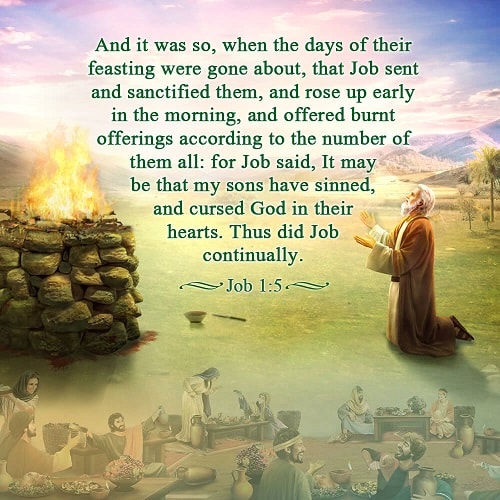
Job’s initial portrayal is one of unparalleled economic success. His wealth was not merely substantial; it was legendary in his time and region. Understanding the composition and scale of his assets provides a crucial foundation for appreciating the magnitude of his subsequent downfall. His prosperity was diversified, demonstrating a sophisticated approach to wealth accumulation, even within the ancient world’s economic framework.
Diversified Holdings and Resource Management
The text explicitly details Job’s vast holdings across several key asset classes:
- Livestock: Job possessed “seven thousand sheep, three thousand camels, five hundred yoke of oxen, and five hundred female donkeys.” This represents a significant investment in agricultural and transportation industries. Sheep and oxen were vital for wool, meat, and agricultural labor, while camels and donkeys were essential for trade, transport, and communication in the arid environment of Uz. The sheer number of these animals indicates a large-scale operation, requiring extensive land, labor, and sophisticated management.
- Agricultural Land and Infrastructure: While not explicitly quantified, the presence of “five hundred yoke of oxen” implies vast tracts of arable land and the necessary infrastructure to cultivate them. These oxen were the power source for plowing, essential for the success of ancient agriculture.
- Servants and Labor Force: The mention of numerous servants (“his servants”) underscores that Job was not just an owner of assets but also an employer. This implies a significant payroll, operational costs, and the management of a substantial human capital investment. A large workforce would have been necessary to manage the extensive livestock and agricultural endeavors.
- Trade and Commerce: The ownership of “three thousand camels” strongly suggests active participation in trade and commerce. Camels were the primary means of long-distance transport in the ancient Near East, enabling merchants to move goods across vast distances. Job’s wealth likely extended to valuable commodities traded through these networks.
- Personal and Family Wealth: Beyond these productive assets, Job also had “ten children” and a substantial “house.” This speaks to accumulated wealth that supported a high standard of living, enabling him to provide for his family and maintain a large household.
The scale of Job’s wealth positioned him as one of the “greatest men of all the people of the East.” This economic standing conferred not only material comfort but also social influence and respect, highlighting the integral link between wealth and status in his society. His prosperity was a testament to astute management, resourcefulness, and likely, divine favor, as understood by his contemporaries.
The Cataclysmic Loss: A Financial Ruin of Unprecedented Scale
The narrative then shifts dramatically, plunging Job into a vortex of financial devastation. The losses are not gradual but instantaneous and comprehensive, stripping him of virtually everything he had built. This segment analyzes the nature of these losses and their profound economic and psychological impact.
A Multi-Faceted Annihilation of Assets

The biblical account details a series of calamities, each targeting a different aspect of Job’s fortune:
- Theft and Destruction of Livestock: The first wave of destruction involved his livestock. “The Sabeans fell upon them and took them away. And struck the young men with the edge of the sword; and I alone have escaped to tell you.” This wasn’t merely a market downturn; it was outright theft and destruction by raiding parties. The loss of sheep, camels, oxen, and donkeys represented the annihilation of his primary income streams, his means of transport, and his agricultural backbone.
- Natural Disasters and Loss of Infrastructure: A more terrifying event followed: “while your servants were still speaking, a great fire fell from heaven and burned up your sheep and your servants.” This suggests a catastrophic natural event, perhaps a lightning strike of unusual intensity or a meteor shower, which not only destroyed his livestock but also potentially damaged grazing lands and infrastructure. The sheer scale and randomness of this event highlight the vulnerability of even the most well-managed assets to forces beyond human control.
- Economic Warfare and Targeted Raids: The destruction of his oxen and donkeys by a “Chaldean” force, described as falling “in three bands,” indicates a form of economic warfare or coordinated raiding. These attacks specifically targeted his means of production and transport, crippling his ability to generate income and conduct trade. The systematic nature of these raids suggests a deliberate attempt to destabilize and impoverish him.
- Loss of Human Capital: The deaths of his servants alongside the animals in these calamities represent not only the loss of labor but also the tragic loss of human lives. This adds a layer of profound personal grief to the financial devastation, highlighting that wealth is intertwined with the well-being of those who help create and maintain it.
- The Ultimate Loss: His Children: While not a direct financial asset in the same vein as livestock, the death of his ten children in a single, devastating event is the ultimate blow. The loss of his children, who would have been future inheritors and contributors to the family’s legacy, represents an immeasurable personal and dynastic loss that transcends mere monetary value. This event underscores that for ancient patriarchs, family and fortune were deeply intertwined.
The cumulative effect of these losses was total financial ruin. Job was reduced from a position of immense wealth and influence to a state of destitution, mirroring the experience of individuals facing bankruptcy and profound economic hardship. This period represents the ultimate financial “black swan” event, where unforeseen and catastrophic circumstances decimate one’s entire economic existence.
The Crucible of Suffering and Financial Resilience
Job’s response to his losses is as remarkable as the losses themselves. While initially overwhelmed by grief and despair, his refusal to curse God and his persistent, albeit questioning, faith become a powerful testament to his inner resilience. This section examines how financial ruin impacts individuals and the principles of rebuilding that can be learned from Job’s experience.
Navigating Financial Despair and Maintaining Integrity
Job’s initial reaction was one of profound sorrow, not anger directed at God, but a deep lament for his losses. He “rent his robe and shaved his head and fell upon the ground and worshiped.” This act of worship, even in the face of absolute ruin, is crucial. It suggests an internal fortitude that separates him from simply succumbing to financial despair.
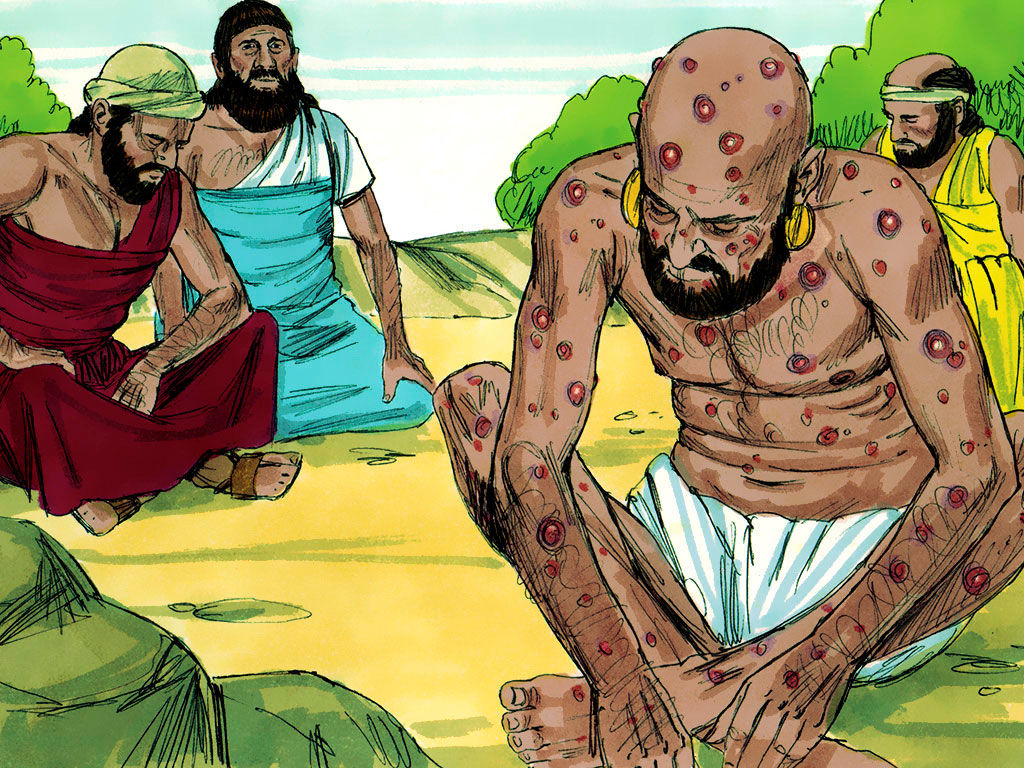
- Emotional Impact of Financial Loss: The story vividly illustrates the psychological toll of sudden and total financial ruin. Job is described as deeply grieved, sitting among ashes. This resonates with modern understanding of the emotional distress associated with bankruptcy, job loss, and significant financial setbacks. The loss of financial security can lead to depression, anxiety, and a profound sense of hopelessness.
- The Temptation of Despair: Job’s friends appear, offering solace that often devolves into accusations, suggesting that his suffering must be a consequence of sin. This mirrors how individuals facing financial hardship can be ostracized or blamed, further isolating them. The temptation to give up, to curse one’s circumstances, is immense.
- The Importance of Core Values: Despite losing everything, Job refrains from cursing God. This speaks to a deep-seated integrity and adherence to his core values, even when material possessions, which often provide a sense of security and identity, are gone. This underscores that true resilience stems from something deeper than material wealth.
The Principles of Financial Restoration: Rebuilding from Nothing
The final chapters of the book detail God’s response to Job and his subsequent restoration. This restoration is not merely a return to his previous state but an elevation, offering profound lessons in financial recovery and the concept of wealth.
- Divine Providence and Grace: The ultimate restoration of Job is presented as an act of divine grace and power. God rebukes Job’s friends and affirms Job’s righteousness. The subsequent doubling of his possessions is a testament to God’s ability to restore and even exceed what was lost. This highlights the role of faith and trust in navigating extreme financial uncertainty.
- Reinvestment and Growth: After his trials, Job receives “twice as much as he had before.” His restored wealth includes “fourteen thousand sheep, six thousand camels, a thousand yoke of oxen, and a thousand female donkeys.” This doubling signifies not just a return, but a significant expansion of his enterprises. The number of sheep and camels, key trading and agricultural assets, are doubled.
- New Generations and Enduring Legacy: Importantly, Job also has “seven new sons and three new daughters.” This signifies not only a renewal of his family line but also the creation of new inheritors for his amplified fortune. The naming of his daughters as the most beautiful in the land and their inheritance alongside their brothers suggests a progressive and equitable distribution of wealth within his restored family structure.
- The Reestablishment of Social Standing: With his renewed wealth and family, Job lives a long and prosperous life, regaining his position of influence and respect. This demonstrates that financial restoration, when coupled with integrity and well-being, allows for the reestablishment of one’s place in society.
The story of Job, when viewed through a financial lens, is a powerful narrative of extreme risk, devastating loss, and ultimate, divinely orchestrated recovery. It reminds us that while wealth can be lost with astonishing speed, the principles of resilience, integrity, and faith can lay the groundwork for rebuilding, even from the most profound financial ruin. It challenges us to consider the true nature of prosperity, which extends beyond material possessions to encompass inner strength and enduring values.
aViewFromTheCave is a participant in the Amazon Services LLC Associates Program, an affiliate advertising program designed to provide a means for sites to earn advertising fees by advertising and linking to Amazon.com. Amazon, the Amazon logo, AmazonSupply, and the AmazonSupply logo are trademarks of Amazon.com, Inc. or its affiliates. As an Amazon Associate we earn affiliate commissions from qualifying purchases.