
In the realm of global brand strategy, few figures have undergone a more profound transformation than Empress Elisabeth of Austria, known affectionately as Sisi. While history remembers her as the reluctant consort of Emperor Franz Joseph I, the modern marketing machine recognizes her as one of the most successful and enduring personal brands in European history. What happened to Empress Elisabeth is not merely a tale of a tragic historical figure; it is a masterclass in how a persona can be curated, dismantled, and eventually commercialized into a multi-million-euro tourism and entertainment industry.
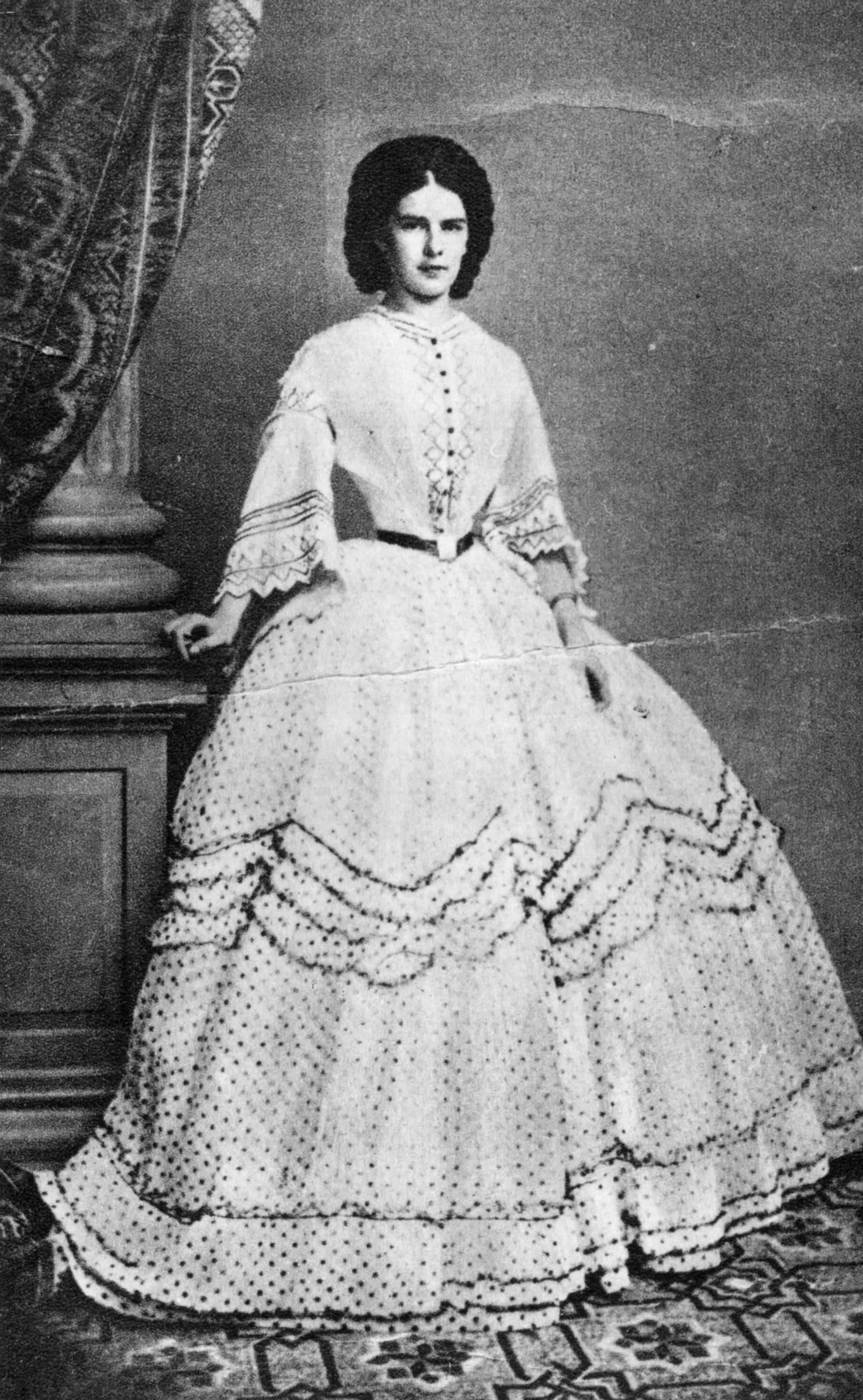
The “Sisi” brand today is an amalgam of historical reality, romanticized fiction, and strategic visual storytelling. From the silver screen to the gift shops of Vienna, the Empress has transitioned from a troubled monarch into a perpetual asset for the Austrian tourism sector and a case study in the longevity of personal branding.
The Cult of Sisi: Pioneering Personal Branding in the 19th Century
Long before the advent of social media influencers or professional image consultants, Empress Elisabeth was meticulously crafting a visual identity that would survive her for over a century. Her approach to personal branding was centered on three core pillars: exclusivity, physical perfection, and mystery.
Visual Assets and the Iconic Image
In branding, visual consistency is paramount. Elisabeth understood this instinctively. She leveraged her extraordinary physical features—specifically her ankle-length hair and her legendary nineteen-inch waist—as her primary brand identifiers. Her “Diamond Stars” hair ornaments, designed by court jeweler Rozet & Fischmeister, became her signature logo. Even today, these stars are sold as high-end replicas, serving as a tangible touchpoint for the brand.
To maintain the integrity of this “visual brand,” Elisabeth made a strategic decision that modern celebrities frequently emulate: she withdrew from the public eye at the age of thirty. By refusing to sit for further portraits or photographs, she effectively froze her brand in time. The market was left with the image of a youthful, ethereal beauty, preventing the public from associating the brand with the inevitable decline of aging. This was a sophisticated move in narrative control, ensuring that the “Sisi” brand remained synonymous with timeless grace rather than mortality.
The Mystery as a Marketable Niche
Elisabeth cultivated an aura of “melancholy chic.” In an era of rigid court protocols, her perceived rebellion and her frequent disappearances to Greece or England created a narrative of the “captured bird.” From a brand strategy perspective, this created an emotional hook. People do not connect with institutions; they connect with stories. By positioning herself as an outsider within her own empire, she became a relatable figure—a brand that stood for individualism against the crushing weight of corporate (imperial) identity.
From Tragedy to Tourism: The Rebranding of the Habsburg Legacy
The assassination of Empress Elisabeth in 1898 could have been the end of her story. Instead, it served as the “origin story” for a posthumous brand relaunch. In the decades following the collapse of the Austro-Hungarian Empire in 1918, the Republic of Austria faced a branding crisis. The empire was gone, but the physical infrastructure—the palaces, the jewels, the art—remained.
The Cinematic Pivot
The most significant shift in the Sisi brand occurred in the 1950s with the release of the Sissi film trilogy starring Romy Schneider. These films performed a radical “brand pivot.” They took a complex, deeply depressed, and politically disinterested woman and rebranded her as a fairy-tale princess. This version of Elisabeth was wholesome, romantic, and optimistic—a perfect product for a post-war Europe hungry for escapism.
This cinematic rebranding was so successful that it effectively replaced historical fact in the collective consciousness. For decades, the “Sisi” brand was synonymous with Schneider’s portrayal. This highlights a critical lesson in brand management: the narrative that is most accessible and emotionally resonant will often supersede the original truth of the product.
Merchandising the Monarchy
Today, the Empress Elisabeth brand is a cornerstone of the Schloss Schönbrunn Kultur- und Betriebsgesellschaft (SKB), which manages Austria’s imperial sites. The brand has been segmented into various tiers:
- The Luxury Tier: High-end jewelry replicas, fine porcelain, and academic biographies.
- The Mass Market Tier: Chocolates (Sissi-Taler), stationery, and themed apparel.
- The Experiential Tier: The Sisi Museum in the Hofburg Palace, which uses immersive storytelling to guide visitors through her life.
What happened to Empress Elisabeth is that she became a decentralized brand. She is no longer just a person; she is a “destination brand” that drives millions of visitors to Vienna annually. The strategic integration of her life story into the physical space of the city’s palaces is a prime example of successful heritage marketing.

Digital Resurrection: The Empress in the Era of Modern Media
In the last five years, the Sisi brand has undergone another significant evolution. As consumer tastes shift toward darker, more nuanced “prestige” content, the brand has been updated for a Gen Z and Millennial audience.
The Feminist Rebrand
Recent adaptations, such as Netflix’s The Empress and the film Corsage, have moved away from the 1950s romanticism and toward a “feminist icon” narrative. This is a classic example of brand modernization. To remain relevant, a brand must align with the values of the current market. By highlighting Elisabeth’s struggles with mental health, body image, and the patriarchy, the brand managers (in this case, content creators) have made her a symbol of modern female empowerment and struggle.
This “re-versioning” allows the brand to tap into new demographics. While older generations may prefer the romanticized Romy Schneider version, younger audiences engage with the rebellious, avant-garde Elisabeth. This multi-faceted brand identity ensures that “Sisi” remains a top-of-mind cultural reference across different age groups.
Social Media and Visual Continuity
The Empress’s aesthetic—often described as “Imperial Core”—continues to trend on platforms like TikTok and Instagram. Her strict beauty regimens, her gymnasium in the palace, and her travel logs are repurposed as “content” that mirrors modern influencer culture. The Sisi brand has successfully transitioned from oil paintings to digital snippets, proving that a strong visual identity and a compelling “struggle” narrative are platform-agnostic.
Lessons in Brand Longevity: Maintaining Relevance Across Centuries
The enduring success of the Empress Elisabeth brand provides several key insights for modern brand strategists and personal branding experts.
1. The Power of the “Signature Asset”
Whether it is the “Swoosh” of Nike or the “Star” in Sisi’s hair, a brand needs a recognizable visual shorthand. Elisabeth’s commitment to her aesthetic provided a foundation that survived her death. For a brand to last, it must have elements that are immediately identifiable even when the context changes.
2. Narrative Elasticity
A rigid brand breaks; an elastic brand survives. The “Sisi” brand has been a tragic heroine, a romantic princess, a rebellious feminist, and a fashion icon. Because the core persona was built on mystery and complexity, it allows for various interpretations. This elasticity is what allows a brand to be repositioned for different eras without losing its essential “soul.”
3. Controlling the Exit
Elisabeth’s withdrawal from public life at her peak was perhaps the most effective brand-preservation move in history. In an age of overexposure, there is immense value in scarcity and mystery. By limiting access, she increased the “brand equity” of her image. This strategy of “strategic absence” is still used today by high-end luxury brands and reclusive celebrities to maintain a sense of prestige.
4. Emotional Connection Over Functional Utility
Empress Elisabeth does not “do” anything for the modern consumer in a functional sense. However, her brand offers a deep emotional connection—feelings of nostalgia, empathy for her suffering, or admiration for her beauty. In the modern economy, brands that sell an emotional experience or a sense of identity always outperform those that sell mere functionality.

Conclusion: The Perpetual Empress
What happened to Empress Elisabeth of Austria? She became immortal—not through the continuation of the Habsburg line, but through the sophisticated application of brand strategy over the course of 125 years. She transitioned from a human being into a symbolic asset that fuels an entire sector of the Austrian economy.
The Sisi brand remains a potent force because it successfully balances the historical with the mythical. It provides a blueprint for how personal branding can transcend the individual, creating a legacy that is both culturally significant and commercially viable. As long as there is a market for stories of beauty, rebellion, and tragedy, the brand of Empress Elisabeth will continue to reign, proving that a well-crafted image is the most enduring empire of all.
aViewFromTheCave is a participant in the Amazon Services LLC Associates Program, an affiliate advertising program designed to provide a means for sites to earn advertising fees by advertising and linking to Amazon.com. Amazon, the Amazon logo, AmazonSupply, and the AmazonSupply logo are trademarks of Amazon.com, Inc. or its affiliates. As an Amazon Associate we earn affiliate commissions from qualifying purchases.