
Drones. For a while there, they were everywhere. From futuristic visions of package delivery to omnipresent surveillance machines, the sky seemed poised to become a complex, buzzing network. The initial wave of excitement was palpable, fueled by rapid technological advancements and a potent mix of consumer curiosity and commercial ambition. So, what’s the story now? Have drones lived up to their sky-high promises, or have they become a niche technology, a fleeting trend that lost its momentum? The answer, as is often the case with transformative technologies, is nuanced. Drones haven’t disappeared; they’ve evolved, matured, and carved out significant, albeit perhaps less sensational, niches across various industries and applications, fundamentally reshaping how we interact with the world around us.
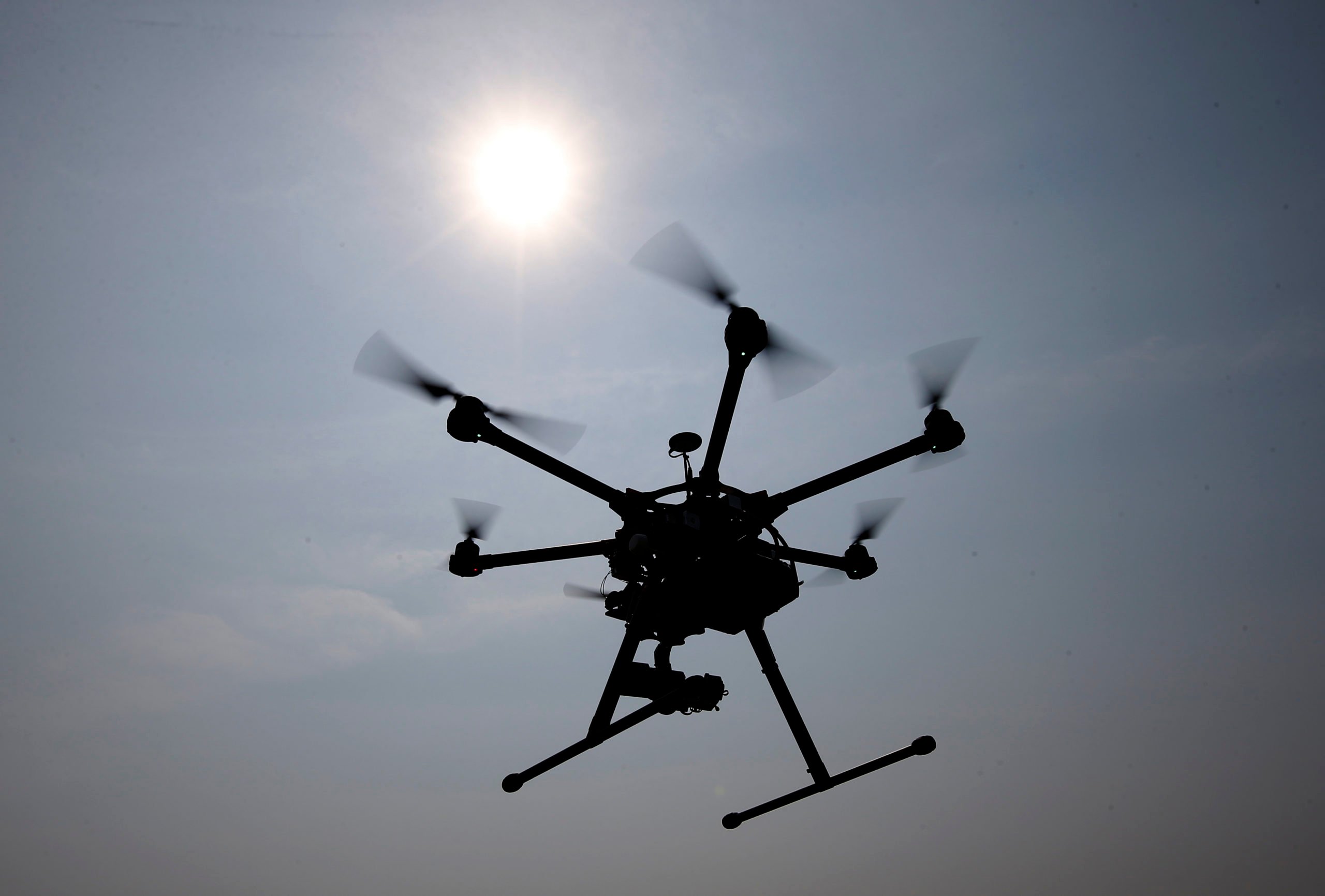
The narrative of drones is intrinsically linked to the rapid evolution of Tech. What started as hobbyist toys and military curiosities has blossomed into sophisticated aerial platforms, powered by advancements in AI, sophisticated sensor technology, and miniaturization. The early days were characterized by clunky designs, limited flight times, and a steep learning curve. Today, consumer drones can be flown with remarkable ease, boasting advanced stabilization, obstacle avoidance, and high-resolution cameras that rival professional equipment. For businesses, the leap has been even more profound. Drones are no longer just flying cameras; they are data-gathering powerhouses, intelligent agents capable of performing complex tasks autonomously.
The Maturation of Drone Technology: Beyond the Hobbyist Realm
The initial public fascination with drones was largely driven by the consumer market. Affordable, easy-to-fly quadcopters opened up aerial photography and videography to the masses. Suddenly, anyone could capture breathtaking aerial perspectives previously reserved for expensive helicopters and professional cinematographers. This surge in consumer adoption, however, also brought to the forefront a host of practical and regulatory challenges. Privacy concerns, airspace congestion, and safety regulations quickly became significant hurdles, tempering the initial unbridled enthusiasm.
From Gadgets to Industrial Tools: Unlocking Business Value
While the consumer market found its footing, it was the industrial and commercial sectors that truly witnessed the transformative potential of drones. The Tech advancements in drone capabilities—increased payload capacity, longer flight times, and the integration of specialized sensors—have made them indispensable tools across a wide spectrum of industries.
Precision Agriculture: The Eyes in the Sky for Farmers
One of the most significant areas where drones have made a profound impact is agriculture. Traditional farming methods often rely on broad-stroke approaches, leading to inefficiencies and environmental impact. Drones equipped with multispectral and thermal cameras can provide farmers with incredibly detailed insights into their crops.
- Crop Health Monitoring: Drones can identify subtle changes in plant health, detecting early signs of disease, pest infestation, or nutrient deficiencies long before they are visible to the naked eye. This allows for targeted interventions, reducing the need for widespread application of pesticides and fertilizers, leading to cost savings and a more sustainable approach.
- Yield Prediction: By analyzing the data gathered from drone imagery, farmers can gain more accurate estimates of their crop yields, aiding in planning, logistics, and market forecasting.
- Irrigation Management: Thermal imaging can reveal areas of the field that are over or under-watered, allowing for precise adjustments to irrigation systems, conserving water resources.
- Seeding and Spraying: Drones are increasingly being used for precise seeding and targeted spraying of chemicals, ensuring that resources are applied only where and when they are needed.
Infrastructure Inspection: A Safer, More Efficient Approach
Inspecting vast and often dangerous infrastructure, such as bridges, power lines, wind turbines, and oil rigs, has historically been a labor-intensive and risky endeavor. Drones have revolutionized this process.
- Reduced Risk: Operators can inspect these structures remotely, significantly reducing the risk of accidents associated with working at heights or in hazardous environments.
- Cost-Effectiveness: Drone inspections are generally more cost-effective than traditional methods, which often require specialized equipment, scaffolding, or manned aircraft.
- Detailed Data Capture: High-resolution cameras and other sensors on drones can capture incredibly detailed imagery, allowing for the detection of even minor structural defects, cracks, or corrosion. This data can be used for predictive maintenance, preventing costly failures and extending the lifespan of infrastructure.
- Accessibility: Drones can access areas that are difficult or impossible to reach with traditional inspection methods, providing a more comprehensive assessment.
Construction and Real Estate: Visualizing Progress and Value
The construction industry has embraced drones for a multitude of applications, enhancing efficiency and providing valuable data throughout the project lifecycle.
- Site Surveying and Mapping: Drones equipped with LiDAR and photogrammetry software can quickly create highly accurate 3D models of construction sites, providing detailed topographical information for planning and design.
- Progress Monitoring: Regular drone flights can document the progress of a construction project, providing stakeholders with visual updates and identifying potential delays or issues early on.
- Quality Control: Drones can be used to inspect the quality of work, ensuring that materials are laid correctly and that standards are being met.
- Real Estate Marketing: For the real estate sector, drones have become an essential tool for creating compelling marketing materials. Aerial footage offers potential buyers a unique perspective of properties, their surroundings, and their proximity to amenities, significantly enhancing visual appeal and driving interest.
The Evolving Role of Drones in Brand and Business Strategy
The integration of drones isn’t just about operational efficiency; it’s also about how businesses project their image and engage with their audiences. The initial buzz surrounding drones naturally lent itself to marketing and branding efforts, and this continues to be a fertile ground for innovation.

Innovative Marketing and Enhanced Customer Experience
Brands have leveraged drones to create memorable marketing campaigns and offer unique customer experiences. The novelty factor of drone technology, when used thoughtfully, can cut through the noise and capture attention.
- Creative Advertising: From dazzling light shows choreographed by hundreds of drones to unique aerial product placements, brands are finding innovative ways to use drones to tell their story and promote their offerings.
- Last-Mile Delivery (The Delayed Promise): While the dream of Amazon drones delivering packages to every doorstep has yet to fully materialize on a mass scale, it’s not for lack of effort or technological advancement. Regulatory hurdles, safety concerns, and the sheer complexity of managing a fleet of autonomous delivery vehicles in urban environments have slowed its widespread adoption. However, drone delivery is making inroads in specific contexts, such as delivering medical supplies to remote areas or in controlled environments like university campuses.
- Enhanced Event Experiences: Drones can capture stunning aerial footage of events, concerts, and sporting matches, providing unique content for social media and broadcast. Some events even incorporate drone displays as part of the entertainment.
Corporate Identity and Public Perception
The way a company utilizes drone technology can also subtly influence its corporate identity. Companies at the forefront of drone innovation, whether in manufacturing or application, often cultivate an image of being forward-thinking and technologically advanced.
- Demonstrating Innovation: Early adoption and sophisticated application of drone technology can signal a company’s commitment to cutting-edge solutions and its ability to adapt to new technological paradigms.
- Social Responsibility Messaging: For industries like agriculture or environmental monitoring, the use of drones can be framed as a commitment to sustainability and responsible resource management, bolstering a positive brand reputation.
The Economic Landscape of Drones: Money Matters
The drone industry represents a significant and growing economic sector. Investment, job creation, and the development of new business models are all intricately linked to the advancement and adoption of drone technology.
Investment and Market Growth
The drone market has seen substantial investment, with venture capital flowing into startups developing hardware, software, and specialized services. This investment is driven by the recognition of drones’ potential to generate significant returns across various industries.
- Hardware Manufacturing: The production of drones themselves, from consumer-grade to industrial behemoths, is a major industry segment.
- Software and Analytics: The true value of drone data lies in its analysis. A burgeoning market exists for software platforms that can process, interpret, and derive actionable insights from drone imagery and sensor data. AI tools are playing an increasingly vital role here, automating analysis and identification.
- Training and Certification: As drone usage expands, so does the need for trained pilots and certified operators. This has created a new service sector focused on education and professional development.
- Maintenance and Repair: Like any complex machinery, drones require maintenance and repair, creating a demand for skilled technicians.
New Revenue Streams and Business Opportunities
Drones have opened up entirely new avenues for generating income and building businesses.
- Drone Service Providers: Many entrepreneurs have established businesses offering specialized drone services, such as aerial photography and videography, inspection services, agricultural surveying, or mapping. These businesses cater to clients who may not have the in-house expertise or resources to operate drones themselves.
- Data Monetization: The vast amounts of data collected by drones can be valuable. Businesses are exploring ways to anonymize and aggregate this data for market research, urban planning, or environmental studies, creating new revenue streams.
- Drone-as-a-Service (DaaS): Similar to Software-as-a-Service (SaaS), DaaS models are emerging where companies can lease drone equipment and operational support, lowering the barrier to entry for businesses looking to leverage drone technology without significant upfront investment.
The Financial Implications of Efficiency
From a business finance perspective, the adoption of drones often translates directly into cost savings and increased profitability.
- Reduced Operational Costs: As seen in infrastructure inspection and agriculture, drones can significantly lower the cost of performing tasks that were previously expensive and time-consuming.
- Improved Resource Allocation: By providing precise data, drones help businesses optimize the use of resources, whether it’s fertilizer, water, or labor, leading to greater efficiency and reduced waste.
- Enhanced Safety and Reduced Liability: By mitigating risks associated with manual inspections or hazardous operations, drones can help reduce insurance premiums and potential liabilities.
In conclusion, the question “what happened to drones” is less about their disappearance and more about their quiet, yet profound, integration into the fabric of our technological and economic landscape. They haven’t faded into obscurity; rather, they have matured from exciting novelties into indispensable tools. Their impact continues to ripple through the Tech sector, driving innovation in AI and sensor development. They are subtly influencing Brand perception, enabling new marketing strategies, and transforming how businesses present themselves. And crucially, they are creating significant economic opportunities, generating revenue, and offering a compelling case for investment. The sky might not be as chaotically buzzing as some once imagined, but it is undoubtedly more productive, efficient, and data-rich, thanks to the evolving capabilities of drones. The future of drones is not a question of if, but how we will continue to unlock their full potential.
aViewFromTheCave is a participant in the Amazon Services LLC Associates Program, an affiliate advertising program designed to provide a means for sites to earn advertising fees by advertising and linking to Amazon.com. Amazon, the Amazon logo, AmazonSupply, and the AmazonSupply logo are trademarks of Amazon.com, Inc. or its affiliates. As an Amazon Associate we earn affiliate commissions from qualifying purchases.