
The historical significance of Bastille Day, July 14th, is often viewed through the lens of revolution and the dismantling of the Ancien Régime. However, when we strip away the tricolor flags and the military parades, we find a masterclass in identity formation, symbolic power, and the endurance of a national brand. For professionals in marketing, corporate identity, and brand strategy, the events of 1789 offer profound insights into how a singular, decisive act can redefine a collective narrative for centuries to come.
The Architecture of a Defining Moment: Radical Rebranding
At its core, the storming of the Bastille was not merely a tactical victory; it was a powerful act of “rebranding” an entire nation. The Bastille was a fortress, a prison, and a physical manifestation of royal authority. By physically dismantling it, the revolutionaries were performing an act of symbolic destruction that signaled the end of one era and the birth of another.

Disrupting the Narrative
In branding terms, the Ancien Régime had become a stagnant product. It lacked alignment with the evolving values of its “consumer base”—the populace. When a brand fails to adapt its value proposition to the shifting realities of its environment, it becomes susceptible to disruption. The revolutionaries identified a high-visibility target that represented everything the populace wanted to shed. By collapsing the Bastille, they created a clear “Before” and “After” in the market of political ideology.
Leveraging Visual Identity
The subsequent adoption of the tricolor cockade—blue, white, and red—was a stroke of strategic genius in visual communication. By codifying these colors into a cohesive identity, the movement transitioned from a disorganized mob into a unified entity with a distinct visual language. This is a critical lesson for modern brand architects: symbols are the shorthand of values. When a brand can successfully marry a transformative event with a persistent visual marker, it ensures that the narrative survives long after the initial event has passed.
The Long-Term Equity of Cultural Symbols
Modern brands spend millions attempting to achieve “iconic status,” a level of brand equity where the name and the product become synonymous with a specific feeling or movement. The French Republic achieved this in a single day. The enduring equity of Bastille Day lies in its ability to remain relevant while adapting to the needs of the modern state.
Maintaining Brand Consistency
Despite centuries of political upheaval—empires, restorations, and multiple republics—the concept of “July 14th” has remained a cornerstone of French national identity. This consistency is not accidental. It is the result of continuous reinforcement through ceremonies, public holidays, and the constant invocation of the values represented by the event: Liberté, Égalité, Fraternité.
For corporate brands, the lesson is clear: consistency is the anchor of trust. While products, CEOs, and market strategies may change, the foundational values—the “brand promise”—must remain steadfast to maintain internal and external resonance. If a brand shifts its fundamental promise too frequently, it loses its audience; if it maintains a core, defensible promise, it gains legacy.
The Role of Narrative in Stakeholder Engagement
The annual celebration of Bastille Day is an exercise in stakeholder management. It brings together the military, the government, and the citizens in a shared acknowledgement of the brand’s origins. It functions as a “Founder’s Story” on a national scale. In the corporate world, the most successful companies are those that weave their origin stories into the daily employee experience. When stakeholders understand the “why” behind their organization’s existence, they are more likely to act as brand ambassadors. The Bastille Day parade is effectively a high-production-value internal communications event, reaffirming the mission statement of the Republic.
Translating Revolutionary Strategy into Modern Corporate Branding
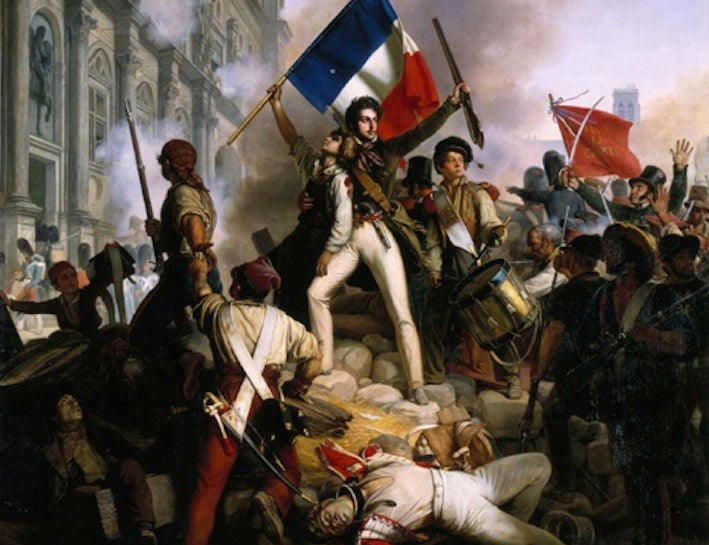
If we transpose the dynamics of the French Revolution onto the competitive landscape of the 21st century, we see how successful “market disruptors” mirror the tactics used on July 14th.
Identifying the “Bastille” of Your Industry
Every stagnant industry has its “Bastille”—an archaic process, a bloated service model, or a legacy mindset that prevents innovation. Modern disruptors succeed because they pinpoint these weaknesses and create a campaign around their removal.
Consider how digital-native firms replaced traditional banking or how software-as-a-service (SaaS) models dismantled the old hardware-centric sales cycle. These companies did not just offer a better product; they offered a “liberation” from the pain points of the previous regime. Identifying your industry’s “Bastille”—the thing everyone hates but is forced to endure—is the first step toward building a brand that captures the collective imagination of the market.
The Power of Radical Transparency
One of the reasons the storming of the Bastille was so effective was its public nature. It was an event conducted in the light of day, witnessed by the city, and documented in real-time. In the modern digital era, radical transparency is a brand strategy that yields high returns on engagement.
Consumers today are skeptical of corporate “black boxes.” Much like the revolutionaries who demanded to see what was behind the walls of the Bastille, modern customers want to see the processes, the supply chains, and the values behind the brands they support. When brands proactively open their internal processes to public scrutiny, they are effectively storming their own walls before an audience can, thereby building a base of loyal advocates rather than critics.
Strategic Adaptation: The Evolution of Meaning
As time progresses, even the most robust brands must adapt their narrative to survive changing social climates. The Bastille Day of 1789 meant something radically different to a revolutionary in Paris than it does to a tourist visiting the site today. This evolution of meaning is essential for long-term survival.
The “Evergreen” Brand Identity
A brand that cannot evolve its messaging dies with its generation. The Republic managed to move from a violent, exclusionary act of revolution to an inclusive celebration of democratic stability. It transitioned from “us versus them” to “who we are.”
Corporate brands must manage this transition with care. The goal is to retain the spirit of the origin story while expanding the definition of the brand to meet the needs of a wider, more modern audience. This requires constant auditing of the brand’s touchpoints. Are your marketing materials speaking to the current market, or are they relying on the “revolutionary fervor” of a product launch that occurred ten years ago?

Crisis and Renewal
There have been moments in history where the French brand was at a low point, or where the meaning of the revolution was challenged. In those instances, the authorities did not abandon the holiday; they leaned into it, using the date as a tool for national healing and reunification.
For the modern enterprise, the lesson is that a crisis is not necessarily the end of the brand; it is an opportunity to revisit the core identity. When a company faces a PR scandal, a technological failure, or a decline in market share, the response should not be to hide the past, but to invoke the foundational values of the company to chart a new, corrective path forward.
Bastille Day stands as a testament to the fact that identity is not a static object, but a living narrative. It requires active management, consistent storytelling, and the courage to dismantle the old to make way for the new. Whether you are leading a startup or managing a global corporation, the principles remain the same: define your values, identify the structures that hold your audience back, and communicate your narrative with a conviction that makes it impossible to ignore. The storming of the Bastille may have happened in 1789, but the strategic lessons it offers are as relevant today as they were over two centuries ago.
aViewFromTheCave is a participant in the Amazon Services LLC Associates Program, an affiliate advertising program designed to provide a means for sites to earn advertising fees by advertising and linking to Amazon.com. Amazon, the Amazon logo, AmazonSupply, and the AmazonSupply logo are trademarks of Amazon.com, Inc. or its affiliates. As an Amazon Associate we earn affiliate commissions from qualifying purchases.