
In an era of rising living costs, the pursuit of financial resilience often leads individuals to seek innovative ways to stretch their budgets. One of the most fundamental and impactful areas for potential savings lies within the grocery bill, a recurring expenditure for every household. While the concept of “free groceries” might seem elusive, it is, in fact, an attainable goal through a combination of strategic planning, resourcefulness, community engagement, and smart financial practices. This comprehensive guide will delve into various avenues, offering actionable insights for anyone looking to significantly reduce or even eliminate their grocery expenses, thereby bolstering their overall financial health and food security.

Tapping into Community Support and Assistance Programs
The first and often most direct route to acquiring groceries at no cost involves leveraging established community resources and government initiatives designed to combat food insecurity. These programs serve as vital safety nets, offering immediate relief and ongoing support to individuals and families facing financial hardship.
Food Banks and Pantries: Local Lifelines
Food banks and pantries are perhaps the most well-known and accessible resources for free groceries. These charitable organizations collect donated food and distribute it to those in need, typically requiring minimal documentation or eligibility criteria. Many operate on a referral basis, but direct walk-ins are also common. Understanding the operational hours, registration process, and specific offerings of your local food bank, pantry, or food cooperative can provide a consistent source of essential provisions. Regularly checking their schedules and available stock ensures you can plan your visits effectively and access a diverse range of products, from fresh produce to shelf-stable goods.
Government-Sponsored Nutrition Programs (SNAP, WIC, etc.)
For eligible individuals and families, government-funded programs offer substantial assistance. The Supplemental Nutrition Assistance Program (SNAP), often referred to as food stamps, provides financial aid specifically for purchasing groceries at authorized retailers. Similarly, the Special Supplemental Nutrition Program for Women, Infants, and Children (WIC) offers food benefits for pregnant women, new mothers, and young children, focusing on nutritious items crucial for early development. Understanding the eligibility requirements and application process for these programs can unlock a consistent and significant source of grocery funds, directly reducing out-of-pocket expenses. State and local agricultural departments often have additional programs, such as senior farmers market nutrition programs, which provide vouchers for fresh, local produce.
Community Gardens and Gleaning Initiatives
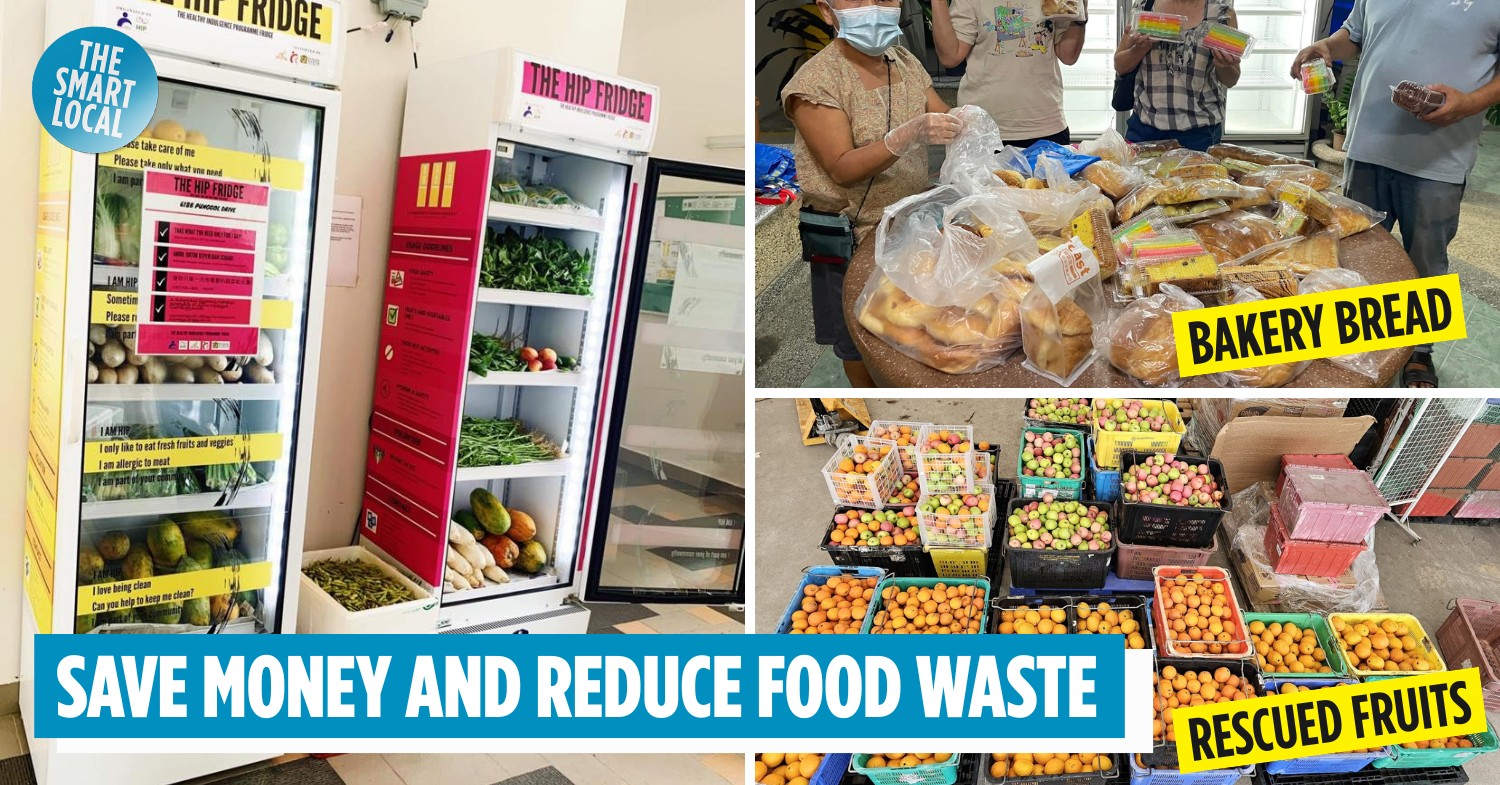
Beyond direct handouts, community gardens offer a unique opportunity for self-sufficiency. Many urban and suburban areas host plots where residents can grow their own produce, often for a minimal annual fee or even free if they volunteer their time. This not only provides fresh, organic food but also fosters community connection and develops valuable gardening skills. Gleaning initiatives, on the other hand, involve collecting leftover crops from farmers’ fields after the main harvest. These programs, often run by volunteers, prevent food waste and distribute surplus produce to those in need, offering a chance to access high-quality fresh foods at no cost.
Mutual Aid Networks and Local Food Shares
The rise of mutual aid networks and local “buy nothing” groups on social media platforms presents another avenue. These community-led initiatives facilitate the sharing of resources among neighbors, including surplus food items, garden produce, or even pantry staples that would otherwise go to waste. By participating in these groups, you can offer what you have and receive what you need, building a supportive local network. “Freeganism,” while sometimes controversial, involves salvaging discarded food that is still edible, often from dumpsters behind grocery stores or bakeries. While requiring careful judgment regarding safety and legality, it’s a practice rooted in anti-waste principles that can yield free food.
Strategic Shopping and Couponing Mastery
For those who purchase groceries regularly, even small savings can accumulate significantly over time. Mastering strategic shopping techniques and effective couponing can transform your grocery budget, turning modest discounts into substantial savings that can feel akin to getting items for free.
Harnessing Manufacturer and Store Coupons
Couponing remains a powerful strategy for reducing grocery costs. Manufacturer coupons, found in newspaper inserts, online printables, or digital apps, offer discounts on specific brands. Store coupons, issued by retailers, apply to particular items or offer percentage-based savings on an entire purchase. The true art of couponing lies in “stacking”—combining a manufacturer coupon with a store coupon for the same item, maximizing the discount. Regularly checking store circulars and coupon aggregation sites is crucial, as is understanding coupon policies for each store to ensure smooth redemption.
Loyalty Programs and Rewards Cards
Almost every major grocery chain offers a loyalty program or rewards card. These programs typically provide member-exclusive pricing, accumulate points that can be redeemed for future discounts, or offer personalized coupons based on your shopping history. Signing up for these programs is a no-brainer, as they unlock immediate savings and long-term benefits. Many programs also partner with gas stations, allowing points to be redeemed for fuel discounts, indirectly freeing up cash for groceries.
Price Matching and Store Sales Cycles
Savvy shoppers understand that grocery prices fluctuate. Tracking sales cycles (typically 6-12 weeks) for frequently purchased items allows you to stock up when prices are at their lowest. Many stores also offer price matching, where they will match a competitor’s advertised price for an identical item. This strategy saves you the hassle of visiting multiple stores and ensures you always get the best deal available in your area. Creating a detailed shopping list based on sales flyers and price matching opportunities is a cornerstone of this approach.
Utilizing Cash-Back Apps and Browser Extensions
The digital age has introduced a plethora of apps and browser extensions designed to put money back in your pocket. Apps like Ibotta, Fetch Rewards, Checkout 51, and Rakuten offer cash back on grocery purchases, either through scanning receipts or linking loyalty cards. These platforms often have rotating offers on specific products or categories. While individual cash-back amounts might seem small, consistent use can result in a steady stream of savings that can be used to offset future grocery expenses, effectively making some items “free” over time.
Earning Groceries Through Digital Platforms and Side Hustles
Beyond direct assistance and smart shopping, a proactive approach involves generating income or rewards specifically earmarked for grocery purchases. Various online platforms and micro-side hustles can provide gift cards, cash, or points convertible into groceries, offering a flexible way to fund your food supply.
Online Survey Sites and Micro-Tasks
Numerous websites pay users for completing surveys, watching videos, or performing simple micro-tasks. Platforms like Swagbucks, Survey Junkie, Amazon Mechanical Turk, and Branded Surveys often offer gift cards to major grocery retailers or cash payouts via PayPal, which can then be used for groceries. While the hourly rate might not be high, these activities can be done flexibly in spare moments, transforming idle time into grocery-funding opportunities. Consistency is key, as small earnings accumulate over time.
Gig Economy Apps for Food Delivery or Errands
Participating in the gig economy can provide a more substantial income stream for groceries. Apps like Instacart, DoorDash, Uber Eats, and Shipt allow you to earn money by delivering groceries or meals to others. The flexibility of these roles means you can work when it suits you, directly earning cash that can be allocated to your own grocery needs. Additionally, some apps like TaskRabbit allow you to run general errands for people, providing another avenue for earning. The added benefit for grocery deliverers can sometimes be discounts or special offers from the grocery stores themselves.
Converting Unused Gift Cards or Rewards Points
Many people accumulate unused gift cards from birthdays, holidays, or credit card rewards programs. If these cards are for general retailers (like Amazon or Target) or even specific restaurants, they can often be sold or traded for grocery store gift cards on platforms like CardCash or Raise. Similarly, credit card rewards points can often be redeemed for gift cards to grocery stores or as statement credits, directly reducing your grocery bill. Don’t let these potential savings languish; actively convert them into usable grocery funds.
Participating in Product Testing and Focus Groups
Companies often seek consumer feedback on new products or marketing campaigns. Participating in paid product testing or focus groups, both online and in-person, can be a lucrative way to earn cash or gift cards. These opportunities, found through market research firms or specialized websites, often offer higher payouts than surveys and can directly fund your grocery shopping, sometimes even involving testing food products themselves.
Cultivating Self-Sufficiency and Reducing Waste
A powerful, long-term strategy for achieving “free” groceries involves a shift towards self-sufficiency and a rigorous commitment to minimizing food waste. These practices not only save money but also contribute to a more sustainable lifestyle and often healthier eating habits.
Home Gardening: From Plot to Plate
Growing your own food is arguably the most direct path to truly free groceries. Even a small container garden on a balcony can yield fresh herbs, lettuce, and tomatoes. For those with more space, a backyard garden can provide a significant portion of a family’s produce needs during growing seasons. While there’s an initial investment in seeds, soil, and tools, the return in fresh, organic, and cost-free food is substantial. It also eliminates transportation costs and contributes to a healthier diet. Learning basic gardening techniques and choosing high-yield crops suitable for your climate can make a tremendous difference.
Foraging for Edible Wild Foods (with caution)
Foraging, the practice of gathering wild food, is an ancient skill that can supplement your diet with truly free, nutrient-dense ingredients. Wild berries, mushrooms, dandelions, nettles, and various edible greens can be found in many natural environments. However, this practice requires significant knowledge and caution. Misidentification of plants can be dangerous or even deadly. It is imperative to consult experienced foragers, use reliable field guides, and always be 100% certain of identification before consuming any wild plant. Ethical foraging also means taking only what you need and leaving plenty for wildlife and future growth.
Mastering Meal Planning and Food Preservation
One of the biggest culprits of grocery waste (and therefore wasted money) is poor meal planning. By meticulously planning meals for the week, creating a precise shopping list, and sticking to it, you avoid impulse purchases and ensure every item bought has a purpose. Beyond planning, mastering food preservation techniques like canning, freezing, dehydrating, and fermenting allows you to extend the shelf life of fresh produce bought on sale or harvested from your garden. This ensures that seasonal gluts don’t go to waste, providing “free” food in the off-season.
Reducing Food Waste for Effective Savings
Globally, a significant percentage of food produced is wasted. At a household level, this translates directly to wasted money. Implementing strategies to minimize food waste is a powerful way to make your grocery budget go further. This includes proper food storage, understanding “best by” vs. “use by” dates, creatively using leftovers, composting scraps, and making “fridge clean-out” meals. Every item saved from the trash is money saved and effectively makes your previous grocery purchases “free” for longer. Embracing a “root-to-stem” or “nose-to-tail” philosophy for cooking also maximizes the use of every ingredient.
Achieving “free groceries” is a multi-faceted endeavor that combines leveraging community resources, employing smart shopping strategies, earning through flexible opportunities, and embracing self-sufficiency. By strategically implementing even a few of these approaches, individuals and families can significantly reduce their grocery expenditures, freeing up financial resources for other essential needs or savings goals. It’s a journey that demands intentionality and resourcefulness, but one that ultimately leads to greater food security and enhanced financial well-being.
aViewFromTheCave is a participant in the Amazon Services LLC Associates Program, an affiliate advertising program designed to provide a means for sites to earn advertising fees by advertising and linking to Amazon.com. Amazon, the Amazon logo, AmazonSupply, and the AmazonSupply logo are trademarks of Amazon.com, Inc. or its affiliates. As an Amazon Associate we earn affiliate commissions from qualifying purchases.