
The question “What genre is Acid Bath?” is more than just a simple categorization query for music enthusiasts; it’s an invitation to delve into the complex, often contradictory, and undeniably influential sonic landscape crafted by this Louisiana-based band. While a single, neat label might elude them, understanding their genre necessitates an exploration of the various elements that coalesced to forge their unique sound. This isn’t merely an academic exercise; for those deeply invested in the evolution of extreme music, particularly the rise of the Southern Gothic, sludge, and avant-garde metal scenes, discerning Acid Bath’s genre is crucial to appreciating their impact and the broader musical currents they navigated.
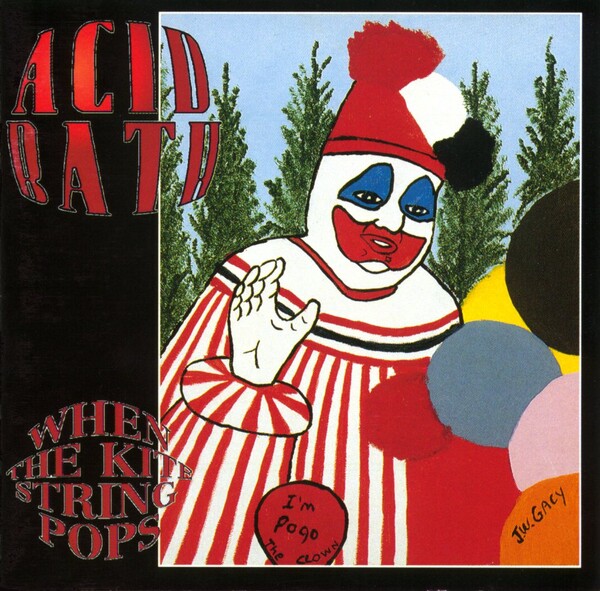
The Sludge Metal Foundation: A Southern Gothic Swamp of Sound
At its core, Acid Bath’s sound is undeniably rooted in sludge metal. This genre, characterized by its slow, heavy, and often dissonant riffs, punishingly distorted guitars, and a general atmosphere of bleakness and despair, forms the bedrock of their musical output. Emerging from the late 1980s and early 1990s, sludge metal offered a grittier, more aggressive alternative to the burgeoning thrash and death metal scenes. Acid Bath, hailing from the humid, brooding landscape of Louisiana, seemed to embody the very essence of this subgenre, drawing heavily on its oppressive atmospheres and raw intensity.
Riffs as Relentless and Ruinous
The rhythmic foundation of Acid Bath’s music is built upon a bed of incredibly heavy, often downtuned, and deliberately paced guitar riffs. These aren’t the technical fireworks of progressive metal or the blistering speed of black metal; instead, they are designed to crush, to suffocate, and to evoke a sense of overwhelming weight. Think of the crushing, molasses-slow guitar work that defines bands like Eyehategod or Crowbar, and you’re on the right track. Acid Bath’s guitarists, Sammy Duet and Robbie Broussard, masterfully employed this approach, crafting riffs that were both undeniably brutal and strangely hypnotic. These riffs often featured a raw, unpolished production that amplified their inherent aggression, eschewing any attempts at sonic refinement in favor of a primal, visceral impact. The deliberate slowness, punctuated by moments of jarring dissonance, created a sense of unease and anticipation, a hallmark of the sludge metal ethos.
The Vocal Duality: Screams and Melancholy
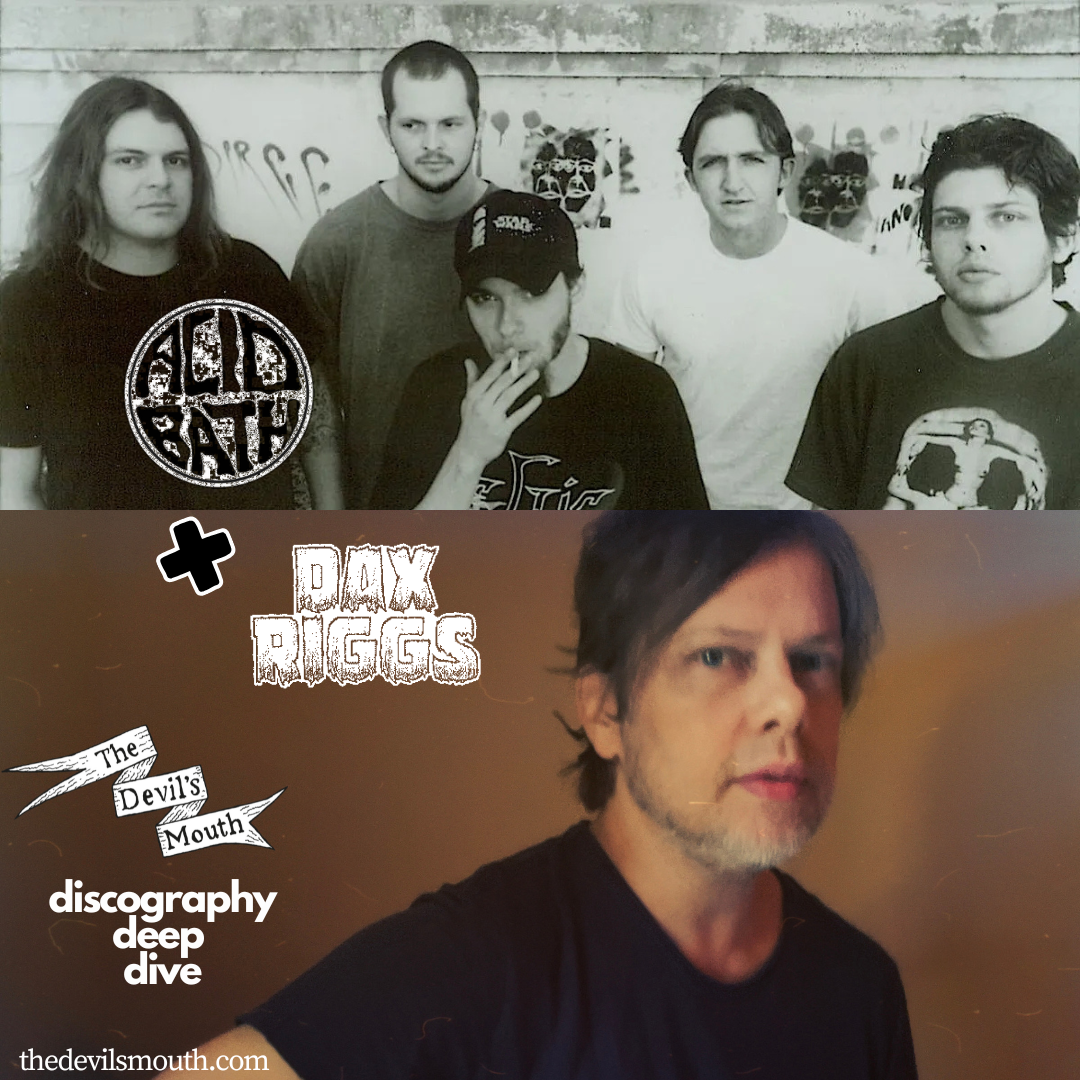
A defining characteristic that sets Acid Bath apart within the sludge metal sphere, and indeed within extreme music generally, is the vocal dichotomy presented by Dax Riggs and Sammy Duet. While sludge metal is often associated with guttural growls and harsh shrieks, Acid Bath masterfully blended these with moments of melodic, almost mournful singing. Riggs, in particular, possessed a unique vocal delivery, capable of shifting from venomous, raspy screams that sounded like they were ripped from the depths of despair to clean, often melancholic singing that conveyed a profound sense of pain and introspection. This duality allowed them to explore a wider emotional spectrum, injecting elements of gothic romance and personal anguish into their otherwise brutal soundscapes. This juxtaposition of extreme vocalizations with surprisingly beautiful, albeit often somber, melodies created a compelling contrast that captivated listeners and set them apart from their peers.
Beyond Sludge: Avant-Garde Touches and Psychedelic Undercurrents
While sludge metal provides the foundation, Acid Bath’s sonic palette extends far beyond its confines. Their willingness to experiment, to incorporate seemingly disparate elements, and to push the boundaries of conventional metal songwriting earns them a place in more eclectic subgenres.
Gothic Undertones and Macabre Thematics
The term “Southern Gothic” is frequently invoked when discussing Acid Bath, and for good reason. Their lyrics, often penned by Dax Riggs, delve into themes of death, decay, madness, violence, alienation, and the darker aspects of human nature, all imbued with a distinctly Southern, almost folkloric, sensibility. This thematic resonance, combined with their often bleak and atmospheric sound, creates a palpable sense of dread and a haunting beauty that is characteristic of Gothic literature. The imagery conjured in their lyrics – from decaying swamps and forgotten graveyards to tormented souls and desperate pleas – paints vivid pictures that are both disturbing and compelling. This thematic depth, coupled with their musical exploration of despair, aligns them with the broader Gothic aesthetic, even if their musical execution is far more aggressive than traditional Gothic rock.
Experimental Textures and Unconventional Songwriting

Acid Bath wasn’t afraid to stray from the beaten path. Their compositions often feature unconventional song structures, unexpected shifts in tempo and dynamics, and the incorporation of atmospheric elements that went beyond typical metal instrumentation. This experimental inclination can be seen as a precursor to or an influence from avant-garde metal, a genre that embraces sonic exploration and challenges traditional musical norms. They might weave in passages of spoken word, unsettling soundscapes, or moments of eerie quietude that deliberately disrupt the expected flow of a song. This willingness to experiment, to incorporate spoken word interludes, or to employ unexpected instrumental textures, suggests an artistic ambition that sought to create a truly immersive and often unsettling listening experience, pushing the boundaries of what was considered acceptable within the extreme metal landscape.
The “Death Rock” Conundrum: A Misnomer or a Valid Interpretation?
The term “death rock” is sometimes applied to Acid Bath, and while it captures some aspects of their sound, it’s a designation that warrants closer examination. Death rock, as a genre, typically emerged from post-punk and goth rock, characterized by its darker themes, macabre imagery, and often a more melodic, albeit somber, musical approach.
Tracing the Post-Punk and Goth Influences
While Acid Bath’s sonic palette is undeniably heavier and more aggressive than traditional death rock, there are discernible threads that connect them. The emphasis on dark, introspective lyrics, the exploration of mortality and despair, and the inherent sense of melancholy that permeates their music can be seen as echoing the thematic concerns of post-punk and goth rock. Furthermore, the vocal delivery of Dax Riggs, particularly in his cleaner moments, can evoke a certain dramatic, theatrical quality often found in these genres. The sheer atmosphere of despair and romanticized gloom that Acid Bath cultivated resonates with the core tenets of death rock, even if the musical execution leans heavily into a more extreme territory.
Distinguishing From Traditional Death Rock
However, to categorize Acid Bath solely as death rock would be to overlook the overwhelming sludge metal and avant-garde elements that define their sound. The sheer sonic weight, the guttural vocalizations, and the deliberate sonic abrasion are far removed from the typical, often more polished, sound of traditional death rock bands. While they may share thematic commonalities, the musical approach is vastly different. It’s more accurate to consider that their exploration of dark themes and atmospheric morbidity provided a bridge, however tenuous, between the more extreme sonic territories of sludge and death metal, and the thematic preoccupations of genres like death rock.
Defining Acid Bath: A Unique and Enduring Legacy
Ultimately, the question of “What genre is Acid Bath?” doesn’t yield a single, easy answer. They are a band that defies simple classification, a testament to their artistic originality and their willingness to forge their own path. They are a potent blend of the visceral aggression of sludge metal, the introspective despair of gothic sensibilities, and the experimental spirit of avant-garde music.
A Genre-Bending Collective Consciousness
Acid Bath’s impact lies precisely in their ability to transcend conventional genre boundaries. They demonstrated that extreme music could be both brutally heavy and deeply introspective, that darkness could be explored with both ferocity and a haunting beauty. Their music is an emotional journey, a sonic tapestry woven with threads of pain, anger, sorrow, and a profound sense of existential dread, all delivered with a raw authenticity that continues to resonate with a dedicated fanbase. Their ability to synthesize these diverse influences into a cohesive and compelling artistic statement is what makes them such a unique and enduring force in the landscape of extreme and alternative music.
The Enduring Allure of Their Sonic Alchemy
The allure of Acid Bath lies in their fearless embrace of contradiction. They are the soundtrack to the swamp, the lament of the damned, and the catharsis of the misunderstood. Their genre is, in essence, Acid Bath. It is a testament to their distinctiveness that their music continues to inspire, to provoke, and to captivate, proving that true artistry often lies in the refusal to be confined by predefined boxes. Their unique sonic alchemy, a potent cocktail of the brutal and the beautiful, the raw and the introspective, has cemented their status as a cult phenomenon whose influence continues to ripple through the underground music scene, inspiring new generations of musicians to explore the darker, more complex facets of sonic expression.
aViewFromTheCave is a participant in the Amazon Services LLC Associates Program, an affiliate advertising program designed to provide a means for sites to earn advertising fees by advertising and linking to Amazon.com. Amazon, the Amazon logo, AmazonSupply, and the AmazonSupply logo are trademarks of Amazon.com, Inc. or its affiliates. As an Amazon Associate we earn affiliate commissions from qualifying purchases.