
Pokémon HeartGold, alongside its counterpart SoulSilver, holds a revered position within the vast and intricate universe of Pokémon. For both seasoned trainers and newcomers, the question “what gen is HeartGold?” frequently arises, pointing to a fundamental aspect of the franchise’s structure: its generational progression. Understanding which generation a Pokémon game belongs to isn’t merely a matter of trivia; it’s a gateway to comprehending its technological underpinnings, design philosophy, and its place within the broader evolution of video game development, particularly for role-playing games (RPGs) on portable hardware.
This article will delve into the technological identity of Pokémon HeartGold, firmly establishing its generational placement and exploring the significant advancements and design considerations that defined its era. We will dissect the hardware capabilities of its platform, the Nintendo DS, and examine how these technological leaps influenced HeartGold’s gameplay, graphics, sound design, and connectivity features. By the end, readers will not only have a definitive answer but also a deeper appreciation for the engineering and creative decisions that cemented HeartGold’s status as a technological and cultural touchstone in the world of handheld gaming.
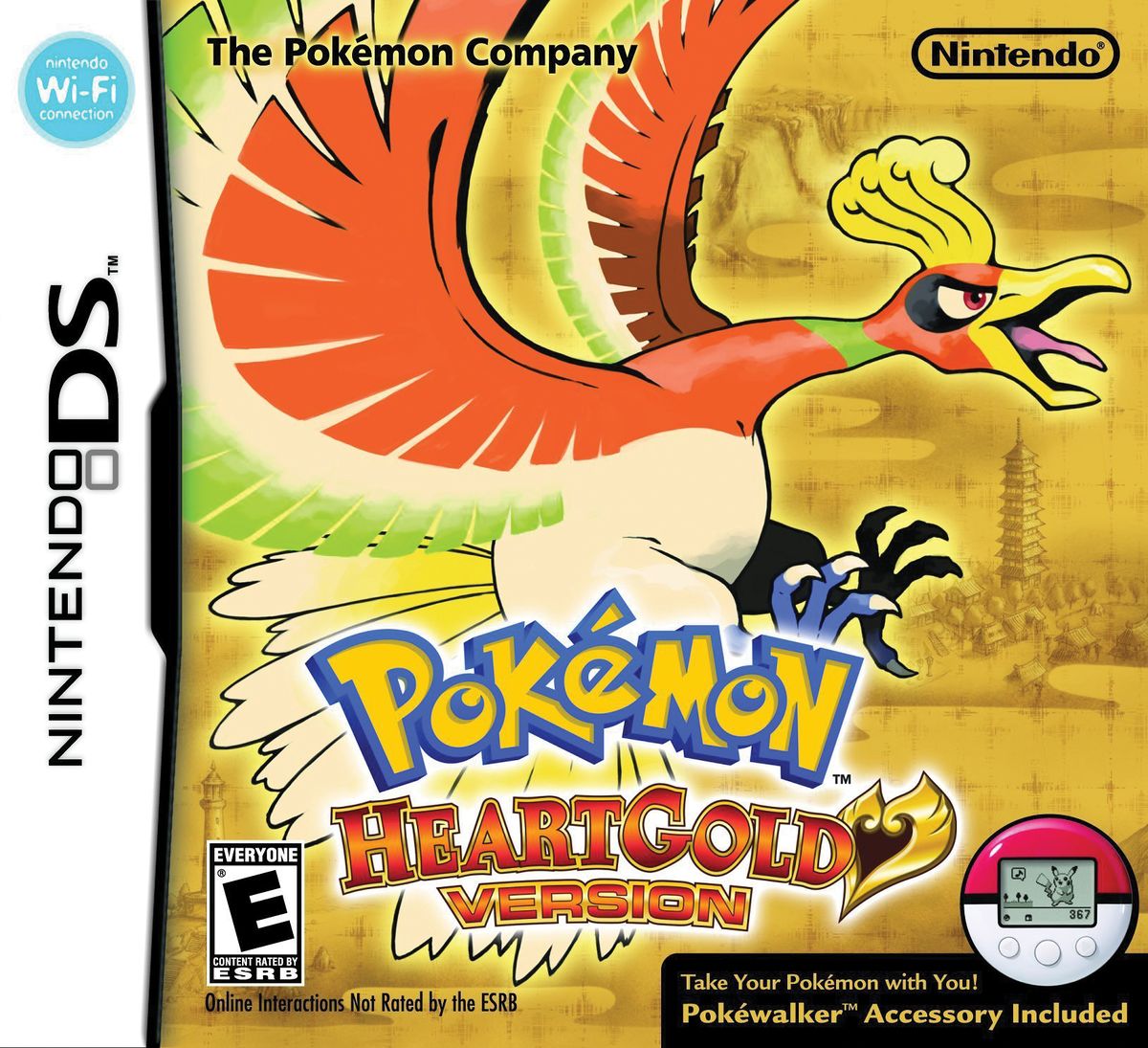
The Definitive Answer: HeartGold and the Fourth Generation
To cut straight to the chase, Pokémon HeartGold is a Generation IV Pokémon game. This classification places it firmly within an era defined by the Nintendo DS, representing a significant technological leap for the franchise. The Pokémon series has consistently structured its releases into distinct “generations,” each typically introducing a new region, new Pokémon species, new gameplay mechanics, and, crucially, leveraging the advancements of the contemporary hardware it runs on.
The Core of Pokémon’s Generational System
Each Pokémon generation is marked by several key identifiers:
- New Pokémon Species: Every new generation introduces a fresh set of Pokémon, adding to the ever-expanding Pokédex. Generation IV, for instance, introduced 107 new Pokémon, starting with Turtwig (#387) and ending with Arceus (#493).
- New Region: A brand-new geographical setting serves as the backdrop for each generation’s main story. Generation IV originally introduced the Sinnoh region with Diamond and Pearl.
- Mainline Games: The core RPG titles that launch a generation (e.g., Red/Blue for Gen I, Gold/Silver for Gen II, Ruby/Sapphire for Gen III, Diamond/Pearl for Gen IV, etc.).
- Technological Advancement: Critically, each generation exploits the capabilities of the hardware platform it’s developed for. This includes graphical fidelity, sound capabilities, processing power, and connectivity options.
Identifying HeartGold’s Place
While HeartGold and SoulSilver are remakes of Generation II’s Gold and Silver, their release on the Nintendo DS in 2009 (Japan) and 2010 (internationally) firmly anchors them in Generation IV. They incorporate all the gameplay mechanics, Pokémon, and technological standards established by Pokémon Diamond and Pearl (2006/2007), which were the original Generation IV titles. This includes the physical/special split for moves, online multiplayer functionality, updated graphical capabilities, and the presence of all Pokémon from Generations I through IV in their code. The game acts as a complete re-engineering of the Gen II experience, rebuilt from the ground up to operate within the technical framework of Generation IV.
Technical Foundations of Generation IV
The shift to Generation IV brought with it several foundational technical changes:
- Enhanced 2D Sprites with 3D Elements: While primarily 2D sprite-based, Gen IV games, including HeartGold, began to incorporate more elaborate 3D elements for environments, battle arenas, and specific animations, adding depth previously unavailable.
- Robust Wireless Connectivity: The Nintendo DS’s built-in Wi-Fi capabilities became central to the Pokémon experience, enabling global trading and battling, a massive leap from the local-only link cables of previous generations.
- Expanded Data Storage: Cartridge technology had advanced, allowing for larger game worlds, more detailed sprites, extensive sound libraries, and complex programming routines.
- Dual-Screen Optimization: The unique hardware of the DS directly influenced UI design and gameplay, with the bottom touchscreen often serving as a dedicated map, menu, or interactive element display.
A Leap in Technological Evolution: The Nintendo DS Era
The Nintendo DS was a revolutionary handheld console, and its unique architecture profoundly influenced the design and execution of its games, including Pokémon HeartGold. Moving from the Game Boy Advance (Generation III’s platform), the DS offered a fresh canvas for developers to innovate, pushing the boundaries of what was possible in portable gaming.
Hardware Capabilities and Game Design
The Nintendo DS boasted several key hardware features that Generation IV titles leveraged:
- Dual LCD Screens: The most obvious feature, allowing for innovative gameplay and interface designs. HeartGold famously used the bottom screen for menus, the Pokéwalker interface, and the touch-based control of various elements. This split allowed for continuous viewing of the game world on the top screen while managing inventory, Pokémon, or accessing maps on the bottom.
- Touchscreen Input: The resistive touchscreen opened up new possibilities for interaction. In HeartGold, this was used for navigating menus, drawing on the Pokégear map, and even directly interacting with your lead Pokémon in the overworld.
- Built-in Wi-Fi (IEEE 802.11): This was a game-changer for Pokémon. For the first time, players could trade and battle with others worldwide through the Nintendo Wi-Fi Connection service. This global connectivity fostered a vibrant online community, making Pokémon a truly interconnected experience beyond local play.
- Microphone Input: While less central, the microphone was used for specific in-game features, adding another layer of interactive technology.
- Increased Processing Power: The dual ARM processors (ARM9 and ARM7) provided significantly more horsepower than the Game Boy Advance, allowing for larger game worlds, more complex AI, and richer graphical effects.
Graphical Enhancements and Spritework
While often remembered for its 2D charm, HeartGold represented a significant graphical upgrade from its predecessors. Character and Pokémon sprites were more detailed and expressive, benefiting from a larger color palette and higher resolution. The environments, though predominantly tile-based 2D, incorporated subtle 3D elements for buildings and landmarks, providing a greater sense of depth and scale. The visual style was a sophisticated blend, preserving the series’ iconic pixel art while introducing modern rendering techniques. Animations, both in and out of battle, were smoother and more elaborate, bringing the world and its creatures to life with unprecedented fluidity on a handheld.
Connectivity and Multiplayer Innovation
The Nintendo DS’s robust wireless capabilities were arguably one of the most transformative technical features for Generation IV Pokémon games.
- Nintendo Wi-Fi Connection (WFC): This service allowed players to connect globally for trading and battling, fundamentally changing the multiplayer experience. It required Friend Codes for direct connections, fostering a more controlled online environment. The technical infrastructure behind WFC was complex, managing millions of simultaneous connections across various games.
- Local Wireless: For proximate players, local wireless offered easy ad-hoc connections for trading, battling, and participating in mini-games like the Pal Park or Pokéathlon. This was a direct evolution of the Game Boy’s link cable, but without the physical constraint.
- Pal Park: A unique feature allowing players to migrate Pokémon from Generation III Game Boy Advance cartridges to HeartGold/SoulSilver. This required a GBA slot on the original DS/DS Lite, demonstrating a form of backward hardware compatibility and data transfer between different cartridge formats.
The Dual-Screen Advantage and Touchscreen Integration
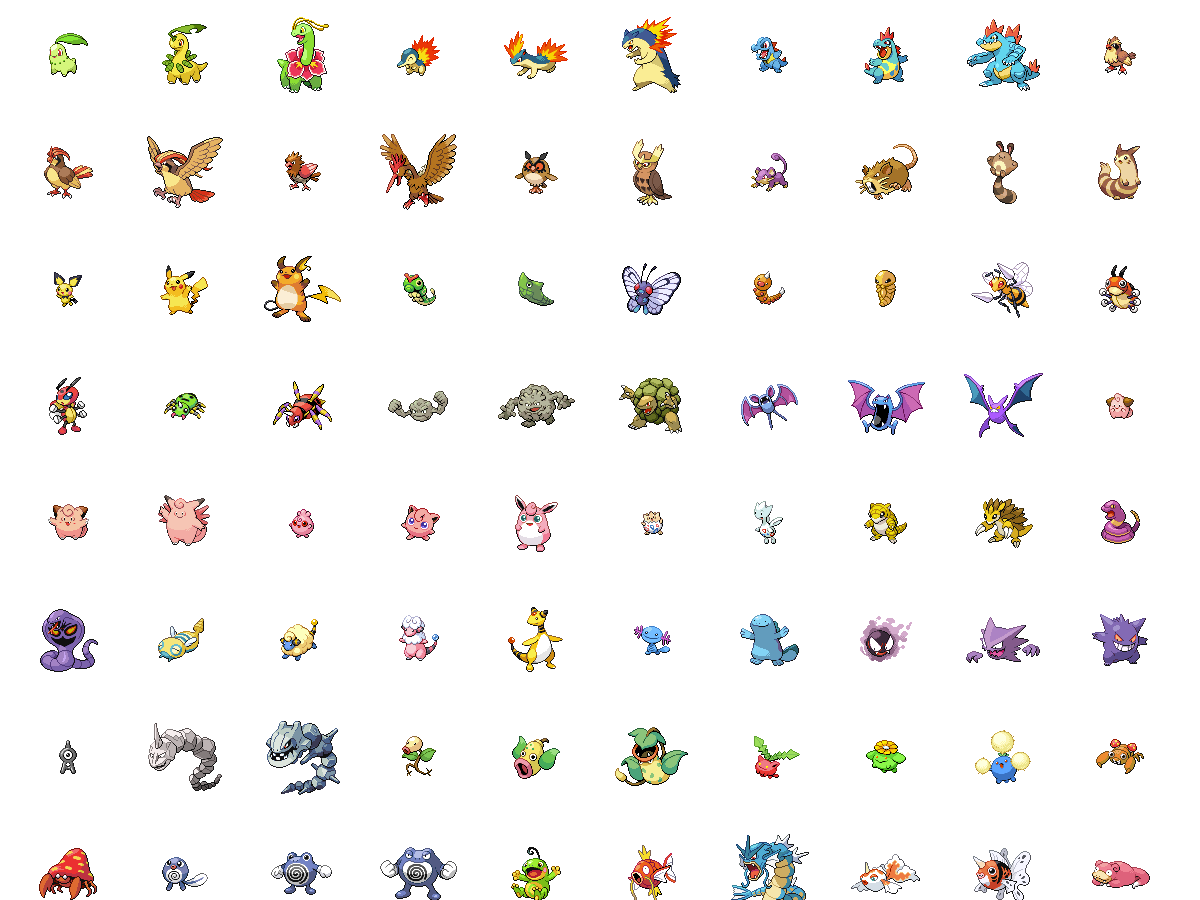
The dual-screen setup in HeartGold wasn’t just a gimmick; it was intelligently integrated into the core gameplay loop.
- Continuous Map Display: The bottom screen often displayed a real-time map of Johto, eliminating the need to constantly open and close menus.
- Streamlined Battle Interface: Battle commands, Pokémon stats, and item usage were all accessible via the touchscreen on the bottom screen, making battles more fluid and intuitive.
- Pokéwalker Integration: The touchscreen was used to manage the Pokéwalker connection and view its stats, creating a seamless interaction between the main game and its unique peripheral.
- Menu Navigation: The entire menu system was designed with touchscreen input in mind, offering a quick and efficient way to manage your party, items, and save progress.
HeartGold’s Technical Design and Feature Set
Beyond its generational placement and platform, HeartGold implemented specific technical designs and features that made it stand out, demonstrating clever engineering and an understanding of player engagement.
Reimagining Johto: World Design and Scale
Recreating the Johto region from Gold and Silver on the DS hardware was a significant undertaking. The technical challenge involved preserving the beloved geography while enhancing it with Generation IV’s graphical and mechanical improvements.
- Expanded Tile Sets: More varied and detailed environmental tiles were used, giving towns, routes, and dungeons a fresh, vibrant look without losing their original feel.
- Dynamic Day-Night Cycle: The original Gold and Silver famously introduced a real-time clock, influencing Pokémon appearances and in-game events. HeartGold enhanced this with more subtle lighting changes and dynamic visual effects that reflected the time of day with greater fidelity.
- Smooth Transitions: Loading times between areas were minimized, and transitions between indoor and outdoor environments were made seamless, contributing to a more immersive experience of Johto and Kanto.
The Pokéwalker: Bridging Physical and Digital Play
One of HeartGold’s most innovative technical features was the Pokéwalker, a pedometer-like accessory that came bundled with the game.
- Infrared (IR) Communication: The Pokéwalker communicated with the DS cartridge via infrared, allowing players to transfer one Pokémon to the device. As players walked in the real world, the Pokémon would gain experience and “Watts” (a currency for mini-games).
- Real-World Activity Integration: This was an early and successful example of integrating real-world physical activity with a video game, foreshadowing trends seen in later games and apps like Pokémon GO.
- Microchip Technology: The Pokéwalker itself contained a small microchip, a simple display, and a pedometer sensor, making it a sophisticated piece of peripheral tech for its time, designed to extend the game experience beyond the console.
Audio Engineering: Orchestrating Nostalgia
HeartGold’s soundtrack is widely praised, and its technical implementation was key to its success. The Nintendo DS, while not a powerhouse for audio, offered significantly better sound capabilities than previous Game Boy systems.
- Enhanced MIDI Synthesis: The game utilized improved MIDI synthesis for its music, allowing for richer instrumentation and more complex arrangements of the classic Johto themes. This wasn’t simply a re-orchestration; it was a technical upgrade in how the music data was processed and rendered by the DS sound chip.
- Expanded Sound Effects Library: A broader range of sound effects for Pokémon cries, battle actions, and environmental cues added to the game’s immersive quality.
- Dynamic Audio: Certain themes or sound effects would change based on in-game conditions (e.g., low HP in battle), a common but well-executed technical feature in RPGs.
Data Management and Save File Structure
The sheer amount of data in HeartGold—hundreds of Pokémon, vast regions, numerous items, and complex game states—required robust data management.
- Efficient Compression Algorithms: To fit the game onto a DS cartridge, efficient compression techniques were employed for graphics, audio, and game logic.
- Secure Save Files: The save file structure was designed to be resilient against corruption, a critical feature for an RPG where players invest hundreds of hours. It also had to support the complex data requirements for Pokémon storage, stats, moves, and individual values (IVs) and effort values (EVs).
- Backward Compatibility: The ability to trade and transfer Pokémon from Generation III games required a sophisticated system for translating and integrating Pokémon data across different game engines and storage formats, albeit with limitations.
The Enduring Impact and Technical Legacy of Generation IV
Pokémon HeartGold, as a prominent title of Generation IV, left an indelible mark not only on the Pokémon franchise but also on the broader landscape of handheld RPGs. Its technical innovations and design choices paved the way for future developments, while also presenting unique challenges for preservation.
Shaping Future Pokémon Titles
The advancements introduced or refined in Generation IV, particularly with titles like HeartGold, became foundational for subsequent Pokémon games.
- Online Connectivity as a Standard: The Nintendo Wi-Fi Connection experience solidified global online play as a core expectation for future Pokémon titles. Subsequent generations continued to expand and improve upon these online features, leading to the sophisticated online systems seen on the Nintendo 3DS and Switch.
- Hybrid 2D/3D Graphics: The blend of detailed 2D sprites with 3D environments in Gen IV laid the groundwork for the eventual full transition to 3D models in Pokémon X and Y (Generation VI). The iterative steps in graphical development were crucial in maintaining the series’ visual identity while embracing modern aesthetics.
- Peripherals and Real-World Integration: The success of the Pokéwalker demonstrated the potential for integrating external devices and real-world activity into game mechanics, influencing later features like the Dream World (Gen V) and the entire concept of Pokémon GO.
- Remake Standards: HeartGold’s success as a faithful yet enhanced remake set a high bar for future remakes in the series, proving that a classic experience could be revitalized with modern tech while retaining its core spirit.
Emulation and Preservation Challenges
While innovative at launch, the unique technical aspects of Generation IV games, especially those leveraging the DS’s specific hardware, present challenges for long-term preservation and emulation.
- Dual-Screen Management: Emulating the dual-screen experience requires sophisticated software solutions to render both screens simultaneously and allow for touch input.
- Wi-Fi Connection Discontinuation: The official Nintendo Wi-Fi Connection service was discontinued in 2014, making it impossible to access the original online features. While fan-made servers exist, they are not officially supported and represent a challenge for preserving the full online experience as it was intended.
- Pokéwalker Replication: Emulating the Pokéwalker’s IR communication and pedometer functionality is exceptionally difficult, meaning that this unique peripheral experience is largely lost in emulated versions. Physical preservation of the devices themselves becomes crucial.
- GBA Slot Dependency: The Pal Park’s reliance on the GBA slot on older DS models (not present on the DSi or 3DS) adds another layer of hardware dependency that complicates universal playability and emulation across different DS hardware revisions.
Community Modifications and Technical Exploration
Despite these challenges, the technical depth of HeartGold and other Generation IV titles has spurred a vibrant community of modders and technical enthusiasts.
- ROM Hacking: The community has extensively explored the game’s code, leading to ROM hacks that introduce new features, balance changes, or even entirely new regions, demonstrating a deep understanding of the game’s engine.
- Data Mining: Analysis of the game’s files has revealed unused assets, debug menus, and intricate details about how Pokémon mechanics are calculated and stored, providing invaluable insight into game development processes.
- Fan Servers: The creation of fan-run servers to restore online functionality highlights the community’s dedication to preserving the full technical scope of these games, even beyond official support.
In conclusion, Pokémon HeartGold is unequivocally a Generation IV title, a product of the Nintendo DS era that masterfully blended nostalgic gameplay with cutting-edge (for its time) portable technology. Its technical design, from the dual-screen interface and Wi-Fi connectivity to the innovative Pokéwalker peripheral and refined graphical presentation, not only delivered an unforgettable RPG experience but also laid crucial groundwork for the future evolution of the Pokémon franchise and handheld gaming as a whole. Understanding its generational context is key to appreciating the engineering marvels and thoughtful design that brought the Johto region back to life with such brilliance.
aViewFromTheCave is a participant in the Amazon Services LLC Associates Program, an affiliate advertising program designed to provide a means for sites to earn advertising fees by advertising and linking to Amazon.com. Amazon, the Amazon logo, AmazonSupply, and the AmazonSupply logo are trademarks of Amazon.com, Inc. or its affiliates. As an Amazon Associate we earn affiliate commissions from qualifying purchases.