
The question “what food is actually American?” transcends a simple culinary inquiry; it’s an exploration into a complex, evolving national brand identity. Unlike many nations with ancient, codified culinary traditions, the “American food” brand is a narrative built on adaptation, innovation, and global fusion. It’s a marketing marvel, a dynamic portfolio of dishes and experiences that constantly redefine themselves in the global marketplace of taste and culture. Understanding what makes a food “American” requires analyzing its brand attributes, its strategic positioning, and its enduring market perception, often irrespective of its precise historical origins.

The Evolving Narrative: Defining the “American Food” Brand
The brand “American food” is not monolithic; it’s a testament to a unique national identity built not on homogeneity, but on an embrace of diversity and a propensity for reinvention. It is a brand that has historically absorbed and adapted external influences, creating a culinary identity that is both recognizable and endlessly adaptable.
Beyond Simple Origins: A Fusion Identity
The very essence of the “American food” brand lies in its fusion identity. Far from being restricted to indigenous ingredients or ancient recipes, American cuisine has always been a grand experiment in culinary assimilation. From the German roots of hot dogs and hamburgers to Italian pizza, Mexican tacos, and Vietnamese pho, countless dishes brought by immigrant communities have been enthusiastically adopted, adapted, and ultimately re-branded as integral components of the American culinary landscape. This ongoing process of blending, modifying, and localizing ingredients and techniques forms the bedrock of the “American food” brand. It’s a brand that doesn’t shy away from external influence but thrives on it, showcasing an inclusive identity that continuously incorporates new flavors and ideas. This constant influx of new concepts prevents the brand from becoming stagnant, ensuring its relevance and appeal across diverse demographics and generations.
The Myth of Homogeneity: A Diverse Portfolio
To perceive “American food” as a singular entity is to miss the strategic genius behind its diverse portfolio. The brand’s strength lies in its ability to offer a vast array of distinct culinary experiences, each appealing to different market segments. From the comforting, hearty flavors of the South to the fresh, innovative approaches of the West Coast, the American culinary brand comprises numerous powerful sub-brands. This diversity is not a weakness but a core brand strength, allowing for broad appeal and resonant local connections. Each regional style, whether it’s New England seafood or Tex-Mex, contributes a unique flavor profile and narrative to the overarching national brand, demonstrating a sophisticated multi-product branding strategy that caters to varied consumer preferences and cultural affiliations. This layered identity ensures that the “American food” brand can be simultaneously universal and deeply personal.
Iconography and Marketing: Branding Through Culinary Symbols
The global recognition of certain “American” foods is a masterclass in brand iconography and effective cultural marketing. These dishes, irrespective of their true provenance, have been elevated to the status of national symbols through pervasive storytelling and strategic brand propagation.
Hot Dogs, Hamburgers, and Apple Pie: Global Brand Ambassadors
Few dishes evoke “America” quite like the hot dog, hamburger, and apple pie. Their ubiquity in popular culture, from baseball games to Fourth of July celebrations, has cemented their status as unofficial culinary ambassadors for the nation. While none of these boast purely American origins—hot dogs trace back to German sausages, hamburgers likely from Hamburg, and apple pie from English recipes—their assimilation and transformation within the U.S. have been so complete that they are now inextricably linked to the American brand. Fast-food giants played a crucial role as brand vehicles, extending the reach of the hamburger and hot dog across continents, standardizing their presentation, and making them accessible global commodities. This mass-market exposure has created an enduring brand association, making these foods instantly recognizable symbols of American culture worldwide, much like a corporate logo. They represent an accessible, democratic, and often celebratory aspect of the American lifestyle brand.
The Power of Storytelling: Crafting a National Culinary Mythos
The persistent association of these foods with America is no accident; it’s the result of powerful storytelling and relentless cultural marketing. Media, advertising, and popular narratives have meticulously woven these dishes into the fabric of the American dream, linking them to freedom, convenience, and a certain kind of wholesome enjoyment. Think of commercials depicting families grilling burgers in suburban backyards, or the nostalgic image of apple pie cooling on a windowsill. These crafted narratives build an emotional connection, transforming simple food items into cultural touchstones. This process, akin to building a strong brand narrative, cultivates an aspirational or nostalgic image that reinforces the “American” identity of these foods in the public consciousness, both domestically and internationally. The narrative often emphasizes the experience surrounding the food, rather than just the food itself, making it a lifestyle brand as much as a culinary one.
Regional Sub-Brands: Crafting Niche Identities within the National Portfolio
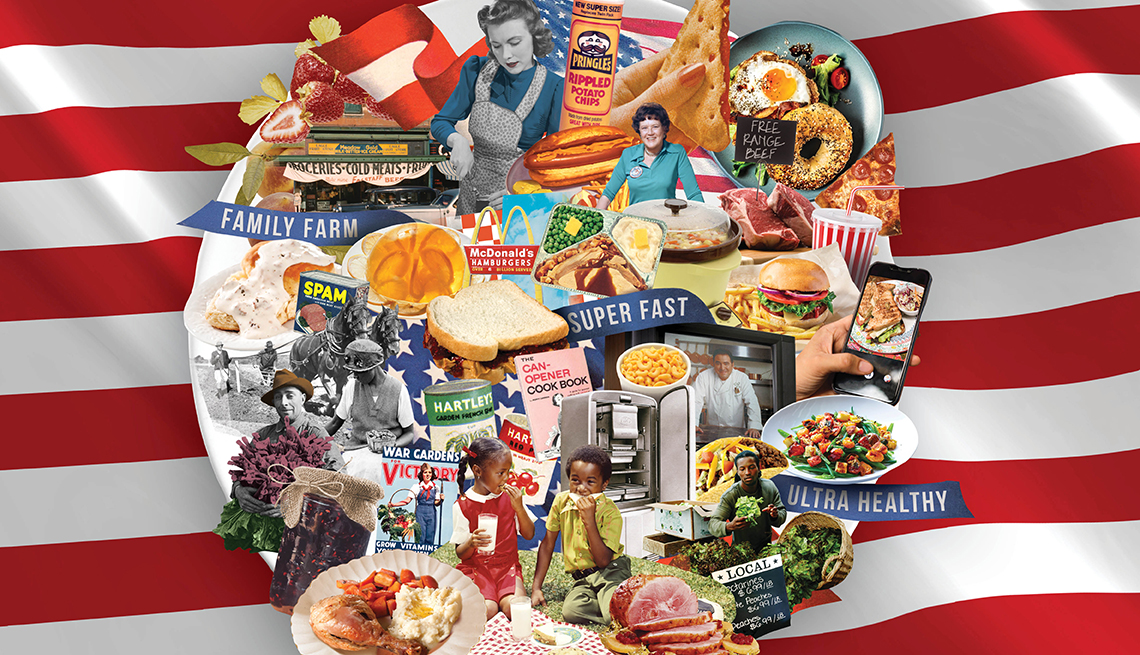
Just as a conglomerate manages a portfolio of distinct brands, the broader “American food” identity is composed of robust regional sub-brands, each with a unique market position, consumer appeal, and sensory promise. These regional identities add depth and authenticity to the national brand, showcasing its diverse facets.
Southern Comfort: BBQ, Fried Chicken, and Grits as Distinct Brand Experiences
Southern cuisine represents a particularly potent sub-brand within the American culinary landscape. Characterized by its emphasis on slow cooking, rich flavors, and a strong sense of community, dishes like barbecue, fried chicken, and grits offer a distinct brand experience. This sub-brand leverages heritage, tradition, and specific culinary techniques to differentiate itself. The marketing of Southern food often highlights its comfort factor, its historical roots, and its celebratory nature, appealing to consumers seeking warmth, tradition, and indulgent flavors. Each regional BBQ style—Memphis, Carolina, Texas—acts as a further micro-brand, demonstrating the layered branding within this segment. This provides a clear, differentiated value proposition, targeting a specific audience with an evocative narrative rooted in hospitality and soul.
Northeast Traditions: Clam Chowder and Lobster Rolls as Heritage Brands
In contrast, the culinary traditions of the Northeast, with staples like clam chowder, lobster rolls, and maple syrup, function as heritage brands. These foods often emphasize freshness, quality seafood, and a connection to maritime history and New England charm. The brand narrative here revolves around authenticity, local sourcing, and a timeless quality that resonates with consumers valuing tradition and artisanal craftsmanship. The seasonal availability of certain ingredients, like fresh lobster, further enhances their premium brand perception. These dishes often command a higher market price, reflecting their artisanal preparation and connection to a specific, revered geographical origin, akin to a Protected Designation of Origin label.
The Southwest Blend: Tex-Mex and Californian Fusion as Innovative Brand Extensions
The Southwest and California represent the more innovative and adaptive edges of the American food brand portfolio. Tex-Mex, a vibrant fusion of Mexican and American influences, has created a widely popular sub-brand known for its bold flavors, communal dining, and colorful presentation. Californian cuisine, meanwhile, often acts as a trendsetter, emphasizing fresh, local, and often health-conscious ingredients, with a strong leaning towards Asian and Latin American fusion. These sub-brands are often seen as modern, dynamic, and reflective of evolving dietary preferences and multicultural influences. They continually push the boundaries of flavor and presentation, acting as crucial engines for the American food brand’s ongoing relevance and growth, particularly appealing to younger, more adventurous demographics.
The Authenticity Paradox: Brand Truths vs. Market Perception
The journey of many “American” foods reveals an intriguing “authenticity paradox”—the tension between their actual historical origins and the carefully constructed brand narratives that shape public perception.
Origin Stories vs. Brand Narratives: Navigating Historical Realities
Many foods celebrated as “American” have complex origin stories that stretch far beyond U.S. borders. Pizza, tacos, sushi, and pho have all become American staples, adapted and re-interpreted to suit local tastes and preferences. The brand narrative, however, often simplifies these histories, presenting them as fully integrated or even indigenous creations. This isn’t about deception but about branding efficiency; a straightforward, compelling narrative is often more marketable than a convoluted historical account. The challenge for brands in this space is to navigate the balance between celebrating the cultural integration of these foods and acknowledging their diverse roots. Savvy brands increasingly embrace the fusion story, highlighting the innovative spirit of American cuisine as a melting pot rather than trying to claim sole ownership. This “inclusive authenticity” resonates better with a diverse, globally aware consumer base.
From Immigrant Sustenance to National Treasure: The Rebranding Journey
The rebranding journey of immigrant foods from niche ethnic fare to mainstream “national treasures” is a powerful case study in cultural integration and brand evolution. Foods like bagels (Jewish immigrants), pizza (Italian immigrants), and tacos (Mexican immigrants) initially served specific communities but gradually transcended their original contexts. Through entrepreneurship, adaptation to local palates, and effective marketing (often through restaurant chains and mass production), these foods shed their “foreign” label and became part of the broader American food brand. This process demonstrates how a brand can evolve through cultural osmosis, expanding its market appeal and eventually becoming synonymous with the national identity. It’s a testament to the dynamic nature of the “American” brand, constantly incorporating and re-contextualizing external influences.
The Future of the American Food Brand: Innovation, Inclusivity, and Global Reach
The “American food” brand is in a perpetual state of flux, driven by culinary innovation, a growing emphasis on inclusivity, and its ever-expanding global footprint. The future promises a brand that is even more diverse, dynamic, and globally influential.
Beyond the Classics: New Icons for a Modern Brand
While classics like hamburgers endure, the American food brand is continuously generating new icons. The rise of craft beer, artisanal coffee culture, gourmet food trucks, and the plant-based movement all represent emerging sub-brands within the broader American culinary identity. These movements emphasize quality, ethical sourcing, innovation, and experiential dining, appealing to a consumer base that values provenance and unique experiences. They demonstrate the brand’s capacity for self-renewal, showing that the “American food” brand is not static but continually evolving to reflect changing societal values and consumer preferences. These new trends ensure the brand remains relevant and exciting, attracting new generations of consumers who seek novelty and authenticity beyond traditional offerings.
Exporting the Brand: American Cuisine on the Global Stage
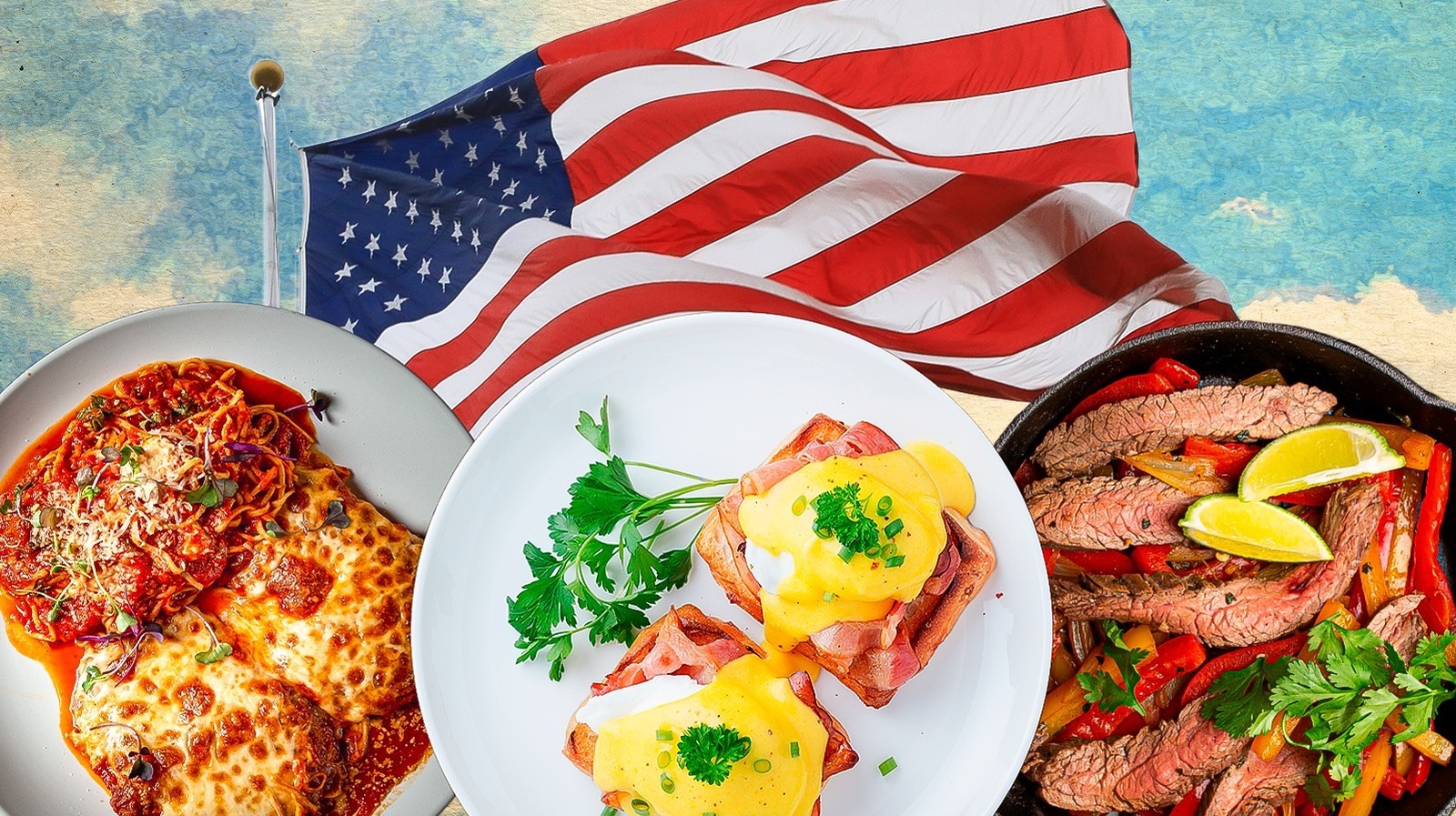
The global reach of American food is undeniable. Beyond the ubiquitous presence of fast-food chains, American culinary innovation, chefs, and dining concepts increasingly influence global palates. Fine dining American chefs are gaining international acclaim, showcasing a sophisticated side of the brand that challenges stereotypes. Furthermore, the American approach to food marketing—emphasizing convenience, quality, and a diverse range of options—continues to shape food trends worldwide. As American culture permeates global markets, so too does its food, further solidifying and expanding the “American food” brand identity. This global expansion isn’t just about exporting products but about exporting a culinary philosophy that embraces innovation, fusion, and accessibility, cementing its place as a powerful and enduring global brand.
aViewFromTheCave is a participant in the Amazon Services LLC Associates Program, an affiliate advertising program designed to provide a means for sites to earn advertising fees by advertising and linking to Amazon.com. Amazon, the Amazon logo, AmazonSupply, and the AmazonSupply logo are trademarks of Amazon.com, Inc. or its affiliates. As an Amazon Associate we earn affiliate commissions from qualifying purchases.