
Raspberry cordial, at its most fundamental, is a concentrated fruit syrup typically made from raspberries, sugar, and water, often with a citric acid component to enhance flavor and act as a preservative. However, to truly understand “what it is,” especially from a brand perspective, requires delving far beyond its basic ingredient list. It’s a category brand—a product type that has cultivated a distinct identity, market positioning, and consumer perception over generations, evolving into a cultural touchstone within the beverage industry. From its historical lineage to its modern marketing complexities, raspberry cordial embodies a fascinating case study in how a simple product can establish a enduring brand presence and carve out a unique niche in the competitive landscape.

The Essence of a Category Brand: Defining Raspberry Cordial
The identity of raspberry cordial as a category brand is shaped by its sensory profile, its historical context, and the inherent benefits it offers consumers. Unlike a proprietary brand that owns a unique name, “raspberry cordial” defines a shared expectation and experience that competing manufacturers aim to fulfill and differentiate within.
Historical Roots and Cultural Resonance
The concept of fruit cordials dates back centuries, initially as medicinal elixirs before evolving into refreshing beverages. Raspberry, with its vibrant color and distinct sweet-tart flavor, quickly became a favored fruit for these concentrates. This long history imbues raspberry cordial with a certain nostalgic appeal. For many, it evokes memories of childhood, simpler times, or traditional family gatherings. This deep-seated cultural resonance is a powerful, unstated brand asset. Manufacturers leverage this by associating their products with heritage, authenticity, and a sense of timeless pleasure. The brand identity of “raspberry cordial” is therefore not merely about taste but also about the emotional landscape it occupies, connecting generations through a shared beverage experience. This legacy provides a strong foundation upon which individual brands build their specific narratives, often emphasizing traditional recipes, artisanal processes, or a “taste of home.”
Sensory Branding: Flavor, Aroma, and Color
The core of any food or beverage brand lies in its sensory attributes, and for raspberry cordial, these are particularly pronounced. The intensely fruity and often sweet taste, balanced by a subtle tartness, is its primary identifier. The aroma is unmistakably raspberry, fresh and inviting. Crucially, its vivid ruby-red or deep crimson color is perhaps its most iconic visual cue, signaling both its fruit base and its refreshing potential. These sensory elements aren’t just product features; they are foundational brand elements. Consistent delivery of these attributes builds consumer trust and recognition. Any brand producing a “raspberry cordial” must meet these sensory expectations while striving to subtly differentiate through nuanced flavor profiles—perhaps a more intense fruitiness, a sweeter finish, or a brighter tartness. Packaging and marketing materials consistently highlight this visual and gustatory appeal, ensuring the consumer immediately recognizes and anticipates the experience. The sensory journey from seeing the color to smelling the aroma to tasting the flavor forms a critical part of the overall brand experience.
Functional and Emotional Benefits
The brand “raspberry cordial” offers both functional and emotional benefits. Functionally, it serves as a versatile drink base, easily diluted with still or sparkling water to create a refreshing beverage, or used as an ingredient in cocktails, mocktails, and desserts. It provides hydration and a pleasant taste experience. Emotionally, its appeal is more profound. It offers comfort, nostalgia, and a sense of indulgence. For parents, it’s often seen as a wholesome alternative to carbonated soft drinks, providing a fruity treat without excessive artificiality (depending on the brand). The act of preparing a cordial drink can also be a simple ritual, a moment of pause and enjoyment. These dual benefits are central to its lasting appeal and form the bedrock of its brand equity, allowing individual brands within the category to tailor their messaging to specific consumer needs and desires, whether it’s convenience, health perception, or pure sensory pleasure.
Crafting Identity: Marketing and Positioning Raspberry Cordial
While the general category “raspberry cordial” has an inherent identity, individual brands within this segment must actively craft and communicate their unique value proposition. This involves strategic marketing, thoughtful design, and compelling storytelling to stand out in a crowded market.
Target Demographics and Lifestyle Alignment
Understanding who consumes raspberry cordial is critical for effective branding. Traditionally, it has appealed to families, particularly children, due to its sweet and approachable flavor. However, the market has expanded to include adults seeking non-alcoholic sophistication, mixologists looking for versatile cocktail ingredients, and health-conscious consumers opting for natural fruit-based options. Brands strategically position themselves by aligning with specific lifestyles. A brand targeting families might emphasize natural ingredients and fun, vibrant packaging. A premium brand might highlight artisanal production, exotic raspberry varietals, or suitability for gourmet pairings, appealing to a more discerning adult palate. Lifestyle marketing might connect the cordial with outdoor picnics, cozy evenings, or celebratory toasts, expanding its perceived utility and emotional resonance beyond simple refreshment. This segmentation allows brands to speak directly to their desired audience, strengthening their specific brand identity within the broader cordial category.
Packaging and Visual Design
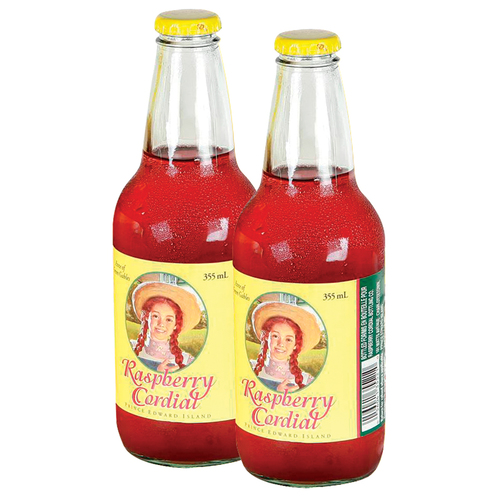
For a product like raspberry cordial, packaging is paramount. It’s the primary brand ambassador on the shelf, communicating quality, flavor profile, and brand personality at a glance. The visual design of a bottle—its shape, label design, color palette, and typography—plays a critical role in differentiating one raspberry cordial from another. A classic, elegant bottle might convey heritage and premium quality, while a vibrant, playful design could target a younger, family-oriented demographic. Transparent bottles often highlight the attractive color of the cordial, reinforcing the sensory appeal. Label information, such as “real fruit,” “no artificial colors,” or “ethically sourced,” further shapes consumer perception and trust. The visual identity must be consistent across all touchpoints, from the physical bottle to digital advertisements, ensuring immediate recognition and reinforcing the brand’s unique narrative within the raspberry cordial category. Effective design doesn’t just display the product; it tells a story and sets an expectation.
Storytelling and Heritage Marketing
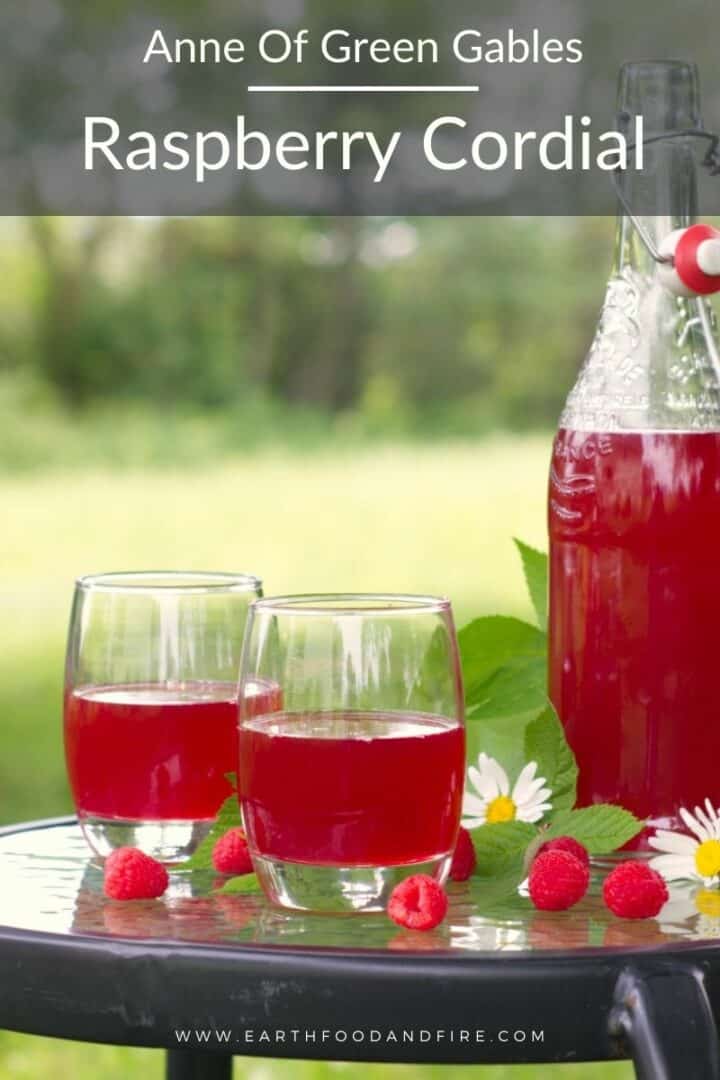
In a category with a long history like cordial, storytelling becomes a powerful branding tool. Many raspberry cordial brands build their identity around a rich narrative, whether it’s the story of a founding family, a unique geographical origin, or a traditional recipe passed down through generations. Heritage marketing taps into consumers’ desire for authenticity and connection. Brands might highlight their commitment to sustainable farming, the careful selection of premium raspberries, or a time-honored production process that sets them apart. This narrative helps to differentiate the brand beyond mere price or basic ingredients, creating an emotional bond with the consumer. For instance, a brand might tell the story of a specific raspberry farm known for its superior fruit, or describe the meticulous process of pressing and sweetening the berries. This emotional engagement transforms the product from a commodity into an experience, elevating its perceived value and fostering brand loyalty within the “raspberry cordial” space.
Navigating the Competitive Landscape: Differentiation Strategies
The market for raspberry cordial is diverse, with numerous players ranging from multinational beverage corporations to small artisanal producers. Effective brand strategy hinges on clear differentiation to capture and retain market share.
Premiumization vs. Mass Market Appeal
Brands within the raspberry cordial category often adopt distinct market positions. Some aim for mass market appeal, focusing on affordability, widespread availability, and consistent, familiar flavor profiles. These brands typically compete on price and convenience, often found in major supermarkets and emphasizing broad consumer accessibility. Their branding tends to be straightforward, highlighting refreshment and value. On the other hand, a significant trend in the beverage industry is premiumization. Premium raspberry cordial brands differentiate themselves by focusing on higher-quality ingredients (e.g., organic raspberries, natural sweeteners, no artificial additives), artisanal production methods, and sophisticated packaging. They target consumers willing to pay more for perceived superior taste, health benefits, or an elevated experience. Their branding emphasizes exclusivity, craftsmanship, and a gourmet sensibility, often positioning the cordial as a mixer for cocktails or a sophisticated non-alcoholic option. This dual approach allows the “raspberry cordial” category to cater to a broad spectrum of consumer preferences and price points.
Innovation and Line Extensions
To maintain relevance and capture new consumer segments, raspberry cordial brands continuously innovate. This can take several forms: introducing new flavor combinations (e.g., raspberry-lime, raspberry-ginger), offering sugar-free or low-sugar variants, or developing organic and all-natural lines to meet growing health consciousness. Line extensions might include ready-to-drink raspberry cordial beverages, or even culinary applications like raspberry cordial reductions for desserts. Such innovations allow brands to refresh their image, attract new demographics, and increase shelf presence. For instance, a brand might launch a “sparkling raspberry cordial” in single-serve bottles, catering to the grab-and-go market. The key is to extend the brand’s appeal without diluting its core identity or confusing its existing customer base, ensuring that the essence of “raspberry cordial” remains intact while evolving to meet contemporary demands.
Digital Presence and Consumer Engagement
In the modern era, a strong digital presence is crucial for any brand, including those in the raspberry cordial category. This includes engaging social media campaigns, informative websites showcasing heritage and product benefits, and e-commerce platforms. Brands leverage digital channels to share recipes, demonstrate versatility, run contests, and directly interact with consumers. User-generated content, such as photos of creative drinks made with their cordial, can be incredibly powerful in building community and authenticity. Influencer marketing, partnering with food bloggers or lifestyle influencers, also plays a role in reaching niche audiences and showcasing the product in aspirational settings. Through these digital strategies, brands can foster a deeper connection with their audience, build brand loyalty, and gather valuable feedback that can inform future product development and marketing efforts, ensuring the “raspberry cordial” brand remains vibrant and relevant.
The Brand’s Lifecycle: Evolution and Enduring Appeal
The longevity of “raspberry cordial” as a category brand speaks to its adaptability and its ability to continually redefine its value proposition in a changing market. Its lifecycle is marked by evolution rather than stagnation.
Adapting to Health Trends and Sustainability
Modern consumers are increasingly health-conscious and environmentally aware. Raspberry cordial brands must adapt to these trends to remain competitive and socially responsible. This means developing lower-sugar or naturally sweetened options, promoting transparency about ingredients, and highlighting sustainable sourcing practices for raspberries and packaging. Brands that can credibly communicate their commitment to natural ingredients, ethical production, and eco-friendly packaging gain a significant advantage, appealing to a segment of consumers who align their purchasing decisions with their values. For example, a brand might secure organic certification, partner with fair-trade raspberry growers, or switch to recyclable glass bottles, all of which enhance its brand image and market appeal. This adaptation ensures the “raspberry cordial” brand evolves from a simple sweet drink to a responsible and health-attuned choice.
Global vs. Local Branding
While raspberry cordial enjoys broad appeal, its branding can vary significantly depending on local cultural contexts and preferences. In some regions, it might be a nostalgic, traditional beverage, while in others, it could be positioned as a gourmet import or a versatile cocktail ingredient. Brands must consider whether to adopt a globalized, standardized branding approach or to tailor their messaging and product variations to suit specific local markets. A global brand might maintain a consistent visual identity but adapt its advertising copy to reflect local traditions, while a local brand might lean heavily on regional heritage and flavors. The ability to navigate these cultural nuances without losing the core essence of “raspberry cordial” is key to successful international expansion and maintaining relevance across diverse geographies.
The Future of Raspberry Cordial as a Brand Category
The future of raspberry cordial as a brand category appears robust, driven by its inherent appeal, versatility, and the continuous innovation within the beverage industry. As consumers seek more sophisticated non-alcoholic options, natural fruit flavors, and authentic experiences, raspberry cordial is well-positioned for growth. Brands will likely continue to explore premiumization, functional benefits (e.g., added vitamins or antioxidants), and novel usage occasions. The emphasis on sustainability, transparent sourcing, and innovative packaging will intensify. Ultimately, “what is raspberry cordial” will continue to be defined not just by its composition but by its evolving brand identity—a product that skillfully balances tradition with innovation, catering to both nostalgic comfort and contemporary desires, ensuring its enduring presence in the global beverage landscape.
aViewFromTheCave is a participant in the Amazon Services LLC Associates Program, an affiliate advertising program designed to provide a means for sites to earn advertising fees by advertising and linking to Amazon.com. Amazon, the Amazon logo, AmazonSupply, and the AmazonSupply logo are trademarks of Amazon.com, Inc. or its affiliates. As an Amazon Associate we earn affiliate commissions from qualifying purchases.