
In the annals of television history, certain narrative events transcend mere plot points to become cultural touchstones, sparking widespread debate, analysis, and fan outpouring. The temporary demise of Brian Griffin, the intellectual, martini-swilling canine from the animated sitcom Family Guy, in the Season 12 episode “Life of Brian” (November 24, 2013), stands as a prime example of such an event. What appeared on the surface to be a shocking and permanent character exit was, in fact, a meticulously orchestrated strategic move by a mature media brand. Far from a simple narrative decision, Brian’s “death” and subsequent resurrection offered a compelling, if controversial, case study in brand engagement, audience manipulation, and the intricate dance between content creators and their loyal viewership. This incident wasn’t just about an episode of television; it was a potent demonstration of how established brands leverage narrative tension, fan loyalty, and digital communication to generate unprecedented buzz, reinforce their relevance, and ultimately strengthen their brand identity.

The Shockwave Heard Around the Fandom: A Brand’s Calculated Risk
The decision to seemingly kill off a core character like Brian Griffin was not taken lightly within the Family Guy production team, nor was its impact on the show’s massive global fanbase underestimated. This was a calculated risk, a deliberate disruption designed to jolt the audience and reignite conversations around a long-running series.
The Narrative Context: Brian Griffin’s End
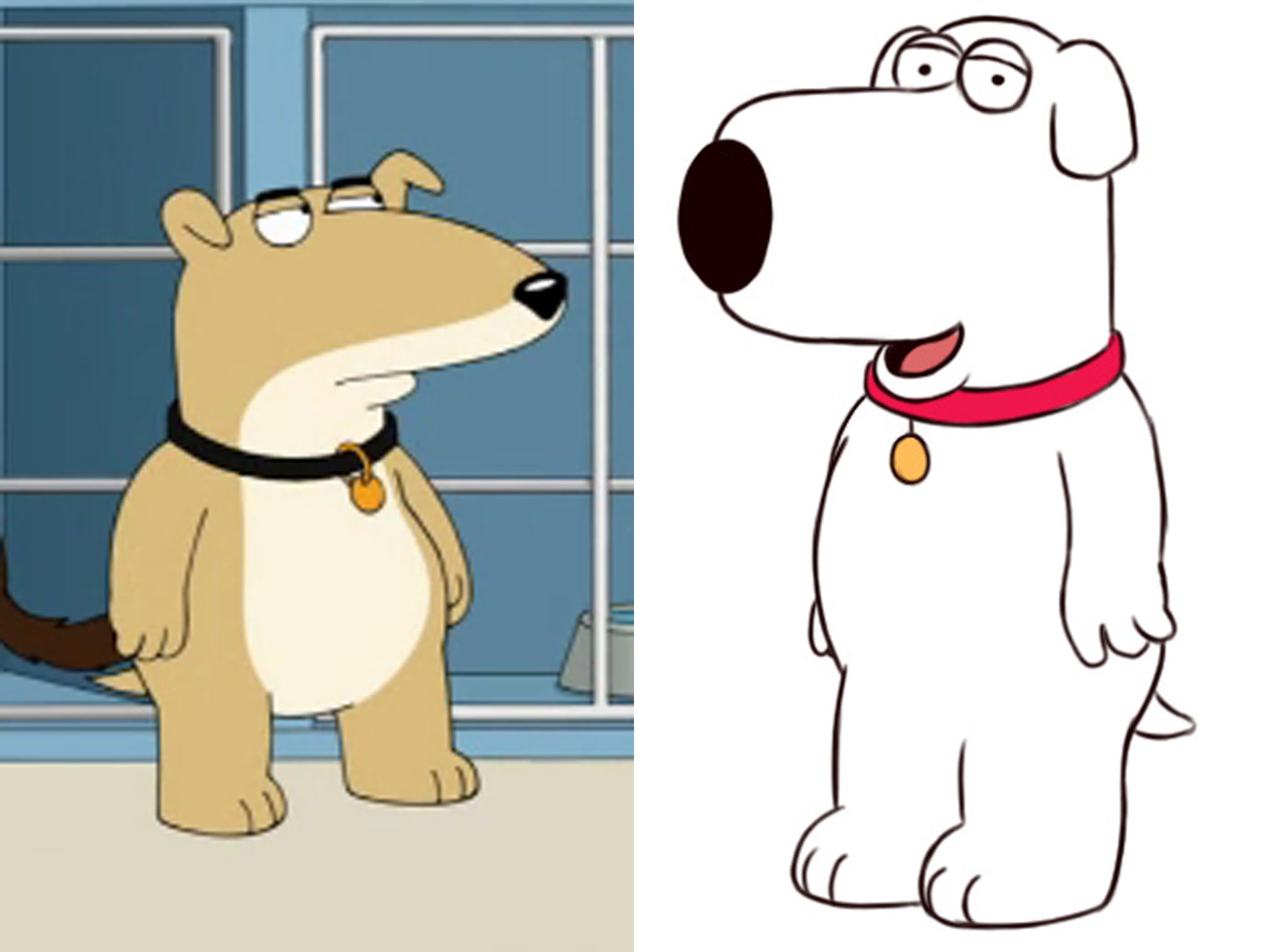
For over a decade, Brian Griffin had been more than just a talking dog; he was the sophisticated foil to Peter Griffin’s buffoonery, the intellectual heart of many episodes, and a central figure in the show’s often-surreal dynamics. His relationship with Stewie, in particular, formed one of the most beloved and complex pairings in modern animation. To abruptly remove such a foundational character, run over by a car in a seemingly mundane street accident, was designed to be deeply unsettling. The immediate introduction of Vinny, a new dog voiced by Tony Sirico, within the same episode, further cemented the illusion of permanence, suggesting a genuine, albeit ruthless, shift in the show’s core dynamic. This swift replacement tactic aimed to foreclose immediate hopes of a quick return, intensifying the sense of loss and brand disruption.
Initial Fan Reaction: Loyalty Tested
The outcry was immediate and immense. Social media platforms, nascent but powerful in 2013, exploded with reactions ranging from genuine heartbreak and anger to outright threats to boycott the show. Hashtags like #BringBackBrian trended worldwide. Online petitions garnered hundreds of thousands of signatures, reflecting a deep emotional investment fans had cultivated with the character over many years. This visceral response underscored a critical truth about established brands: audiences develop a profound, almost personal, relationship with their long-standing assets – be they characters, products, or services. Testing this loyalty through such a dramatic narrative twist revealed the strength of the emotional contract Family Guy had built with its viewers. For the brand, this wasn’t just negative feedback; it was a loud validation of Brian’s importance and, by extension, the show’s overall impact. It demonstrated that the audience cared deeply, which, for any brand, is a desirable problem to have.
Engineering Buzz: Leveraging Controversy for Brand Visibility
The Family Guy team, under Seth MacFarlane’s creative direction, understood the power of a well-executed media stunt. Brian’s “death” wasn’t just a creative choice; it was a masterclass in generating public relations and social media buzz, strategically timed to draw attention to the show during a competitive television season.
The Art of the Media Stunt: A Planned “Death”
The decision to kill off Brian was a closely guarded secret, adding to the shock value. The producers meticulously maintained the illusion of permanence, giving interviews discussing the difficulty of the decision and hinting at a definitive end. This deliberate misinformation, while controversial, served a clear purpose: to maximize the impact of the narrative event and subsequent media coverage. It leveraged human psychology – our innate curiosity and strong emotional responses to loss – to create a narrative that extended far beyond the confines of the television screen. For a brand, manufacturing such a widespread conversation, even if initially negative, is a powerful way to cut through the noise and ensure continued relevance and top-of-mind awareness. It forced media outlets to cover the story, not just as entertainment news, but as a significant cultural moment.
Social Media as a Barometer and Amplifier
The year 2013 marked a pivotal era for social media’s role in amplifying brand narratives. Platforms like Twitter and Facebook became instantaneous public forums where fans could express their grief, anger, and theories in real-time. The sheer volume of discussion surrounding Brian’s death served as a powerful, free marketing campaign. It was a real-time focus group, demonstrating the depth of fan investment and providing invaluable data on audience sentiment. Crucially, the brand wasn’t just observing; it was benefiting from the amplification. Every tweet, every news article discussing the outrage, every “Bring Brian Back” petition, kept Family Guy squarely in the public consciousness, ensuring that even casual viewers were aware of the show and its dramatic developments. This organic, user-generated content proved far more impactful than traditional advertising, demonstrating the profound leverage social platforms offer modern brands.
The Anatomy of Brand Loyalty: Why Brian Mattered
The intense fan reaction to Brian’s temporary removal was a testament to the profound brand loyalty Family Guy had cultivated over its long run. It wasn’t just about a character; it was about the brand’s ability to forge deep emotional connections with its audience.

Character as a Core Brand Asset
In a long-running narrative brand like Family Guy, characters are not merely story elements; they are core brand assets. Brian Griffin, with his distinct voice, philosophical musings, and often misguided romantic pursuits, had developed a unique brand persona within the larger Family Guy universe. He represented a certain type of intellectual pretension mixed with genuine warmth, making him relatable and endearing to a significant segment of the audience. His “death” was perceived as the removal of a vital component of the show’s brand identity, a piece of its fundamental DNA. The brand essentially tested how much of its core identity it could temporarily shed before risking irreversible damage to its established equity. The resounding negative feedback highlighted just how integral Brian was to the audience’s perception of the Family Guy brand.
The Emotional Contract with the Audience
Brands, especially those in entertainment, thrive on an unwritten emotional contract with their audience. This contract implies a certain level of consistency, familiarity, and respect for established relationships – both between characters and between the audience and the characters. Brian’s death was a breach of this contract, perceived by many as a betrayal of trust. Fans felt their investment, their years of loyalty, were being disregarded. This powerful emotional response illustrates the delicate balance brands must maintain between innovation and tradition. While disruption can generate buzz, it must be handled with an acute awareness of the existing emotional bonds. The public outcry was a clear signal that Family Guy had crossed a line, albeit one from which it could, and did, strategically retreat. It demonstrated that loyalty, once earned, becomes a powerful force that brands must honor, even as they seek to evolve.
Strategic Resurrection: Reinforcing Brand Value and Audience Trust
Just as suddenly as he departed, Brian Griffin made his triumphant return in the episode “Christmas Guy,” airing just three weeks after his “death.” His resurrection, facilitated by Stewie’s time machine, was met with a collective sigh of relief and, for many, a renewed sense of loyalty. This orchestrated return was as strategic as his initial exit, aimed at consolidating the brand’s position and demonstrating its responsiveness to its audience.
The Return and Its Impact on Brand Perception
Brian’s return was presented as a Christmas miracle, a narrative device that allowed the brand to restore its core asset without losing face entirely. It validated the fans’ emotional investment, showing that their voices were heard and that the brand, ultimately, cared about its community. This act of “listening” and “responding” can be incredibly powerful for brand perception. It transforms what could have been a permanent alienation into a reinforced bond. The narrative provided a sense of closure and relief, effectively transforming the initial negative sentiment into a positive reaffirmation of the show’s brand identity and its relationship with its audience. The short duration of his absence further amplified the strategic nature of the stunt, preventing long-term damage while maximizing short-term impact.
Long-Term Implications for Storytelling and Fan Engagement
The entire “Brian’s death” saga left an indelible mark on Family Guy‘s brand strategy. It demonstrated the show’s willingness to take bold narrative risks, albeit with a safety net. It also underscored the enduring power of its characters and the deeply personal connection fans have with them. In the long run, this event likely strengthened the brand by proving its ability to generate massive cultural conversation and by showing a capacity for responsiveness. While some might view it as manipulative, it undeniably solidified Family Guy‘s reputation as a brand that understands its audience and knows how to create memorable moments, whether through humor, shock, or heartfelt storytelling. It also subtly redefined the boundaries of narrative possibility within the show, implying that nothing is truly off-limits, yet reassuring fans that core elements will eventually be preserved.
Lessons for Modern Brands: Beyond Quahog’s Canine Conundrum
The “What episode did Brian die in Family Guy” incident, while specific to an animated sitcom, offers universal lessons for contemporary brands navigating a complex, always-on media landscape. It provides a blueprint for understanding the power of narrative, the criticality of audience engagement, and the strategic deployment of risk.
Balancing Innovation with Audience Expectations
The primary takeaway is the delicate balance every brand must strike between innovation and maintaining audience expectations. While continuous evolution and fresh content are crucial for staying relevant, brands must also understand their foundational elements – those core values, characters, or features that define them and resonate deeply with their loyal customers. Disruption can be a powerful tool for growth and attention, but it must be wielded with an understanding of the emotional investment stakeholders have made. Brands like Family Guy that have built a loyal following over decades have a reservoir of goodwill, but even that can be depleted if core promises are repeatedly broken. The challenge lies in introducing novelty without alienating the base.
The Power of Story in Building Enduring Brands
Ultimately, Brian’s temporary departure and triumphant return underscore the enduring power of storytelling in building and maintaining strong brands. Whether it’s a fictional narrative, a brand’s origin story, or the journey of a product, compelling stories create emotional resonance and foster deeper connections than mere features or functionalities. The Family Guy event wasn’t just a plot twist; it was a story about loss, grief, hope, and reunion, meticulously crafted to elicit specific emotional responses and generate a memorable brand experience. Modern brands, regardless of their industry, can learn from this by focusing on crafting narratives that resonate with their audience, evoke strong emotions, and create memorable touchpoints that extend beyond transactional interactions. The question “What episode did Brian die?” evolved into a question about brand strategy, demonstrating how a singular event can become a powerful case study in the art of building an enduring and engaging brand.
aViewFromTheCave is a participant in the Amazon Services LLC Associates Program, an affiliate advertising program designed to provide a means for sites to earn advertising fees by advertising and linking to Amazon.com. Amazon, the Amazon logo, AmazonSupply, and the AmazonSupply logo are trademarks of Amazon.com, Inc. or its affiliates. As an Amazon Associate we earn affiliate commissions from qualifying purchases.