
Hydrochlorothiazide (HCTZ) is a widely recognized medication, a diuretic commonly prescribed to treat high blood pressure (hypertension) and fluid retention (edema) caused by various conditions. While its primary role is undeniably medical, understanding “what is hydrochlorothiazide” extends far beyond its pharmacological action into the significant financial implications it carries for individuals, healthcare systems, and the pharmaceutical market. This article delves into the economic facets of hydrochlorothiazide, examining its cost-effectiveness, market dynamics, and the broader financial strategies associated with managing chronic conditions that necessitate such a medication. By exploring this common drug through a financial lens, we uncover crucial insights into healthcare expenditure, investment opportunities, and personal financial planning in the realm of health.
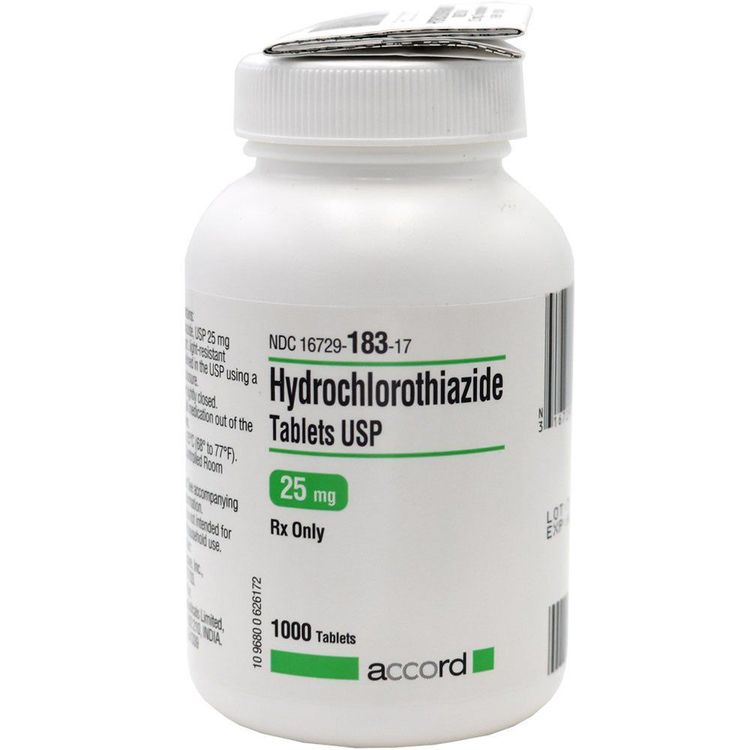
The Financial Burden of Chronic Conditions and the Role of Hydrochlorothiazide
Chronic conditions like hypertension are pervasive globally, imposing substantial financial strain on individuals and national economies. Hydrochlorothiazide, often a first-line treatment, plays a critical role not just in managing these conditions clinically, but also in influencing the overall financial landscape of healthcare. Its widespread use underscores its economic significance, making it a cornerstone in discussions about healthcare costs and sustainable financial management for long-term health.
Healthcare Costs: A Macro and Micro View
From a macro perspective, the aggregate cost of treating chronic diseases, including the expenditure on essential medications like hydrochlorothiazide, runs into trillions of dollars annually worldwide. Governments and healthcare providers grapple with balancing universal access to care with fiscal responsibility. On a micro level, for individuals, managing a chronic condition involves a multifaceted financial outlay encompassing prescription costs, doctor visits, diagnostic tests, and potential time off work. Hydrochlorothiazide, being an affordable generic drug, significantly contributes to cost containment compared to more expensive branded alternatives or newer drug classes. This affordability is a key factor in its continued preference as a starting therapy, especially in healthcare systems prioritizing cost-effectiveness. Its financial impact is observed in reduced hospitalizations for complications related to uncontrolled hypertension or edema, thereby preventing more severe and expensive interventions in the long run.
Insurance Coverage and Out-of-Pocket Expenses
The financial relief offered by hydrochlorothiazide is heavily intertwined with insurance coverage. For many, health insurance plans cover a significant portion, if not all, of the cost of generic medications. This typically places hydrochlorothiazide in the lowest co-pay tier, making it highly accessible. However, the exact out-of-pocket expenses vary widely depending on the insurance provider, plan specifics, deductibles, co-insurance, and whether the patient has reached their out-of-pocket maximum. Individuals without adequate insurance or those on high-deductible plans may still face considerable financial pressure, despite the drug’s relatively low price point. This highlights a persistent challenge in personal finance: even affordable medications can become a barrier to adherence if not adequately supported by insurance or other financial aid mechanisms. Understanding one’s insurance formulary and benefit structure is crucial for predicting and managing these costs effectively.
The Impact on Household Budgets
For households managing chronic conditions, medication costs, however small individually, accumulate over time. A monthly co-pay of $5-$10 for hydrochlorothiazide might seem negligible, but when combined with other prescriptions, specialist visits, and lifestyle adjustments, the cumulative effect can strain household budgets. Moreover, the hidden costs, such as transportation to pharmacies or clinics, and the opportunity cost of time spent managing healthcare, add to the indirect financial burden. The affordability of hydrochlorothiazide is therefore not just a medical benefit but a crucial element in maintaining financial stability for millions of families. It allows for consistent management of a potentially debilitating condition without forcing impossible financial trade-offs, enabling individuals to allocate resources to other essential needs.
Hydrochlorothiazide in the Pharmaceutical Market: Generics vs. Brand Names
The pharmaceutical market is a complex ecosystem driven by innovation, patents, competition, and pricing strategies. Hydrochlorothiazide’s journey from a branded drug to a widely available generic offers a compelling case study in the economics of drug development and market dynamics, significantly impacting its price point and accessibility.
The Economics of Generic Drug Development
The development of a new drug is an arduous, multi-billion-dollar endeavor, involving extensive research, clinical trials, and regulatory approvals. Companies invest heavily, protected by patents that grant exclusive marketing rights for a period, allowing them to recoup their investments. Hydrochlorothiazide, originally marketed under brand names like HydroDIURIL or Esidrix, enjoyed this exclusivity. Once patents expire, other manufacturers can produce generic versions. The economic model for generic drug manufacturers is vastly different: they do not incur the high R&D costs of original innovation. Instead, they demonstrate bioequivalence to the original drug, a process that is significantly less expensive and faster. This reduced cost of entry directly translates into lower prices for generic drugs, fostering competition and driving down market prices dramatically, often by 80-90% or more compared to their branded predecessors. This economic structure is fundamental to making essential medications accessible to a broader population.
Pricing Strategies and Market Dynamics
The pharmaceutical market for diuretics like hydrochlorothiazide is characterized by intense competition among generic manufacturers. This competition is a primary driver of its low cost. Original brand name manufacturers, after patent expiration, might attempt to retain market share through authorized generics or by focusing on newer, patented formulations. However, the sheer volume of generic entrants typically ensures that the price of the original compound becomes extremely competitive. Pricing strategies also involve bulk purchasing by national healthcare systems, pharmacy benefit managers (PBMs), and large hospital networks, which negotiate further discounts. These large-scale purchasing agreements further push down the per-unit cost, benefiting insurers and, ultimately, patients through lower co-pays. The market for generic hydrochlorothiazide is thus a testament to the power of competition in regulating prices within the pharmaceutical industry.
Comparing Costs: Generic Hydrochlorothiazide vs. Branded Alternatives

The cost differential between generic hydrochlorothiazide and branded diuretics, or even newer classes of antihypertensives, is stark. For example, a month’s supply of generic hydrochlorothiazide can cost a few dollars, whereas a branded drug for hypertension might cost hundreds. This massive difference has significant implications for healthcare policy and personal finance. From a healthcare system perspective, prioritizing the use of cost-effective generics like hydrochlorothiazide allows for the reallocation of resources to other critical areas, or to cover a larger number of patients within a fixed budget. For individuals, opting for generic hydrochlorothiazide can save hundreds to thousands of dollars annually, providing substantial relief to personal finances and making adherence to treatment more feasible. This comparison underscores the critical role of generic drugs in making essential medical care affordable and sustainable.
Investing in the Pharmaceutical Sector: A Look at Diuretics and Related Companies
Investing in the pharmaceutical sector can be complex, offering both significant opportunities and unique risks. Companies involved in the research, development, manufacturing, and distribution of drugs like hydrochlorothiazide contribute to a vital industry. Understanding the economic forces at play, particularly concerning generic drugs, can inform investment strategies.
Pharmaceutical Stocks and Market Trends
The pharmaceutical industry is often considered a defensive sector, meaning it tends to be more stable during economic downturns due to the inelastic demand for healthcare. Companies that produce essential, widely used drugs, even generics like hydrochlorothiazide, form a foundational part of this stability. Investors looking at pharmaceutical stocks often analyze factors such as R&D pipelines, patent portfolios, regulatory approval success rates, and market share in key therapeutic areas. While blockbuster drugs often capture headlines, the steady revenue generated by staple medications like diuretics contributes significantly to the financial health of larger pharmaceutical conglomerates. Market trends, such as the aging global population and the rising prevalence of chronic diseases, also point to sustained demand for such medications, making companies in this space potentially attractive for long-term growth.
The Investment Appeal of Generic Drug Manufacturers
Generic drug manufacturers operate on a high-volume, low-margin business model. Their investment appeal lies in their ability to quickly bring bioequivalent versions of off-patent drugs to market, capitalizing on established demand without the exorbitant R&D costs of innovation. Companies specializing in generic versions of drugs like hydrochlorothiazide benefit from mature markets, predictable demand, and relatively stable production costs. The increasing pressure on healthcare systems worldwide to control costs further strengthens the position of generic manufacturers, as their products offer a cost-effective alternative. Investors interested in this segment would look for companies with a robust pipeline of generic approvals, efficient manufacturing processes, and strong distribution networks to capture market share. While individual generic drugs like hydrochlorothiazide may have low per-unit profitability, the aggregate sales across a broad portfolio can generate substantial revenue and consistent returns.
Ethical Investing and Healthcare Accessibility
For many investors, financial returns are not the only consideration. Ethical investing, or socially responsible investing (SRI), involves aligning investment choices with personal values. Investing in generic drug manufacturers can align with the ethical principle of promoting healthcare accessibility and affordability. Companies that prioritize the production and distribution of essential, low-cost medications like hydrochlorothiazide contribute directly to public health and reduce the financial burden on patients and healthcare systems. This perspective considers not just the financial performance of a company but also its societal impact, making the generic pharmaceutical sector potentially appealing for investors seeking to make a positive social contribution alongside financial gains. It represents a way to support an economic model that facilitates wider access to life-sustaining treatments.
Financial Planning for Medication Costs and Long-Term Health
Effectively managing the financial aspects of long-term health, especially when dealing with chronic conditions requiring consistent medication like hydrochlorothiazide, is a critical component of personal finance. Proactive planning can significantly mitigate stress and ensure adherence to essential treatments.
Health Savings Accounts (HSAs) and Flexible Spending Accounts (FSAs)
For individuals eligible for high-deductible health plans (HDHPs), Health Savings Accounts (HSAs) offer a powerful financial tool for managing healthcare costs. Contributions to HSAs are tax-deductible, funds grow tax-free, and withdrawals for qualified medical expenses are also tax-free. This triple-tax advantage makes HSAs ideal for covering prescription costs, including those for hydrochlorothiazide, and other medical expenses. The funds roll over year to year and can even be invested, serving as a long-term savings vehicle for future healthcare needs, including retirement medical expenses. Flexible Spending Accounts (FSAs) offer a similar pre-tax savings mechanism for medical expenses, though funds typically must be used within the plan year or a short grace period. Both HSAs and FSAs provide significant tax advantages that can make the ongoing cost of medications more manageable.
Navigating Prescription Assistance Programs
Despite the relative affordability of generic hydrochlorothiazide, some individuals may still struggle to meet prescription costs. Various patient assistance programs (PAPs) are offered by pharmaceutical companies, non-profit organizations, and government agencies to help uninsured or underinsured patients access medications. While these programs are often associated with high-cost branded drugs, some also extend support for generics. Researching and applying for these programs can provide crucial financial relief, ensuring that cost does not become a barrier to adherence for essential treatments. Understanding eligibility requirements and application processes is key to leveraging these resources effectively. Pharmacists and healthcare providers can often guide patients to relevant programs.

Long-Term Financial Projections for Chronic Disease Management
A comprehensive financial plan for individuals with chronic conditions should include long-term projections for medication and healthcare costs. This involves not just budgeting for current expenses but also anticipating future needs, potential changes in insurance coverage, and possible progression of the condition. For drugs like hydrochlorothiazide, which may be taken for life, projecting these consistent, albeit low, costs over decades requires foresight. Integrating these costs into retirement planning, emergency funds, and overall budget allocation ensures that healthcare remains a manageable expense rather than an unexpected crisis. Consulting with a financial advisor specializing in healthcare costs can provide personalized strategies, helping individuals build robust financial resilience against the ongoing demands of managing chronic health conditions.
In conclusion, “what is hydrochlorothiazide” transcends a simple medical definition to encompass a broad spectrum of financial considerations. From shaping individual household budgets and influencing insurance policy to driving competition in the pharmaceutical market and offering unique investment avenues, the economic footprint of this common diuretic is profound. Understanding these financial dimensions is not just crucial for healthcare professionals and policymakers but is equally vital for individuals striving to manage their health and wealth effectively in an increasingly complex financial landscape.
aViewFromTheCave is a participant in the Amazon Services LLC Associates Program, an affiliate advertising program designed to provide a means for sites to earn advertising fees by advertising and linking to Amazon.com. Amazon, the Amazon logo, AmazonSupply, and the AmazonSupply logo are trademarks of Amazon.com, Inc. or its affiliates. As an Amazon Associate we earn affiliate commissions from qualifying purchases.