
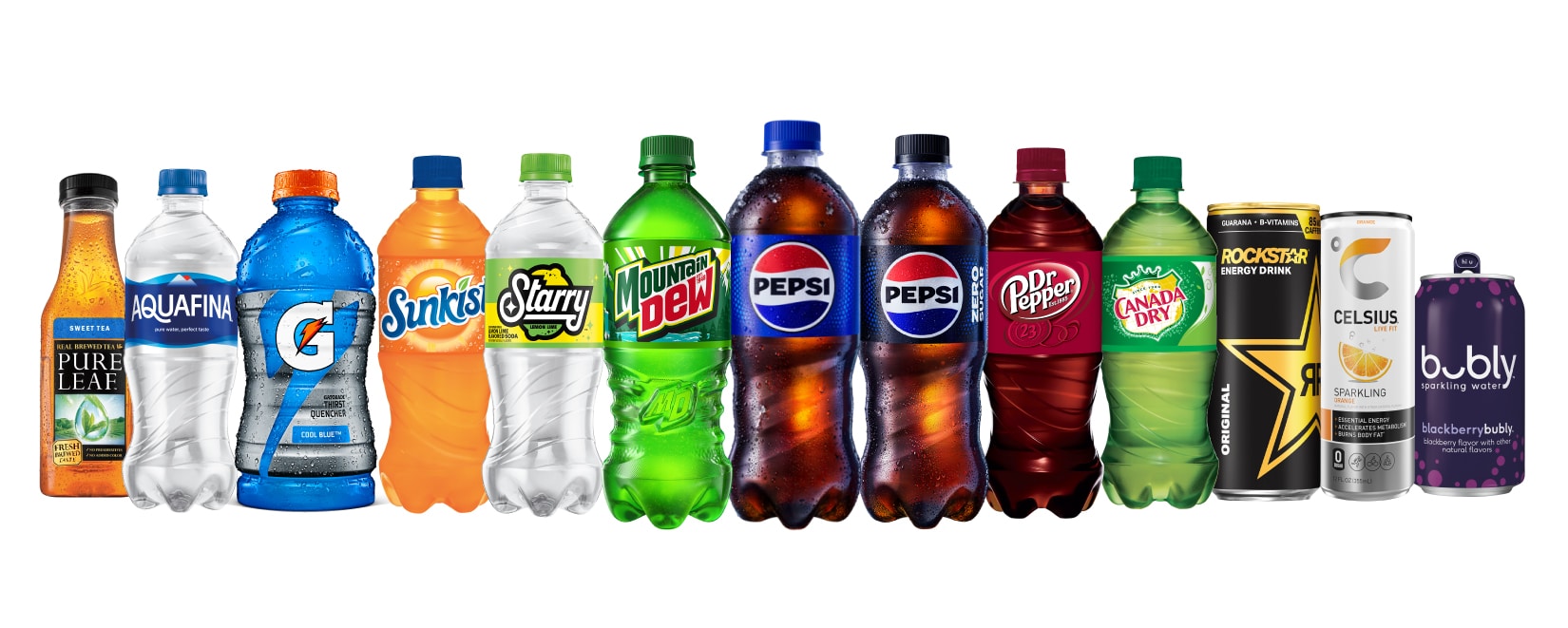
The question, “What drinks are Pepsi products?” might seem straightforward, conjuring images of the iconic blue can. However, beneath the surface of this seemingly simple query lies a vast and complex beverage empire, a testament to strategic brand building, shrewd acquisitions, and a relentless pursuit of market dominance. PepsiCo, the entity behind the Pepsi brand, is far more than just a single soda. It is a global powerhouse, a meticulously crafted brand that has diversified its offerings to cater to an ever-evolving consumer landscape. This article will delve into the intricate world of PepsiCo’s beverage portfolio, exploring the breadth of its brands, the strategic thinking behind its product development, and its enduring impact on the global beverage market. We will navigate the layers of this brand, from its flagship cola to its vast array of other popular drinks, revealing the strategic brilliance that underpins its continued success.
The Foundation: Pepsi-Cola and its Legacy
At the heart of the PepsiCo universe is, of course, Pepsi-Cola. Launched in 1893 by Caleb Bradham, initially as “Brad’s Drink,” it was rebranded as Pepsi-Cola in 1898, a name derived from “pepsin” and “cola.” Its initial marketing positioned it as a healthy tonic, a far cry from the carbonated beverage we know today. The early years were marked by fierce competition with Coca-Cola, a rivalry that would become one of the most enduring and impactful in corporate history.
The Cola Wars: A Battle for Market Share
The “Cola Wars” of the 20th century were a defining period for both PepsiCo and Coca-Cola. This intense period of advertising, product innovation, and market maneuvering shaped not only the beverage industry but also the very fabric of modern marketing. Pepsi’s strategy often involved challenging the established norm, positioning itself as the “choice of a new generation” and directly appealing to younger demographics. This was epitomized by their iconic “Pepsi Challenge” campaigns, where blind taste tests often showed consumers preferring the sweeter taste of Pepsi over Coke, a bold move that disrupted the perceived invincibility of its rival.
Diversification within the Cola Segment
While Pepsi-Cola remains its flagship, PepsiCo has strategically expanded its cola offerings to cater to diverse tastes and preferences. This includes variations designed to address evolving consumer health consciousness and flavor trends.
Diet Pepsi and Sugar-Free Alternatives
Recognizing the growing demand for reduced-sugar options, Diet Pepsi was introduced in 1964. This marked a significant early foray into the diet beverage market, proving to be a groundbreaking success and setting a precedent for other brands to follow. Over the years, Diet Pepsi has seen numerous reformulations and line extensions, including Caffeine-Free Diet Pepsi, Diet Pepsi Vanilla, and the more recent introduction of Pepsi Zero Sugar, which aims to capture consumers looking for a zero-calorie, zero-sugar cola experience without compromising on taste. This constant innovation within the core cola segment demonstrates PepsiCo’s agility in responding to market shifts and consumer demands.
Flavored Colas and Specialty Offerings
Beyond the core cola taste, PepsiCo has also experimented with a wide array of flavored colas, further segmenting its market. These include limited-time offers and more permanent additions to the lineup, such as Pepsi Wild Cherry, Pepsi Lime, and various seasonal editions. While some of these may be niche, they serve to keep the brand relevant and generate excitement among consumers, encouraging trial and brand loyalty through novelty.
Beyond the Cola: PepsiCo’s Expansive Beverage Portfolio
The true breadth of PepsiCo’s beverage empire extends far beyond its namesake cola. Through strategic acquisitions and organic growth, the company has amassed a diverse portfolio that spans across numerous categories, solidifying its position as a beverage giant. This diversification is a key pillar of its brand strategy, allowing it to tap into different consumer needs and market trends.
The Rise of Hydration: Water Brands
In response to the global shift towards healthier hydration options, PepsiCo has invested heavily in its water brands. This segment has experienced significant growth, reflecting a broader societal trend away from sugary beverages.
Aquafina: A Flagship Water Brand
Aquafina, launched in 1994, is PepsiCo’s primary bottled water brand. It is purified water, marketed with an emphasis on its crisp, clean taste and consistent quality. Aquafina has become a ubiquitous presence in the bottled water market, available in various sizes and formats, and is a significant contributor to PepsiCo’s overall beverage revenue. Its success lies in its straightforward branding and its ability to tap into the consumer desire for a pure, reliable source of hydration.
Propel: Enhanced Water for an Active Lifestyle
Propel, acquired by PepsiCo in 2001, positions itself as a fitness-oriented water. It is fortified with vitamins and electrolytes, targeting consumers who are active and seeking functional beverage benefits. Propel’s marketing emphasizes its role in supporting hydration and replenishment during physical activity, further broadening PepsiCo’s reach within the health and wellness space. The brand’s ability to appeal to a specific lifestyle segment highlights PepsiCo’s strategic approach to product differentiation.
The Thirst for Variety: Other Non-Cola Soft Drinks
PepsiCo’s influence in the soft drink market is not limited to colas. The company owns a substantial number of other popular carbonated beverages, each with its own distinct brand identity and target audience.
Mountain Dew: A Citrus-Flavored Phenomenon

Mountain Dew, acquired by PepsiCo in 1964, is a highly distinctive citrus-flavored soft drink with a cult following. Its energetic marketing campaigns, often targeted towards younger, adventurous consumers, have cemented its status as a unique and powerful brand within the carbonated soft drink landscape. Mountain Dew has also seen extensive line extensions, including Diet Mountain Dew, Code Red, Voltage, and Baja Blast, demonstrating PepsiCo’s commitment to innovating within successful sub-brands.
7UP (in select markets) and Other Lemon-Lime Sodas
While the global rights to 7UP are complex, PepsiCo is responsible for its production and distribution in many key markets outside the United States. This lemon-lime soda is a popular alternative to cola-based drinks, offering a refreshing and zesty flavor profile. The brand’s longevity speaks to its enduring appeal.
Root Beer, Cream Soda, and Ginger Ale Brands
PepsiCo’s portfolio also includes brands like Mug Root Beer and Schweppes (in certain regions), further diversifying its soft drink offerings. These brands cater to traditional soda preferences, providing consumers with a range of choices beyond the most popular categories.
Expanding Horizons: Juices, Teas, and Sports Drinks
The strategic vision of PepsiCo extends beyond carbonated beverages. The company has actively pursued growth in other high-demand drink categories through both innovation and acquisition.
Tropicana: A Leader in the Juice Market
Tropicana, acquired by PepsiCo in 1998, is one of the world’s leading brands in the chilled orange juice category. Its emphasis on freshness, quality, and a variety of fruit juice blends has made it a household name. Tropicana’s success demonstrates PepsiCo’s ability to leverage its distribution network and marketing expertise to dominate categories beyond its traditional soft drink stronghold.
Lipton Tea and Starbucks Ready-to-Drink Beverages
In a significant move to capture the growing ready-to-drink tea and coffee market, PepsiCo formed a partnership with Unilever (for Lipton) and a strategic alliance with Starbucks. This has resulted in a wide range of Lipton Iced Teas and Starbucks-branded ready-to-drink coffee beverages. These partnerships allow PepsiCo to tap into established brand equity and consumer loyalty in these burgeoning segments, further diversifying its beverage offerings and catering to a broader consumer base seeking convenient, on-the-go beverage options.
Gatorade: The Dominant Force in Sports Drinks
Gatorade, acquired by Quaker Oats Company in 2001 (which was subsequently acquired by PepsiCo), is the undisputed leader in the sports drink market. Its scientifically formulated beverages are designed to rehydrate and replenish athletes, making it a staple in sports communities worldwide. Gatorade’s enduring success is a testament to its strong brand association with athletic performance and its continuous innovation in product development, including zero-sugar options and specialized formulations.
The Brand Architecture: Strategic Brand Management and Consumer Segmentation
Understanding what drinks are Pepsi products requires an appreciation for the sophisticated brand architecture that PepsiCo employs. The company doesn’t simply sell drinks; it sells experiences, lifestyles, and solutions to diverse consumer needs. This is achieved through meticulous brand segmentation, targeted marketing, and a keen understanding of consumer psychology.
Targeting Diverse Demographics and Occasions
PepsiCo’s extensive portfolio is a deliberate strategy to reach virtually every consumer demographic and cater to every imaginable drinking occasion. From the young thrill-seeker drawn to Mountain Dew’s energy and branding, to the health-conscious individual opting for Aquafina or Propel, to the busy professional grabbing a ready-to-drink Starbucks coffee, PepsiCo has a product designed to fit seamlessly into their lives. This broad reach insulates the company from the fluctuations of any single market segment and allows for robust revenue streams.
Brand Extension and Line Innovation
PepsiCo is a master of brand extension and line innovation. Building upon the equity of established brands, they introduce new flavors, formats, and functional benefits. This strategy not only refreshes existing brands and keeps them relevant but also allows them to explore new market opportunities without the significant risk associated with launching entirely new brands from scratch. The success of numerous Diet Pepsi variations or the many flavors of Mountain Dew are prime examples of this effective approach.
Global Reach and Local Adaptation
While PepsiCo is a global entity, its success is also contingent on its ability to adapt its product offerings and marketing strategies to local tastes and cultural nuances. The specific brands available and their popular flavors can vary significantly from one country to another. This localized approach, coupled with its global distribution might, allows PepsiCo to maintain its dominance across diverse international markets, ensuring that its brands resonate with consumers worldwide.

Conclusion: A Beverage Colossus Built on Diversity and Strategy
In conclusion, the question “What drinks are Pepsi products?” opens a window into a vast and strategically managed beverage empire. It is a narrative of bold competition, relentless innovation, and a profound understanding of consumer desires. From its foundational cola to its expansive offerings in water, tea, coffee, juices, and sports drinks, PepsiCo has built a brand architecture that is both diverse and deeply integrated. Its success is not merely a result of producing popular beverages but of a deliberate and ongoing commitment to brand strategy, consumer segmentation, and market adaptation. As consumer preferences continue to evolve, PepsiCo’s ability to innovate and diversify its portfolio will undoubtedly remain the cornerstone of its enduring presence in the global beverage market. The blue can of Pepsi is just the tip of an iceberg, a powerful symbol of a corporate giant that has mastered the art of quenching the world’s thirst in myriad ways.
aViewFromTheCave is a participant in the Amazon Services LLC Associates Program, an affiliate advertising program designed to provide a means for sites to earn advertising fees by advertising and linking to Amazon.com. Amazon, the Amazon logo, AmazonSupply, and the AmazonSupply logo are trademarks of Amazon.com, Inc. or its affiliates. As an Amazon Associate we earn affiliate commissions from qualifying purchases.