
Pride, an often-misunderstood human emotion, has been a subject of profound theological and philosophical exploration for millennia. When delving into the biblical narrative, the concept of pride is consistently presented not as a mere inflated ego, but as a dangerous spiritual malady, a foundational sin that has led to the downfall of individuals, nations, and even celestial beings. The scriptures offer a comprehensive and unflinching perspective on pride, dissecting its origins, its insidious nature, its detrimental consequences, and the divine remedy prescribed for its eradication. This exploration will navigate the biblical discourse on pride, examining its theological weight, its impact on human relationships and spiritual well-being, and the path towards humility and genuine self-worth.
The Biblical Definition and Origin of Pride
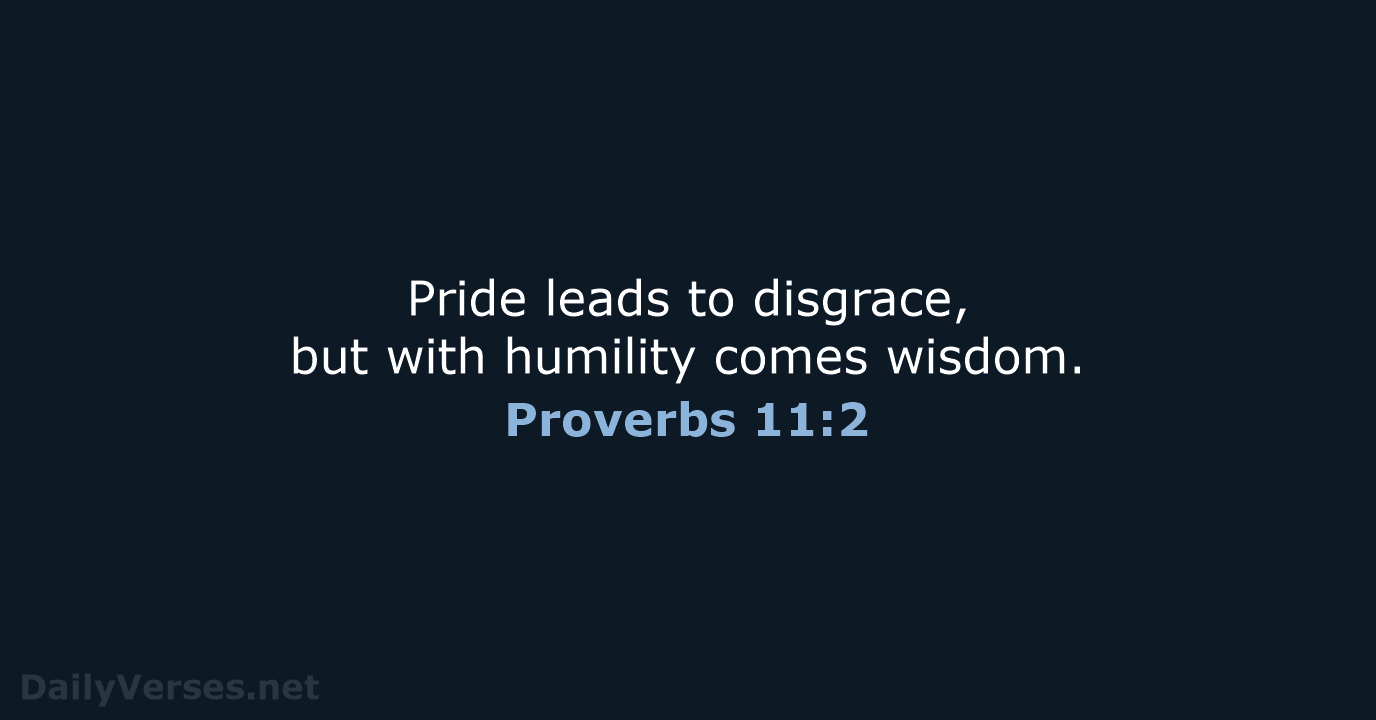
The Bible frequently addresses pride, not as a neutral human characteristic, but as a deeply problematic disposition. It is often contrasted with humility, a virtue consistently lauded as essential for spiritual growth and a right relationship with God. Understanding the biblical definition is crucial to grasping its pervasive negative portrayal.
Pride as Arrogance and Self-Exaltation
At its core, biblical pride is the excessive belief in one’s own abilities, importance, or worth, to the exclusion of recognizing dependence on God. It is an inflated sense of self, a defiant independence that seeks to elevate oneself above others, and crucially, above the Creator. Proverbs 16:18 succinctly captures this: “Pride goes before destruction, and a haughty spirit before a fall.” This verse is not merely a statement of consequence; it suggests an intrinsic link between an arrogant disposition and inevitable ruin. The pride described here is not a healthy self-confidence, but a self-sufficiency that borders on defiance.
The Genesis account of the Tower of Babel (Genesis 11:1-9) serves as a foundational narrative illustrating this type of pride. Humanity, united by a common language and ambition, sought to build a city and a tower “whose top may reach unto heaven” to “make us a name, lest we be scattered abroad upon the face of the whole earth.” Their motive was not for the glory of God, but for their own self-aggrandizement and the preservation of their own fame. God’s intervention, scattering them and confusing their languages, was a direct response to this ambitious, God-defying pride.
The Fall of Lucifer: The Archetypal Example
Perhaps the most potent and definitive biblical depiction of the origin of pride lies in the fall of Lucifer, often identified as Satan. While not explicitly detailed in a single verse, passages such as Isaiah 14:12-15 and Ezekiel 28:12-19 provide profound insights into the spiritual genesis of pride. Isaiah laments the fallen morning star, “How you have fallen from heaven, morning star, son of the dawn! You have been cast down to the earth, you who once laid low the nations! You said in your heart, ‘I will ascend to heaven; I will raise my throne above the stars of God; I will sit enthroned on the mount of assembly, in the remotest parts of the north. I will ascend above the heights of the clouds; I will make myself like the Most High.'”
This internal monologue of Lucifer reveals pride as an act of rebellion rooted in a desire to usurp God’s authority and claim divine status for himself. Ezekiel’s description of the king of Tyre, often interpreted allegorically to include Satan, speaks of being “in Eden…the garden of God; every precious stone was your covering…You were an anointed guardian cherub, and I set you there. You were on the holy mountain of God; you walked among the fiery stones. You were blameless in your ways from the day you were created till wickedness was found in you. Through your widespread trade you were filled with violence, and you sinned. So I expelled you from the mountain of God, and I destroyed you, guardian cherub, from among the fiery stones.” The key here is the progression from perfection to sin, with pride identified as the catalyst: “Your heart became proud on account of your beauty, and you corrupted your wisdom because of your shining splendor.” This cosmic rebellion serves as the ultimate cautionary tale, demonstrating that pride is not merely a human failing but a force that can corrupt even the most exalted beings.
The Pernicious Effects of Pride
The Bible consistently delineates the detrimental consequences of pride, both on an individual level and in the broader context of society and one’s relationship with the divine. These effects are far-reaching, impacting spiritual vitality, interpersonal relationships, and ultimate destiny.
Hindrance to Spiritual Growth and Relationship with God
Pride erects a formidable barrier between humanity and God. When individuals are consumed by self-importance, they become less receptive to divine guidance, correction, and grace. Jesus’ teachings often highlighted this: “Blessed are the poor in spirit, for theirs is the kingdom of heaven” (Matthew 5:3). The “poor in spirit” are those who recognize their spiritual emptiness and their utter dependence on God, the antithesis of the prideful individual who believes they have all they need within themselves.
Furthermore, pride can lead to a rejection of God’s sovereignty and a refusal to submit to His will. This creates a spiritual chasm, as it is difficult for God to work in the life of someone who believes they are in control or that their own wisdom is supreme. James 4:6 states, “God opposes the proud but shows favor to the humble.” This direct opposition signifies that pride actively hinders God’s favor and His ability to bless and guide. It fosters a self-sufficient mentality that leaves no room for divine intervention or reliance. The prideful person is like a tightly closed fist, unable to receive anything.
Corruption of Relationships and Social Harmony

Pride is a corrosive agent in human relationships. It fuels arrogance, selfishness, and a lack of empathy, making genuine connection and reconciliation difficult. When individuals prioritize their own opinions and feelings above all else, they tend to be dismissive, argumentative, and unforgiving. The Apostle Paul, in his letter to the Philippians, urges believers to embody Christ’s humility: “Do nothing out of selfish ambition or vain conceit. Rather, in humility value others above yourselves, not looking to your own interests but each of you to the interests of the others” (Philippians 2:3-4). This is a direct antidote to prideful behavior, which is characterized by selfish ambition and vain conceit.
In social and communal settings, pride can manifest as divisiveness, envy, and a constant striving for dominance. It can lead to disputes, factions, and a breakdown of unity. The desire to be seen as superior or to have one’s way invariably leads to conflict. Proverbs 13:10 states, “Where there is strife, there is pride, but wisdom is found in those who take advice.” This verse links strife directly to pride, suggesting that a refusal to listen to others or to consider different perspectives is a hallmark of a prideful heart, and that wisdom is found in humility and openness.
The Eventual Downfall and Judgment
The biblical narrative is replete with examples of individuals and nations brought low by their pride. Pharaoh, in his arrogance and refusal to let the Israelites go, faced God’s judgment. Nebuchadnezzar, after boasting about his magnificent kingdom, was humbled and made to live like an animal (Daniel 4). The overarching theme is that while pride may offer a temporary illusion of power and control, it ultimately leads to destruction, both temporal and spiritual.
The Book of Revelation further emphasizes the ultimate judgment awaiting those who refuse to repent of their pride and turn to God. The rejection of God’s authority and the self-exaltation inherent in pride are seen as fundamental reasons for divine condemnation. The Bible paints a consistent picture: pride is a sin that God detests and one that will inevitably lead to downfall if not addressed.
The Biblical Pathway to Humility and True Worth
While the Bible is unequivocal in its condemnation of pride, it also offers a clear and transformative pathway towards humility and the cultivation of true, God-given worth. This pathway involves a conscious turning away from self-reliance and towards dependence on God, recognizing Him as the source of all goodness and strength.
Embracing Humility as a Virtue
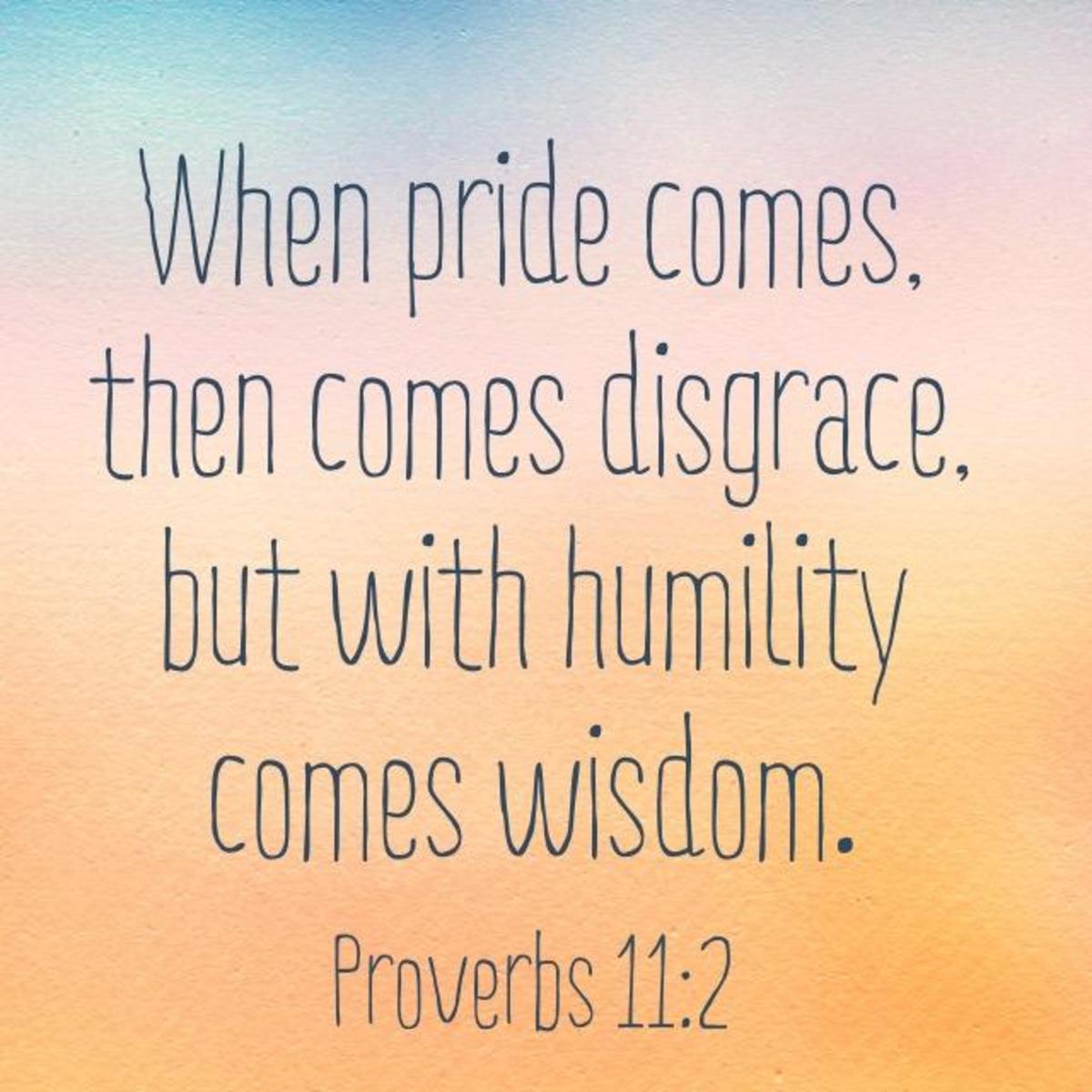
Humility, in the biblical sense, is not self-deprecation or a lack of confidence, but rather a realistic assessment of oneself in relation to God and others. It is the recognition that one’s gifts, talents, and very existence are derived from God, and that true strength lies in acknowledging this dependence. Jesus’ life and teachings are the ultimate model of humility. He, the Son of God, washed the feet of his disciples, a task reserved for the lowest servant. His instruction, “Whoever wants to become great among you must be your servant, and whoever wants to be first must be slave of all. For even the Son of Man did not come to be served, but to serve, and to give his life as a ransom for many” (Mark 10:43-45), is a profound redefinition of greatness, directly challenging the prideful pursuit of power and status.
Cultivating humility involves a deliberate practice of self-examination, prayer for a humble heart, and a commitment to serving others. It means actively seeking to listen more than to speak, to learn from others, and to give credit where it is due, especially to God. The parable of the Pharisee and the tax collector (Luke 18:9-14) vividly illustrates the acceptance of the humble heart. The Pharisee, proud of his religious observance, prayed about himself. The tax collector, acknowledging his sinfulness, could only plead for mercy. Jesus declared that it was the tax collector, not the Pharisee, who went home justified, highlighting God’s favor towards the humble.
Finding Identity in God, Not Self
A core aspect of overcoming pride is shifting one’s source of identity and worth from oneself to God. Pride often stems from seeking validation and a sense of self-worth from external achievements, accolades, or the opinions of others. The Bible teaches that true identity and enduring value are found in being loved and accepted by God. When one understands their worth as a child of God, created in His image, and redeemed by Christ, the need for self-exaltation diminishes.
This is not to say that personal accomplishments are to be disregarded. Rather, they are to be viewed as gifts and opportunities from God, to be used for His glory, not for personal acclaim. The Apostle Paul, though a profound achiever, consistently redirected glory to God. He wrote in 1 Corinthians 1:31, “Let the one who boasts, boast in the Lord.” This means that any praise or recognition received should ultimately be attributed to God’s work through the individual. Finding identity in God liberates individuals from the exhausting and precarious pursuit of self-validation that fuels pride. It grounds their worth in an unchanging, unconditional divine love.
The Role of Gratitude and Dependence
Gratitude and a conscious recognition of dependence on God are powerful antidotes to pride. When individuals regularly acknowledge God as the giver of all good things, it fosters a spirit of thankfulness rather than self-congratulation. This mindset cultivates a posture of receiving from God, rather than asserting oneself against Him. As Luke 17:15-16 describes, after Jesus healed ten lepers, only one returned to thank him, and Jesus noted, “Were there not any found who returned to give praise to God except this foreigner?” The act of returning to give thanks signifies a humble heart that recognizes the source of the blessing.
Living in constant awareness of one’s dependence on God for breath, strength, wisdom, and salvation naturally diminishes pride. It fosters a reliance on divine provision and guidance, leading to a more submissive and teachable spirit. This continuous cycle of dependence, prayer, and gratitude creates a spiritual disposition that is antithetical to the self-sufficient arrogance of pride, paving the way for a life lived in true freedom and peace.
aViewFromTheCave is a participant in the Amazon Services LLC Associates Program, an affiliate advertising program designed to provide a means for sites to earn advertising fees by advertising and linking to Amazon.com. Amazon, the Amazon logo, AmazonSupply, and the AmazonSupply logo are trademarks of Amazon.com, Inc. or its affiliates. As an Amazon Associate we earn affiliate commissions from qualifying purchases.