
In the early days of the digital revolution, the term “social media” was often used as a shorthand for personal networking sites—platforms where individuals shared photos of their meals or life updates with friends. However, as the digital landscape matured, the definition underwent a radical transformation. Today, when we ask, “What do we mean by social media?” in a professional context, we are not discussing a mere collection of apps. We are discussing the primary infrastructure for modern brand strategy, a global stage for corporate identity, and the most significant touchpoint for consumer-brand relationships.
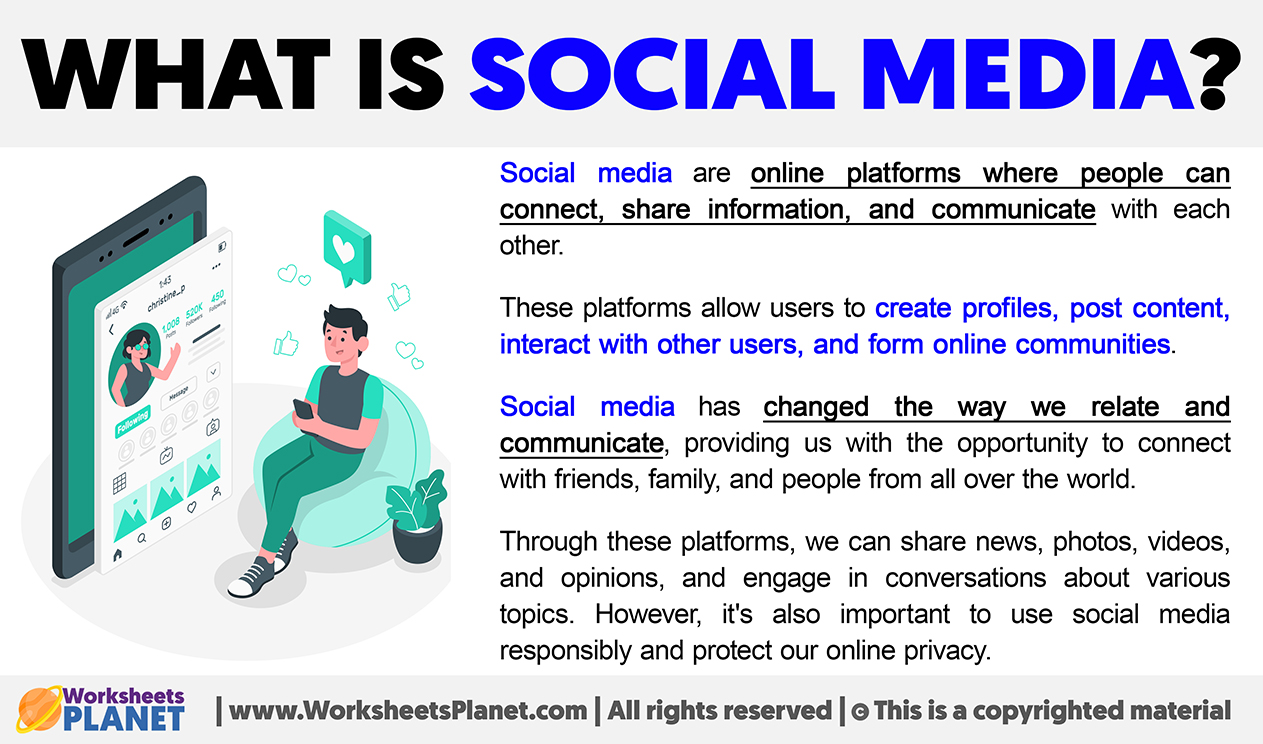
For the modern strategist, social media is no longer an “optional” marketing channel; it is the living, breathing manifestation of a brand’s values. It represents a shift from broadcast-style messaging to a participatory ecosystem where brand equity is built through engagement, transparency, and narrative consistency.
The Evolution of the Ecosystem: From Distribution to Dialogue
To understand what we mean by social media today, we must first recognize the fundamental shift in how information is distributed. In the traditional media era, brands controlled the narrative through high-budget commercials and print ads. This was a “one-to-many” distribution model. Social media has dismantled this hierarchy, replacing it with a “many-to-many” dialogue.
The Shift from One-Way to Two-Way Communication
In the Brand niche, social media is defined as a two-way street. It is the first time in history that a global corporation can have a real-time conversation with a single customer in a public forum. This interactivity has changed the definition of a brand from a static set of logos and slogans into a dynamic entity. When we speak of social media, we are referring to the capability of a brand to listen as much as it speaks. Strategic listening—monitoring mentions, sentiment, and trending topics—allows brands to pivot their messaging to meet the immediate needs and moods of their audience.
The Role of Community Over Audience
An “audience” is a group of people who watch; a “community” is a group of people who interact. Within the framework of brand strategy, social media is the tool used to transition from the former to the latter. High-value brands no longer seek “followers” as a vanity metric; they seek advocates. This distinction is crucial. A community provides a brand with a protective layer of loyalty, acting as a buffer during PR crises and serving as a grassroots marketing force that traditional advertising simply cannot replicate.
Social Media as the Living Extension of Brand Identity
When we define social media through the lens of Brand, we must view it as the ultimate expression of corporate personality. If a brand’s website is its digital headquarters, its social media presence is its heartbeat. It is where the abstract concepts of “brand mission” and “vision” are translated into daily interactions.
Visual Language and Aesthetic Consistency
In a saturated market, visual identity is the first point of differentiation. What we mean by social media is a curated visual narrative. Whether it is the minimalist, high-fashion aesthetic of a luxury brand on Instagram or the fast-paced, lo-fi authenticity of a startup on TikTok, the visual language used on social media reinforces brand recognition. Consistency in color palettes, typography, and imagery across platforms ensures that the brand remains recognizable even in the fragmented attention economy. This visual cohesion builds a sense of stability and professionalism that consumers subconsciously associate with quality.
Voice, Tone, and Personality in Real-Time
Perhaps the most significant impact of social media on branding is the requirement for a “human” voice. A brand’s social media presence defines its persona: Is it witty and irreverent? Is it authoritative and educational? Or is it empathetic and community-focused? This tone must be consistent across all posts, replies, and direct messages. When we talk about social media, we are talking about the “verbal identity” of a corporation. This personality allows consumers to form an emotional connection with a brand, moving the relationship beyond a mere transactional exchange to one of shared identity.

The Architecture of Trust: Social Proof and User-Generated Content
Trust is the most valuable currency in the modern economy. Because social media is inherently public, it has become the primary site for the construction—or destruction—of brand trust. In this context, social media is defined as the modern “word-of-mouth” engine.
The Power of Digital Word-of-Mouth
Before social media, a customer’s bad experience might reach ten friends. Today, a single tweet or video can reach millions. Conversely, a positive endorsement from a satisfied customer—or “User-Generated Content” (UGC)—carries more weight than a million-dollar ad campaign. When we discuss social media, we are discussing the strategic cultivation of social proof. Brands that successfully leverage UGC allow their customers to become the face of the brand, which inherently feels more authentic and trustworthy to prospective buyers.
Navigating Crisis Management and Brand Reputation
What we mean by social media also includes the “front line” of reputation management. In the age of instant feedback, a brand’s response to a mistake defines its character in the eyes of the public. Social media has shortened the window for crisis response from days to minutes. A brand that utilizes social media effectively uses these moments to demonstrate accountability and transparency. By addressing concerns directly on social platforms, a brand can turn a potential disaster into a demonstration of its commitment to customer satisfaction, thereby strengthening its long-term identity.
Data-Driven Storytelling: Measuring Impact Beyond the Like
To define social media without mentioning its analytical power would be a mistake. In a professional brand strategy, social media is an unparalleled source of market intelligence. It is a laboratory where brands can test ideas, gather data, and refine their identity in real-time.
Understanding Intent through Social Listening
Social media provides brands with a direct window into the consumer’s psyche. Through social listening tools, brand managers can track not just what is being said about their own company, but what is being said about their competitors and the industry at large. This data allows for “Data-Driven Storytelling”—the ability to create content that resonates because it is based on actual consumer pain points, desires, and cultural trends. In this sense, social media is a research and development tool as much as it is a marketing tool.
Aligning Social Metrics with Corporate Objectives
Finally, what we mean by social media is a quantifiable component of a business’s bottom line. While “likes” and “shares” are often dismissed as vanity metrics, when analyzed correctly, they provide deep insights into brand health. Professional brand strategy involves aligning social media KPIs (Key Performance Indicators) with broader business goals. Are we using social media to increase brand awareness? To drive website traffic? To improve customer retention? By defining the purpose of each platform, brands can move away from “posting for the sake of posting” and toward a strategic deployment of content that provides a clear Return on Investment (ROI).
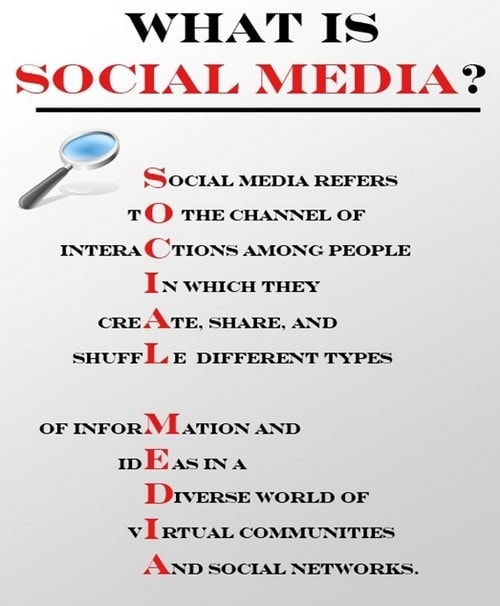
Conclusion: The New Definition of Social Media
In conclusion, when we ask “What do we mean by social media?” from a brand-centric perspective, the answer is multifaceted. It is the primary medium for Two-Way Communication, the Visual and Verbal Face of the company, a Trust-Building Machine, and a Data-Rich Feedback Loop.
Social media is no longer a peripheral activity handled by a junior employee; it is a core pillar of corporate strategy. It is the space where a brand’s identity is tested, refined, and ultimately validated by the public. For any modern organization, mastering social media means mastering the art of the digital relationship. It is about moving beyond the screen to create a lasting, meaningful presence in the lives of consumers. In the digital age, your social media presence is not just a part of your brand—it is your brand.
aViewFromTheCave is a participant in the Amazon Services LLC Associates Program, an affiliate advertising program designed to provide a means for sites to earn advertising fees by advertising and linking to Amazon.com. Amazon, the Amazon logo, AmazonSupply, and the AmazonSupply logo are trademarks of Amazon.com, Inc. or its affiliates. As an Amazon Associate we earn affiliate commissions from qualifying purchases.