
The White Russian. It’s a name that conjures images of leisurely evenings, perhaps a dimly lit bar, and a certain effortless sophistication. But beyond its cinematic allure and its status as a go-to cocktail for many, what exactly does a White Russian taste like? If you’re new to this creamy concoction, or simply curious about its nuanced flavor profile, you’ve come to the right place.
While the question seems straightforward, the answer delves into the interplay of its core ingredients, the subtle variations that can occur, and even how our perception of taste can be influenced by context – a concept that resonates surprisingly well with the strategic thinking we explore in the realms of Brand and Tech.

Let’s break down the White Russian, not just as a drink, but as an experience, and see how its components contribute to that uniquely satisfying, creamy, and subtly sweet taste.
The Elemental Profile: Understanding the Core Ingredients
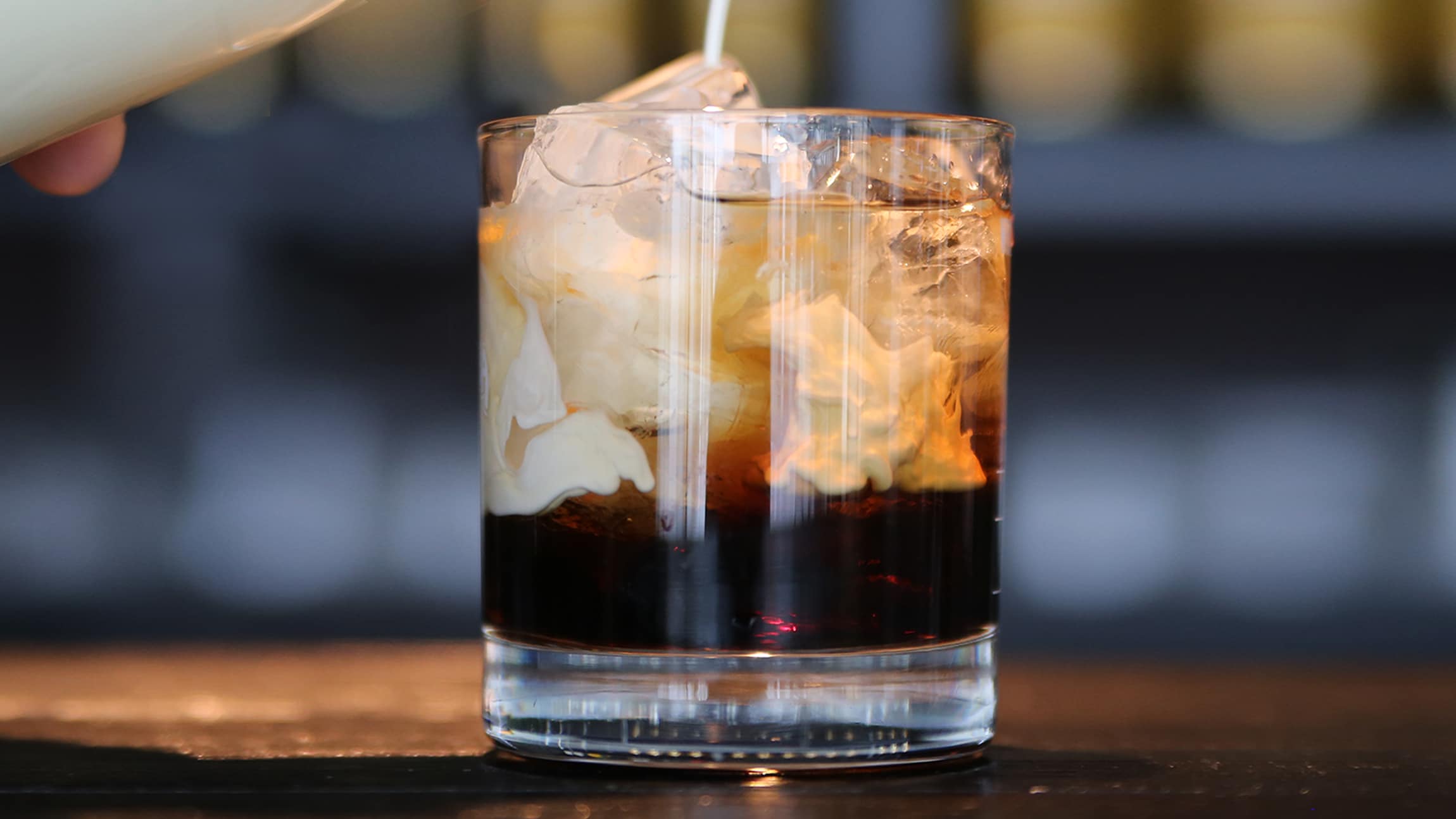
At its heart, a White Russian is a remarkably simple cocktail, typically consisting of just three main components: vodka, coffee liqueur, and cream (or a dairy-free alternative). The magic lies not in complexity, but in the harmonious balance of these elements.
Vodka: The Unseen Foundation
Vodka, the base spirit of a White Russian, is often described as neutral. This is both its strength and its defining characteristic. Unlike gin, with its botanical complexity, or whiskey, with its oaky or smoky notes, vodka aims to be a clean canvas. Its primary role in a White Russian is to provide a gentle alcoholic warmth and a subtle bite that cuts through the richness of the cream and the sweetness of the liqueur.
When we talk about the taste of vodka in a White Russian, we’re usually referring to its absence of strong inherent flavor. A high-quality vodka will be smooth, almost undetectable as a distinct flavor, allowing the other ingredients to shine. Lower quality vodkas might introduce a sharper, more noticeable alcohol burn, which can be less desirable in this particular cocktail. The goal is a clean spirit that adds potency without overpowering the creamy sweetness.
Coffee Liqueur: The Sweet and Aromatic Heart
This is where the primary flavor profile of the White Russian truly emerges. The most common coffee liqueur used is Kahlúa, but others like Tia Maria or Mr. Black can offer slightly different nuances.
The taste of a good coffee liqueur is a delightful fusion of roasted coffee beans and sweetness. You’ll often detect notes of:
- Roasted Coffee: The characteristic bitterness and rich, deep aroma of coffee beans, often with hints of chocolate or cocoa. The roast level of the beans used in the liqueur will significantly impact this. A darker roast might lend a more intense, slightly smoky coffee flavor, while a medium roast can bring out brighter, more nuanced coffee notes.
- Sweetness: Coffee liqueurs are inherently sweet, often a syrup-based liqueur. This sweetness is crucial for balancing the neutral vodka and the richness of the cream. It prevents the drink from becoming too boozy or too stark.
- Caramel and Vanilla: Many coffee liqueurs also carry undertones of caramel and vanilla. These notes contribute to the overall smooth and rounded flavor profile, adding layers of complexity beyond just “coffee.” They soften the bitterness of the coffee and complement the creamy texture.
The quality of the coffee liqueur is paramount. A well-made coffee liqueur will have a balanced sweetness, a genuine coffee flavor that isn’t artificial, and a pleasant aroma. It’s the engine of the White Russian’s taste, providing both its signature flavor and its delightful sweetness.
Cream: The Silky Emulsifier
Traditionally, heavy cream is used, and it’s the ingredient that transforms the vodka and coffee liqueur into the characteristic “White Russian.” Its contribution to the taste is primarily textural and as a mediator of flavor.
- Richness and Smoothness: Cream provides a luxurious, velvety texture. It coats the palate, smoothing out any harsh edges from the alcohol and mellowing the intensity of the coffee liqueur. This richness is a defining element of the White Russian’s appeal.
- Subtle Dairy Sweetness: While not as overtly sweet as the coffee liqueur, cream does have a natural, subtle sweetness that adds to the overall balance of the drink. It rounds out the flavor profile, preventing it from being too one-dimensional.
- Dilution: As the ice melts, the cream also helps to gently dilute the cocktail, making it more approachable and enjoyable over time.
For those seeking alternatives, milk or various non-dairy creams can be used. Almond milk might offer a slightly nutty note, oat milk a creamier, almost buttery texture, and coconut milk a distinct tropical hint. These substitutions will undoubtedly alter the flavor profile, turning a classic White Russian into something new and unique, much like a re-branding exercise that subtly shifts a company’s perceived identity.
The Sensory Experience: How the Flavors Meld
It’s not just about the individual tastes of vodka, coffee liqueur, and cream; it’s about how they combine. When these ingredients are mixed, a fascinating transformation occurs:
The Balance of Sweetness and Bitterness
The White Russian achieves a delicate equilibrium between sweetness and a very mild bitterness. The coffee liqueur provides the dominant sweet notes, while the inherent, subtle bitterness of the coffee (even in a sweet liqueur) provides a counterpoint. The vodka, by its neutrality, doesn’t add significant sweetness or bitterness, allowing this interplay to be the focus. If the coffee liqueur is too sweet, the drink can become cloying. If it’s not sweet enough, the vodka and cream might feel unbalanced.
The Creamy Mouthfeel

The texture is as crucial as the taste. The cream emulsifies with the other ingredients, creating a smooth, almost milkshake-like consistency. This mouthfeel is inherently comforting and luxurious. It’s the characteristic that makes a White Russian feel indulgent. The way the liquid coats your tongue and lingers slightly is a significant part of its appeal, much like a well-crafted user interface that feels intuitive and pleasant to interact with.
The Warmth of the Alcohol
The vodka provides a gentle alcoholic warmth that spreads through the chest. It’s not a harsh burn, but a comforting sensation that enhances the overall experience. It adds a layer of maturity to the drink, preventing it from being solely a sweet, creamy beverage. This subtle warmth can be particularly noticeable as the ice melts and slightly dilutes the drink, making it smoother but still retaining its alcoholic presence.
Aromatic Contributions
While the taste is paramount, the aroma also plays a role. The rich, inviting scent of coffee, often with hints of chocolate and caramel, rises from the glass. This olfactory cue primes the palate for the flavors to come, enhancing the overall enjoyment of the drink.
Variations on a Theme: How Ingredients and Preparation Matter
Just as a brand can evolve or a tech tool can be customized, the White Russian isn’t a monolithic entity. Subtle changes in ingredients or preparation can significantly alter its taste.
The “Black Russian” Precursor
Understanding the White Russian often begins with its simpler ancestor: the Black Russian. This cocktail contains only vodka and coffee liqueur, served over ice. It’s decidedly less sweet and creamier than its white counterpart, with a more pronounced alcoholic kick and a stronger emphasis on the coffee liqueur’s flavor. The absence of cream makes it a bolder, more direct experience.
Dairy vs. Non-Dairy: A Flavor Shift
As mentioned earlier, the choice of cream significantly impacts the taste and texture.
- Whole Milk: Lighter than heavy cream, offering a less rich but still creamy profile. It can lead to a thinner consistency and a less decadent mouthfeel.
- Half-and-Half: A good middle ground, providing creaminess without being overly heavy.
- Almond Milk: Introduces a subtle nutty undertone and a lighter, sometimes slightly watery texture depending on the brand.
- Oat Milk: Often provides a richer, more neutral creaminess that can mimic dairy well, adding a slightly more robust texture than almond milk.
- Coconut Milk: Brings a distinct tropical flavor that can be delicious but will fundamentally change the classic White Russian taste, making it taste more like a dessert.
The choice here is akin to selecting the right font or color palette for a brand; it influences perception and the overall experience.
The Ice Factor: Melting and Dilution
The amount and type of ice used can also affect the taste. More ice means slower melting and a less diluted drink, preserving the potent flavors of vodka and coffee liqueur. Less ice or smaller cubes will lead to quicker dilution, softening the alcohol and sweetness, and making the drink smoother. This mirrors how the speed of execution or the level of detail in a tech tutorial can change the learning curve.
The “Mudslide” Connection
While distinct, the White Russian shares DNA with the Mudslide. A Mudslide typically includes vodka, coffee liqueur, and Irish cream liqueur, often blended with ice and sometimes topped with chocolate syrup. The addition of Irish cream introduces a more complex, richer, and often caramel-infused dairy flavor, making it an even more dessert-like and decadent experience.
Beyond the Taste: The White Russian in Context
The “what does it taste like” question isn’t always answered by just the ingredients. The context in which you enjoy a White Russian can subtly influence your perception.
- The Bar Experience: Being served by a skilled bartender, the clinking of ice, the ambient music – all contribute to the overall sensory input. A perfectly chilled, well-made White Russian in a sophisticated setting can feel more complex and satisfying than a hastily mixed one at home. This is a testament to the power of branding and environment.
- The Occasion: Is it a relaxed evening after a long week, or a celebratory toast? Your mood and the social context can color your perception of the flavors.
- Personal Preference: Ultimately, taste is subjective. Some may find it too sweet, others too boozy, and some will find it utterly perfect. This aligns with how different demographics or user segments will perceive the same brand or technology differently.
The Verdict: A Creamy, Sweet, and Comforting Sip
So, to circle back to the original question, what does a White Russian taste like?
It tastes like smooth, neutral vodka providing a subtle alcoholic warmth, harmoniously blended with the rich, sweet, and slightly bitter notes of coffee liqueur, all enveloped in the luxurious, velvety embrace of cream. It’s a cocktail that is both simple in its construction and complex in its satisfying sensory experience.
It’s a drink that appeals to a wide range of palates, offering comfort, a touch of indulgence, and a smooth, easy-drinking profile. Whether you’re a seasoned cocktail enthusiast or a curious newcomer, the White Russian offers a delightful and approachable journey into the world of creamy cocktails. It’s a testament to the fact that sometimes, the most effective solutions, whether in taste, tech, or branding, lie in the elegant simplicity of well-balanced components.
aViewFromTheCave is a participant in the Amazon Services LLC Associates Program, an affiliate advertising program designed to provide a means for sites to earn advertising fees by advertising and linking to Amazon.com. Amazon, the Amazon logo, AmazonSupply, and the AmazonSupply logo are trademarks of Amazon.com, Inc. or its affiliates. As an Amazon Associate we earn affiliate commissions from qualifying purchases.