
The hum of a well-running engine is music to any driver’s ears, but few sounds are as alarming as the sudden hiss, the sight of steam billowing from under the hood, or the stark red light on your dashboard signaling an overheated engine. This isn’t merely an inconvenience; it’s a critical distress signal from your vehicle that demands immediate attention. Ignoring it can lead to catastrophic engine damage, leaving you with hefty repair bills and a potentially inoperable car. Understanding what it means when your car overheats, why it happens, and what to do about it is crucial for every vehicle owner, blending mechanical know-how with smart tech usage and prudent financial planning.

Understanding Your Car’s Cooling System: A Tech Perspective
At its core, a car engine generates a tremendous amount of heat through internal combustion. Without an efficient way to dissipate this heat, engine components would quickly warp, seize, and fail. This is where the cooling system comes in – a complex network designed to maintain the engine at its optimal operating temperature.
The Core Components and How They Work
Modern cooling systems are marvels of engineering, integrating various components to ensure thermal stability. The primary players include:
- Coolant (Antifreeze): A specialized fluid, typically a mixture of water and ethylene glycol or propylene glycol, designed to absorb heat from the engine and transfer it away. It also prevents freezing in cold temperatures and corrosion within the system.
- Radiator: A large heat exchanger, usually located at the front of the vehicle, where hot coolant from the engine flows through a series of fins and tubes. Air passing over these fins cools the coolant.
- Water Pump: The heart of the cooling system, this pump circulates coolant through the engine block, cylinder head, and radiator. Its continuous operation is vital.
- Thermostat: A temperature-sensitive valve that regulates the flow of coolant. When the engine is cold, it remains closed, allowing the engine to warm up quickly. Once the engine reaches its optimal temperature, it opens to allow coolant to circulate to the radiator.
- Cooling Fan(s): Often electric, these fans pull air through the radiator, especially when the vehicle is stationary or moving slowly (e.g., in traffic) where natural airflow isn’t sufficient.
- Hoses: Rubber conduits that carry coolant between the various components of the system.
- Reservoir/Overflow Tank: A plastic tank that stores excess coolant and allows for expansion and contraction of the fluid.
These components work in concert. The water pump pushes coolant through the engine, absorbing heat. The hot coolant then travels to the radiator, where the heat is dissipated into the air. The cooled coolant then returns to the engine to repeat the cycle. It’s a closed-loop system, precisely engineered for thermal management.
Modern Enhancements: Smart Sensors and Electronic Controls
Today’s vehicles integrate advanced technology to monitor and manage the cooling process with unprecedented precision. Engine Control Units (ECUs) constantly gather data from various sensors:
- Engine Temperature Sensors: Provide real-time data on coolant temperature, allowing the ECU to make adjustments.
- Coolant Level Sensors: Warn the driver if coolant levels drop below a safe threshold, often before visible steam appears.
- Fan Control Modules: Electronically control the speed and operation of electric cooling fans, activating them precisely when needed for optimal cooling efficiency and fuel economy.
- OBD-II (On-Board Diagnostics) Systems: These diagnostic ports, accessible to mechanics (and increasingly to car owners via smartphone apps and dongles), can read fault codes related to the cooling system, providing invaluable insights into potential issues. For instance, a “P0117” code indicates an engine coolant temperature sensor low input, suggesting a potential sensor malfunction or wiring issue.
This technological integration means that while the core principles remain, modern cooling systems are more intelligent, efficient, and often provide earlier warnings of impending problems, making them a key aspect of vehicle tech trends.
Decoding the Warning Signs and Immediate Action
Recognizing the signs of an overheating engine and knowing how to react immediately can be the difference between a minor repair and total engine failure.
Visual Cues and Dashboard Alerts
Your car is equipped with several indicators to warn you about overheating:
- Temperature Gauge Spike: This is often the first visual cue. The needle on your dashboard’s temperature gauge will climb steadily towards the red “H” (Hot) zone.
- Warning Light: Many modern cars have a dedicated engine temperature warning light, often red and shaped like a thermometer, which illuminates when the engine is running too hot.
- Steam from Under the Hood: This is the most dramatic and unmistakable sign. Steam or white smoke indicates that coolant is boiling and escaping the system.
- Sweet Smell: The distinct, sweet smell of coolant is another indicator of a leak, especially if it’s accompanied by steam.
- Loss of Power: An overheated engine may enter a “limp home” mode or simply lose power as a protective measure to prevent further damage.
Safe Procedures When Overheating Occurs
If you notice any of these signs, prompt and safe action is paramount:
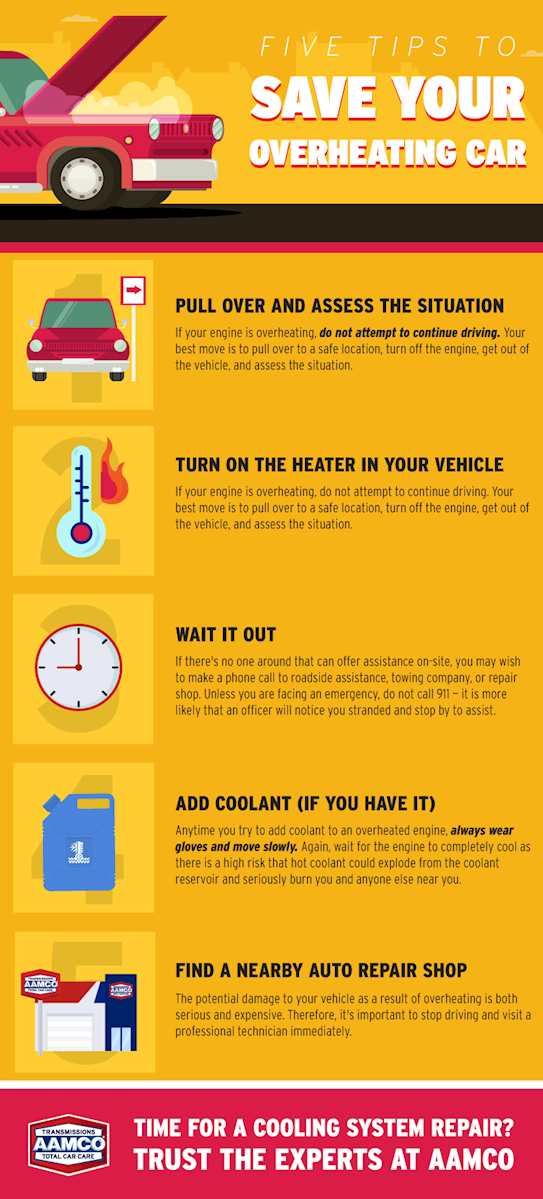
- Pull Over Immediately and Safely: As soon as it’s safe to do so, pull your car to the side of the road, turn off the engine, and engage the hazard lights. Continuing to drive, even for a short distance, can cause irreparable damage.
- Turn Off the A/C and Turn On the Heater: While counterintuitive, turning on your car’s heater draws heat away from the engine compartment and into the passenger cabin, acting as a secondary radiator. Turn off the air conditioning, as it puts an additional load on the engine.
- Do Not Open the Radiator Cap: The cooling system operates under pressure. Opening the radiator cap or the coolant reservoir cap when the engine is hot can result in a violent release of hot steam and boiling coolant, causing severe burns. Wait at least 20-30 minutes for the engine to cool down significantly.
- Inspect (Cautiously): Once the engine has cooled, you can carefully check the coolant level in the reservoir. Look for obvious leaks around hoses or under the car. If the reservoir is empty, you can add coolant (or water in an emergency) only after the engine has cooled sufficiently.
- Call for Assistance: If you’re unsure of the cause, the leak is significant, or the car overheats again after adding coolant, it’s best to call roadside assistance or a tow truck to get your vehicle to a qualified mechanic. Don’t risk further damage or getting stranded.
The Root Causes of Overheating: A Diagnostic Deep Dive
Overheating isn’t usually a singular failure but rather a symptom of an underlying problem within the cooling system. Identifying the root cause is critical for effective repair.
Low Coolant and Leaks: The Silent Saboteurs
The most common reason for overheating is insufficient coolant. This can be due to:
- External Leaks: Cracks in the radiator, loose hose clamps, punctures in hoses, or a faulty water pump seal can all allow coolant to escape. These often leave puddles under your car or visible staining on engine components.
- Internal Leaks: More insidious, these involve coolant leaking into the engine oil (often visible as a milky sludge on the oil cap) or being burned in the combustion chambers, indicated by white smoke from the exhaust. A compromised head gasket is a frequent culprit here.
- Evaporation: Over time, some coolant can evaporate, especially if the system isn’t perfectly sealed. Regular checks can prevent this from becoming critical.
Component Failures: Thermostats, Pumps, and Fans
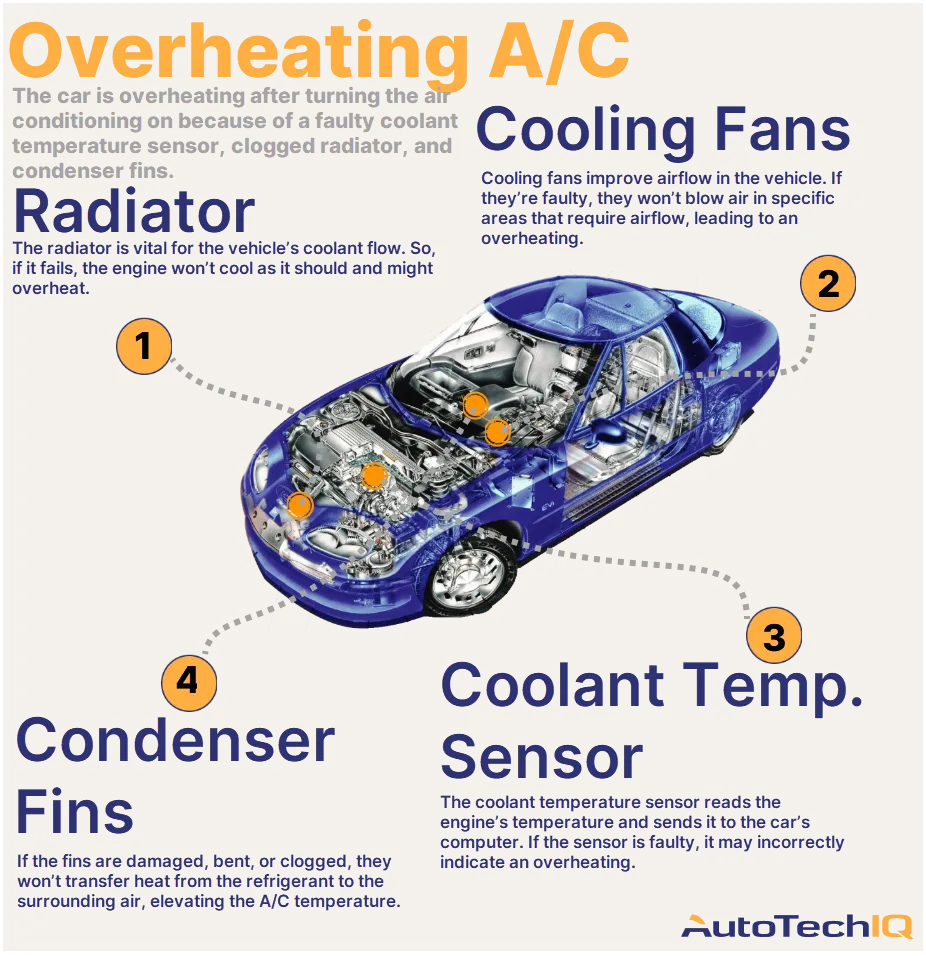
Beyond leaks, mechanical failures of key components are frequent causes:
- Thermostat Malfunction: A thermostat stuck in the closed position prevents coolant from circulating to the radiator, trapping heat in the engine. One stuck open, though less likely to cause overheating, can lead to the engine running too cold, reducing efficiency.
- Water Pump Failure: If the water pump’s impeller is corroded, broken, or the pump itself fails, coolant won’t circulate effectively, leading to rapid overheating.
- Radiator Obstruction or Damage: Internal clogs from mineral deposits or rust can restrict coolant flow. External damage (bent fins from road debris) can reduce the radiator’s ability to dissipate heat.
- Cooling Fan Problems: A faulty electric cooling fan, a blown fuse, a bad relay, or a worn fan motor can prevent adequate airflow over the radiator, especially at low speeds. A slipping fan belt (for engine-driven fans) can also be an issue.
The Dreaded Head Gasket and Other Serious Issues
Some overheating causes are more severe and costly:
- Blown Head Gasket: This is one of the most serious and expensive causes. The head gasket seals the cylinder head to the engine block. If it fails, combustion gases can leak into the cooling system, pressurizing it and causing coolant to boil or be expelled. Conversely, coolant can leak into the cylinders or oil, leading to significant engine damage.
- Engine Problems: Internal engine issues, such as a cracked engine block or cylinder head, while less common, can also lead to overheating by compromising the integrity of the cooling passages.
- Clogged Heater Core: While not directly causing engine overheating, a clogged heater core can restrict coolant flow and make it harder for the system to dissipate heat effectively.
The Financial Impact: Protecting Your Investment
Beyond the immediate safety concerns, an overheating car carries significant financial implications, making preventative measures a sound investment.
Preventative Maintenance vs. Catastrophic Repairs
The cost difference between proactive maintenance and reactive, catastrophic repair is staggering. A simple coolant flush and replacement, a new thermostat, or replacing a worn hose are relatively inexpensive procedures, often costing a few hundred dollars. In contrast, replacing a blown head gasket can run into thousands, given the labor-intensive nature of the job. A completely seized engine due to prolonged overheating can necessitate an engine replacement, easily costing upward of $5,000 to $10,000, often rendering an older vehicle uneconomical to repair. Investing in regular coolant checks, system inspections, and timely component replacements is a prime example of how smart financial planning for your car avoids much larger expenditures down the line.
Long-Term Value and Resale Considerations
A car with a documented history of overheating, especially if it led to major engine work, can significantly diminish its resale value. Potential buyers are wary of vehicles with known engine issues, and rightfully so. Maintaining a robust service record that includes regular cooling system maintenance contributes positively to your vehicle’s brand equity and future market value. Conversely, a history of neglected maintenance leading to overheating signals to buyers that the vehicle may have hidden problems and is likely to fetch a lower price.
DIY vs. Professional: A Cost-Benefit Analysis
For some, performing basic maintenance like checking coolant levels or replacing a simple hose might seem like a way to save money. And indeed, with the right tools, some online tutorials, and a bit of mechanical aptitude, minor tasks can be DIY projects. Tech tools like OBD-II scanners can help diagnose simple codes before heading to a mechanic.
However, complex cooling system issues, especially those involving diagnostics, system flushes, water pump replacement, or head gasket repairs, are best left to certified professionals. While the labor cost might be higher upfront, a professional mechanic offers:
- Expertise and Experience: They can accurately diagnose complex issues and perform repairs correctly, preventing further damage.
- Specialized Tools: Modern cooling systems often require specific tools for pressure testing, vacuum filling, and diagnostic analysis.
- Warranty: Reputable shops often provide a warranty on parts and labor, offering peace of mind.
- Time Savings: Professional repairs are generally faster and more efficient, getting you back on the road sooner.
Weighing the potential savings of DIY against the risks of misdiagnosis, incorrect repair, and potential for causing more damage is a critical financial decision. For critical components like the cooling system, often the professional route is the more cost-effective long-term solution.
Proactive Measures: Tech-Driven Preventative Maintenance
The best way to deal with an overheating car is to prevent it from happening in the first place. Modern technology and diligent habits make preventative maintenance more accessible and effective than ever.
Leveraging Diagnostic Tools and Apps
Empower yourself with technology. Affordable OBD-II dongles can connect to your smartphone via Bluetooth, turning your phone into a basic diagnostic tool. Apps can display real-time engine temperature, coolant levels (if your car has the sensor), and flag potential error codes. While not a replacement for professional diagnosis, these tools can help you monitor your vehicle’s health, understand subtle changes, and provide early warnings. Some vehicle manufacturer apps also offer maintenance reminders and vehicle health reports, leveraging connectivity to keep you informed.
Routine Checks and Scheduled Servicing
Consistency is key. Integrate these checks into your routine:
- Regular Coolant Level Checks: At least once a month, check the coolant level in the reservoir when the engine is cold. If it’s consistently low, investigate for leaks.
- Coolant System Flushes: Follow your car manufacturer’s recommendations for coolant flushes and replacements. Over time, coolant degrades and loses its protective properties, leading to corrosion and reduced efficiency. This is usually every 30,000 to 60,000 miles, depending on the coolant type.
- Hose and Belt Inspections: Periodically inspect radiator hoses for cracks, bulges, or softness, and check clamps for tightness. Ensure drive belts (which power the water pump in some vehicles) are in good condition and properly tensioned.
- Radiator Health: Keep the radiator fins clear of debris (leaves, bugs). A visual inspection for damage or leaks is also advisable.
- Listen and Look: Pay attention to any unusual sounds (e.g., a squealing belt) or smells (e.g., sweet coolant smell). Keep an eye on your dashboard temperature gauge and warning lights.
Understanding Coolant Types and Their Role
Not all coolants are created equal. Modern vehicles require specific types of coolant (e.g., OAT, HOAT, IAT) that are formulated for their unique engine materials and last for different intervals. Using the wrong type of coolant can lead to corrosion, clogs, and reduced cooling efficiency. Always consult your owner’s manual or a trusted mechanic to ensure you’re using the correct coolant for your vehicle.
In conclusion, an overheated car is a serious event that underscores the intricate relationship between sophisticated automotive technology, diligent maintenance, and sound financial stewardship. By understanding the underlying mechanics, recognizing the warning signs, taking immediate action, and investing in preventative care, you can safeguard your vehicle’s health, protect your wallet, and ensure many more miles of smooth, worry-free driving.
aViewFromTheCave is a participant in the Amazon Services LLC Associates Program, an affiliate advertising program designed to provide a means for sites to earn advertising fees by advertising and linking to Amazon.com. Amazon, the Amazon logo, AmazonSupply, and the AmazonSupply logo are trademarks of Amazon.com, Inc. or its affiliates. As an Amazon Associate we earn affiliate commissions from qualifying purchases.