
The question “what does Vrbo mean?” might seem straightforward, eliciting a simple answer about a vacation rental platform. However, to truly understand Vrbo is to delve into the intricate layers of its brand identity, strategic evolution, market positioning, and the inherent value it delivers to both property owners and travelers. In an increasingly competitive digital landscape, where technology rapidly reshapes industries, Vrbo stands as a testament to enduring brand power, adaptability, and a clear vision for its niche. This article will dissect the brand behind the acronym, exploring its historical roots, its current strategic imperatives, and its future trajectory within the dynamic hospitality sector, all viewed through the lens of brand significance.
The Genesis of a Brand: From VRBO to Vrbo
To comprehend the contemporary meaning of Vrbo, one must first appreciate its origins and the journey of its brand name. The initialism “VRBO” itself holds the key to its foundational purpose, standing for “Vacation Rental By Owner.” This original nomenclature was not merely a name; it was a potent descriptor that immediately communicated its core value proposition and differentiated it from traditional hotel accommodations.
The Founding Philosophy and Early Brand Promise
Founded in 1995 by David Clouse, VRBO emerged from a simple yet revolutionary idea: to connect homeowners directly with travelers seeking an alternative to hotels. In an era predating widespread internet adoption and the advent of sophisticated booking platforms, VRBO offered a pioneering online directory. Its brand promise was clear and compelling: authenticity, space, and a personal touch that only a direct-from-owner rental could provide. This direct-to-consumer model cut out intermediaries, fostering a sense of community and trust between owners and renters. The “by owner” aspect was central to its early brand identity, signaling independence, value, and a unique travel experience. It represented a rebellion against the standardized, often impersonal offerings of hotels, offering a promise of genuine immersion and a feeling of ‘home away from home’.
Evolution Under Expedia Group: A Strategic Rebranding
The acquisition of VRBO by HomeAway in 2006, which was subsequently acquired by Expedia Group in 2015, marked a pivotal moment in its brand trajectory. While the underlying service remained consistent, the journey from “VRBO” to “Vrbo” (lowercase ‘r’, singular capitalization) represented a significant strategic rebranding effort. This shift was not merely cosmetic; it was a deliberate move to modernize the brand, make it more approachable, and align it with a broader portfolio of travel brands under the Expedia umbrella. The rebranding aimed to shed the slightly antiquated “acronym” feel and embrace a more contemporary, globally resonant identity, signaling a mature and sophisticated player in the vacation rental market while retaining a nod to its heritage. This transformation allowed Vrbo to maintain its distinct niche while benefiting from the extensive resources, marketing prowess, and global reach of a travel giant. The new visual identity, including updated logos and color palettes, further reinforced this modern shift, signifying a brand ready to compete in the 21st-century digital travel landscape.
Vrbo’s Brand Identity and Market Positioning
At its core, Vrbo’s brand identity revolves around enabling unique and memorable group travel experiences. Unlike some competitors that might focus on solo travelers or individual rooms, Vrbo has strategically carved out a distinct niche centered on whole homes, families, and larger groups. This focus is not accidental but a deliberate brand positioning strategy designed to capture a specific, high-value segment of the travel market.
Core Brand Pillars: Whole Homes, Families, and Groups
Vrbo’s brand messaging consistently emphasizes the advantages of staying in a “whole home.” This isn’t just a logistical offering; it’s a profound brand promise. It speaks to privacy, space, the ability to cook meals together, and the joy of shared experiences under one roof. For families, this translates into practical benefits like separate bedrooms for children, full kitchens for preparing meals, and often amenities like private pools or spacious living areas, which hotels typically cannot match. For groups of friends, it means communal spaces for socializing and the cost-effectiveness of splitting a larger property. This focus on “togetherness” is a powerful emotional appeal that underpins much of Vrbo’s marketing and brand narrative, differentiating it from brands that might cater to a broader spectrum of rental types. The brand champions the idea that the best memories are made when shared, and a whole home provides the perfect backdrop for such moments.
Differentiating from Competitors: The Focus on “Together”
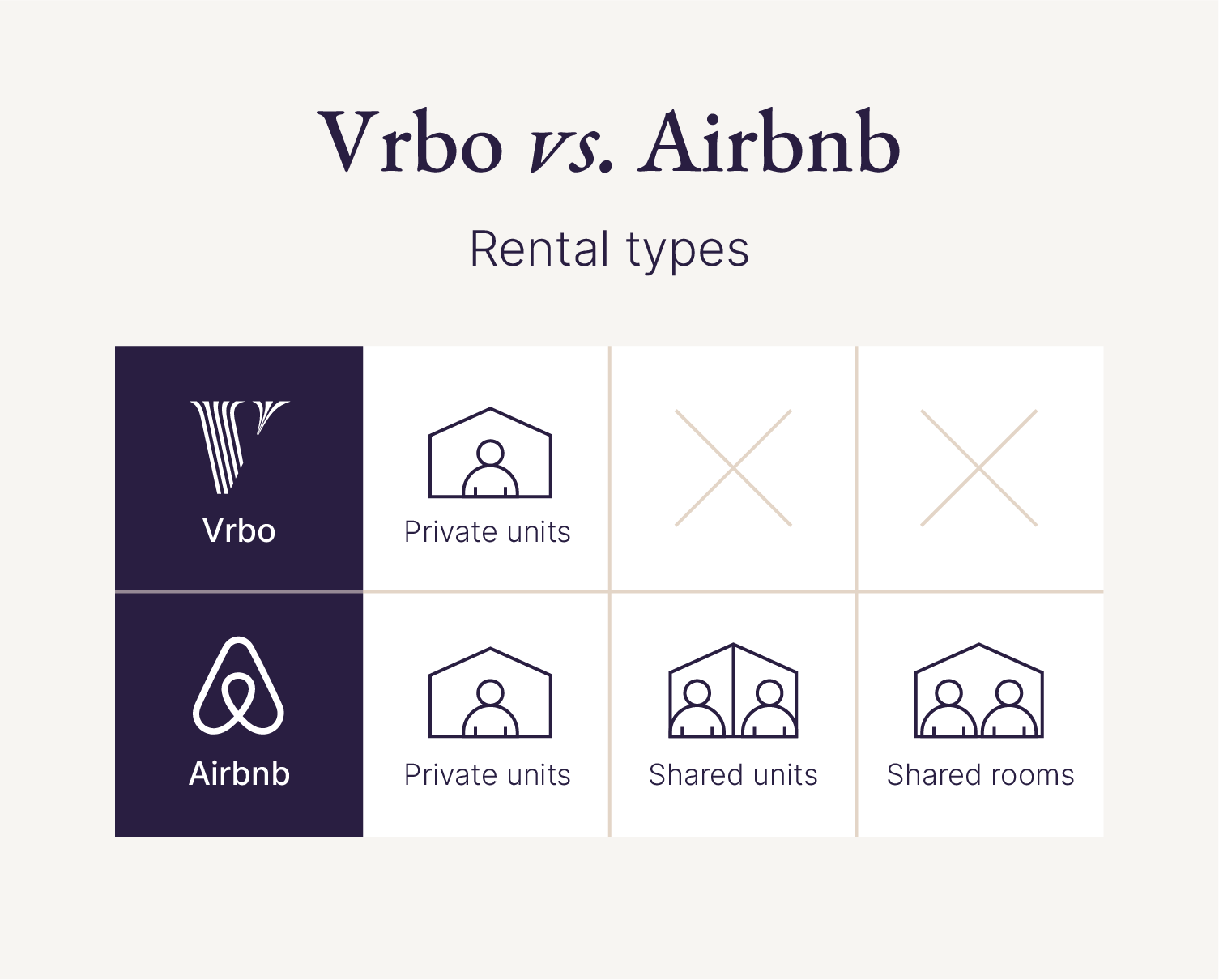
In a crowded market, effective brand positioning is paramount. Vrbo strategically differentiates itself from platforms like Airbnb, which, while also offering whole homes, famously started with and continues to feature private rooms, shared spaces, and unique experiences alongside full properties. Vrbo’s clear commitment to “whole homes for families and friends” creates a distinct value proposition. Its brand communication often highlights moments of shared joy, connection, and relaxation that are amplified by having an entire space to yourselves. This deliberate narrowing of focus allows Vrbo to speak directly to a specific demographic with tailored messaging, fostering strong brand loyalty among those who prioritize these types of accommodations for their group travel needs. It’s a testament to the power of a defined target audience and a consistent brand message that resonates deeply with its chosen segment, making it the preferred choice for family reunions, group getaways, and extended vacations.
The Evolution of Vrbo’s Brand Strategy
A brand cannot remain static in a dynamic market. Vrbo’s journey reflects a continuous evolution in its brand strategy, adapting to technological advancements, changing consumer behaviors, and an increasingly competitive landscape. This adaptability has been key to its sustained relevance and growth.
Digital Transformation and User Experience (UX) Enhancements
The shift from a rudimentary directory model to a sophisticated online platform necessitated a massive investment in digital transformation. Vrbo’s brand strategy has increasingly centered on delivering a seamless and intuitive user experience. This includes robust search filters that allow travelers to pinpoint specific amenities (like “private pool” or “pet-friendly”), high-quality photography and virtual tours, secure payment gateways, and reliable customer support available around the clock. The brand understands that in the digital age, the user interface and overall experience are integral components of the brand itself. A clunky website or unreliable app directly reflects on the brand’s perceived professionalism and trustworthiness. Therefore, continuous improvements in UX, mobile responsiveness, and personalization features are crucial for maintaining brand relevance and competitiveness, ensuring that the booking journey is as enjoyable as the stay itself.
Marketing and Communication Strategies: Storytelling and Emotional Connection
Vrbo’s marketing strategy has matured from simply listing properties to actively telling stories that resonate with its target audience. Campaigns often depict families and friends making memories, celebrating milestones, or simply enjoying quality time together in a Vrbo rental. This emotional branding aims to connect with consumers on a deeper level, positioning Vrbo not just as a booking platform, but as an enabler of cherished life experiences. The brand uses various channels, from traditional advertising and television commercials to sophisticated social media campaigns and engaging content marketing, to reinforce this narrative. Influencer collaborations, user-generated content, and heartfelt testimonials further amplify the message, demonstrating the tangible benefits of a Vrbo stay. This storytelling approach helps to build a strong emotional connection, fostering loyalty and advocacy among its user base, transforming customers into brand ambassadors who share their own Vrbo stories.
Understanding Vrbo’s Value Proposition for Users
The “meaning” of Vrbo ultimately lies in the value it provides to its diverse set of users – both the travelers seeking accommodation and the property owners listing their homes. This dual value proposition is a cornerstone of its business model and brand strength.
Value for Travelers: Space, Privacy, and Authentic Experiences
For travelers, Vrbo’s value proposition is multi-faceted. It offers the unparalleled advantage of space, allowing families and groups to spread out, relax, and truly feel at home, often with amenities not found in traditional hotels (e.g., private pools, large gardens, fully equipped kitchens, multiple living areas). The privacy afforded by a whole home rental is another significant draw, enabling undisturbed quality time and freedom that hotel rooms simply cannot offer. Beyond the physical attributes, Vrbo promises an authentic travel experience. Staying in a local home, often in residential neighborhoods, provides a deeper immersion into the local culture than a standardized hotel room. This authenticity is a powerful brand differentiator, appealing to travelers looking for more than just a place to sleep, but a genuine experience that contributes meaningfully to their overall trip and creates lasting memories.
Value for Property Owners: Reach, Tools, and Revenue Generation
For property owners, Vrbo represents a powerful channel for revenue generation. The platform offers access to a global audience of millions of travelers actively searching for vacation rentals, significantly expanding an owner’s reach beyond local advertising or word-of-mouth. Vrbo provides a comprehensive suite of tools designed to simplify property management, including intuitive booking calendars, secure payment processing, listing optimization features to enhance visibility, and efficient communication tools to interact with guests. The brand’s focus on group travel also means that owners are often attracting higher-value bookings, as larger groups typically mean longer stays and higher rental prices. The trust and reputation built by the Vrbo brand also lend credibility to individual listings, encouraging more bookings and fostering a sense of security for owners listing their most valuable assets. Furthermore, Vrbo offers resources and insights to help owners maximize their rental income and manage their properties effectively.
The Future of the Vrbo Brand in a Dynamic Market
The hospitality and travel industries are in a constant state of flux, driven by technological innovation, shifting consumer preferences, and global events. Vrbo’s brand future will depend on its ability to continue adapting and evolving while staying true to its core identity.
Adapting to Evolving Traveler Expectations and Technology
Future brand success for Vrbo will hinge on its agility in responding to evolving traveler expectations. This includes a growing demand for sustainable travel options, contactless check-ins and stays, and highly personalized recommendations driven by artificial intelligence. The brand will need to continue leveraging data analytics and advanced AI to offer more tailored suggestions, optimize pricing dynamically, and enhance the entire booking journey from search to post-stay feedback. Integrating smart home technology into rental properties, offering more flexible booking and cancellation options, and ensuring robust health and safety protocols (which became paramount during recent global events) will be key areas for brand development. Maintaining a reputation for reliability, transparency, and trust in an increasingly digital and often impersonal world will be critical for long-term brand equity and customer loyalty.
Sustaining Brand Relevance Amidst Competitive Pressures
The vacation rental market remains fiercely competitive, with new players constantly emerging and established brands continually innovating. Vrbo’s challenge will be to sustain its distinct brand relevance. This means reinforcing its core proposition of “whole homes for families and friends” while exploring opportunities for strategic expansion or enhanced services that align with this identity, such as curated experiences or partnerships that complement group travel. Continued investment in marketing that resonates emotionally, fostering a strong community of loyal users (both owners and travelers), and demonstrating consistent value will be vital. The brand must also remain vigilant against commoditization, ensuring that its service, platform, and overall offering continue to stand out as a premium choice for its target demographic, solidifying its place as a leader in its specific niche within the broader travel ecosystem. Protecting and evolving its unique brand story will be paramount to its ongoing success.

Conclusion
So, what does Vrbo mean? It means much more than just “Vacation Rental By Owner.” It signifies a brand that has grown from a pioneering online directory into a sophisticated global platform, strategically positioned as the go-to choice for whole-home rentals for families and groups. Its meaning is embedded in its commitment to fostering togetherness, offering space and privacy, and enabling authentic travel experiences. Through deliberate brand evolution, astute market positioning, and a relentless focus on its core value proposition, Vrbo has built a powerful identity that resonates with millions of travelers and property owners worldwide. In a world craving connection and memorable experiences, the Vrbo brand stands as a beacon for those seeking more than just a place to stay—they seek a home away from home, shared with those who matter most. Its continued success will be a testament to its ability to evolve while staying true to the fundamental meaning that has defined it for decades.
aViewFromTheCave is a participant in the Amazon Services LLC Associates Program, an affiliate advertising program designed to provide a means for sites to earn advertising fees by advertising and linking to Amazon.com. Amazon, the Amazon logo, AmazonSupply, and the AmazonSupply logo are trademarks of Amazon.com, Inc. or its affiliates. As an Amazon Associate we earn affiliate commissions from qualifying purchases.