
The sudden illumination of the “Check Engine” light, often depicted as an engine icon or simply “Service Engine Soon,” can be a moment of dread for any vehicle owner. Far from a simple warning, this seemingly innocuous light is the primary communication channel for your car’s sophisticated Onboard Diagnostics (OBD-II) system, signaling a potential issue within its complex network of sensors, modules, and emission control components. Understanding what triggers this light, how to interpret its signals, and the technology behind its operation is crucial for maintaining your vehicle’s health and preventing more severe, costly issues.
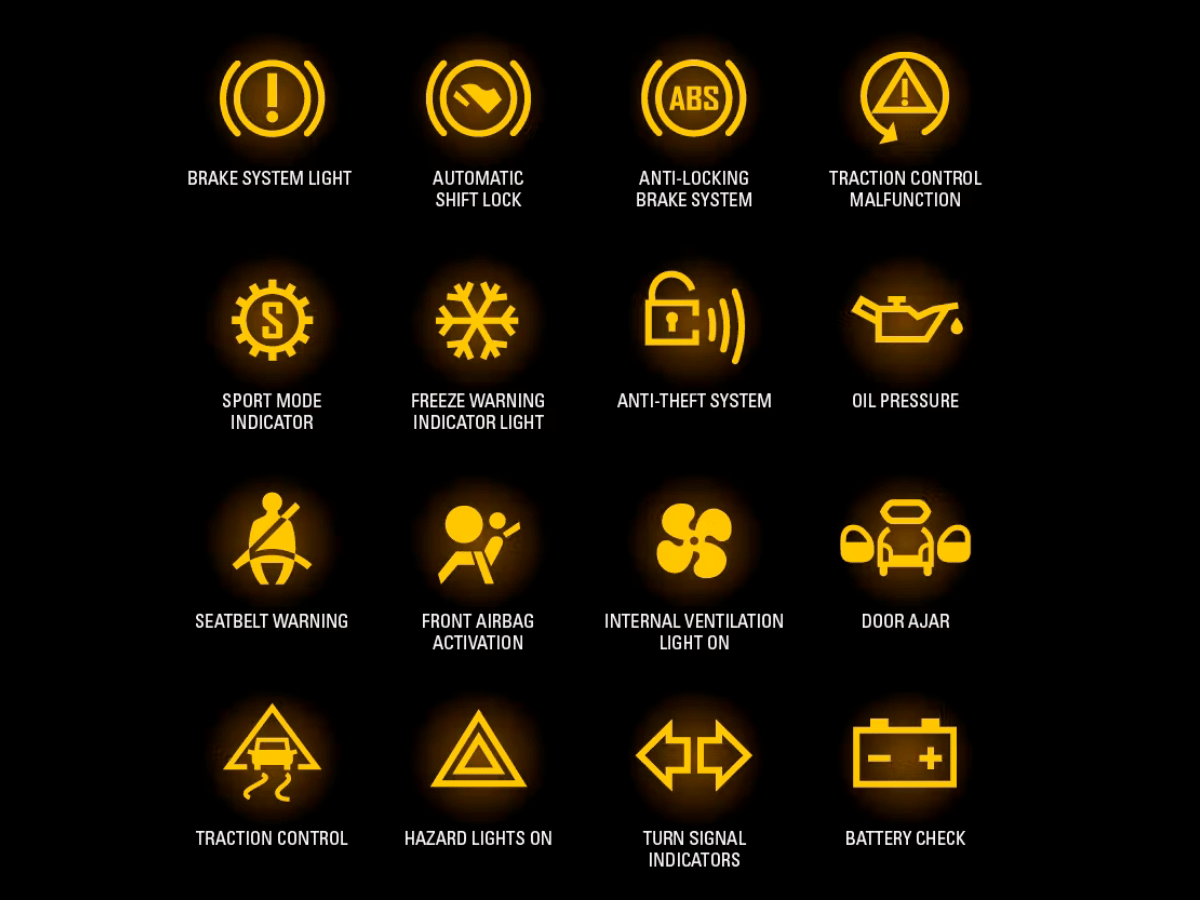
The Core of Onboard Diagnostics: OBD-II Systems
At the heart of the engine light’s functionality is the Onboard Diagnostics system, specifically OBD-II, which became mandatory for all cars and light trucks sold in the United States in 1996. This standardization was a monumental step in vehicle technology, providing a universal interface for monitoring and troubleshooting a car’s powertrain and emissions systems.
Evolution from Early Diagnostics to Modern OBD-II
Before OBD-II, diagnostic systems were often proprietary, varying significantly between manufacturers. Early OBD-I systems, introduced in the 1980s, were rudimentary, primarily monitoring a few basic engine parameters and often requiring specialized tools for each brand. They lacked the comprehensive self-testing capabilities and the standardized communication protocols that define modern systems.
The advent of OBD-II revolutionized vehicle diagnostics. It mandated a standardized diagnostic connector (the Data Link Connector or DLC, typically located under the dashboard), a common set of diagnostic trouble codes (DTCs), and the ability to monitor virtually every emissions-related component in real-time. This technological leap transformed vehicle maintenance, enabling technicians—and increasingly, informed car owners—to pinpoint issues with precision, rather than relying on educated guesswork.
How the System Works: Sensors, ECU, and Malfunction Indicators
The OBD-II system is an intricate network orchestrated by the Engine Control Unit (ECU), often referred to as the car’s “brain.” The ECU continuously monitors data from dozens of sensors strategically placed throughout the engine, transmission, and exhaust system. These sensors measure critical parameters such as oxygen levels in the exhaust, engine speed, coolant temperature, manifold absolute pressure, throttle position, and many others.
Each sensor feeds real-time data to the ECU. The ECU then compares these readings against predefined operational parameters and calibration maps. If a sensor reports a reading outside the acceptable range, or if a component’s performance deviates from expected norms, the ECU registers a “fault.” In most cases, if a fault persists over a set number of drive cycles, or if it indicates an emissions-related problem, the ECU triggers the Check Engine light and stores a corresponding Diagnostic Trouble Code (DTC) in its memory. This DTC acts as a digital fingerprint, specifically identifying the nature of the detected malfunction, such as “P0420: Catalyst System Efficiency Below Threshold (Bank 1).”
Interpreting the Illumination: Understanding Warning Signals
The Check Engine light isn’t a monolithic warning; its behavior offers crucial insights into the severity and urgency of the underlying issue. Understanding these nuances is the first step in effective technological response.
Solid Light vs. Flashing Light: Severity Indicators
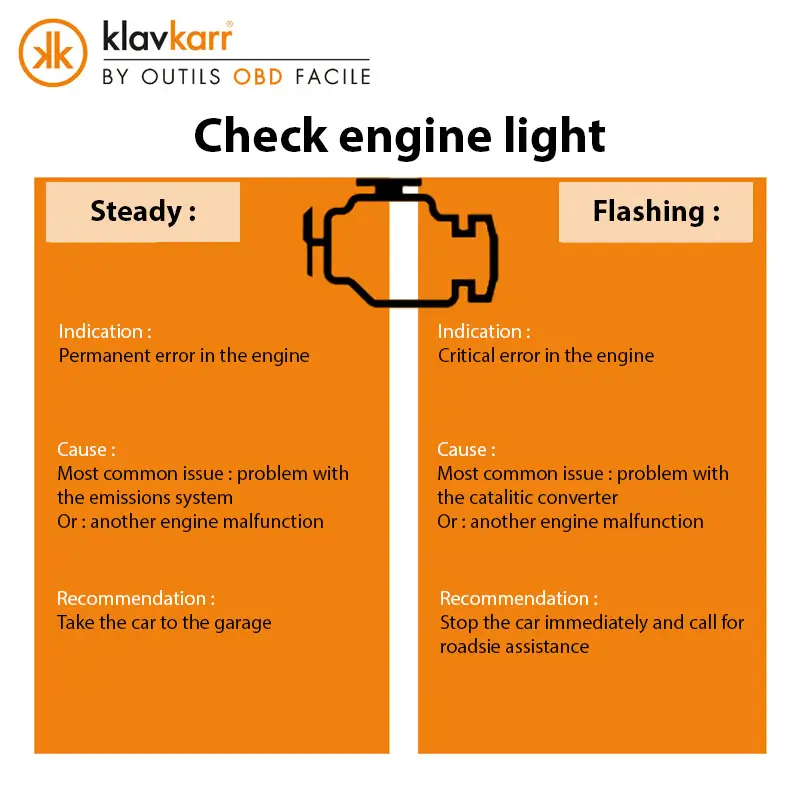
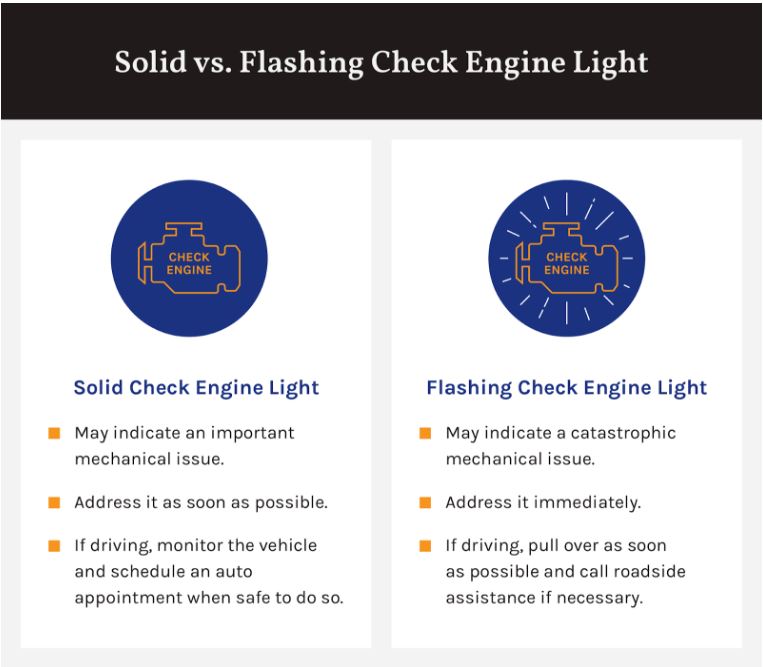
The distinction between a solid (steady) and a flashing (blinking) Check Engine light is paramount:
- Solid/Steady Light: A steady illumination typically indicates a non-critical, but still important, problem. While the issue needs attention, it often doesn’t demand immediate cessation of driving. Common causes include a loose gas cap, a faulty oxygen sensor, or a minor emissions leak. However, even a steady light should not be ignored for long, as prolonged driving with a fault can lead to reduced fuel efficiency, increased emissions, and potential long-term damage to components like the catalytic converter.
- Flashing/Blinking Light: A flashing Check Engine light is an urgent warning, signaling a severe misfire or another critical issue that is actively causing damage, most notably to the catalytic converter. Driving with a flashing light can quickly lead to expensive repairs. If this occurs, it’s generally recommended to pull over safely as soon as possible, turn off the engine, and arrange for immediate professional inspection or towing.
Common Triggers for the Check Engine Light: A Sensor’s Tale
The vast majority of Check Engine light illuminations stem from issues detected by various sensors, highlighting the intricate technological web governing modern vehicles.
- Loose Gas Cap: This is perhaps the simplest and most common cause. A loose or faulty gas cap compromises the evaporative emissions (EVAP) system, allowing fuel vapors to escape. The system detects this “leak,” triggering the light. It’s a straightforward example of a physical interaction impacting a sensor’s reading.
- Oxygen Sensor Failure (O2 Sensor): Oxygen sensors measure the amount of unburned oxygen in the exhaust gas. This data is critical for the ECU to adjust the air-fuel mixture for optimal combustion and emissions. A faulty O2 sensor can lead to decreased fuel economy and increased harmful emissions.
- Catalytic Converter Issues: The catalytic converter is a vital emission control device that converts toxic pollutants into less harmful byproducts. Its efficiency is monitored by oxygen sensors before and after the converter. If the “after” sensor indicates that the converter isn’t performing adequately, the light will illuminate. Converter failure is often a symptom of other prolonged engine issues, such as persistent misfires or excessive oil consumption.
- Spark Plug or Ignition Coil Problems: Spark plugs ignite the air-fuel mixture, and ignition coils provide the high voltage for the plugs. Malfunctions in these components can cause engine misfires, which, if severe enough, will trigger a flashing Check Engine light due as it can quickly overheat and damage the catalytic converter.
- Mass Airflow Sensor (MAF) Malfunctions: The MAF sensor measures the amount of air entering the engine. This data is crucial for the ECU to determine the correct amount of fuel to inject. A dirty or faulty MAF sensor can lead to various drivability issues, including poor acceleration, rough idle, and decreased fuel efficiency.
- Vacuum Leaks: The engine operates with a carefully controlled vacuum system for various functions, including brake boosting and PCV valve operation. A leak in a vacuum hose or component can disrupt air-fuel ratios and cause the engine light to activate.
- EVAP System Malfunctions: Beyond the gas cap, other components of the evaporative emissions control system, such as the purge valve or vent valve, can fail. This system captures fuel vapors and routes them to the engine to be burned, preventing their release into the atmosphere. Faults here are primarily emission-related and won’t necessarily impact driving performance but will trigger the light.
The Digital Diagnostic Toolkit: Using an OBD-II Scanner
When the Check Engine light appears, the most direct path to understanding the problem involves leveraging the very technology that detected it: an OBD-II scanner. These devices are indispensable tools for interpreting the vehicle’s digital signals.
Connecting to the Car’s Brain: The DLC Port
Every OBD-II compliant vehicle has a standardized 16-pin Data Link Connector (DLC). Typically located within reach of the driver’s seat, often under the dashboard near the steering column, this port provides the gateway to the ECU. By plugging an OBD-II scanner into the DLC, you establish a direct communication link with the vehicle’s onboard computer.
Decoding Diagnostic Trouble Codes (DTCs)
Once connected, the scanner can retrieve the stored Diagnostic Trouble Codes (DTCs). These codes are alphanumeric sequences (e.g., P0301, P0420, P0171) that follow a standardized format:
- P (Powertrain): Relates to the engine, transmission, and associated accessories. Most Check Engine light codes fall into this category.
- B (Body): Relates to body functions such as airbags, power steering, and central locking.
- C (Chassis): Relates to chassis functions like ABS and traction control.
- U (Network Communication): Relates to issues with data communication between vehicle modules.
The numbers and letters following the category specify the system, component, and type of fault. For example, P0301 indicates a “Cylinder 1 Misfire Detected.” While basic scanners only display the code, more advanced models often provide a brief description of the fault, simplifying initial interpretation.
Real-Time Data and What It Reveals
Beyond just reading DTCs, more sophisticated OBD-II scanners can display real-time sensor data, often referred to as “live data.” This capability is incredibly powerful for diagnostics. Technicians can monitor parameters like engine RPM, coolant temperature, fuel pressure, oxygen sensor voltages, and short/long-term fuel trims as the engine operates. Observing these values in real-time allows for dynamic analysis, revealing intermittent issues that might not be immediately apparent from a static trouble code. For instance, an O2 sensor that intermittently reads outside its normal voltage range under specific driving conditions might indicate a pending failure long before a hard fault code is set.
Choosing the Right Scanner: From Basic Readers to Advanced Tools
The market offers a range of OBD-II scanners tailored to different needs and budgets:
- Basic Code Readers: These are inexpensive handheld devices that primarily read and clear DTCs. They are ideal for quick checks and for verifying if a problem has been resolved after a minor repair.
- Mid-Range Scanners: These offer more functionality, including live data display, VIN lookup, and often a built-in library of DTC definitions. They provide a more comprehensive view of the vehicle’s health and are excellent tools for the informed DIY enthusiast.
- Advanced Diagnostic Tools (Professional-Grade Scanners/Software): These are complex systems used by professional mechanics. They offer bi-directional control (the ability to activate components for testing), advanced graphing of live data, coding and programming capabilities for various modules, and access to manufacturer-specific codes and parameters. Many now interface with smartphones or tablets, leveraging app-based technology for a user-friendly and powerful diagnostic experience.
Proactive Steps and Technological Empowerment
Ignoring the Check Engine light is never advisable. The technology is there to alert you to a problem, and failing to address it can lead to a cascade of further issues, eroding vehicle performance and leading to potentially catastrophic component failures.
Don’t Ignore It: Data Loss and Further Damage
When the Check Engine light illuminates, the ECU logs crucial diagnostic data, including a “freeze frame” of sensor readings at the moment the fault occurred. Ignoring the light or simply clearing the code without addressing the underlying issue can erase this valuable data, making subsequent diagnosis more challenging. More importantly, continuing to drive with a fault can cause a minor problem to escalate, leading to significant wear on other components, reduced fuel efficiency, increased emissions, and in severe cases, engine damage.
Initial User-Level Troubleshooting
For a solid Check Engine light, a few initial, simple steps can be performed by the vehicle owner:
- Check the Gas Cap: Ensure it’s tightened securely, ideally to one or two clicks. Drive for a few cycles to see if the light resets itself.
- Visual Inspection: Look for obvious issues like loose or disconnected hoses, particularly around the air intake or vacuum lines.
- Note Performance Changes: Pay attention to any unusual sounds, smells, or changes in driving performance (e.g., rough idle, power loss, unusual smoke). This qualitative data can provide valuable clues when combined with DTCs.
When to Seek Professional Diagnostics: Leveraging Expert Systems
While an OBD-II scanner empowers vehicle owners with diagnostic information, not all problems can be solved with a simple code reading. Many issues require deeper investigation, specialized tools, and the expertise of a qualified technician. Factors like the complexity of the code, the presence of multiple codes, intermittent issues, or any noticeable drivability problems warrant professional attention. Technicians use their advanced diagnostic equipment and deep understanding of vehicle systems to interpret data, perform specific tests, and accurately diagnose and repair the root cause, leveraging the full potential of the vehicle’s technological systems.
The Future of Vehicle Diagnostics: Telematics and Predictive Maintenance
The technology of vehicle diagnostics continues to evolve. Modern vehicles increasingly integrate telematics systems, which allow for remote monitoring of vehicle health. These systems can transmit diagnostic codes and real-time data wirelessly to the manufacturer or even to the owner’s smartphone, often before a driver is even aware of an issue. This leads to the concept of predictive maintenance, where algorithms analyze vehicle data to anticipate potential failures, allowing for proactive servicing rather than reactive repairs. As cars become more interconnected and software-driven, the Check Engine light, while still a vital direct indicator, will increasingly be complemented by an ecosystem of intelligent, anticipatory diagnostic technologies.
aViewFromTheCave is a participant in the Amazon Services LLC Associates Program, an affiliate advertising program designed to provide a means for sites to earn advertising fees by advertising and linking to Amazon.com. Amazon, the Amazon logo, AmazonSupply, and the AmazonSupply logo are trademarks of Amazon.com, Inc. or its affiliates. As an Amazon Associate we earn affiliate commissions from qualifying purchases.