
The unassuming bottle of vegetable oil in your pantry is more than just a cooking essential. It’s a product born from the intricate interplay of nature, agricultural science, sophisticated technology, and global market forces. While the term “vegetable oil” might seem straightforward, understanding its origins reveals a fascinating journey from seed to bottle, encompassing diverse plant sources, advanced extraction methods, and a surprisingly interconnected industry.
This exploration will delve into the fundamental question of where vegetable oil originates, drawing connections to the core themes of our platform: Tech, Brand, and Money. We’ll uncover the technological advancements that enable its production, the branding strategies that shape our perception and choices, and the economic underpinnings that drive its availability and affordability.
The Diverse Botanical Roots of Vegetable Oil
At its most basic, vegetable oil is derived from plants, specifically from the fatty parts of these plants. This can include seeds, fruits, and nuts. The vast array of plant species cultivated for oil production means that “vegetable oil” is not a monolithic entity but rather a category encompassing a wide spectrum of products, each with unique properties and applications.
Seeds: The Powerhouses of Oil Production
The most common source of vegetable oil is the seed. These tiny vessels of life are packed with energy reserves, a significant portion of which is in the form of oils. The diversity of oilseeds is remarkable, leading to a wide range of oils with distinct flavors, smoke points, and nutritional profiles.
Common Oilseed Sources and Their Characteristics:
- Soybeans: Perhaps the most widely produced oilseed globally, soybeans yield a neutral-flavored oil that is highly versatile. It’s a staple in processed foods and for general cooking due to its affordability and availability. The cultivation of soybeans has been significantly influenced by agricultural technology and genetic modification, aimed at increasing yields and improving oil quality.
- Rapeseed (Canola): Originating from the rapeseed plant, canola oil is a healthier alternative with a lower saturated fat content and a good balance of monounsaturated and polyunsaturated fats. The development of low-erucic acid and low-glucosinolate varieties (hence “Canola” – Canadian Oil, Low Acid) was a significant technological breakthrough, making it a popular choice for consumers and the food industry.
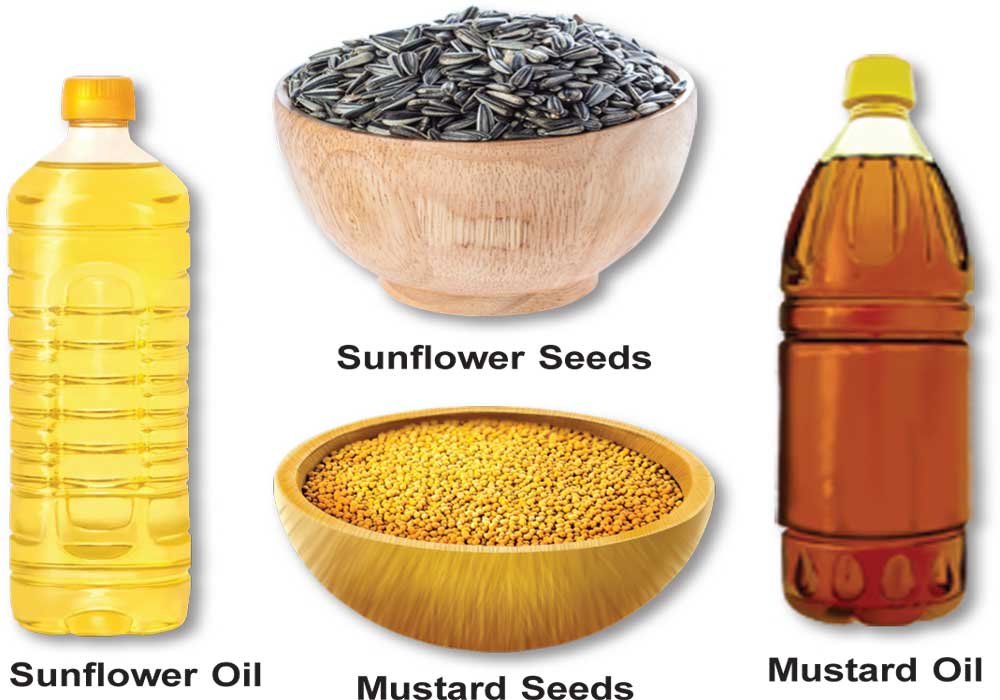
- Sunflower Seeds: Known for its light, mild flavor and high vitamin E content, sunflower oil is a popular choice for salads and light frying. Different varieties of sunflowers are bred to produce oils with varying fatty acid compositions, catering to specific market demands.
- Corn (Maize): Corn oil, extracted from the germ of the corn kernel, has a moderate flavor and a relatively high smoke point, making it suitable for frying. Its widespread availability is directly tied to the massive scale of corn production, driven by both food and industrial applications.
- Cottonseed: Once a byproduct of the cotton industry, cottonseed oil has a mild flavor and is often used in baking and frying. Its production is intrinsically linked to the textile industry, highlighting the economic interconnectedness of agricultural commodities.
- Peanuts: Peanut oil, with its distinct nutty flavor and high smoke point, is a favorite in many cuisines, particularly for stir-frying and deep-frying. While often thought of as a legume, the peanut is botanically a legume but produces an oil similar to other seeds.
- Sesame Seeds: Sesame oil, especially the toasted variety, boasts a strong, rich flavor and is a crucial ingredient in Asian cuisines. It’s extracted from small, nutrient-dense seeds and often commands a premium price due to its unique flavor profile and perceived health benefits.
The Technological Backbone of Seed Oil Extraction:
The journey from a harvested seed to liquid oil is a testament to applied technology. Modern oil extraction relies on sophisticated processes that maximize yield and purity.
- Mechanical Pressing (Expelling): This is the traditional method, involving crushing the seeds under high pressure to squeeze out the oil. Screw presses are commonly used, often with pre-heating to aid oil flow.
- Solvent Extraction: For higher yields, especially from seeds with lower oil content, solvent extraction is employed. A food-grade solvent, typically hexane, is used to dissolve the oil from the seed material. The solvent is then evaporated and recovered, leaving behind the pure oil. This process is highly efficient but requires stringent safety protocols and careful management of solvent residues.
- Refining, Bleaching, and Deodorizing (RBD): Raw, extracted oil often contains impurities, undesirable colors, and strong odors. The RBD process is crucial for creating a palatable and stable product.
- Refining: This step removes free fatty acids and phospholipids.
- Bleaching: Activated earth or carbon is used to remove pigments and color compounds.
- Deodorizing: Steam distillation under vacuum removes volatile compounds responsible for off-flavors and odors, resulting in a neutral-tasting oil.
Fruits and Nuts: Unexpected Sources of Liquid Gold
While seeds dominate the vegetable oil landscape, certain fruits and nuts also provide significant sources of edible oils, often prized for their unique flavors and health properties.
Notable Fruit and Nut Oil Sources:
- Olives: Olive oil, a cornerstone of the Mediterranean diet, is extracted from the fruit of the olive tree. The quality and flavor of olive oil vary dramatically based on the olive varietal, ripeness, and extraction method.
- Extra Virgin Olive Oil (EVOO): This is the highest grade, extracted mechanically without heat or chemical treatment, preserving its natural antioxidants and flavor. Its classification is a prime example of how branding and quality control are vital in the food industry.
- Virgin Olive Oil: Similar to EVOO but with slightly higher acidity.
- Pure Olive Oil (or Olive Oil): A blend of refined olive oil and virgin olive oil.
- Light Olive Oil: Refined olive oil with a lighter color and flavor, but not necessarily fewer calories.
The production of olive oil is a blend of traditional farming practices and increasingly sophisticated mechanical extraction techniques to preserve its delicate qualities.
- Coconuts: Coconut oil, derived from the flesh of mature coconuts, has gained significant popularity for its unique fatty acid composition (medium-chain triglycerides) and its versatility in cooking and personal care.
- Avocado: Avocado oil, extracted from the pulp of the avocado fruit, is known for its mild flavor, high smoke point, and rich, buttery texture. Its production requires careful selection and processing of ripe avocados.
- Palm Fruit: Palm oil, extracted from the fruit of the oil palm tree, is one of the most widely used vegetable oils globally, found in a vast array of food products and non-food items. Its production, however, has faced significant environmental scrutiny, highlighting the ethical considerations in sourcing.
The Technology Behind Fruit and Nut Oil Extraction:
The methods for extracting oil from fruits and nuts often differ from those used for seeds, requiring specialized equipment and processes to handle the unique textures and compositions.
- Mechanical Pressing: Common for olives and coconuts, where ripe fruits or nuts are crushed to release their oil.
- Centrifugal Separation: Used for olive oil and other fruit oils, this method efficiently separates the oil from the water and solid matter.
- Extraction from Pulp: For avocados, the flesh is processed and then often subjected to mechanical pressing or solvent extraction.
The Interplay of Tech, Brand, and Money in the Vegetable Oil Industry
Understanding the origins of vegetable oil is incomplete without acknowledging the powerful forces of technology, branding, and economics that shape its production, distribution, and consumption.
Technological Advancements Driving Efficiency and Quality
Technology is the silent architect behind the modern vegetable oil industry. From the farm to the processing plant, innovation has revolutionized how we produce and utilize these essential fats.
Agricultural Technology:
- Genetically Modified Organisms (GMOs): Crops like soybeans and corn have been engineered for traits such as pest resistance, herbicide tolerance, and improved oil profiles (e.g., higher oleic acid content for greater stability). This directly impacts yield and the type of oil produced.
- Precision Agriculture: GPS-guided tractors, drone monitoring, and soil sensors allow for more efficient planting, fertilization, and harvesting, optimizing resource use and maximizing crop yields.
- Breeding Programs: Traditional breeding techniques continue to develop new varieties of oilseed crops with desirable characteristics, such as drought resistance, disease immunity, and specific fatty acid compositions.
Processing Technology:
- Automated Extraction and Refining: Modern processing plants utilize highly automated systems for pressing, solvent extraction, and RBD processes, ensuring consistent quality, high efficiency, and reduced labor costs.
- Advanced Filtration and Separation: Technologies like membrane filtration are increasingly used to achieve higher purity and remove unwanted compounds without the use of harsh chemicals.
- Analytics and Quality Control: Sophisticated analytical tools, including gas chromatography and spectroscopy, are employed to monitor oil composition, detect contaminants, and ensure compliance with food safety standards.
Packaging and Distribution Technology:
- Inert Gas Flushing: Used in packaging to prevent oxidation and extend shelf life.
- Advanced Bottling Lines: High-speed, automated bottling lines ensure efficient and hygienic packaging.
- Logistics and Supply Chain Management: Sophisticated software and tracking systems optimize the movement of raw materials and finished products globally.
Brand Strategies: Shaping Consumer Perception and Choice
The vegetable oil aisle in any supermarket is a testament to the power of branding. Companies invest heavily in differentiating their products and building consumer trust.
Product Differentiation and Positioning:
- Health Claims: Brands often emphasize the health benefits of their oils, such as low saturated fat, high monounsaturated fat, or the presence of specific vitamins (e.g., vitamin E). Canola, olive, and sunflower oils frequently feature these narratives.
- Origin and Purity: Marketing campaigns may highlight the origin of the oil (e.g., “100% Italian Extra Virgin Olive Oil”) or emphasize its purity and lack of additives.
- Culinary Applications: Brands position their oils for specific uses, such as “ideal for high-heat frying,” “perfect for delicate salads,” or “excellent for baking.”
- Sustainability and Ethical Sourcing: With growing consumer awareness, brands are increasingly highlighting their commitment to sustainable farming practices and ethical sourcing, particularly for oils like palm oil.
The Role of Marketing and Advertising:
- Storytelling: Brands use advertising to tell stories about the origin of their ingredients, the farmers who grow them, and the care that goes into production.
- Endorsements and Certifications: Partnerships with chefs, nutritionists, or relevant organizations can lend credibility and appeal. Certifications (e.g., organic, non-GMO) play a crucial role in building trust.
- Packaging Design: The visual appeal of the packaging – color, font, imagery – plays a significant role in attracting consumer attention and conveying brand values.
The Economic Landscape: Supply, Demand, and Global Markets
The vegetable oil industry is a multi-billion dollar global enterprise, driven by complex economic forces. The price and availability of vegetable oil are influenced by factors ranging from weather patterns to international trade policies.
Global Supply Chains and Commodity Markets:
- Agricultural Commodities: Oilseeds and fruits are traded as commodities on global markets. The prices of these raw materials are subject to fluctuations based on supply (harvest yields, weather conditions) and demand (global food consumption, industrial uses).
- Geopolitical Influences: Trade agreements, tariffs, and political stability in major producing regions can significantly impact the cost and availability of vegetable oils.
- The Role of Major Producers: Countries like the United States (soybeans, corn), Canada (canola), Indonesia and Malaysia (palm oil), and the European Union (rapeseed) are major players in the global oil market.
Cost of Production and Consumer Pricing:
- Input Costs: The price of fertilizer, fuel, labor, and land all contribute to the cost of producing oilseeds and fruits.
- Processing Costs: The energy and technology required for extraction, refining, and packaging add to the final price.
- Market Competition: Intense competition among brands influences pricing strategies, with both premium and value-oriented options available.
- Consumer Demand: Shifts in dietary trends and consumer preferences can create demand for specific types of oils, influencing their market value. For instance, the increased demand for olive oil has driven up its price, while the demand for healthier oils has spurred investment in research and development for alternatives.

Conclusion: A Vital Ingredient Shaped by Innovation and Industry
From the humble seed and the ripening fruit, vegetable oil embarks on a sophisticated journey, powered by cutting-edge technology. This journey is not solely one of mechanical and chemical processes; it is also deeply intertwined with the strategic art of branding, which shapes our perceptions and guides our choices. Underlying it all is a dynamic global economy, where supply, demand, and innovation converge to determine what ends up on our kitchen shelves.
As consumers, understanding the origins of our food, including something as seemingly simple as vegetable oil, empowers us to make more informed decisions. It highlights the interconnectedness of agriculture, technology, marketing, and global commerce, revealing that even the most everyday items are products of remarkable ingenuity and complex industrial ecosystems. The next time you reach for that bottle of vegetable oil, take a moment to appreciate the rich and multifaceted story it tells.
aViewFromTheCave is a participant in the Amazon Services LLC Associates Program, an affiliate advertising program designed to provide a means for sites to earn advertising fees by advertising and linking to Amazon.com. Amazon, the Amazon logo, AmazonSupply, and the AmazonSupply logo are trademarks of Amazon.com, Inc. or its affiliates. As an Amazon Associate we earn affiliate commissions from qualifying purchases.