
From the dimly lit interrogation rooms to the high-stakes chases, the popular television series Criminal Minds captivated audiences for fifteen seasons, delving into the darkest corners of human psychology to catch perpetrators. Central to nearly every episode was the relentless pursuit of the “Unsub” – a term that became synonymous with the show’s intricate profiling methods and its team of dedicated FBI agents. But beyond its dramatic appeal, “Unsub” isn’t merely a TV show trope; it’s a strategic investigative designation with real-world parallels, reflecting complex interactions between technology, institutional branding, and significant financial outlays in the pursuit of justice.
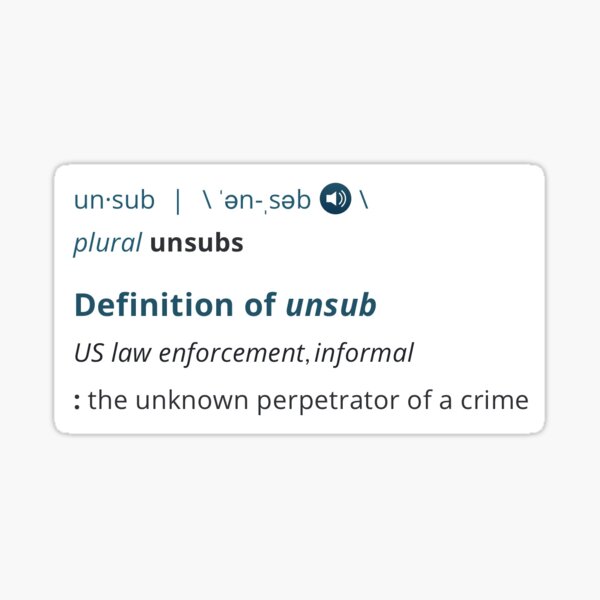
At its core, “Unsub” is an abbreviation for “Unknown Subject,” a crucial piece of jargon within the Federal Bureau of Investigation’s Behavioral Analysis Unit (BAU) and other law enforcement agencies. It refers to the individual or individuals responsible for a crime whose identity remains unknown to investigators. In the world of Criminal Minds, the Unsub is the phantom, the puzzle piece missing from a gruesome crime scene, whose motives, patterns, and behaviors the BAU profilers painstakingly dissect to build a psychological portrait. This portrait, meticulously crafted from crime scene analysis, victimology, and forensic evidence, aims to narrow down a vast pool of potential suspects, ultimately leading to identification and apprehension.
Understanding the “Unsub”: A Core Concept in Crime Drama and Reality
The term “Unsub” is more than just a placeholder for “the bad guy.” It signifies a specific stage in an investigation, a period where law enforcement operates with limited information, relying heavily on deductive reasoning and behavioral science.
Deconstructing the “Unknown Subject”
When a heinous crime occurs and there are no immediate leads or witnesses, the perpetrator enters the investigation as an “Unsub.” This designation emphasizes the anonymity of the individual and directs the focus away from a named person towards a set of characteristics. Investigators, particularly profilers, don’t ask “Who did it?” but rather “What kind of person would do this?” The goal is to develop a comprehensive profile encompassing potential age ranges, geographical location, occupations, personality traits, and even potential motives, all without knowing the individual’s name. This process of elimination and character construction is a delicate dance between art and science, making the “Unsub” a dynamic and evolving entity throughout the investigative process.
The Behavioral Analysis Unit’s Approach
The BAU, as portrayed in Criminal Minds, exemplifies the systematic approach to identifying an Unsub. Their methodology typically involves:
- Crime Scene Analysis: Examining the method of operation (MO), signature (the unique psychological need fulfilled by the crime), and evidence left behind.
- Victimology: Studying the victim’s life, relationships, and characteristics to understand why they were targeted, which can reveal aspects of the Unsub’s preferences or background.
- Geographic Profiling: Analyzing the locations of crimes to infer the Unsub’s potential home, work, or comfort zones.
- Forensic Psychology: Applying principles of psychology to understand motivations, personality disorders, and behavioral patterns.
- Data Synthesis: Combining all collected information to construct a detailed psychological and demographic profile.
This rigorous, data-driven approach transforms the abstract concept of an “Unsub” into a tangible set of descriptors, bringing investigators closer to a real person.
Tech’s Indispensable Role in Identifying the Unseen
In the modern era, the pursuit of an “Unsub” is inextricably linked with technology. From digital forensics to artificial intelligence, tech tools have revolutionized how law enforcement gathers clues, processes information, and ultimately identifies unknown subjects, resonating deeply with current technology trends and digital security concerns.
Digital Footprints and Forensic Tech
Every click, every search, every location tag leaves a digital footprint, and the modern “Unsub” is no exception. Investigators leverage advanced digital forensics software and techniques to trace these invisible trails.
- Internet Activity Analysis: Tracking online searches, social media interactions, and forum participation can reveal an Unsub’s interests, obsessions, and even their planning stages.
- Geolocation Data: Mobile phone pings, GPS data from vehicles, and security camera footage (often digitally enhanced or analyzed by AI) can pinpoint an Unsub’s movements before, during, and after a crime.
- Biometric Data: Facial recognition software, fingerprint databases, and DNA analysis (accelerated by new sequencing technologies) are powerful tools for narrowing down suspects or confirming identities.
- Digital Security Breaches: While law enforcement aims to maintain digital security, they also exploit vulnerabilities or legally access digital records to gather evidence, highlighting the dual nature of digital security in investigations.
These technological advancements transform abstract behavioral profiles into concrete digital evidence, bridging the gap between psychological theory and actionable intelligence.
AI and Predictive Profiling: The Future of “Unsub” Identification
The realm of AI tools holds immense promise for the future of “Unsub” identification, pushing investigations from reactive to potentially proactive.
- Advanced Data Analytics: AI can sift through colossal amounts of data – including criminal databases, public records, and even open-source intelligence – far more efficiently than humans, identifying patterns and correlations that might otherwise be missed. This includes analyzing linguistic patterns in written communications or speech to infer demographic information or psychological traits.
- Predictive Policing Models: While controversial, AI-driven algorithms can analyze historical crime data to predict where and when certain types of crimes might occur, allowing resources to be deployed strategically and potentially intercepting an Unsub before they act.
- Facial and Gait Recognition: Beyond simple identification, AI can process complex visual data from surveillance footage to identify individuals based on unique physiological and behavioral characteristics, even if their face is partially obscured.
- AI-Enhanced Profiling: Machine learning models could eventually assist human profilers by processing vast amounts of behavioral data from past cases, identifying subtle patterns and generating more precise profiles of potential Unsubs. While fully autonomous profiling remains distant, AI as a powerful analytical assistant is increasingly realistic, representing a significant technology trend in law enforcement.
Tools for Productivity and Collaboration in Modern Investigations
The complex nature of “Unsub” investigations demands seamless collaboration and high productivity from investigative teams. Software and apps play a crucial role:
- Case Management Systems: Specialized software helps organize and centralize vast amounts of evidence, witness statements, and forensic reports, ensuring all team members have access to the latest information.
- Secure Communication Platforms: Encrypted messaging and video conferencing tools allow geographically dispersed teams (like the BAU traveling across the country) to communicate securely and in real-time, sharing critical updates and insights.
- Data Visualization Tools: Software that can visually represent crime scenes, timelines, and relationships between individuals helps investigators grasp complex information quickly, enhancing their problem-solving capabilities.
- Project Management Apps: For long-term, multi-agency investigations, these tools ensure tasks are assigned, deadlines are met, and resources are allocated efficiently, boosting overall productivity.
These tech solutions streamline operations, reduce human error, and accelerate the investigative process, directly contributing to the successful identification and apprehension of an Unsub.
The “Unsub” and the Brand of Justice

The concept of the “Unsub” not only drives a TV narrative but also reflects deeper considerations of branding – from the corporate identity of law enforcement agencies to the personal branding of experts in the field, and even the broader narrative power of crime stories.
Building a Reputation: The Brand of Law Enforcement Agencies
Agencies like the FBI’s BAU maintain a powerful brand identity built on expertise, integrity, and effectiveness. The portrayal of identifying and catching “Unsubs” on Criminal Minds significantly contributes to this perception.
- Trust and Authority: Successfully solving complex cases and apprehending dangerous “Unsubs” reinforces public trust in law enforcement’s capabilities. This public confidence is a crucial aspect of an agency’s brand reputation.
- Specialized Expertise: The show highlights the highly specialized skills of profilers, forensic scientists, and behavioral analysts, bolstering the image of law enforcement as a body of skilled professionals employing cutting-edge techniques.
- Deterrence: The brand of an efficient, intelligent law enforcement agency that consistently catches “Unsubs” can act as a deterrent, albeit one difficult to quantify. The message is clear: perpetrators, no matter how clever, will eventually be identified.
- Recruitment: The dramatic portrayal of “Unsub” investigations can inspire individuals to pursue careers in law enforcement, contributing to the human capital of these organizations.
This positive branding is vital for securing funding, maintaining public cooperation, and ensuring the continued efficacy of justice systems.
Personal Branding in Criminology and Forensic Science
Beyond institutional branding, real-life counterparts to the Criminal Minds characters often cultivate strong personal brands based on their expertise in identifying “Unsubs” and understanding criminal behavior.
- Expert Witnesses and Consultants: Profilers, forensic psychologists, and digital forensics experts build reputations through their successful contributions to high-profile cases. Their personal brand as a trusted authority allows them to provide valuable consultation and expert testimony.
- Public Education and Authorship: Many experts leverage their knowledge to write books, appear on documentaries, or give lectures, sharing insights into criminal behavior and investigative techniques. This not only builds their personal brand but also educates the public and fosters a better understanding of criminal justice.
- Academic and Research Influence: Researchers who contribute new methodologies for “Unsub” identification or behavioral analysis establish their brand within academic circles, influencing future investigative strategies and training.
Their personal branding helps disseminate critical knowledge, influences policy, and often serves as a bridge between the complex world of criminology and public understanding.
The Narrative Power: How “Unsub” Shapes Storytelling and Public Perception
The term “Unsub” itself has become a powerful narrative device, shaping how crime stories are told and consumed, impacting the show’s own brand and the broader true-crime genre.
- Intrigue and Suspense: The mystery of the “Unknown Subject” creates inherent suspense, driving the narrative forward as viewers join the profilers in piecing together clues.
- Focus on Psychology: By centering on the “Unsub,” the narrative shifts from simple whodunit to a deeper exploration of criminal psychology, elevating the show’s intellectual appeal and brand as a psychological thriller.
- Relatability of the Investigators: The human element of the BAU team, grappling with the darkness of the Unsubs they pursue, makes the show relatable and enhances its emotional brand.
- Cultural Impact: “Unsub” has transcended the show to become a recognized term, influencing other crime dramas, podcasts, and true-crime discussions, solidifying its place in popular culture. This cultural penetration is a testament to the strong brand Criminal Minds built around this central concept.
The term’s effective use creates a compelling brand for the show and enriches the broader landscape of crime storytelling.
The Financial Underpinnings of Unsub Pursuit and Prevention
The pursuit of an “Unsub” is not only a matter of intellectual deduction and technological prowess but also a significant financial undertaking, touching upon business finance, financial tools, and even the broader economy of crime.
The Economic Cost of Crime and Investigation
Solving an “Unsub” case requires substantial financial investment, often funded by taxpayers through federal, state, and local budgets.
- Personnel Costs: Salaries, training, and benefits for highly specialized agents, profilers, forensic scientists, and support staff represent a major expense.
- Technological Infrastructure: The acquisition, maintenance, and upgrading of advanced forensic labs, digital investigation tools, AI software licenses, and secure communication systems require continuous funding.
- Operational Expenses: Travel, surveillance equipment, informant payments, witness protection programs, and legal costs contribute significantly to the overall budget of an investigation.
- Economic Impact of Crime: Beyond direct investigation costs, crime itself carries a hefty economic burden, including property damage, medical expenses for victims, lost productivity, and impacts on tourism or business in affected areas. Apprehending Unsubs not only brings justice but also aims to mitigate these broader economic repercussions.
Efficient financial management and strategic allocation of resources become critical business finance challenges for law enforcement agencies tackling complex “Unsub” cases.
Financial Forensics in Crime Solving
While an “Unsub’s” primary motive might not always be financial gain, financial forensics often plays a crucial role in their identification or establishing motive.
- Tracking Illicit Funds: For crimes involving fraud, money laundering, or organized crime, following the money trail is paramount. Sophisticated financial tools and software are used to analyze bank records, cryptocurrency transactions, and international financial flows.
- Identifying Financial Distress: An Unsub’s financial situation (e.g., bankruptcy, gambling debts) can sometimes reveal motive or lead to associates who can provide information.
- Lifestyle Analysis: Comparing an Unsub’s known income with their observable lifestyle can highlight discrepancies, suggesting hidden sources of income or involvement in illicit activities.
- Cyber-Financial Investigations: As crimes increasingly move online, investigators utilize financial tools to trace digital transactions, identify virtual wallets, and link online aliases to real-world identities, often a critical step in de-anonymizing an Unsub.
Financial investigators, equipped with specialized tools and expertise in business finance, are vital members of modern investigative teams, proving that every aspect of an Unsub’s life, including their finances, can leave a trail.

Monetizing True Crime and Investigative Storytelling
The fascination with “Unsubs” and the mysteries of criminal behavior has also spawned an entire industry, demonstrating how online income and side hustles can emerge from public interest in justice.
- True Crime Podcasts and Documentaries: Many individuals and production companies generate significant online income through podcasts, YouTube channels, and streaming documentaries that analyze real “Unsub” cases or fictionalized ones. These platforms often leverage advertising revenue, subscriptions, and merchandise sales.
- Books and Journalism: Authors and investigative journalists delve into solved and unsolved “Unsub” cases, selling books and articles that explore the psychological, social, and investigative aspects of crime.
- Crowdfunding and Cold Case Initiatives: In some instances, public interest generated by true crime content has led to crowdfunding efforts to fund private investigators or specialized forensic tests for cold “Unsub” cases, creating a direct financial impact on real-world investigations.
This ecosystem of content creation shows how the public’s engagement with the “Unsub” concept can be monetized, blurring the lines between entertainment, education, and potentially, contributing to actual justice.
In conclusion, the term “Unsub” from Criminal Minds serves as a powerful entry point into understanding the complex landscape of modern criminal justice. It is a concept that transcends the confines of a TV show, revealing deep connections to the cutting edge of technology, the strategic imperatives of institutional and personal branding, and the significant financial mechanisms that underpin the relentless pursuit of justice. As our world becomes more interconnected, digital, and data-driven, the methods for identifying the “Unknown Subject” will continue to evolve, reflecting the dynamic interplay between human intellect, technological innovation, and societal commitment to safety and order.
aViewFromTheCave is a participant in the Amazon Services LLC Associates Program, an affiliate advertising program designed to provide a means for sites to earn advertising fees by advertising and linking to Amazon.com. Amazon, the Amazon logo, AmazonSupply, and the AmazonSupply logo are trademarks of Amazon.com, Inc. or its affiliates. As an Amazon Associate we earn affiliate commissions from qualifying purchases.