
Colorectal carcinoma, commonly known as colon or rectal cancer, remains one of the most significant challenges in modern medicine. However, the narrative surrounding this disease is shifting from one of late-stage intervention to a high-tech era of precision prevention and targeted therapy. As we navigate the third decade of the 21st century, the fight against colorectal carcinoma is no longer just a biological battle; it is a technological one. From the implementation of sophisticated Artificial Intelligence (AI) in diagnostic imaging to the use of robotic-assisted surgical platforms, technology is fundamentally altering the trajectory of patient outcomes.

This article explores the technological ecosystem currently being built to identify, analyze, and treat colorectal carcinoma, focusing on the software, hardware, and data-driven innovations that are setting new standards in oncology.
The Digital Diagnostic Frontier: AI and Early Detection
The most critical factor in surviving colorectal carcinoma is early detection. Traditionally, this relied heavily on the visual acuity of endoscopists during colonoscopies. However, human error and “miss rates” for small or flat polyps have historically been a bottleneck. This is where Technology Trends in Computer-Aided Detection (CADe) and Computer-Aided Diagnosis (CADx) are revolutionizing the field.
Computer-Aided Detection (CADe) in Colonoscopy
Modern endoscopy suites are now being integrated with AI-driven software overlays that act as a “second pair of eyes” for the gastroenterologist. These AI tools use deep learning algorithms trained on millions of frames of endoscopic footage to identify subtle mucosal abnormalities that the human eye might overlook. When the software detects a potential lesion, it highlights the area on the monitor in real-time, significantly increasing the Adenoma Detection Rate (ADR). This software-centric approach reduces the variability between different practitioners, ensuring a high technological baseline of care regardless of the facility’s location.
Deep Learning Algorithms for Histopathology
Beyond the initial scan, the digital transformation of pathology—often referred to as Digital Pathology—is crucial. Once a biopsy is taken, software platforms now use neural networks to analyze high-resolution digital slides. These tools can quantify cellular patterns, grade the severity of colorectal carcinoma, and even predict genetic mutations based on visual morphology alone. By automating the more tedious aspects of slide review, technology allows pathologists to focus on complex cases while ensuring that diagnostic accuracy is backed by algorithmic verification.
Robotic Surgery and Precision Engineering
When colorectal carcinoma progresses to a stage requiring surgical intervention, the focus shifts to precision engineering. The transition from traditional open surgery to laparoscopic techniques was the first step, but the current frontier is defined by Robotic-Assisted Surgery (RAS).
The Rise of Minimally Invasive Robotic Platforms
Robotic platforms, such as the Da Vinci and Hugo systems, provide surgeons with a level of dexterity and visualization that exceeds human capabilities. These systems translate a surgeon’s hand movements into micro-movements of tiny instruments inside the patient’s body. For colorectal carcinoma, where the surgical field is often deep within the pelvis and crowded by vital nerves and blood vessels, the 3D high-definition visualization and “wristed” instrumentation allow for nerve-sparing techniques. This technology minimizes post-operative complications and significantly speeds up recovery times.
Real-time Data Integration in the Operating Room
The modern operating room is becoming a data hub. During a colorectal procedure, surgeons can now utilize “augmented reality” (AR) overlays. These overlays integrate preoperative CT or MRI scans directly onto the live surgical view. By using software to “see through” tissue, surgeons can identify the exact vascular supply to a tumor or locate hidden lymph nodes. This integration of imaging software and surgical hardware represents a paradigm shift in how complex carcinomas are navigated, turning the surgical suite into a high-tech cockpit.
Next-Generation Sequencing (NGS) and Bioinformatics
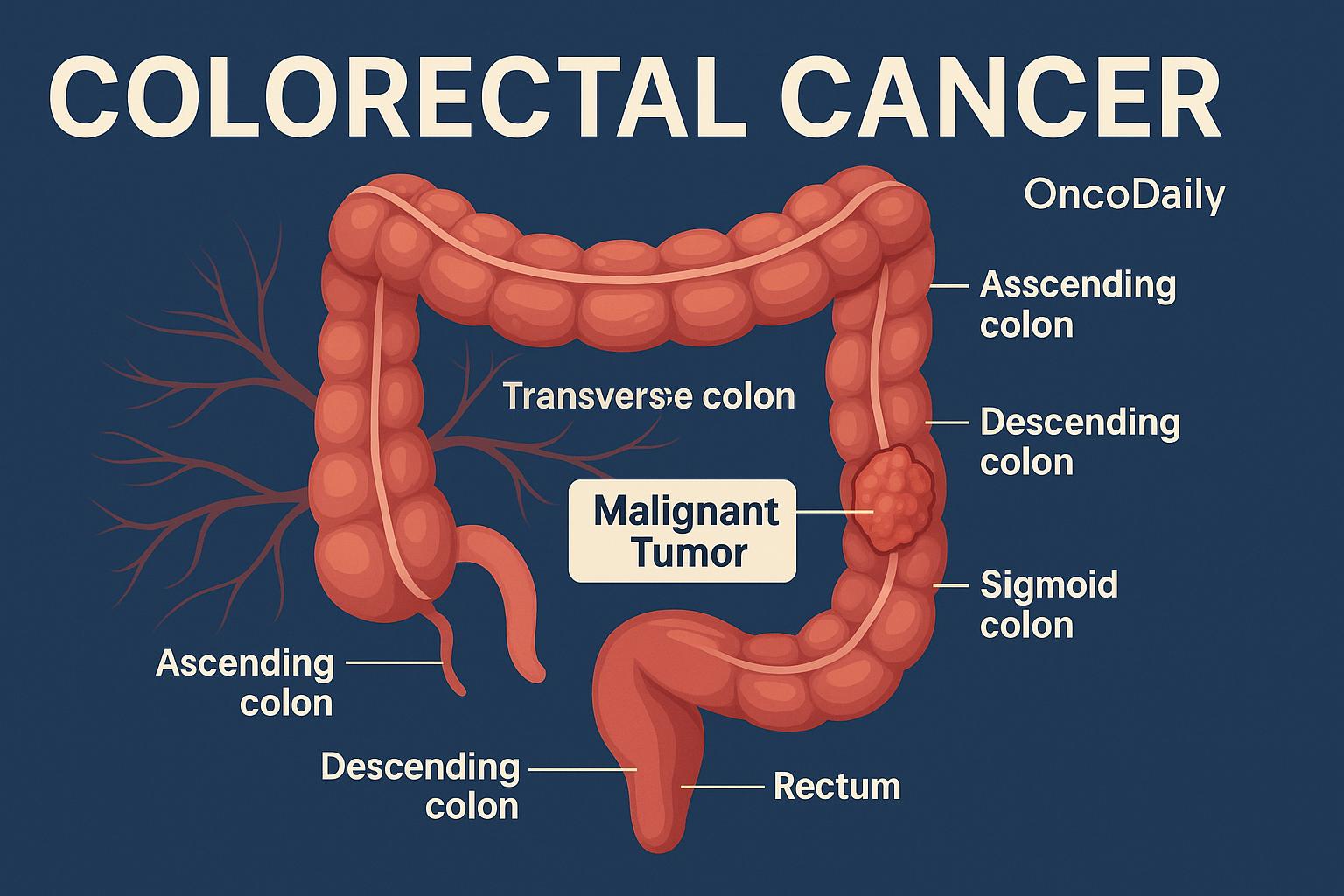
The treatment of colorectal carcinoma has moved away from a “one-size-fits-all” chemotherapy model toward personalized medicine. This transition is powered by Next-Generation Sequencing (NGS) and the field of bioinformatics, which treats cancer as a data problem.
Decoding the Tumor Genome
Every instance of colorectal carcinoma has a unique genetic signature. NGS technology allows clinicians to sequence the DNA and RNA of a tumor rapidly and affordably. By identifying specific mutations—such as KRAS, BRAF, or Microsatellite Instability (MSI) status—software platforms can cross-reference this data with massive global databases of clinical trials. This ensures that the patient is matched with the specific targeted therapy or immunotherapy most likely to be effective against their particular tumor profile.
Predictive Analytics and Digital Twins
One of the most exciting trends in tech-driven oncology is the concept of the “Digital Twin.” Researchers are using patient data to create virtual models of a patient’s biological systems. By running simulations on these digital twins, oncologists can predict how a specific colorectal carcinoma might respond to various drug combinations before the patient ever receives a dose. This use of predictive analytics reduces the “trial and error” phase of oncology, preserving patient health and focusing resources on the most viable tech-backed treatments.
Remote Monitoring and Digital Health Ecosystems
The management of colorectal carcinoma extends far beyond the hospital walls. The rise of Digital Health tools and wearable technology is ensuring that patient care is continuous, data-driven, and proactive.
Wearable Tech and Post-Operative Recovery
Following surgery for colorectal carcinoma, the risk of complications like surgical site infections or anastomotic leaks is a primary concern. Technology-enabled recovery protocols (often part of ERAS – Enhanced Recovery After Surgery) now utilize wearable sensors to monitor a patient’s vital signs, mobility, and sleep patterns in real-time. This data is fed back to a central dashboard monitored by software that can alert medical teams to early signs of distress, often before the patient even feels symptomatic.
Tele-Oncology and Decentralized Clinical Trials
For many patients, accessing top-tier oncological expertise involves significant travel. Tele-health platforms and cloud-based digital security protocols have enabled “Tele-Oncology,” where specialists can review digital diagnostics and consult with patients remotely. Furthermore, technology is decentralizing clinical trials for new colorectal carcinoma drugs. By using mobile apps to track patient-reported outcomes and remote monitoring tools for vitals, tech is allowing a more diverse range of patients to participate in cutting-edge research from their own homes, accelerating the pace of innovation in the field.
Digital Security and Ethics in Oncology Tech
As we integrate more AI, cloud computing, and personal data into the treatment of colorectal carcinoma, digital security becomes paramount. The healthcare sector is a primary target for cyber-attacks, and the sensitivity of genomic data requires robust encryption and decentralized storage solutions.
The industry is currently moving toward Blockchain technology to ensure the integrity of patient records and the security of data sharing between research institutions. Ensuring that the “tech” side of the battle against carcinoma is as resilient as the “medical” side is a top priority for developers and healthcare IT professionals. Moreover, as AI begins to assist in making treatment decisions, the focus on “Explainable AI” (XAI) is growing—ensuring that the algorithms used in colorectal carcinoma diagnostics provide transparent reasoning that clinicians can trust and verify.
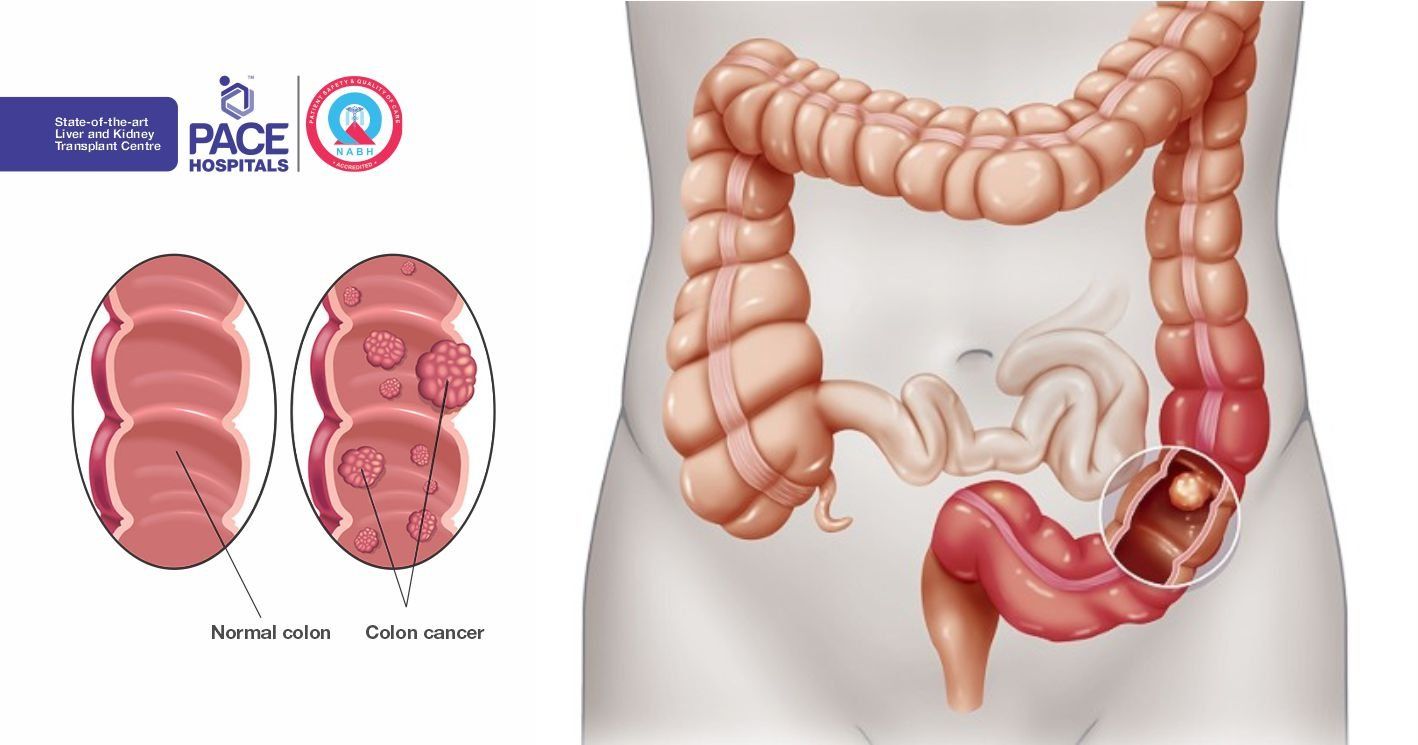
The Future of Tech in Colorectal Carcinoma
The battle against colorectal carcinoma is being won through the relentless application of technology. We are moving toward a future where “liquid biopsies”—blood tests that use high-sensitivity sensors to detect circulating tumor DNA—will be analyzed by AI to catch cancer at Stage 0. We are seeing the development of nanobots that can deliver targeted payloads of medicine directly to a tumor site, guided by real-time software mapping.
The convergence of software engineering, robotic precision, and genomic data is transforming colorectal carcinoma from a feared diagnosis into a manageable, and often curable, condition. As these technology trends continue to evolve, the focus remains clear: leveraging the power of the digital age to preserve the sanctity of human life. The integration of these tools does not replace the physician but empowers them, providing a technological arsenal that is smarter, faster, and more precise than ever before.
aViewFromTheCave is a participant in the Amazon Services LLC Associates Program, an affiliate advertising program designed to provide a means for sites to earn advertising fees by advertising and linking to Amazon.com. Amazon, the Amazon logo, AmazonSupply, and the AmazonSupply logo are trademarks of Amazon.com, Inc. or its affiliates. As an Amazon Associate we earn affiliate commissions from qualifying purchases.