
In the sophisticated ecosystem of modern automotive technology, the knock sensor serves as the engine’s primary acoustic watchdog. While often overlooked due to its small size and tucked-away location on the engine block, this component is a cornerstone of digital engine management. It is a high-precision electronic device designed to detect “knock”—a phenomenon otherwise known as detonation or pre-ignition—which occurs when the fuel-air mixture in the cylinders ignites prematurely or unevenly.
Without a functioning knock sensor, modern high-efficiency engines would likely succumb to catastrophic structural failure or, at the very least, suffer from significant performance degradation. Understanding what the knock sensor does requires a deep dive into the intersection of mechanical engineering, piezoelectric technology, and the complex software algorithms that govern the Engine Control Unit (ECU).
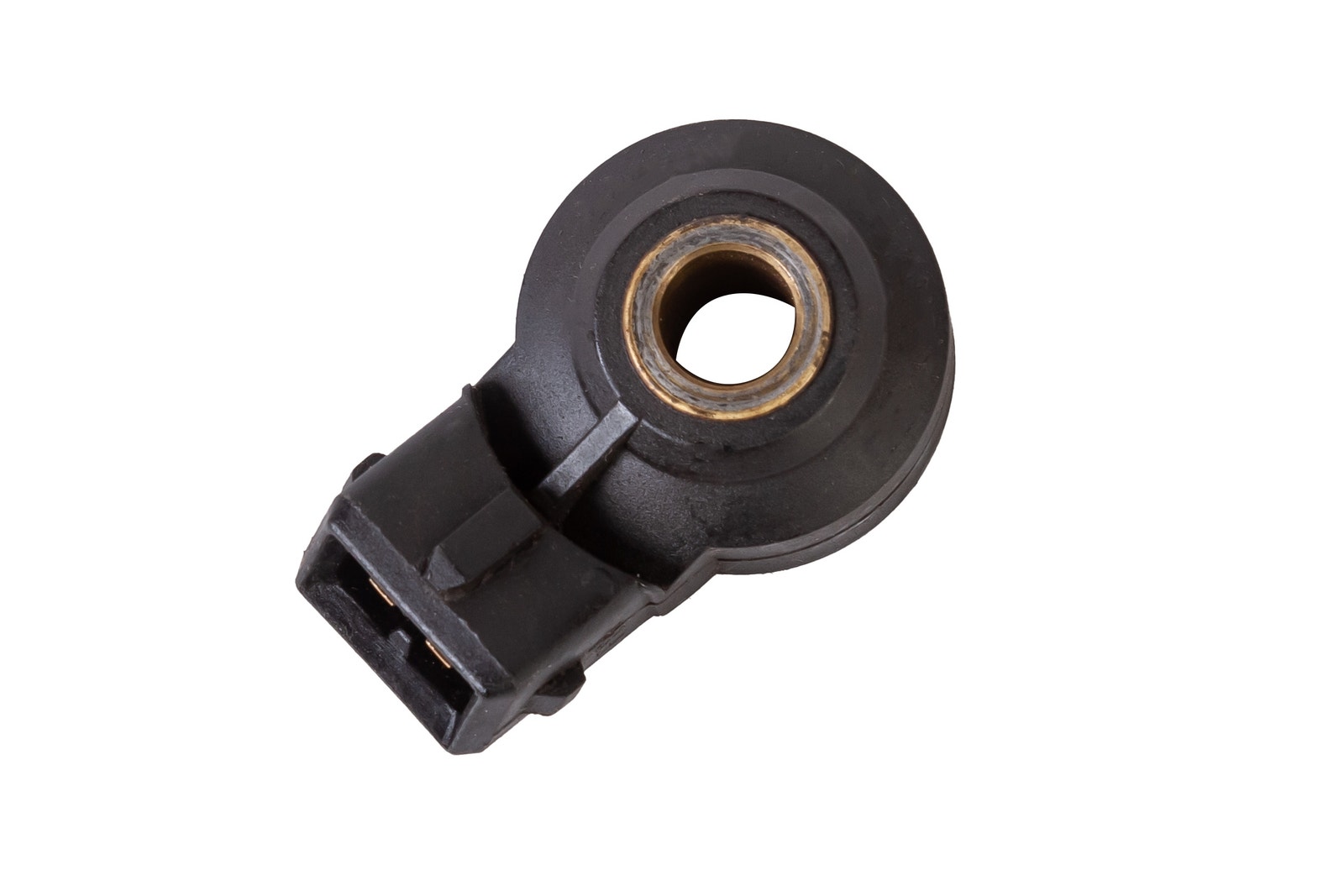
The Physics and Hardware of Knock Detection
At its core, a knock sensor is an electronic listener. From a technological standpoint, it is essentially a specialized microphone tuned to a very specific frequency range. To understand how it operates, we must first look at the hardware inside the sensor housing and the physics of the engine environment.
Piezoelectric Technology
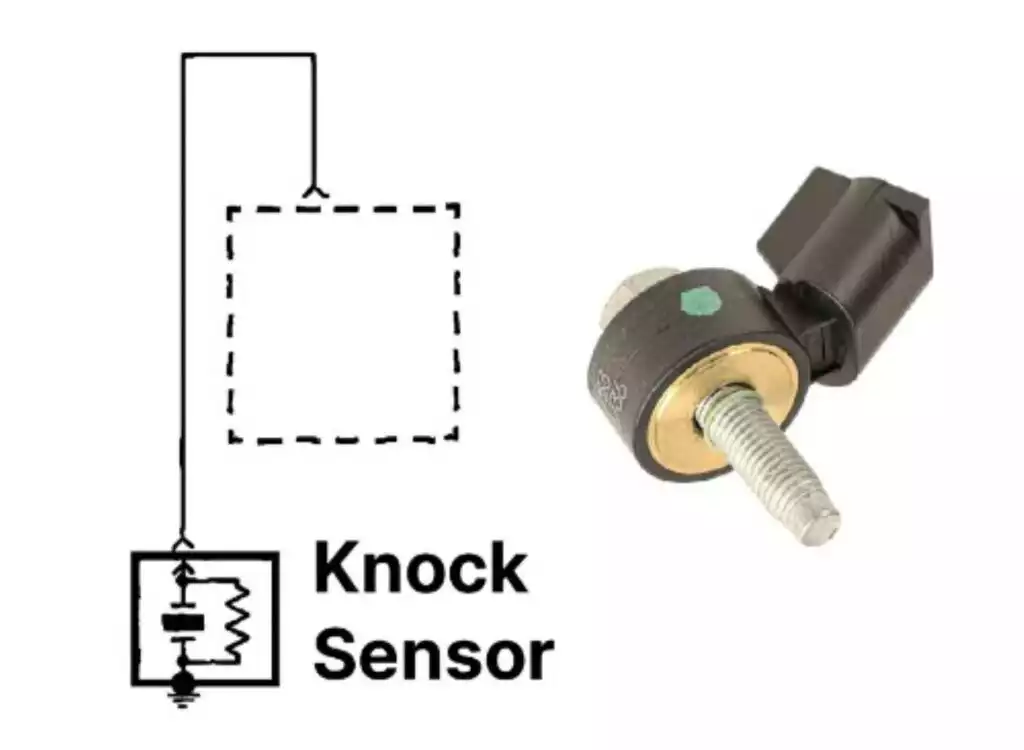
The vast majority of knock sensors utilize piezoelectric crystals. Piezoelectricity is a unique physical property where certain materials—such as ceramics or quartz—generate an electrical charge in response to mechanical stress or vibration. Inside the knock sensor, a small piezoelectric element is weighted and positioned so that when the engine vibrates, the element is compressed or flexed.
When the engine is running normally, the vibrations are rhythmic and fall within an expected amplitude. However, when “knock” occurs, it creates a sharp, high-frequency pressure wave within the combustion chamber. This shockwave travels through the engine block and hits the knock sensor. The piezoelectric crystal vibrates violently in response to this specific shockwave, producing a distinct voltage spike. This electrical signal is then sent immediately to the vehicle’s onboard computer.
Tuning and Frequency Filtering
Modern engines are inherently noisy environments. The clatter of valves, the movement of pistons, and the rotation of the crankshaft all create a baseline of “mechanical noise.” A major technological challenge for engineers is ensuring the sensor can distinguish between standard engine noise and an actual detonation event.
Engineers “tune” the knock sensor to listen for the specific frequencies produced by pre-ignition, which typically range between 5 kHz and 15 kHz depending on the cylinder bore size and engine geometry. Through advanced signal processing, the ECU filters out the low-frequency rumble of normal operation, focusing exclusively on the sharp “pinging” frequencies that indicate a problem.
Digital Logic: How the ECU Processes Acoustic Data
The knock sensor does not act alone; it is a critical input for the Engine Control Unit (ECU). In the world of automotive computing, the relationship between the sensor and the ECU is a classic example of a “closed-loop” feedback system.
Real-Time Ignition Timing Adjustments
The primary job of the ECU, upon receiving a signal from the knock sensor, is to adjust the ignition timing. To maximize power and efficiency, an engine wants to ignite the fuel as early as possible (advancing the timing). However, if the timing is advanced too far, the heat and pressure become too intense, leading to a knock.
When the knock sensor detects the onset of detonation, the ECU instantaneously “retards” the timing. It delays the spark by a few milliseconds, which allows the pressure inside the cylinder to peak slightly later, effectively cooling the combustion process and stopping the knock. This happens thousands of times per minute, with the computer constantly pushing the engine to its limit and then pulling back the moment the knock sensor detects a threat.
Individual Cylinder Monitoring
Advanced automotive software now allows for individual cylinder monitoring. Rather than adjusting the timing for the entire engine, the ECU can use the knock sensor’s data—synchronized with the position of the crankshaft—to identify exactly which cylinder is knocking. If Cylinder 3 is experiencing pre-ignition due to a slightly lean fuel mixture or a carbon deposit, the computer can retard the timing for that specific cylinder while allowing the others to continue operating at peak efficiency. This level of granular digital control was impossible before the advent of high-speed microprocessors in vehicles.
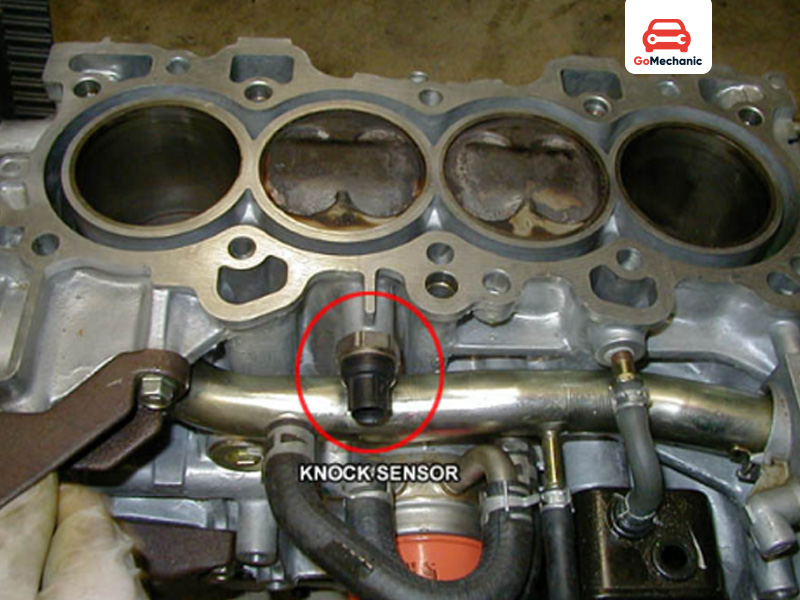
Performance Optimization and Fuel Efficiency
Beyond simply protecting the engine from damage, the knock sensor is a vital tool for maximizing fuel economy and power output. It allows manufacturers to program engines that are far more versatile than those of the past.
The Role of Octane Ratings
Octane is a measure of a fuel’s resistance to “knocking.” High-performance engines often require high-octane fuel because they operate at higher compression ratios, which increases the risk of pre-ignition. However, thanks to the knock sensor, many modern high-performance vehicles can safely run on lower-octane fuel if necessary.
When a driver puts regular 87-octane fuel into a car designed for 93-octane, the knock sensor detects the resulting pre-ignition almost immediately. The ECU then shifts to a more “conservative” ignition map, sacrificing some horsepower to ensure the engine doesn’t damage itself. This technological adaptability makes modern vehicles much more resilient to variations in fuel quality.
Increasing Compression and Turbocharging
The trend in modern “downsized” engines is to use small displacements paired with turbochargers to achieve high power and efficiency. Turbocharging increases the pressure inside the cylinders, which significantly increases the risk of knock. The knock sensor is the “safety net” that allows these engines to exist. By providing constant feedback, the sensor enables engineers to run higher boost pressures and higher compression ratios than would ever be possible in a purely mechanical system, directly resulting in the high MPG figures seen in contemporary tech-forward vehicles.
Technical Diagnostics and the Evolution of Smart Sensors
As vehicles become more software-defined, the diagnostic capabilities surrounding the knock sensor have evolved. The sensor is part of the broader OBD-II (On-Board Diagnostics) framework, which provides technicians and enthusiasts with a window into the engine’s health.
Fault Codes and Sensor Failure
Like any electronic component exposed to extreme heat and vibration, knock sensors can fail. When a sensor fails, it usually goes into one of two states: it either stops sending a signal entirely or it sends a “ghost” signal (erroneous data).
The ECU is programmed to recognize these anomalies. If the sensor’s signal disappears, the computer will trigger a Check Engine Light (CEL) and usually store a diagnostic trouble code such as P0325 (Knock Sensor Circuit Malfunction). To protect the engine in the absence of its “ears,” the ECU will often enter a “limp mode” or a highly conservative timing map, resulting in a noticeable loss of power and a drop in fuel economy. This fail-safe mechanism is a critical piece of the software architecture.
The Shift Toward Digital Sensors
Traditional knock sensors produce an analog AC voltage signal that must be converted by the ECU. However, the latest generation of automotive tech is moving toward digital knock sensors. These sensors perform the signal processing and analog-to-digital conversion within the sensor housing itself. By sending a digital data stream to the ECU, these sensors are less susceptible to electrical interference (EMI) from ignition coils and other high-voltage components, providing a much cleaner and more accurate “image” of the combustion process.
The Role of Acoustic Sensors in Modern Automotive Ecosystems
While the internal combustion engine is undergoing a transition toward electrification, the technology pioneered by knock sensors continues to find new applications in the automotive tech sector.
Beyond the Piston Engine
The principles of acoustic sensing and vibration analysis are now being applied to electric vehicle (EV) drivetrains and autonomous systems. In EVs, similar sensors are used to monitor the “health” of high-speed electric motors and gearboxes, detecting bearing wear or harmonic imbalances before they lead to failure. The logic remains the same: use high-frequency vibration data to inform a central computer of mechanical distress.
Preventive Maintenance and AI Integration
Looking forward, we are seeing the integration of AI-driven vibration analysis. By analyzing the data from knock sensors and other accelerometers over long periods, manufacturers can use machine learning to predict when a component might fail. This moves the knock sensor from a reactive safety device to a proactive diagnostic tool. In a fleet management context, this data can be transmitted via telematics to alert owners that an engine is showing signs of carbon buildup or cooling issues weeks before a catastrophic knock event occurs.
In conclusion, the knock sensor is a masterpiece of functional technology. It bridges the gap between the violent, mechanical world of internal combustion and the precise, logical world of digital computing. By acting as the engine’s sense of hearing, it allows for the high-performance, high-efficiency, and highly reliable driving experience that we have come to expect from modern technology. Whether it is adjusting timing for a lower grade of fuel or preventing a total engine meltdown, the knock sensor is an essential component in the ongoing evolution of automotive intelligence.
aViewFromTheCave is a participant in the Amazon Services LLC Associates Program, an affiliate advertising program designed to provide a means for sites to earn advertising fees by advertising and linking to Amazon.com. Amazon, the Amazon logo, AmazonSupply, and the AmazonSupply logo are trademarks of Amazon.com, Inc. or its affiliates. As an Amazon Associate we earn affiliate commissions from qualifying purchases.