
The Intersection of Neurology and Cutting-Edge Technology
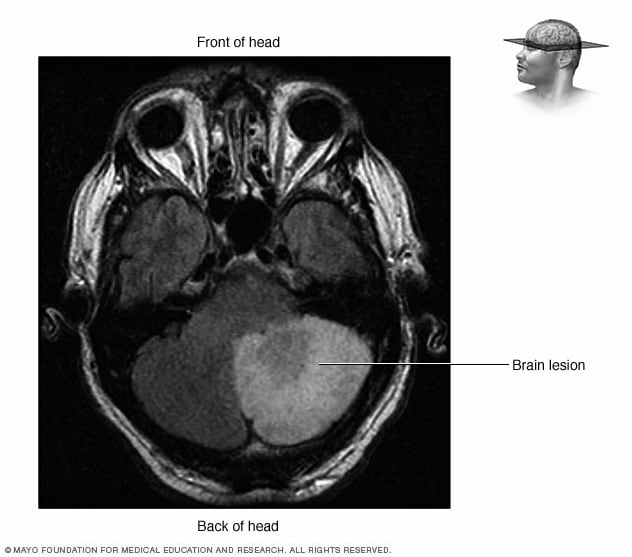
The phrase “lesions in the brain” often evokes concern, pointing to an abnormality or damage within the intricate neural network. From a purely medical standpoint, a brain lesion is an area of tissue that has been damaged by injury or disease. This damage can range from microscopic cellular changes to large, visible areas of tissue alteration, manifesting in various forms such as tumors, infections, strokes, multiple sclerosis plaques, or traumatic brain injuries. However, understanding what these lesions mean in the 21st century is inextricably linked to the technological advancements that enable their detection, characterization, and management. Modern technology doesn’t just diagnose lesions; it redefines our comprehension of their nature, impact, and potential for intervention.
Defining Brain Lesions Through a Technological Lens
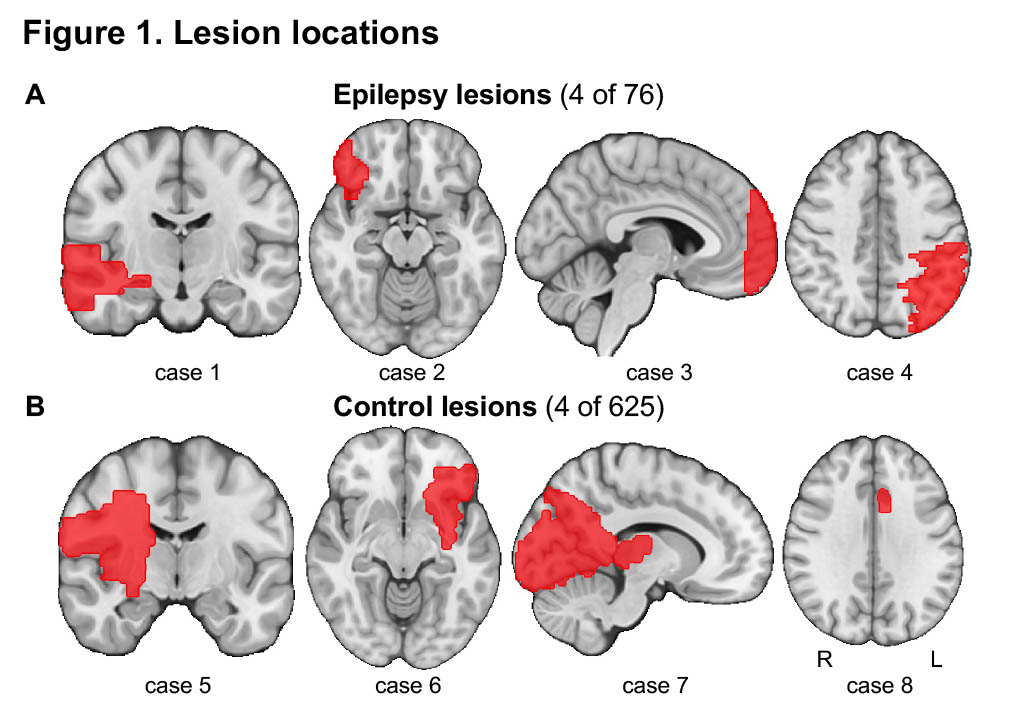
In the era of digital medicine, the definition of a brain lesion extends beyond mere anatomical damage. It encompasses a complex data profile derived from a sophisticated array of diagnostic tools. What once might have been an ambiguous clinical presentation can now be precisely mapped, measured, and often, etiologically linked through technology. High-resolution imaging, advanced computational analysis, and even wearable diagnostic devices contribute to a multi-dimensional understanding. For example, a “lesion” identified by a new AI algorithm might not be visible to the human eye on a standard MRI, pushing the boundaries of early detection and preventative care. This technological lens allows for an unprecedented level of granularity, transforming a broad medical term into a dataset ripe for analytical interpretation.
From Scanners to Software: The Evolution of Diagnosis
The journey of diagnosing brain lesions has been a relentless march of technological innovation. Early methods relied on rudimentary neurological exams and, later, less precise X-ray techniques. The advent of Computed Tomography (CT) scans in the 1970s marked a pivotal shift, offering cross-sectional views of the brain. Magnetic Resonance Imaging (MRI) revolutionized the field further, providing unparalleled soft-tissue contrast and multi-planar imaging, allowing for the detection of subtle abnormalities previously invisible. Functional MRI (fMRI) and Positron Emission Tomography (PET) scans added layers of understanding by illustrating brain activity and metabolic processes, helping differentiate between various lesion types.
Today, these imaging modalities are powered by sophisticated software that enhances image quality, automates segmentation, and even performs volumetric analysis. Picture archiving and communication systems (PACS) integrate these images into a digital ecosystem, enabling rapid sharing and collaborative review among specialists worldwide. The evolution isn’t just about better hardware; it’s about the software algorithms that interpret the raw data, turning gigabytes of signals into actionable clinical insights. Advanced visualization tools allow neurologists to rotate 3D models of the brain, virtually dissecting areas of concern and planning surgical approaches with unprecedented precision. This synergy between physical scanning devices and intelligent software is fundamental to the contemporary diagnostic process of brain lesions.
AI’s Transformative Role in Lesion Detection and Analysis
Artificial intelligence (AI), particularly machine learning and deep learning, is rapidly becoming an indispensable ally in the fight against brain pathologies. Its ability to process vast datasets, identify intricate patterns, and make predictions far exceeds human capacity, promising to revolutionize how lesions are detected, characterized, and ultimately managed. AI tools are not just augmenting human capabilities; they are opening entirely new avenues for understanding and treating complex neurological conditions.
Machine Learning for Enhanced Diagnostic Accuracy
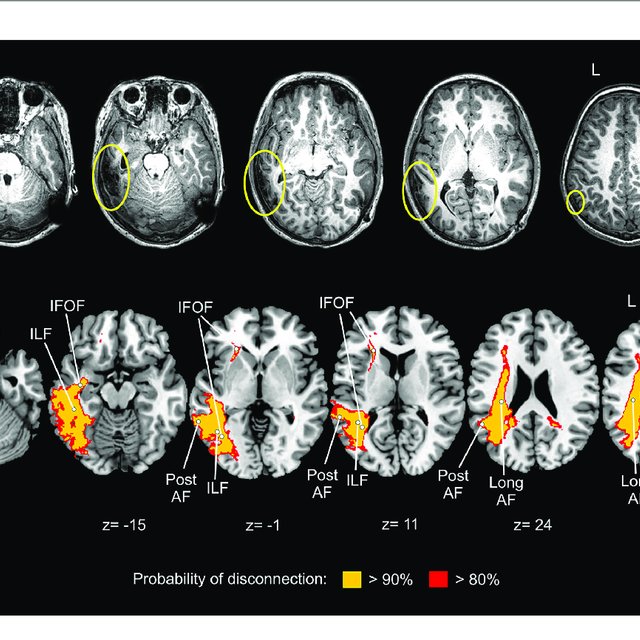
One of AI’s most profound impacts is in improving the accuracy and speed of lesion detection. Machine learning algorithms, trained on massive databases of brain scans from healthy individuals and those with various neurological conditions, can learn to identify subtle features indicative of lesions that might be missed by the human eye, especially in early stages. For instance, in conditions like multiple sclerosis, AI can detect new or enlarging lesions, quantify their burden, and track disease progression with remarkable consistency. In oncology, AI assists in differentiating between benign and malignant tumors, often providing probability scores that guide further diagnostic steps.
Deep learning models, a subset of machine learning, excel at image recognition tasks. Convolutional Neural Networks (CNNs) are particularly effective in analyzing MRI and CT scans, identifying anomalies that correspond to lesions. These systems can highlight areas of interest, reduce false positives, and streamline the workload for radiologists and neurologists, allowing them to focus on complex cases requiring expert human judgment. The goal is not to replace human experts but to equip them with advanced tools that enhance their diagnostic prowess, leading to earlier interventions and better patient outcomes.
Predictive Analytics and Personalized Treatment Pathways
Beyond detection, AI’s predictive capabilities are transforming treatment strategies for brain lesions. By analyzing a patient’s imaging data alongside their genetic information, clinical history, and treatment responses, AI algorithms can predict the likely progression of a lesion or the efficacy of various therapies. For example, in stroke patients, AI can rapidly analyze perfusion scans to identify salvageable brain tissue, guiding immediate intervention decisions. In neuro-oncology, AI models are being developed to predict how a specific brain tumor will respond to chemotherapy, radiation, or targeted molecular therapies based on its unique characteristics.
This level of predictive analytics paves the way for truly personalized medicine. Instead of a one-size-fits-all approach, treatment pathways can be tailored to the individual, minimizing side effects and maximizing therapeutic benefit. AI can help identify patients at higher risk of developing certain types of lesions or those who might benefit most from early preventative measures. This shift from reactive treatment to proactive, personalized care represents a significant leap forward in neurological health, driven directly by advancements in AI and data science.
Digital Security: Protecting Sensitive Neurological Data
The increasing reliance on digital tools for diagnosing and managing brain lesions brings with it a critical responsibility: safeguarding the vast amounts of sensitive patient data. Neurological information, including high-resolution brain scans, genetic markers, and detailed clinical histories, is among the most private and valuable healthcare data. The digital ecosystem supporting neurology, from diagnostic imaging networks to AI processing platforms, must be fortified with robust digital security measures to prevent breaches, ensure patient privacy, and maintain trust in technological advancements.
The Imperative of Healthcare Data Encryption
Healthcare data, particularly related to conditions like brain lesions, is a prime target for cybercriminals due to its comprehensive nature and potential for identity theft or blackmail. Therefore, strong encryption is non-negotiable. All data in transit—when shared between clinics, radiologists, or AI analysis platforms—and at rest—when stored in cloud servers or local databases—must be encrypted using advanced cryptographic protocols. This includes imaging files (DICOM), electronic health records (EHR), and any derivatives generated by AI algorithms.
Beyond basic encryption, sophisticated access controls, multi-factor authentication, and regular security audits are essential. Healthcare institutions must invest in advanced threat detection systems and incident response plans to rapidly address potential vulnerabilities. The integrity of diagnostic data is paramount; any compromise could lead to misdiagnosis or inappropriate treatment, highlighting the life-or-death stakes involved in securing neurological patient information.
Compliance and Ethical AI in Neurology
The ethical implications of using AI in neurology, especially with sensitive data, are complex and require careful navigation. Regulatory frameworks like HIPAA in the United States, GDPR in Europe, and other regional data protection laws mandate stringent requirements for handling patient data. Compliance is not merely a legal obligation but an ethical imperative, ensuring that patient rights are protected and data is used responsibly.
Furthermore, the ethical deployment of AI in neurology extends to addressing potential biases in algorithms. If AI models are trained on datasets that disproportionately represent certain demographics, they may perform less accurately for underrepresented groups, leading to disparities in care. Therefore, ethical AI development demands diverse training data, transparent algorithm design, and continuous monitoring for fairness and accountability. This includes ensuring that AI-driven insights for brain lesion diagnosis and treatment are equitable across all patient populations, fostering trust and preventing the exacerbation of existing healthcare inequalities.
Emerging Tech and Future Frontiers in Brain Health
The trajectory of technological advancement in understanding and treating brain lesions shows no signs of slowing. Beyond current innovations, a myriad of emerging technologies promises to push the boundaries of diagnosis, therapy, and patient management, heralding a future where neurological conditions are understood with unprecedented clarity and managed with unparalleled precision.
Advanced Imaging Beyond Current Capabilities
The next generation of imaging technology for brain lesions is already on the horizon. Ultra-high field MRI scanners (7T and beyond) offer even greater spatial resolution, allowing for the visualization of minute structural details and functional changes previously undetectable. Hybrid imaging systems, combining modalities like PET-MRI, are becoming more common, providing simultaneous anatomical and metabolic information, which can be crucial for characterizing complex lesions.
Moreover, non-invasive brain-computer interfaces (BCIs) and neuro-monitoring devices are evolving rapidly. These technologies could offer continuous, real-time insights into brain activity, potentially detecting subtle changes indicative of lesion development or progression long before they become symptomatic. Imagine a future where a wearable device could flag early signs of a new lesion, prompting timely medical intervention. These advancements are not just about seeing more; they are about understanding the brain’s dynamic state in health and disease with far greater temporal and spatial fidelity.
AI-Driven Therapeutic Interventions
While AI has primarily focused on diagnosis, its role in therapeutic interventions for brain lesions is expanding. AI-powered robotic surgery systems are being developed to perform neurosurgery with greater precision and minimal invasiveness, reducing recovery times and improving patient outcomes. These robots, guided by AI algorithms and sophisticated imaging, can navigate complex neural pathways and remove lesions with sub-millimeter accuracy.
Beyond surgery, AI is crucial in drug discovery and development for neurological conditions. Machine learning models can analyze vast chemical libraries and biological data to identify potential drug candidates that target specific lesion types or pathological pathways. This accelerates the process of bringing new treatments to patients. Furthermore, AI could personalize neurorehabilitation programs for patients recovering from lesions, adapting exercises and therapies based on real-time feedback and progress, optimizing recovery pathways. The future of understanding and managing brain lesions is undeniably intertwined with these continuous breakthroughs in technology, offering hope for more effective and individualized care.
aViewFromTheCave is a participant in the Amazon Services LLC Associates Program, an affiliate advertising program designed to provide a means for sites to earn advertising fees by advertising and linking to Amazon.com. Amazon, the Amazon logo, AmazonSupply, and the AmazonSupply logo are trademarks of Amazon.com, Inc. or its affiliates. As an Amazon Associate we earn affiliate commissions from qualifying purchases.