
In the intricate world of brand strategy and corporate identity, every element chosen, from a logo’s color palette to a mascot’s character, is a deliberate step in conveying meaning and fostering connection. Symbols, in particular, wield immense power, serving as shorthand for complex ideas, values, and emotions. Among the myriad of visual devices available to marketers and designers, animal symbolism stands out for its universal appeal and rich tapestry of associations. Few creatures, however, offer the diverse, multifaceted symbolic potential of the humble bunny. Far from being a mere cute face, the bunny embodies a spectrum of attributes that, when strategically leveraged, can forge powerful brand narratives, resonate deeply with target audiences, and distinguish a brand in a crowded marketplace. Understanding “what the bunny symbolizes” is not just an exercise in folklore, but a critical insight into crafting compelling brand identities that hop straight into the hearts and minds of consumers.

The Archetypal Power of Animal Symbolism in Branding
Long before sophisticated marketing models, humanity communicated through symbols, with animals frequently at the heart of these expressive representations. This deep-seated connection to the animal kingdom, embedded in our collective consciousness, provides a potent foundation for brand messaging.
Universal Language of Symbols: Tapping into Shared Understanding
Animals transcend linguistic and cultural barriers, often carrying universally recognized traits and associations. A lion might symbolize courage and strength across continents, while an owl might represent wisdom. This shared understanding makes animal symbols an invaluable tool for global brands seeking to establish an immediate, intuitive connection with diverse audiences. The bunny, with its presence in fables, folklore, and nature across many societies, similarly offers a rich, often positive, common ground for communication. It allows a brand to speak a non-verbal language that resonates on a primal, emotional level, bypassing the need for extensive explanation and fostering an instant sense of recognition and familiarity.
Primal Connections: Evoking Subconscious Associations
Beyond conscious understanding, animal symbolism taps into deeper, often subconscious associations. Our brains are hardwired to respond to natural patterns and forms, and animal imagery can trigger instinctual reactions or tap into archetypal narratives that have been passed down through generations. When a brand chooses an animal as its symbol, it’s not just adopting an image; it’s inheriting centuries of cultural baggage, myth, and emotional context. For the bunny, these primal connections often revolve around themes of innocence, vulnerability, growth, and the cycle of life, all of which can be powerful emotional anchors for a brand seeking to build trust, inspire comfort, or convey vitality. The efficacy lies in recognizing and harnessing these ingrained associations, ensuring they align seamlessly with the brand’s intended message and values.
The Multifaceted Meanings of the Bunny in Corporate Identity
The true strength of the bunny as a brand symbol lies in its remarkable versatility. Unlike some animals with very fixed associations, the bunny offers a wide palette of meanings that can be selectively emphasized to craft a unique brand personality.
Innocence, Playfulness, and Comfort: The Gentle Touch
Perhaps the most common association with bunnies is their inherent cuteness, softness, and seemingly gentle nature. These qualities make the bunny an ideal symbol for brands targeting children, such as toy manufacturers, animated entertainment studios, or apparel lines for infants. Its image evokes warmth, security, and a sense of gentle playfulness. Beyond children’s products, brands in sectors like home goods, comforting foods, or even hospitality might use bunny symbolism to convey a nurturing, cozy, or approachable brand experience, promising a soft landing or a comforting presence in a chaotic world.
Speed, Agility, and Cunning: The Nimble Innovator
Less obvious but equally powerful are the bunny’s traits of speed, agility, and often, a clever cunning. Anyone who has observed a rabbit in the wild knows its lightning-fast reflexes and ability to outmaneuver predators. These characteristics can be highly desirable for brands that wish to project innovation, efficiency, quick problem-solving, or a nimble approach to market changes. Tech startups, delivery services, or even financial tools aiming to simplify complex processes might adopt a stylized bunny to communicate speed, intelligence, and adaptability. This facet shifts the perception from passive cuteness to active, strategic capability, positioning the brand as smart, efficient, and forward-thinking.
Fertility, Abundance, and New Beginnings: Growth and Prosperity
The bunny’s prodigious reproductive capabilities have long made it a symbol of fertility, abundance, and new life, especially associated with spring and rebirth. For brands looking to convey growth, prosperity, renewal, or fresh starts, the bunny can be an incredibly potent emblem. This might apply to real estate developments, financial planning services focused on wealth accumulation, or even organic and agricultural brands emphasizing natural cycles and bountiful harvests. The symbolism here speaks to potential, flourishing, and the promise of a vibrant future, aligning with aspirational brand messages that encourage progress and success.
Purity and Connection to Nature: Authenticity and Wellness
In some contexts, the bunny’s natural habitat and herbivorous diet connect it to themes of purity, naturalness, and ecological harmony. This can be strategically employed by brands in the organic food sector, natural skincare, sustainable fashion, or eco-conscious initiatives. A bunny symbol can subtly communicate a commitment to natural ingredients, ethical sourcing, and a gentle footprint on the earth, resonating with consumers who prioritize authenticity, health, and environmental responsibility. It links the brand to the unspoiled beauty of nature, suggesting an inherent goodness and wholesomeness.
Crafting Brand Narratives: When a Bunny Becomes Your Messenger
The choice of a bunny as a brand symbol is merely the first step. The true art lies in weaving this symbol into a cohesive and compelling brand narrative that speaks directly to the target audience.
Beyond the Logo: Bunny as a Storytelling Device
A brand is more than its logo; it’s a story unfolding across every customer touchpoint. When a bunny is adopted, it offers a rich narrative canvas. Is it a whimsical guide through a complex service, a speedy friend delivering joy, or a symbol of gentle care? By defining the bunny’s role within the brand’s overarching story, marketers can imbue it with personality, purpose, and even a backstory. This transforms a static image into a dynamic character that can engage consumers through advertising campaigns, social media content, and even product packaging, creating a memorable and emotionally resonant experience. The bunny can become a brand’s mascot, its advocate, or its silent promise.
Emotional Resonance: How the Bunny Evokes Feelings
Effective branding taps into emotions. The bunny, with its wide array of symbolic meanings, can evoke a powerful spectrum of feelings. Depending on how it’s portrayed—cute and cuddly, sleek and swift, or wise and watchful—it can inspire feelings of joy, trust, excitement, comfort, or even aspiration. A brand aiming for a playful and lighthearted image might use a cartoonish, bouncy bunny to evoke happiness and fun. Conversely, a luxury brand might use a realistic, serene bunny image to suggest tranquility and natural elegance. Understanding and intentionally curating these emotional responses is key to building a strong, enduring connection between the brand and its audience.
Brand Personality: Aligning Bunny Traits with Brand Values
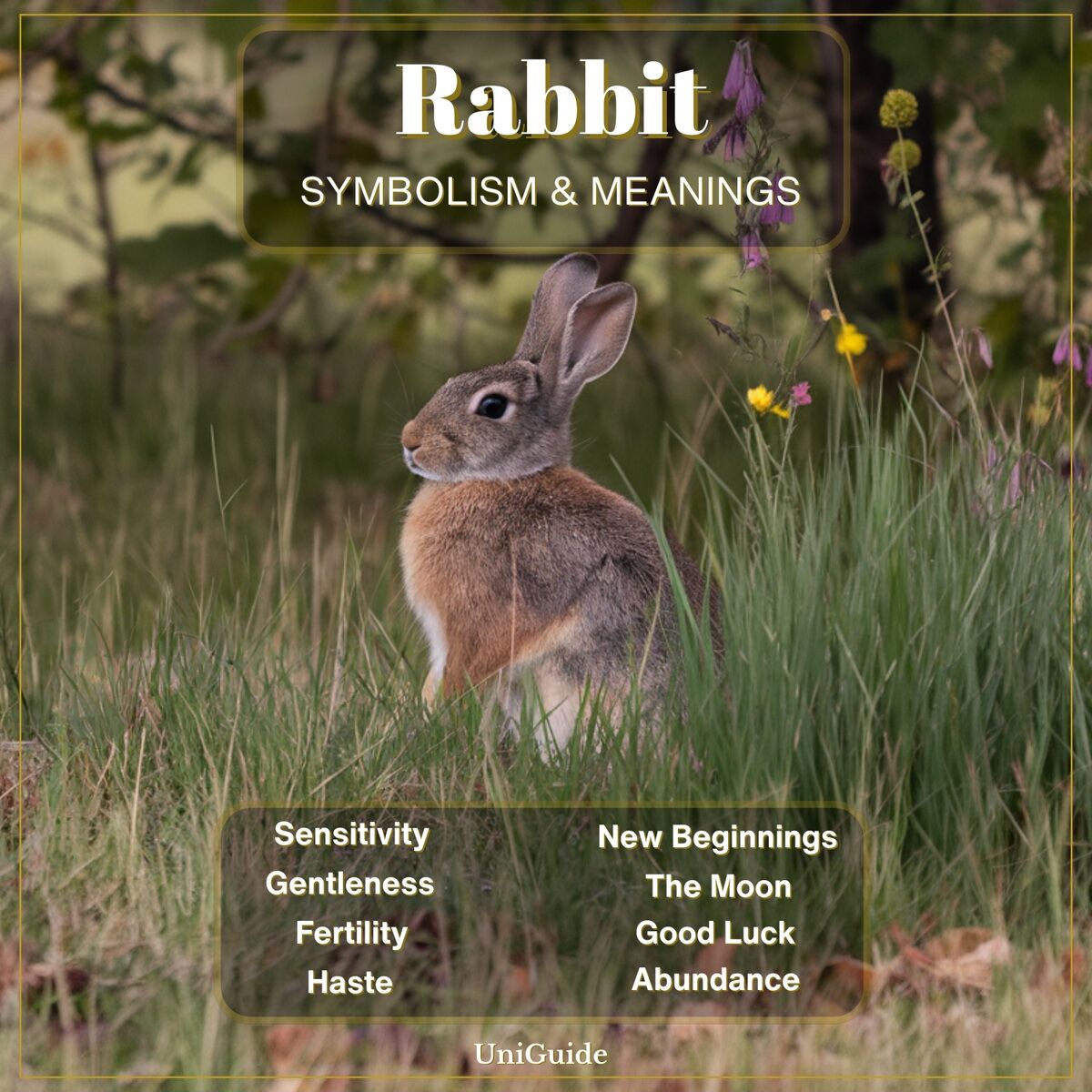
Every successful brand has a distinct personality, a set of human-like traits that define how it communicates and interacts with the world. The bunny’s inherent characteristics can be meticulously aligned with these desired brand values. If a brand values agility and quick thinking, the bunny’s speed becomes its defining trait. If empathy and care are paramount, its gentle nature comes to the forefront. This alignment ensures consistency in messaging and strengthens the brand’s identity, making it easier for consumers to understand what the brand stands for and what to expect from it. The bunny, therefore, isn’t just an arbitrary design choice; it’s a deliberate articulation of the brand’s core essence.
Case Studies: Iconic Brands That Hopped to Success with Bunny Symbolism
While specific brand names might be proprietary, the archetypes of successful bunny branding are universal, illustrating how different facets of bunny symbolism can be effectively leveraged.
The Playful Companion: Engaging Younger Audiences
Numerous brands aimed at children have successfully utilized bunny imagery to create memorable and trusted companions. Think of entertainment brands that feature animated bunnies as central characters, embodying curiosity, adventure, and friendship. These brands leverage the bunny’s innocence and playfulness to foster a sense of joy and comfort, becoming a familiar and beloved figure in a child’s world. The bunny here is often anthropomorphized, allowing for relatable narratives and lessons, further strengthening brand loyalty among parents and children alike.
The Agile Innovator: Communicating Speed and Modernity
In the tech and logistics sectors, brands have adopted stylized bunnies to convey efficiency, speed, and forward-thinking solutions. These might not be overtly cute, but rather sleek, minimalist designs that subtly hint at the rabbit’s swiftness and cleverness. For instance, a brand offering rapid delivery services might use a dynamic bunny logo to symbolize quick turnaround times and reliable speed. Similarly, software companies promising streamlined processes might use a clever bunny icon to represent intuitive design and efficient problem-solving, positioning themselves as modern and responsive.
The Source of Comfort and Luxury: Premium Brand Experiences
Conversely, some high-end or comfort-focused brands use the bunny to evoke sensations of softness, warmth, and natural luxury. Apparel brands, especially those using natural fibers like cashmere or organic cotton, might feature a delicate, realistic bunny illustration to symbolize the gentleness and purity of their materials. Similarly, premium home goods or wellness brands could use the image to suggest tranquility, coziness, and a connection to nature’s soft beauty. In these contexts, the bunny becomes a symbol of refined taste and a promise of understated elegance and superior comfort.
The Enduring Icon: Building Brand Stamina
Beyond specific attributes, some bunny symbols have become iconic through sheer persistence and consistent messaging. The concept of an “Energizer Bunny” (though a specific trademark) is a powerful example of how a bunny can symbolize endurance, resilience, and an unwavering ability to keep going. While not every brand needs a moving mascot, the idea of a symbol that embodies a core brand promise—be it perpetual energy, unwavering quality, or timeless appeal—demonstrates the potential for long-term brand equity derived from strategic symbolic choice.
Strategic Considerations: Integrating Bunny Symbolism Effectively
Choosing the bunny is just the beginning. Successful integration requires careful planning and a deep understanding of market dynamics and target audience perceptions.
Target Audience Alignment: Who Resonates with Your Bunny?
The first and most crucial step is to ensure that the chosen bunny symbolism genuinely resonates with the brand’s target demographic. While a playful bunny might charm parents of young children, it might not be appropriate for a serious financial institution targeting retirees, unless the specific message (e.g., “gentle growth”) is very carefully crafted. Researching cultural contexts, demographic preferences, and psychological associations is vital to avoid misfires and ensure the symbol elicits the desired response from the intended audience. A bunny’s meaning can shift dramatically based on who is viewing it.
Cultural Nuances: Avoiding Misinterpretations Across Markets
What symbolizes good fortune in one culture might carry negative connotations in another. While the bunny generally has positive or neutral associations globally, it’s essential for international brands to conduct due diligence. For example, in some Asian cultures, rabbits are associated with the moon and immortality, while in others, they might be seen as pests. Understanding these subtle cultural nuances is paramount to prevent accidental offense or miscommunication, ensuring that the bunny’s message remains consistent and positive across all target markets.
Visual Representation: Design Choices for Impact
The style in which the bunny is depicted profoundly impacts its perceived meaning. A cartoonish, brightly colored bunny evokes playfulness, while a minimalist, monochrome silhouette might suggest sophistication or speed. A realistic rendering can imply naturalness and authenticity, whereas an abstract form might convey modernity or artistic flair. The design choices for the bunny—its posture, color, expression, and level of detail—must be meticulously aligned with the brand’s aesthetic, personality, and overall communication strategy to amplify the intended message.
Consistency Across Touchpoints: Maintaining the Bunny’s Message
Once the bunny symbol and its associated meanings are established, consistency is key. The bunny’s character and the message it conveys must be uniform across all brand touchpoints: website, packaging, social media, advertising, customer service interactions, and even internal communications. Any deviation can dilute the brand’s identity and confuse the audience. This consistent reinforcement builds recognition, trust, and a strong mental association between the bunny, its symbolism, and the brand itself.
Avoiding Clichés and Standing Out: Making Your Bunny Unique
Given the bunny’s widespread use, especially in certain sectors, there’s a risk of falling into cliché. To avoid this, brands must strive for originality in their interpretation. This could involve an unexpected twist in the bunny’s personality, a unique visual style, or pairing its symbolism with an unusual product category. The goal is not just to use a bunny, but to use your bunny in a way that is distinctive, memorable, and strategically aligned with your brand’s unique value proposition, ensuring it contributes to a truly differentiated brand identity.

Conclusion
The question “what does the bunny symbolize?” unlocks a fascinating exploration into the power of animal imagery in branding. From innocence and playfulness to speed and abundance, the bunny offers a remarkably flexible canvas for crafting compelling brand narratives. Its archetypal resonance, coupled with its diverse interpretations, makes it a potent tool for brands seeking to connect with audiences on an emotional and subconscious level. By strategically aligning its multifaceted meanings with core brand values, carefully considering cultural nuances, and executing a consistent visual and narrative strategy, companies can transform the humble bunny into an enduring and effective messenger, hopping their brand closer to distinction and customer loyalty. In the crowded landscape of modern marketing, understanding and harnessing such powerful symbolism is not merely an option, but a strategic imperative.
aViewFromTheCave is a participant in the Amazon Services LLC Associates Program, an affiliate advertising program designed to provide a means for sites to earn advertising fees by advertising and linking to Amazon.com. Amazon, the Amazon logo, AmazonSupply, and the AmazonSupply logo are trademarks of Amazon.com, Inc. or its affiliates. As an Amazon Associate we earn affiliate commissions from qualifying purchases.